


Quando il profumo dell’estate comincia a farsi sentire, la voglia di uscire a scattare in notturna per fotografare la via lattea è sempre più grande.
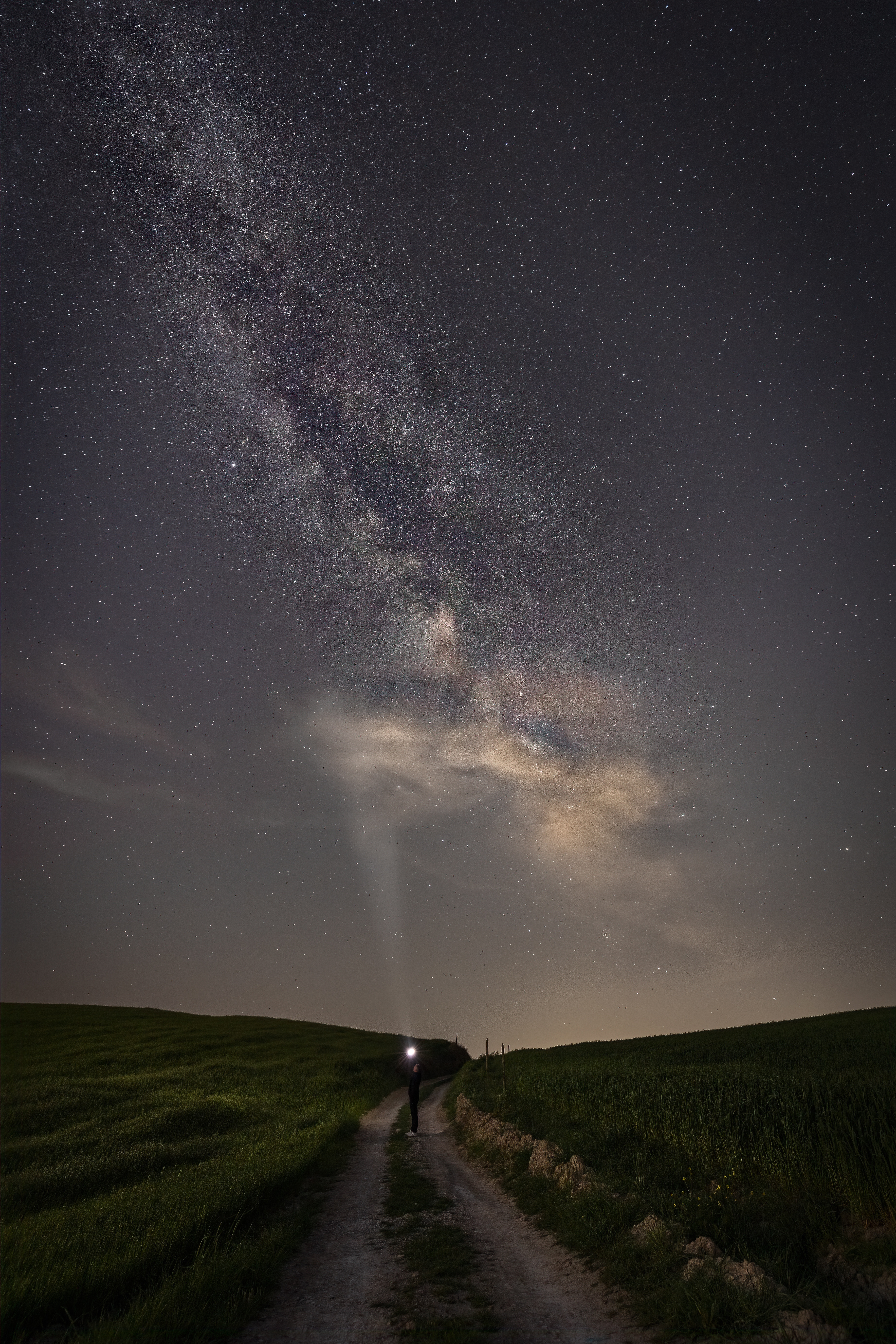
La via Lattea è la galassia a cui appartiene il nostro sistema solare, ed è visibile, fotograficamente parlando, da aprile a settembre. In rare occasioni, con pochissimo inquinamento luminoso ed a aria tersa e limpida, è possibile anche intravederla ad occhio nudo.
Per riuscire a fotografare il nucleo dalla via lattea, occorre trovare un posto molto buio, con pochissimo inquinamento luminoso. Con un obiettivo grandangolare e tempi lunghi, è possibile incamerare la luce delle stelle e le polveri che la compongono. La capacità di “vedere” di una fotocamera è molto superiore alla vista dell’occhio umano. Per riuscire ad immortalarla al meglio, occorre una discreta preparazione ed una buona base di postproduzione successiva allo scatto.
In questo caso sono stato a scattare ad Orciano Pisano, in mezzo alle colline tra Pisa e Livorno, laddove ci sono poche abitazioni, molto distanziate una dall’altra, dove è possibile trovare condizioni meteo accettabili per questo tipo di fotografia. Scattando a fine aprile, la Lattea è visibile poco prima dell’alba. Quindi, sveglia puntata alle 3:00 del mattino e via.
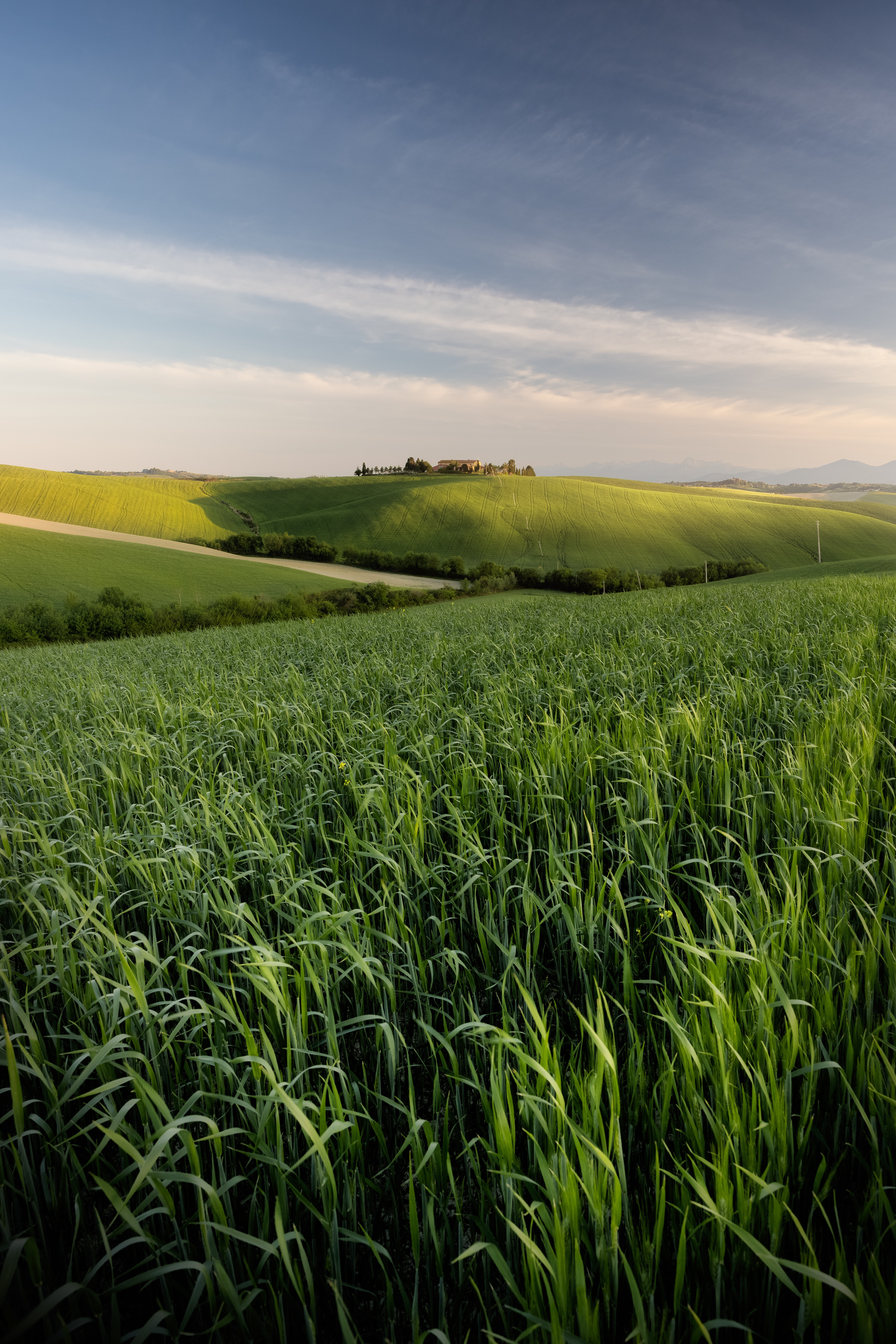
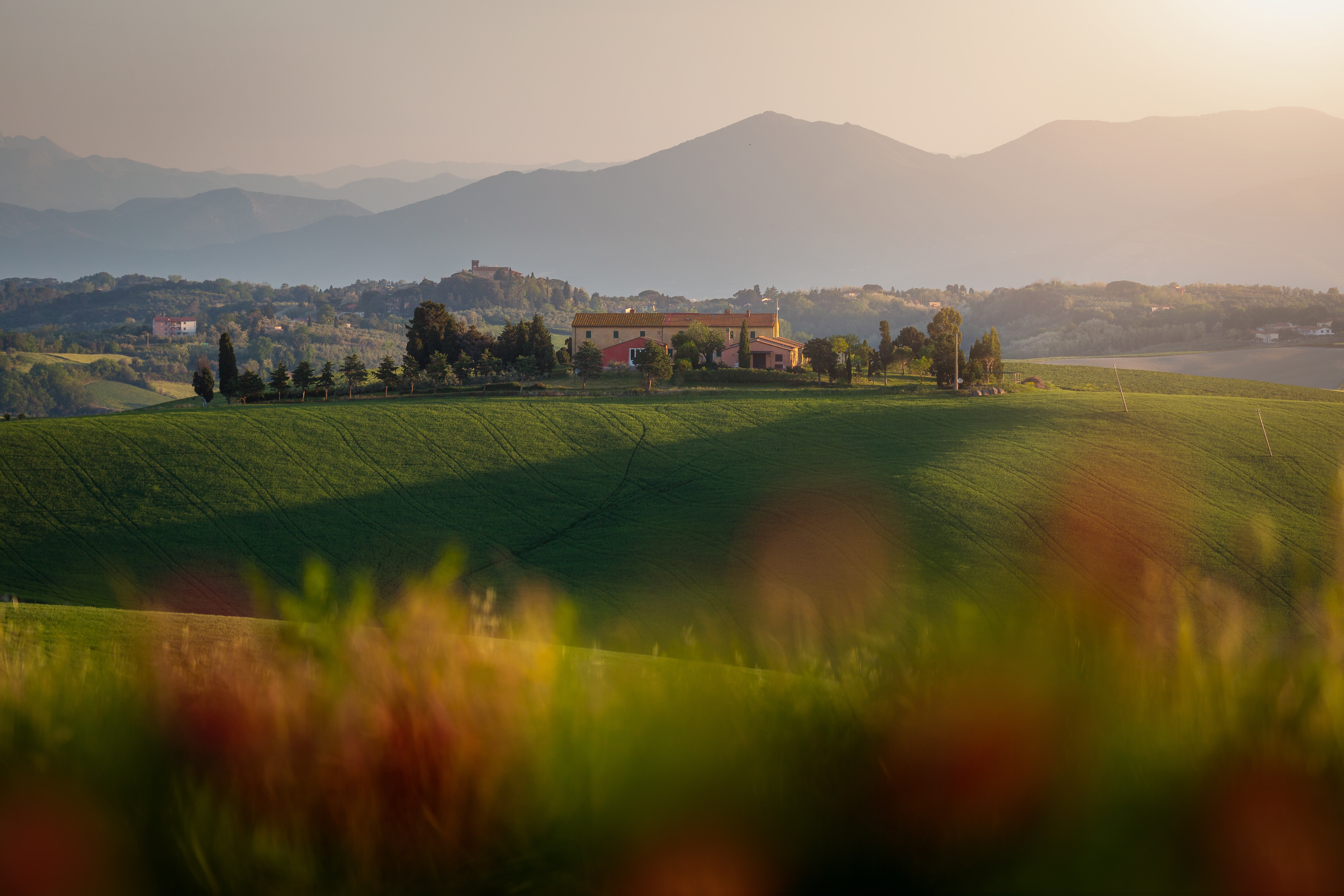
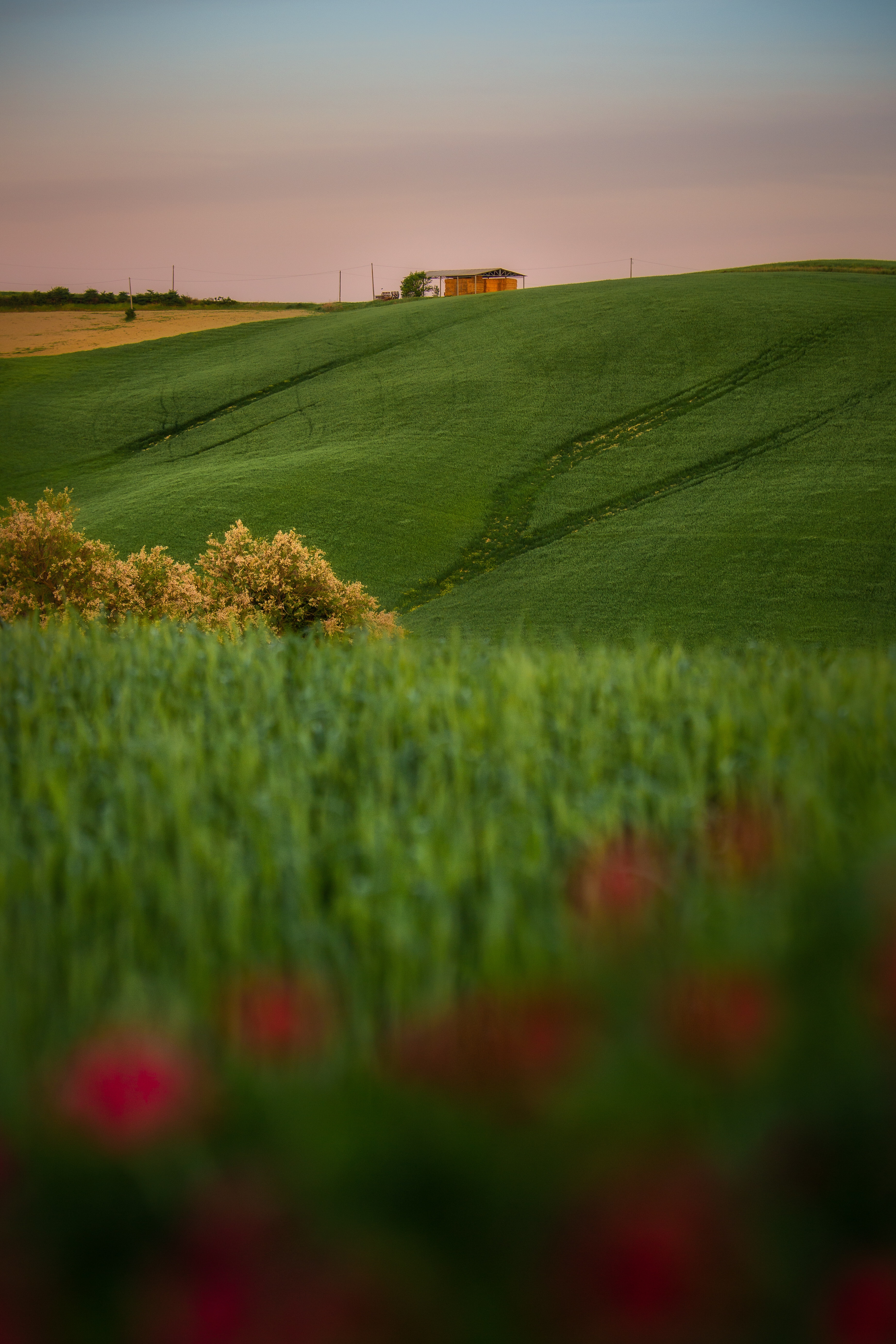
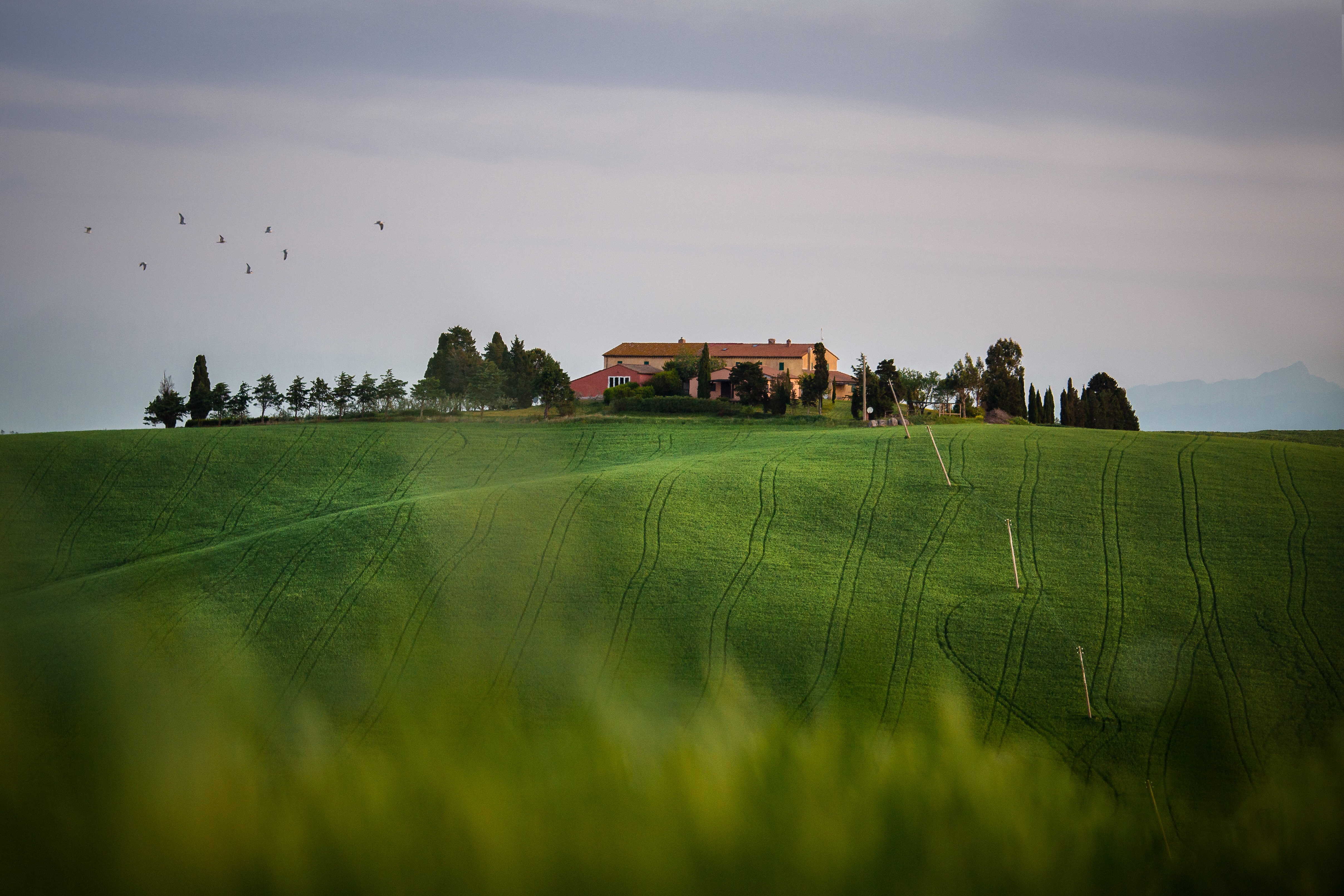
Essendo vicino all’alba, fermarsi in questa terra a scattare alle prime luci del giorno è doveroso, in quanto a primavera inoltrata, i colori della terra sono meravigliosi. Prati e colline verdi, fiori colorati, spighe del grano che ondeggiano al vento a perdita d’occhio. Insomma è sempre semplicemente fantastico.
Questi sono gli scatti più belli di questa breve fuga dalla routine quotidiana. Tre ore di fotografia con cui cercare di descrivere la bellezza della natura qui nella mia amata Toscana. Spero di riuscire a trasmetterci queste emozioni.
When the scent of summer begins to be felt, the desire to go out and shoot at night to photograph the Milky Way is always greater.
The Milky Way is the galaxy to which our solar system belongs, and is visible, photographically speaking, from April to September. On rare occasions, with very little light pollution and in clear and clear air, it is also possible to glimpse it with the naked eye.
To be able to photograph the core from the Milky Way, you need to find a very dark place, with very little light pollution. With a wide-angle lens and long shutter speeds, it is possible to take in the light of the stars and the dust that compose it. The ability to “see” a camera is much higher than the sight of the human eye. To be able to immortalize it in the best possible way, you need a good preparation and a good basis for post-production after the shot.
In this case I was shooting in Orciano Pisano, in the middle of the hills between Pisa and Livorno, where there are few houses, very far from each other, where it is possible to find acceptable weather conditions for this type of photography. Shooting at the end of April, the Milky Way is visible just before dawn. Then, wake up at 3:00 in the morning and go.
Being close to dawn, stopping in this land to shoot at the first light of day is a must, as in late spring, the colors of the earth are wonderful. Green meadows and hills, colorful flowers, ears of wheat that sway in the wind as far as the eye can see. In short, it is always simply fantastic.
These are the best shots of this short escape from the daily grind. Three hours of photography with which to try to describe the beauty of nature here in my beloved Tuscany. I hope to be able to convey these emotions to us.

 NICO ANGELI Photography