



Descriverò poco questa uscita. Le parole fanno fatica ad uscire stamani.
Sant’Anna di Stazzema è un posto che non ha certo bisogno di presentazioni. In questo piccolissimo paese si è consumato uno degli eventi più tragici della nostra storia. Il 12 agosto 1944, tre compagnie delle SS dell’esercito nazista sterminarono a sangue freddo 560 persone, uomini, donne e bambini, in solo poche ore.
Sono le 5 del mattino. Sono già a Sant’Anna, perché il sole sorge molto presto in questo periodo. Appena sceso di macchina, il silenzio mi avvolge. Ogni rumore, ogni passo che faccio, ogni respiro, sembra affogare nel vuoto. I pensieri mi incatenano le parole, che si annodano in gola. Vedere questo posto così deserto, così taciturno, mi catapulta indietro nel tempo, come se fossi appena tornato a casa, il giorno dopo la strage. E’ una sensazione veramente strana ed intensa.
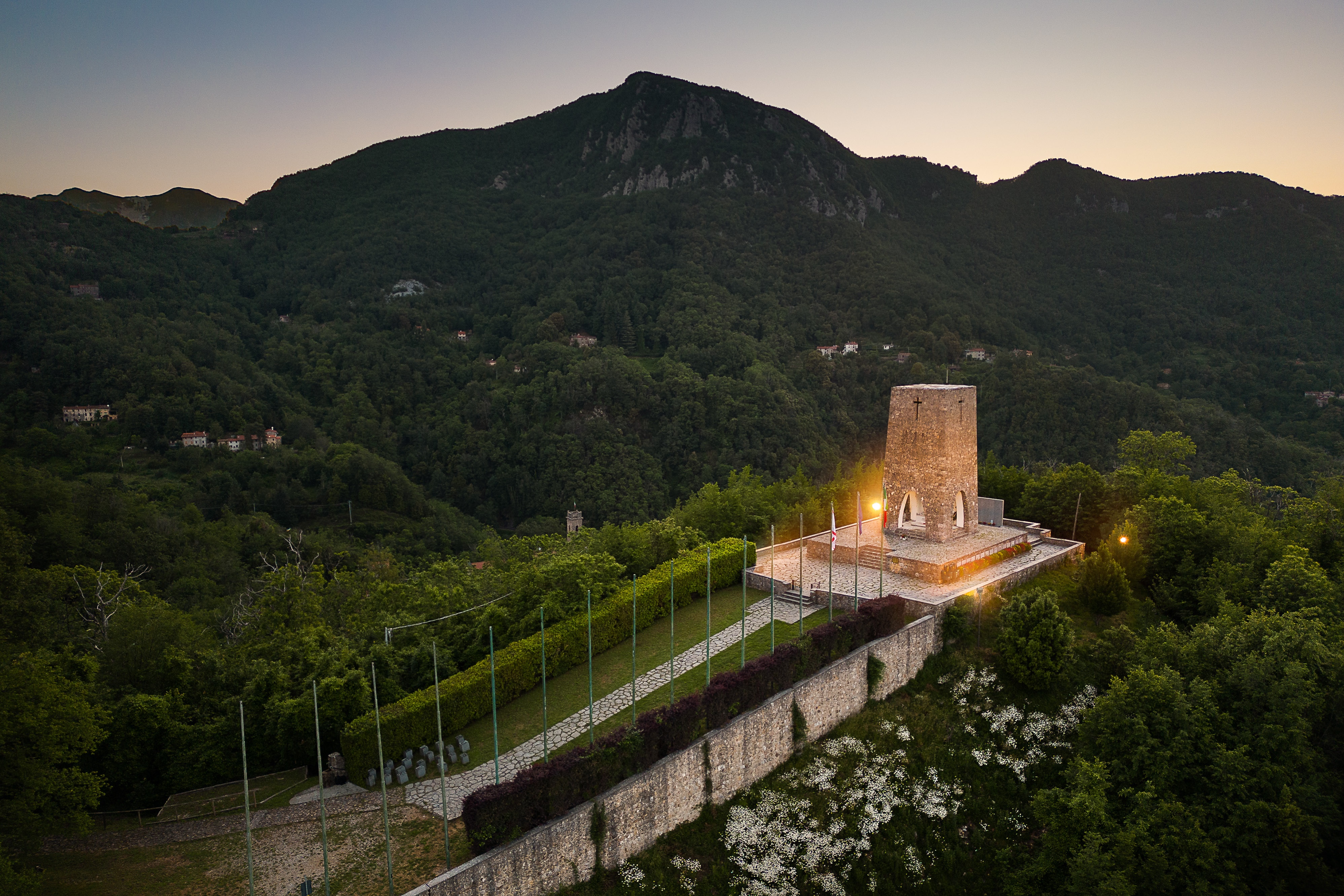
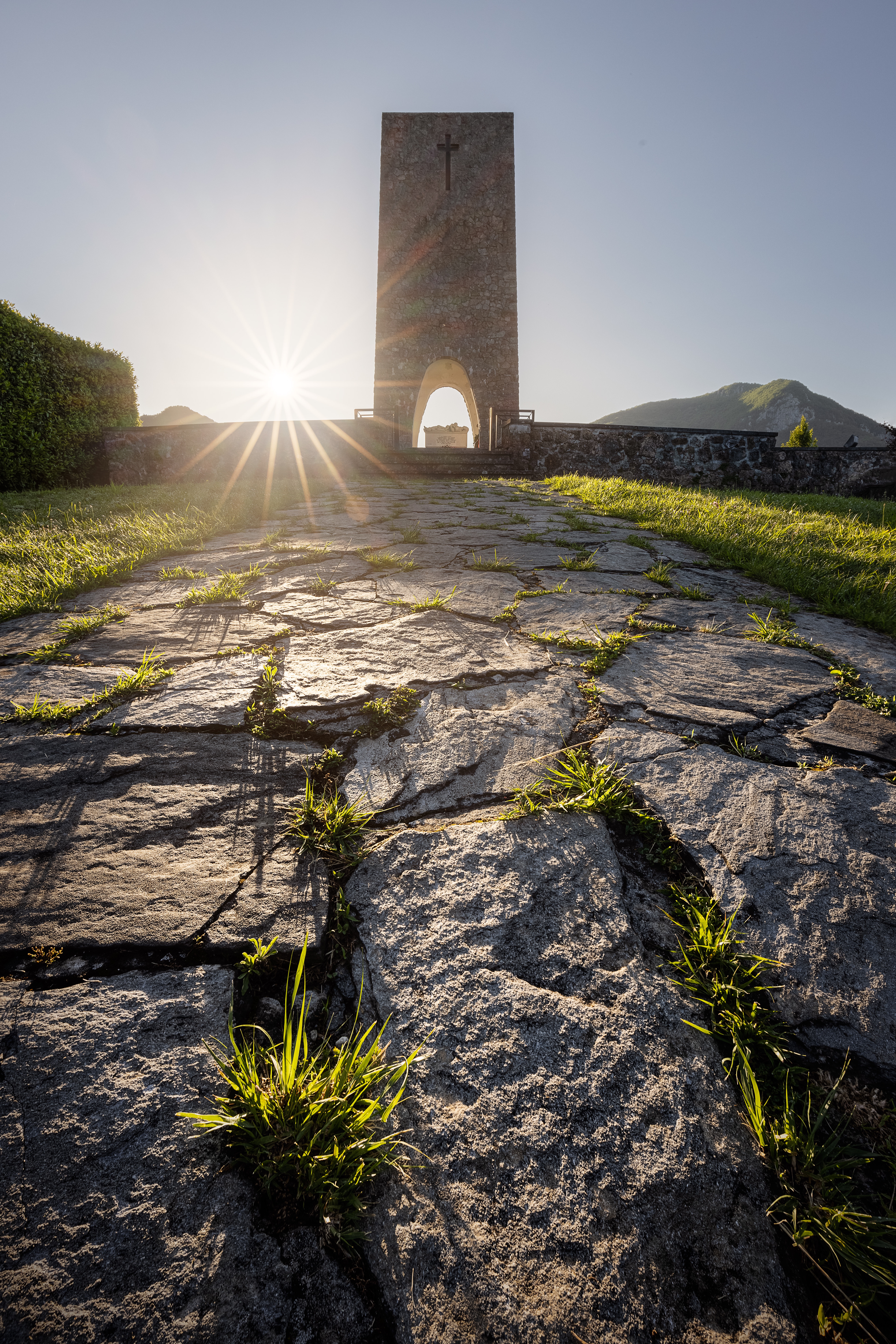
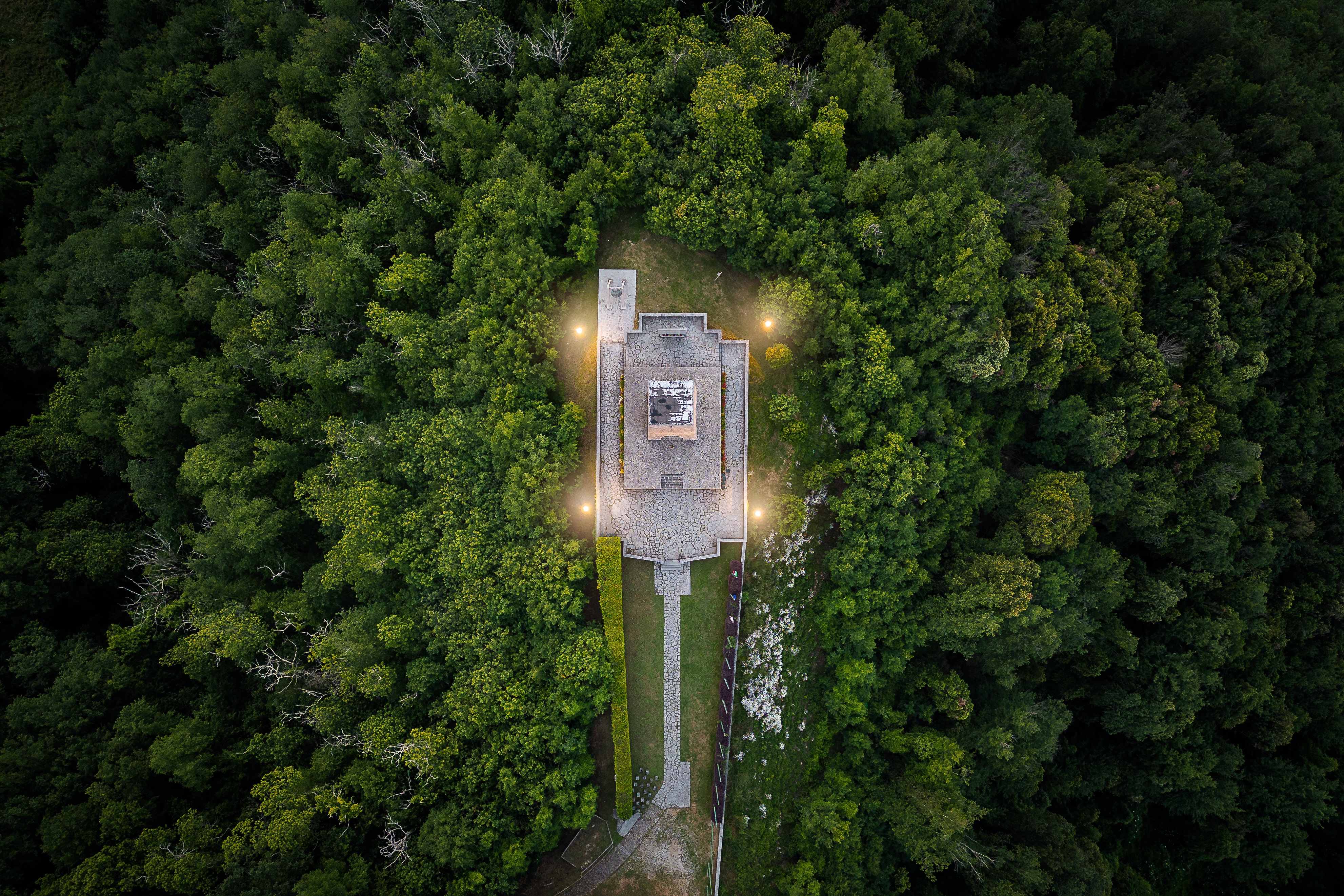
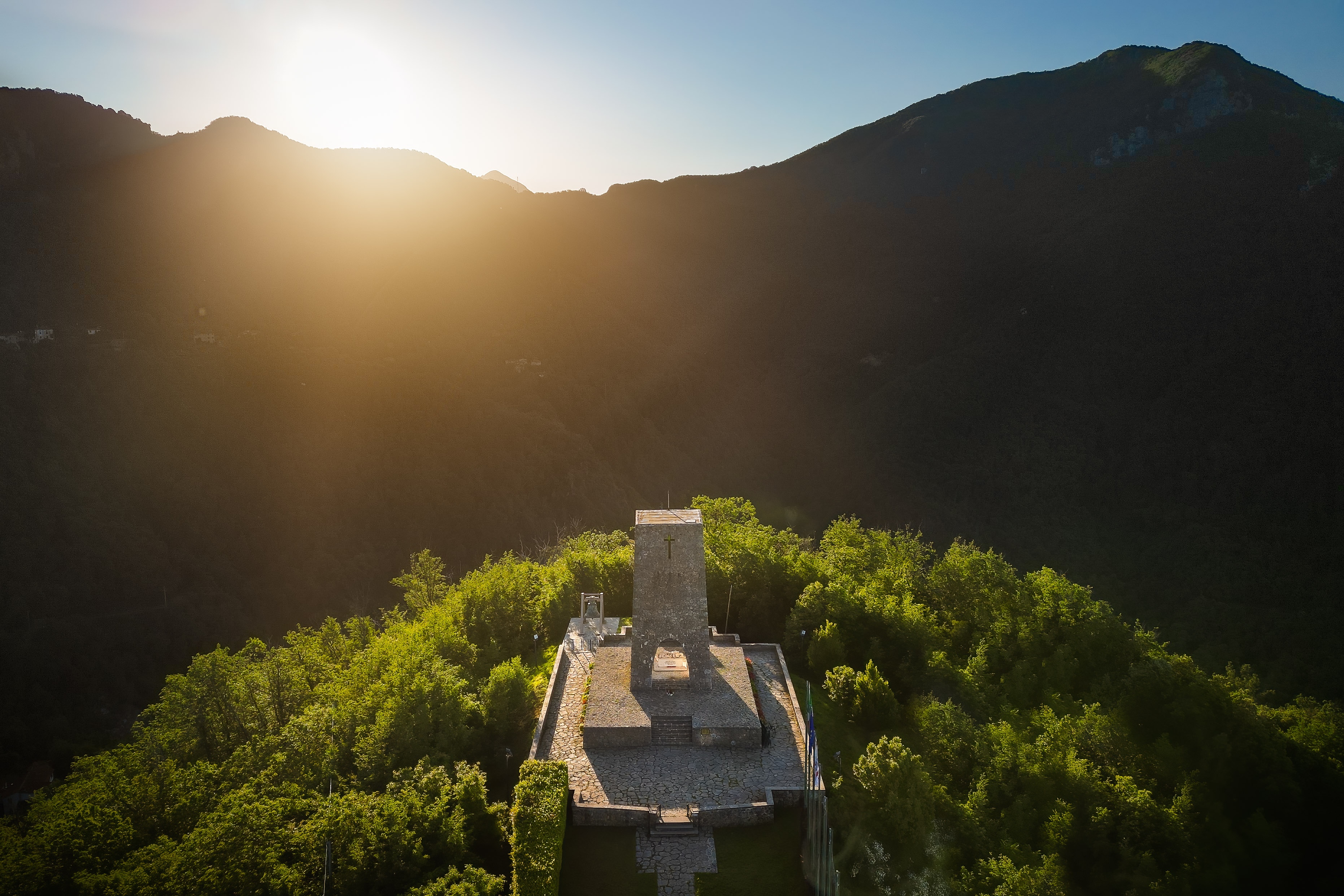
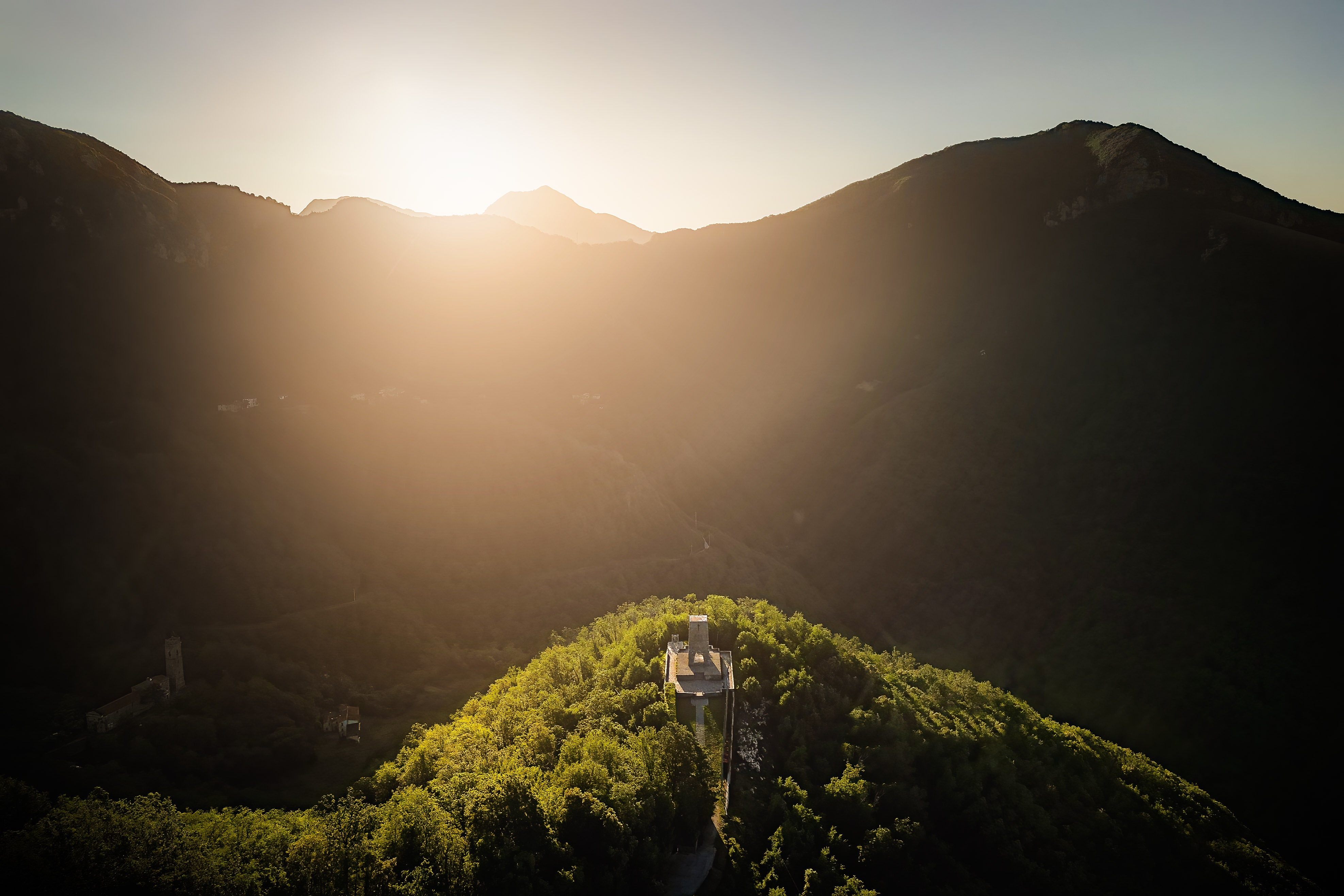
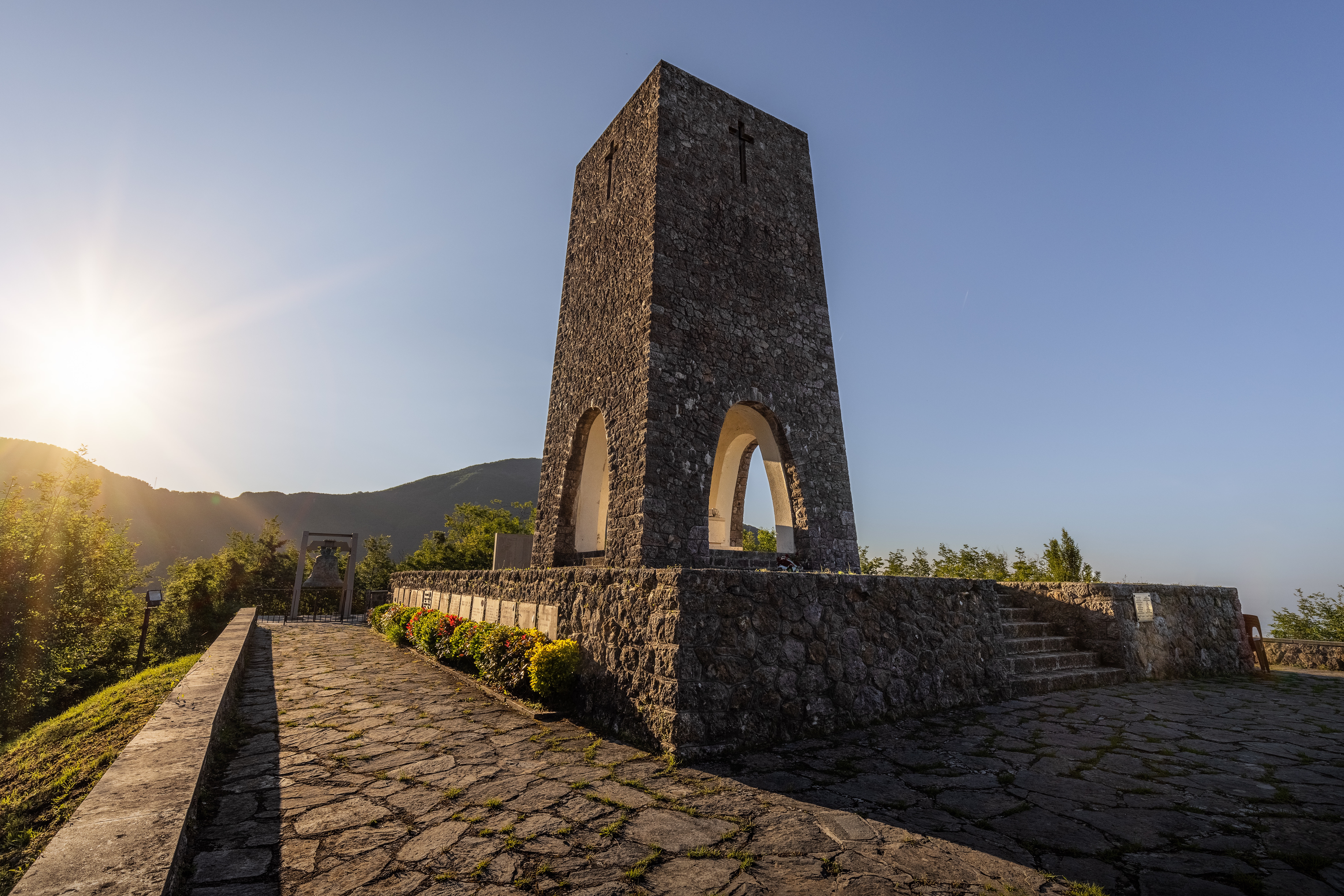
Salgo il sentiero sassoso che porta al Sacrario. Sculture in bronzo raffiguranti l’eccidio, si alternano in una sorta di Via Crucis, fino al monumento. Arrivato in cima, ancora silenzio. L’altare è illuminato da fari arancioni che lo isolano dal contesto della vallata verde scuro. Il contrato dei colori è notevole. Il sole è sempre dietro ai monti, ma sta lentamente salendo. Si vedono i primi raggi che colorano il litorale della Versilia. Faccio un po’ di foto e qualche ripresa video. Mi sento abbastanza turbato ed inquieto.
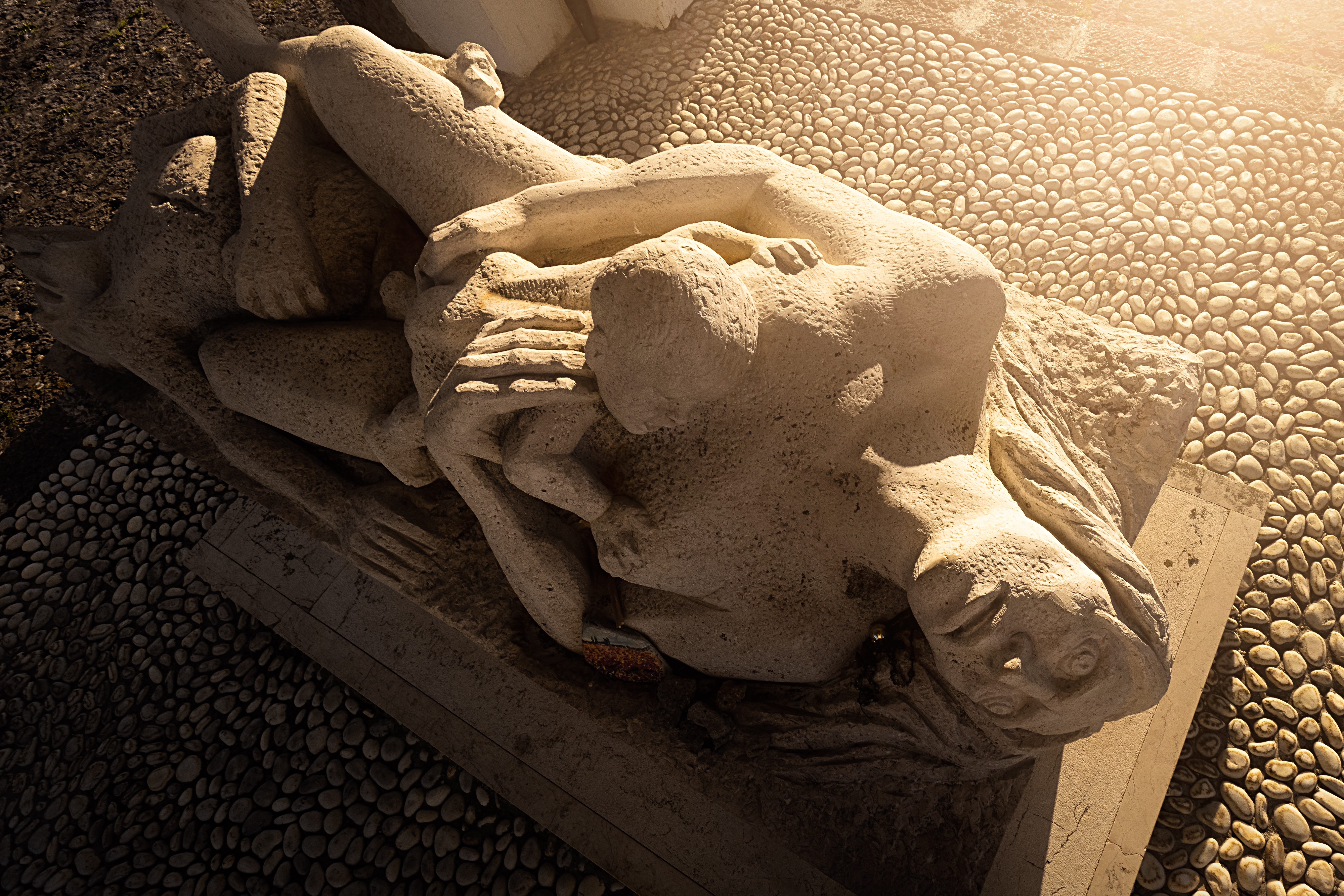
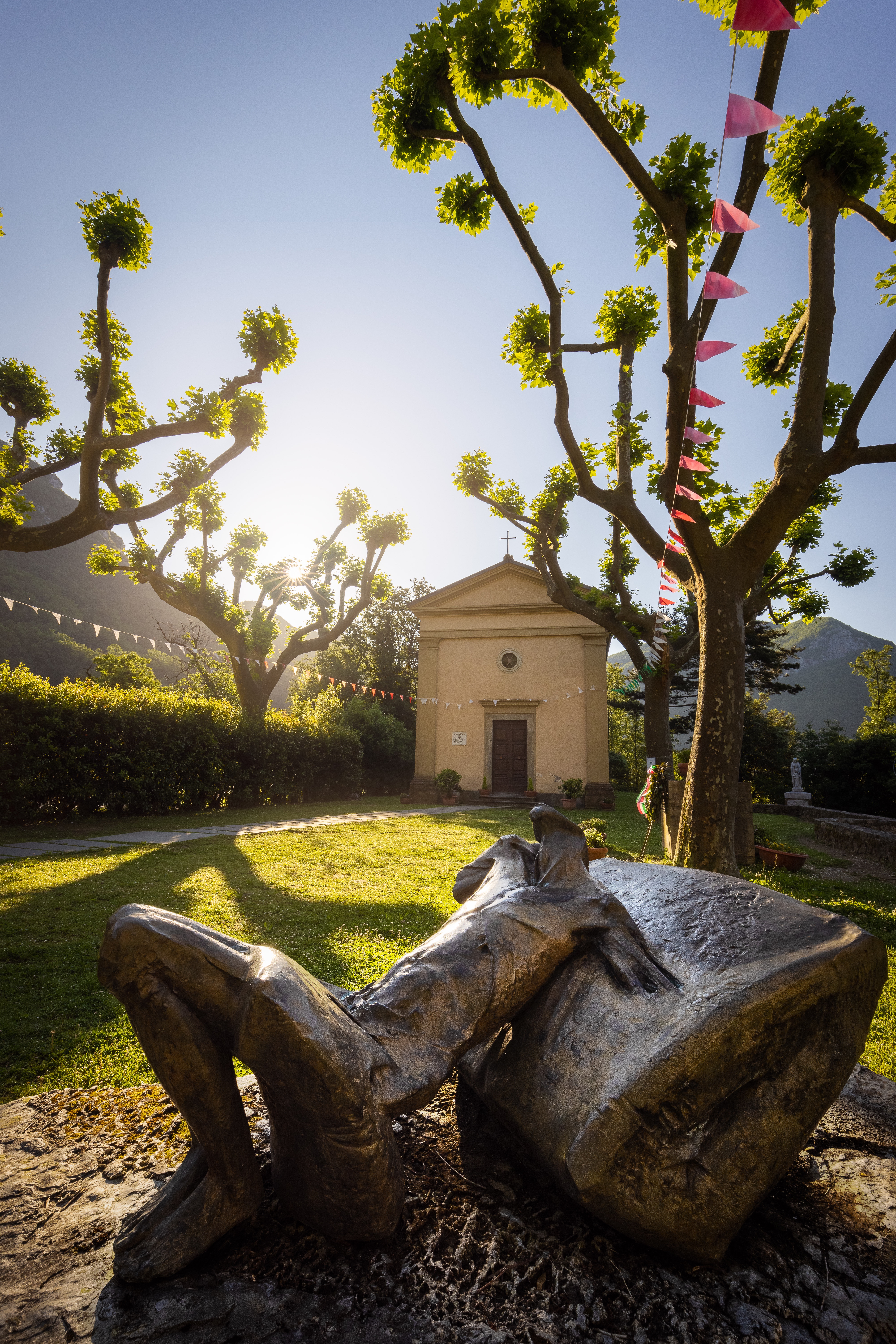
Quando il sole fa capolino dai monti, tutta la potenza e la forza di questo luogo si manifesta. E’ possente, allo tempo tempo fragile. Mi sento piccolo e solo. Una lacrima scende piano lungo la guancia destra, e cade a terra. Faccio a fatica gli ultimi scatti, e torno giù alla piazzetta di fronte alla Chiesa. Un Cristo in bronzo giace a terra, in un luogo che ha visto fin troppo dolore.
Osservo un’ultima volta, prima di tornare a casa. Non esiste una risposta al perché l’essere umano sia capace di odiare sé stesso fino a questo punto. Distruggerci è probabilmente parte della nostra natura.
Possa la luce del sole, che sorge ogni mattina, tenere acceso il ricordo e la speranza di questo posto, di questa gente, e di tutta questa follia.
I’ll be quick to describe this day. Words struggle to get out this morning.
Sant’Anna di Stazzema is a place that certainly needs no introduction. In this tiny town one of the most tragic events in our history took place. On August 12, 1944, three SS companies of the Nazi army slaughtered 560 men, women and children in just a few hours.
It’s 5 in the morning. I’m already in Sant’Anna, because the sun rises very early today. As soon as I get out of the car, silence envelops me. Every noise, every step I take, every breath, seems to drown in emptiness. Thoughts chain my words, I’ve a knot in my throat. Seeing this place so deserted, so taciturn, catapults me back in time, as if I had just returned home, the day after the massacre. It’s a really strange and intense feeling.
I climb the stony path that leads to the Shrine. Bronze sculptures depicting the massacre alternate in a sort of Via Crucis, up to the monument. Arrived at the top, still silence. The altar is illuminated by orange spotlights which isolate it from the context of the dark green valley. The color contrast is remarkable. The sun is always behind the mountains, but it is slowly rising. You can see the first rays that color the coast of Versilia. I take some photos and some video footage. I feel quite disturbed and restless.
When the sun peeks out from the mountains, all the power and strength of this place is manifested. It is powerful, yet fragile at the same time. I feel small and alone. A tear rolls down her right cheek and falls to the floor. I take the last shots with difficulty, and I go back down to the square in front of the Church. A bronze Christ lies on the ground, in a place he has seen far too much pain.
I look one last time, before returning home. There is no answer to why human beings are capable of hating themselves to this extent. To destroy ourselves is probably part of our nature.
May the light of the sun, which rises every morning, keep alive the memory and hope of this place, of these people, and of all this madness.

 NICO ANGELI Photography