





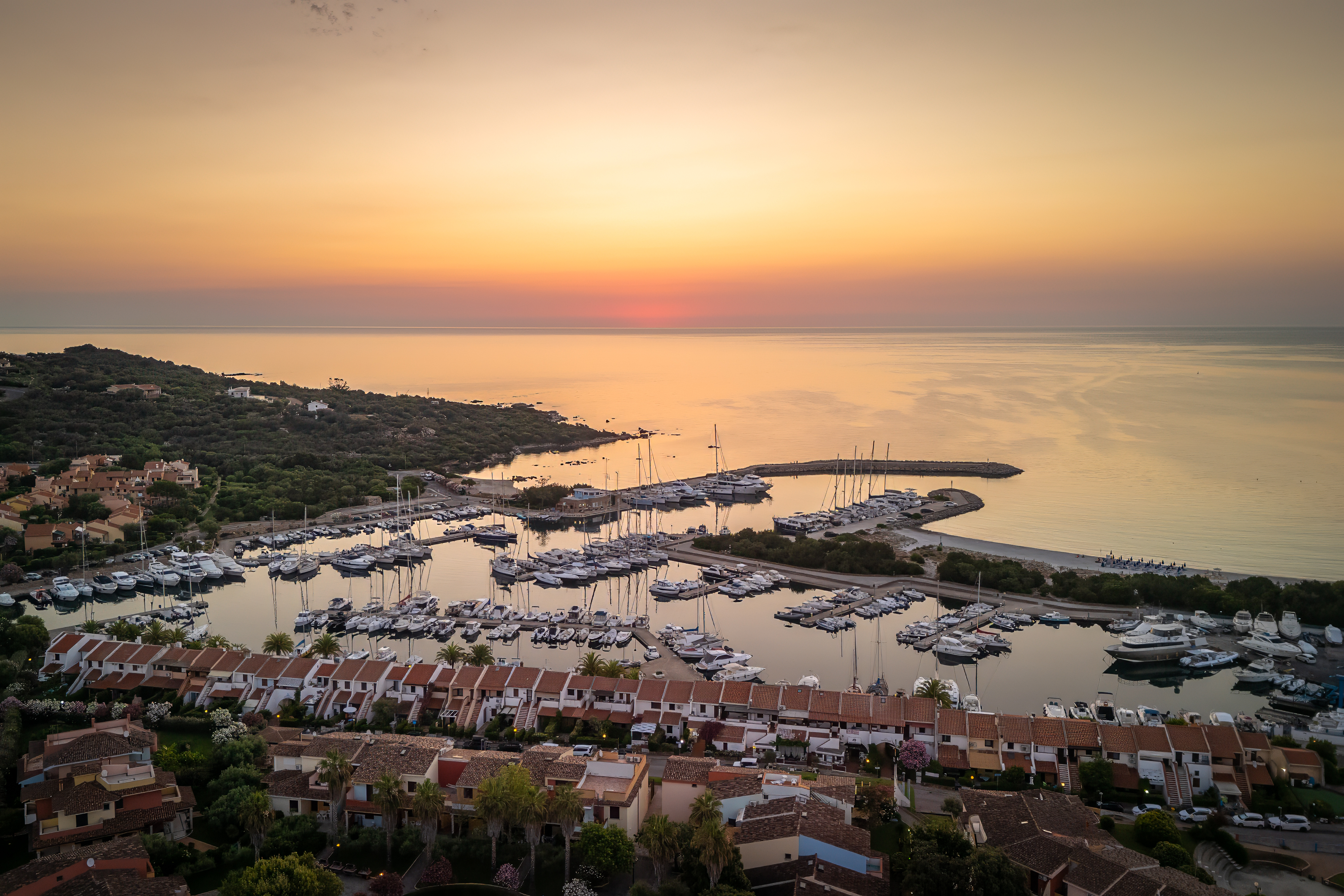






Una vacanza in famiglia è spesso sinonimo di relax e ritmi lenti. Ma per chi, come me, vive con la fotocamera al collo e un drone nello zaino, l’alba diventa un richiamo irresistibile, specialmente quando ci si trova di fronte a uno scenario potente come la costa orientale della Sardegna. Quest’estate, la nostra base a Porto Ottiolu per una settimana di luglio è diventata il trampolino di lancio per una serie di esplorazioni mattutine che hanno nutrito l’anima e riempito le schede SD.
Lasciare il letto prima che il sole si alzi, quando l’aria è ancora fresca e il buio regna, è un atto di fede che ogni fotografo d’alba conosce bene. L’attesa, silenziosa e carica di aspettativa, è metà dell’emozione. Sulla costa est sarda, questa attesa si è trasformata ogni giorno in una promessa mantenuta: l’orizzonte si infiammava con una drammaticità sempre nuova, proiettando una luce che non è solo visibile, ma palpabile.
Dalla Silhouette Majestica al Faro Solitario
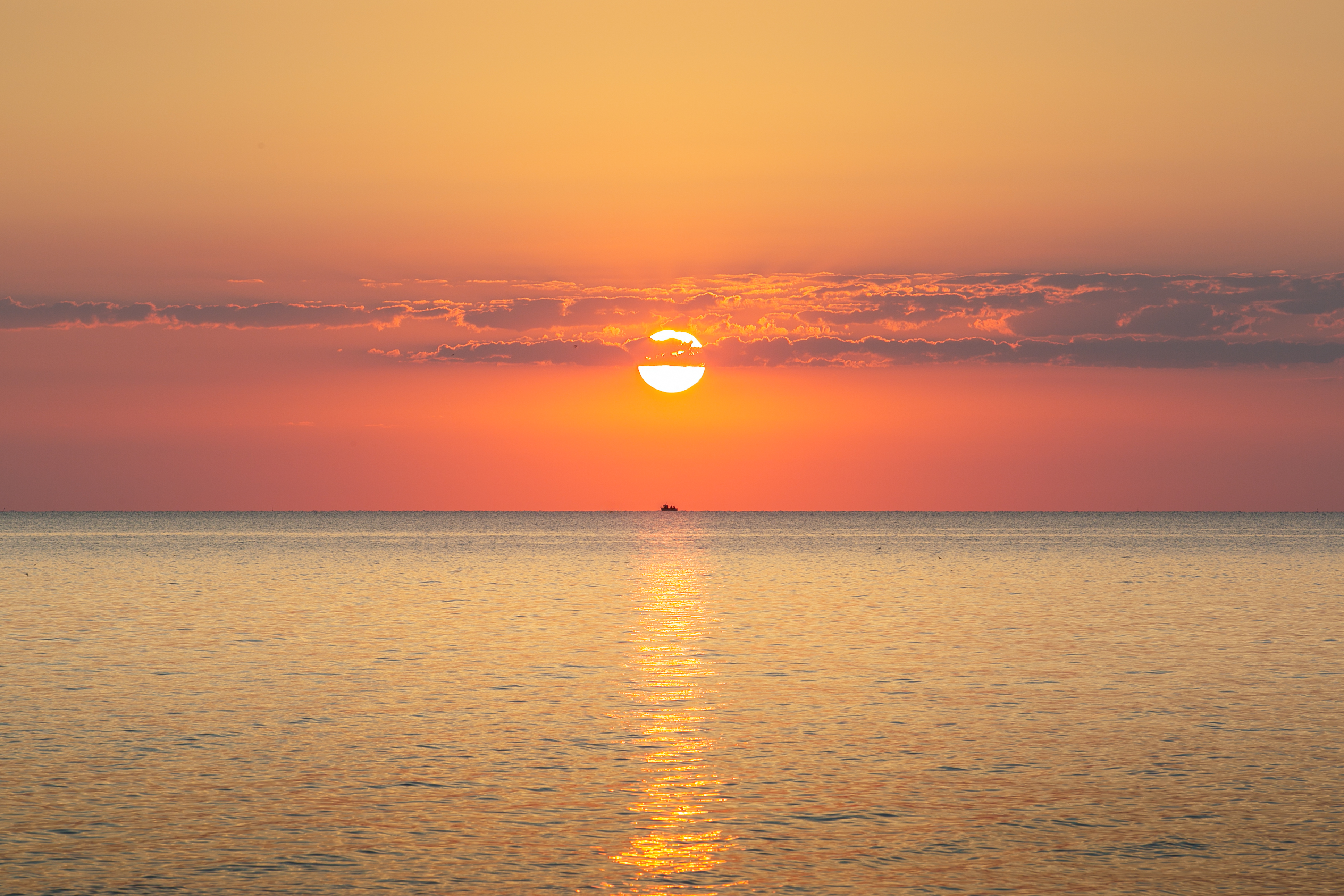
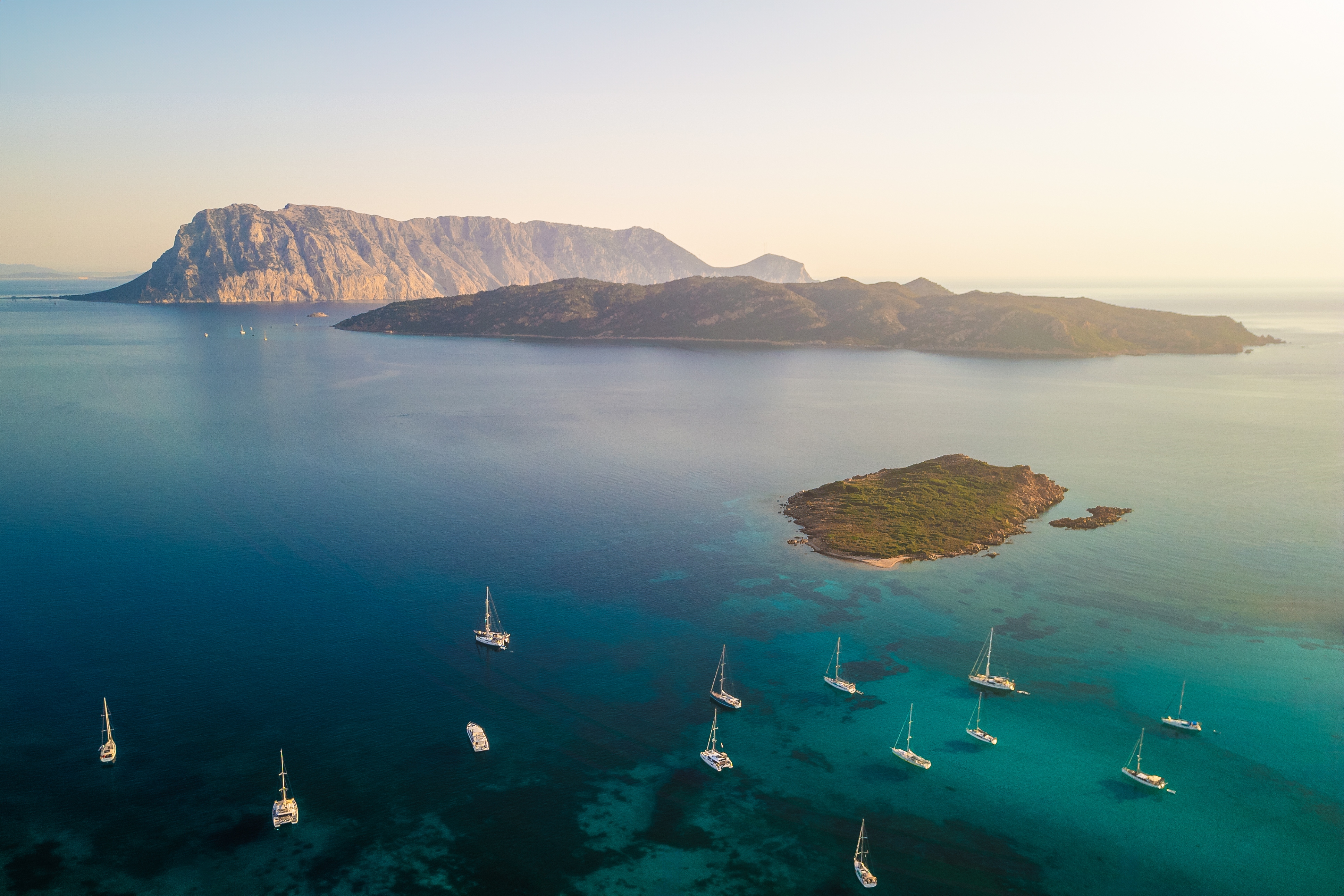
Una delle visioni più iconiche è stata senza dubbio l’Isola di Tavolara. Vista dalla costa, la sua mole imponente si staglia come un gigante addormentato. Nelle prime ore, la silhouette netta e scura contro il cielo arancione e rosa ha offerto una lezione di composizione naturale, permettendomi di catturare la grandezza del paesaggio con una semplicità quasi astratta.
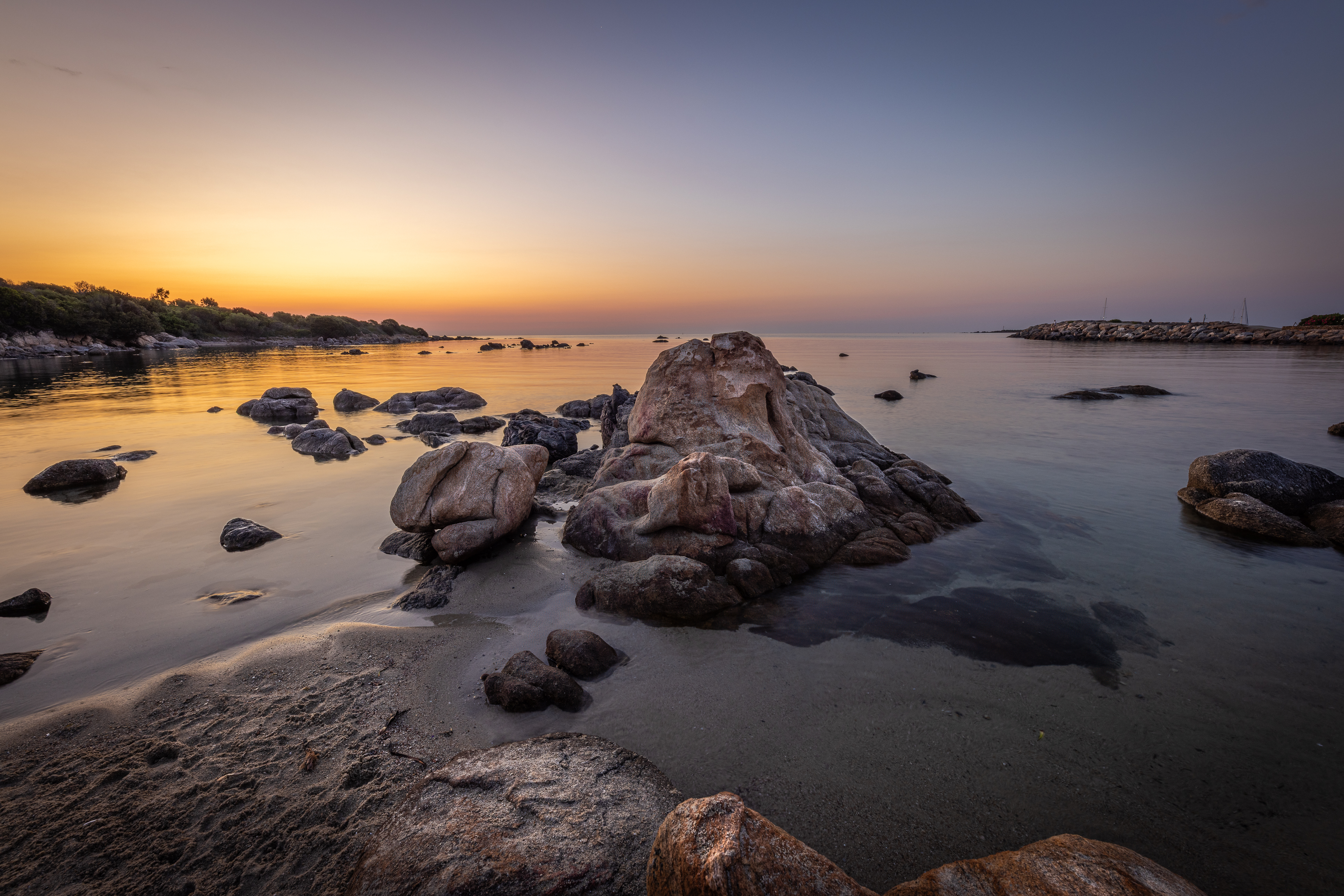
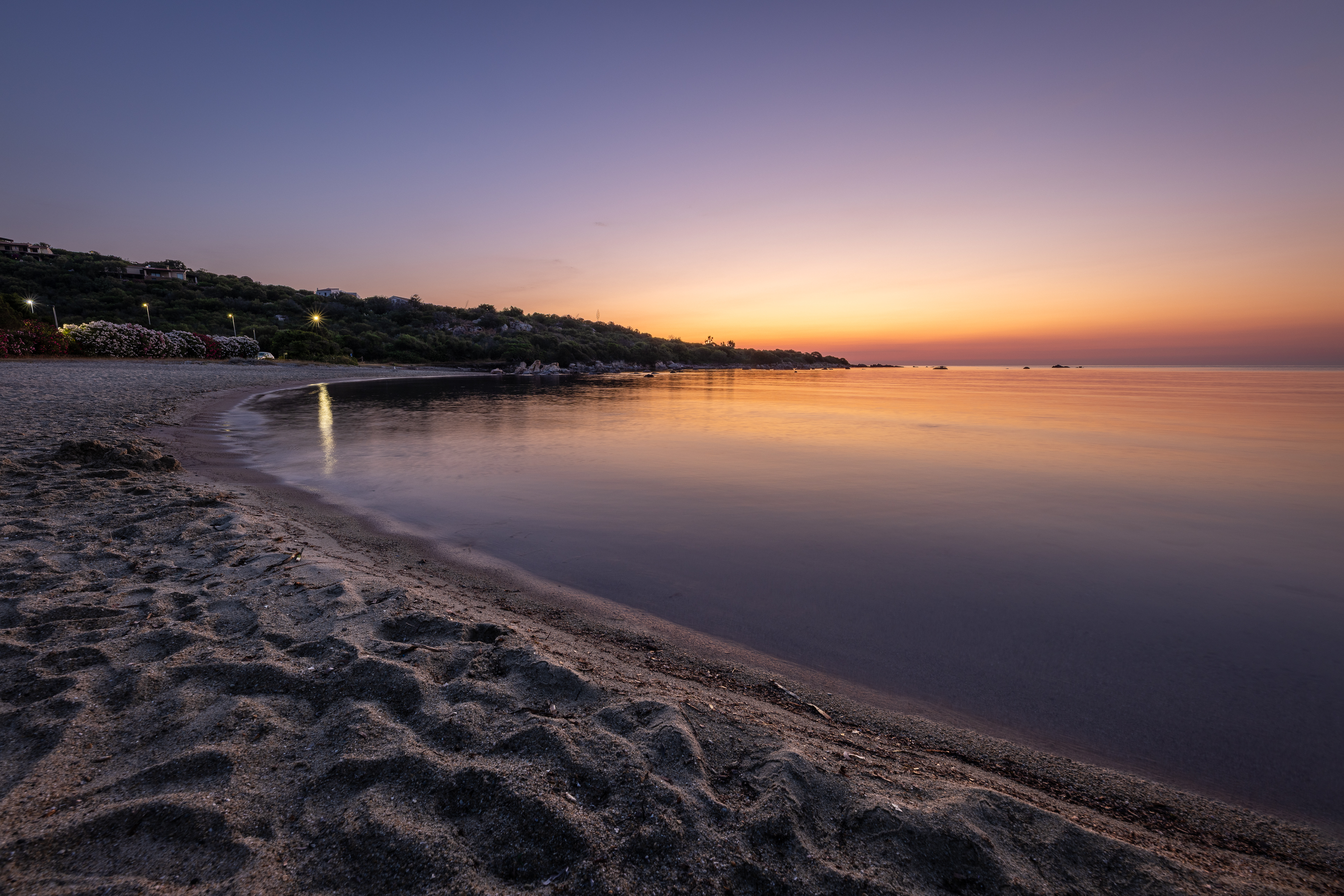
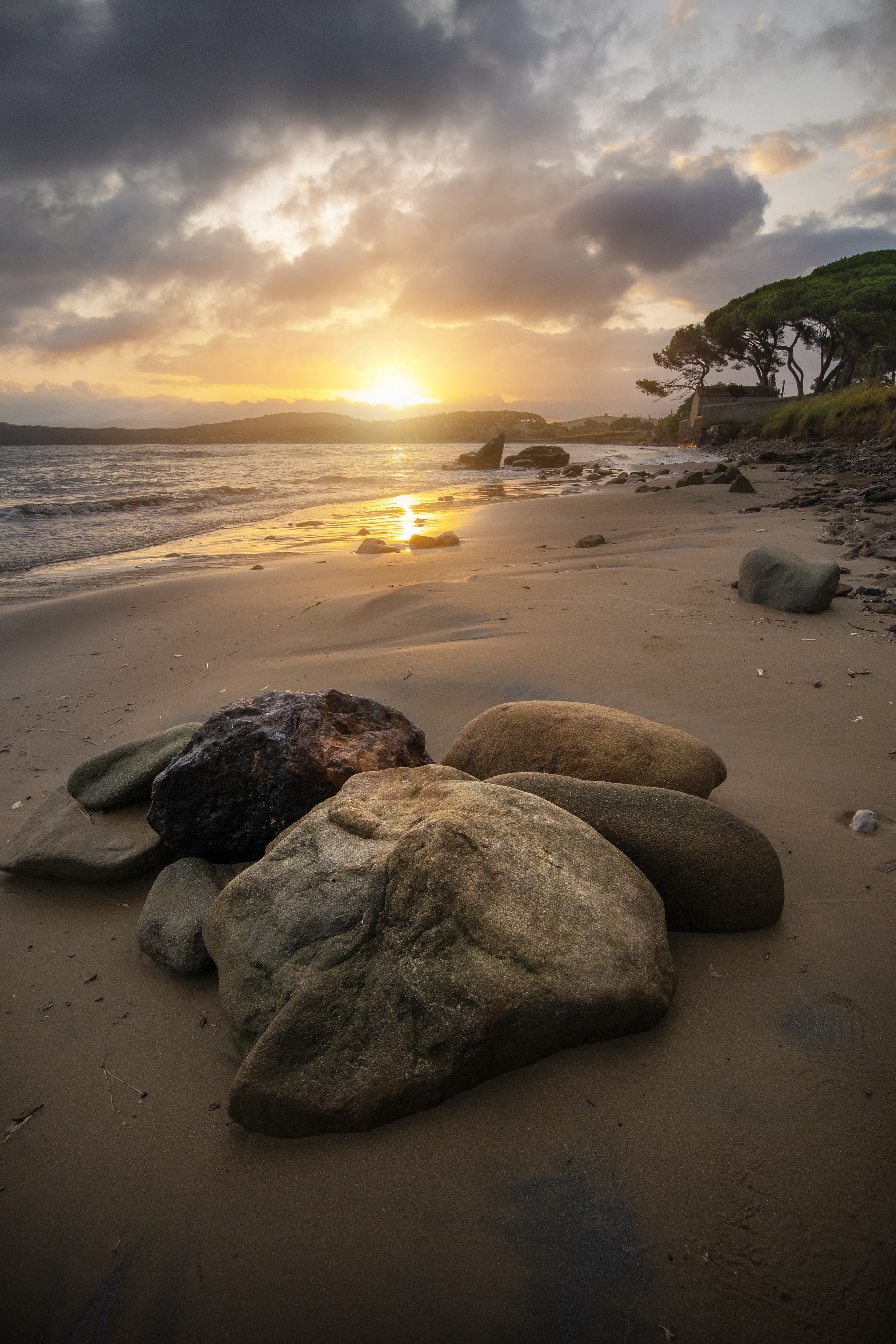
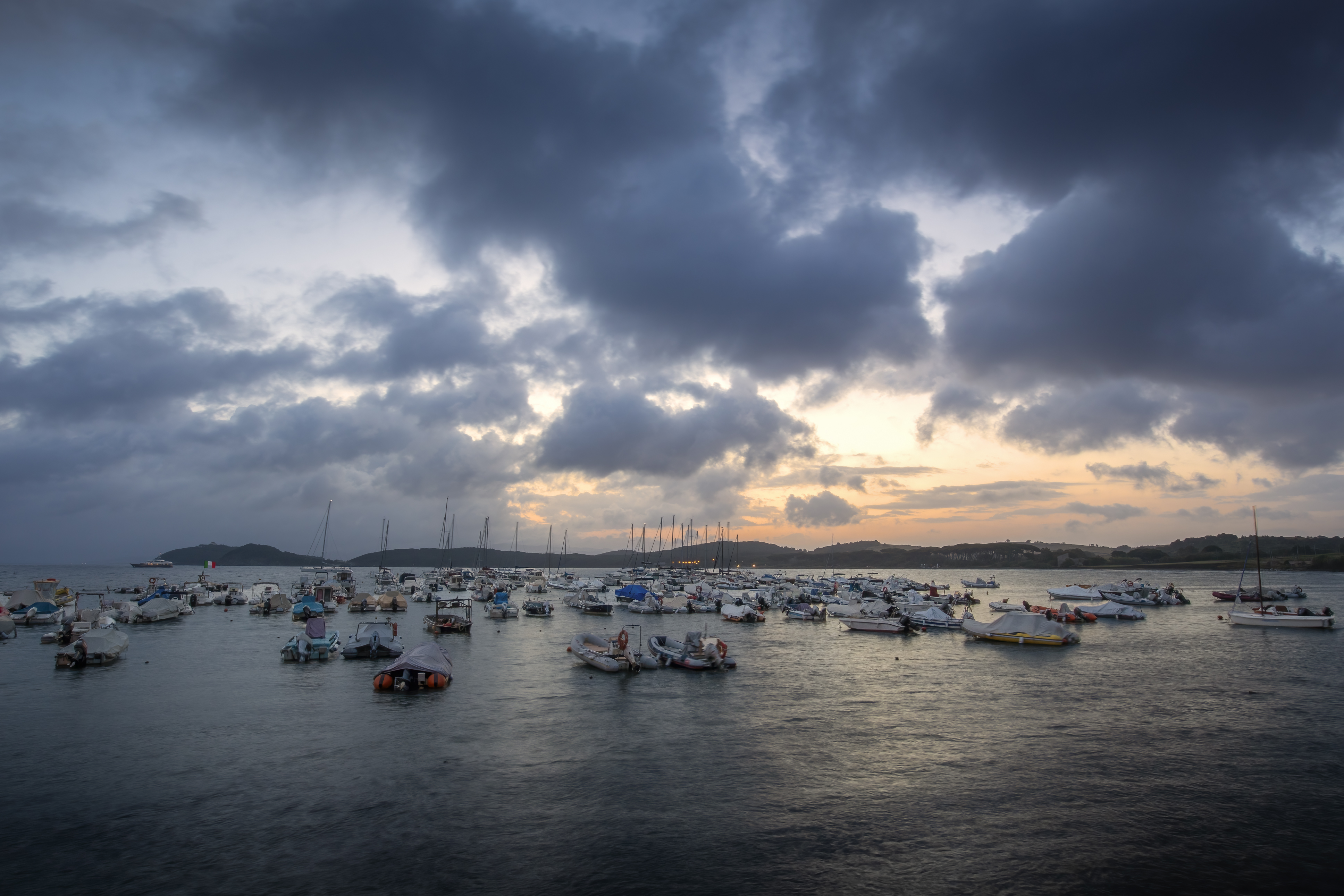
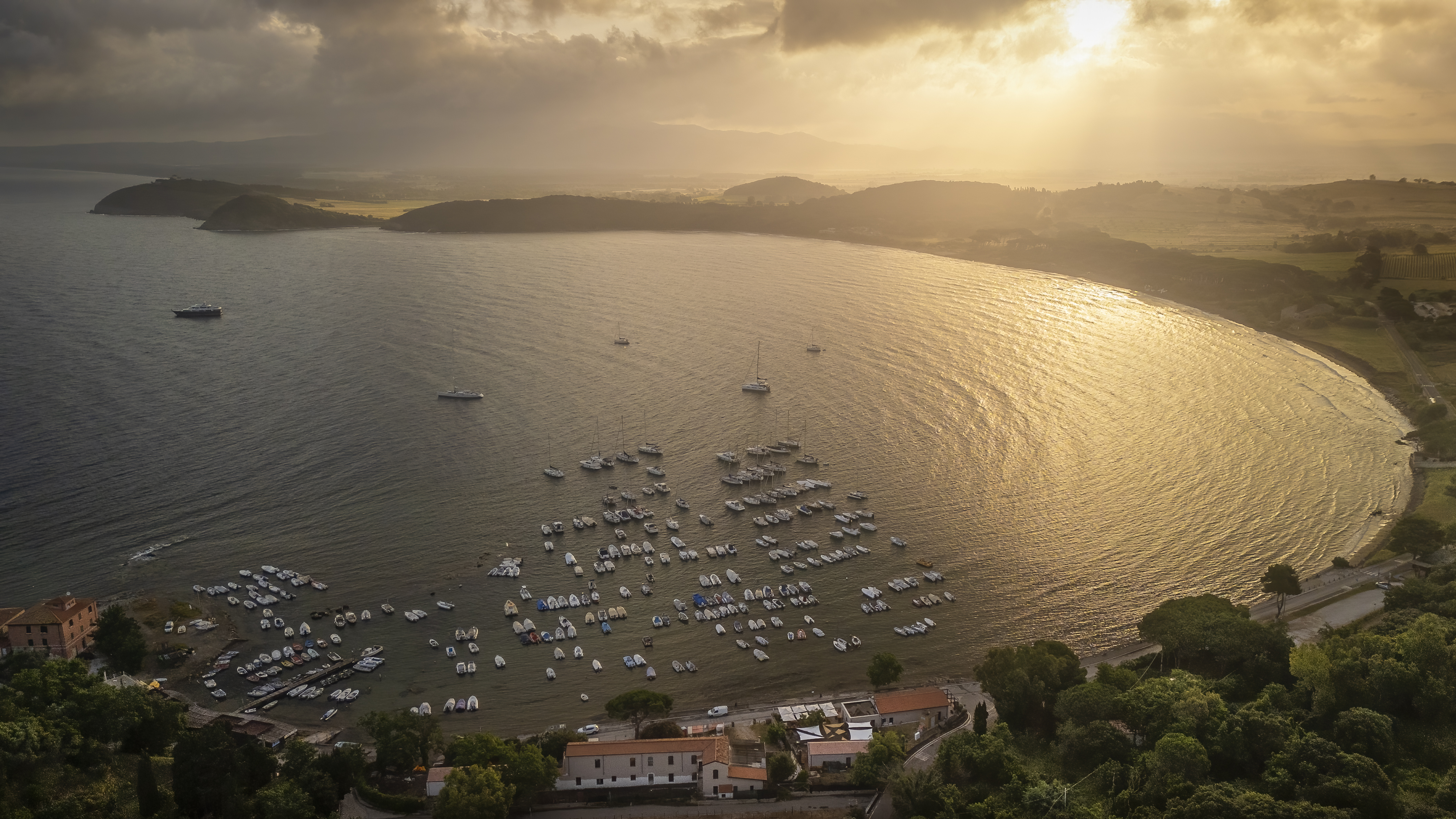
A San Teodoro, invece, ho cercato l’interazione tra terra e mare, concentrandomi sui riflessi delle prime luci sulle acque calme, dove il drone ha potuto rivelare texture e sfumature dall’alto, impossibili da percepire a livello del suolo.
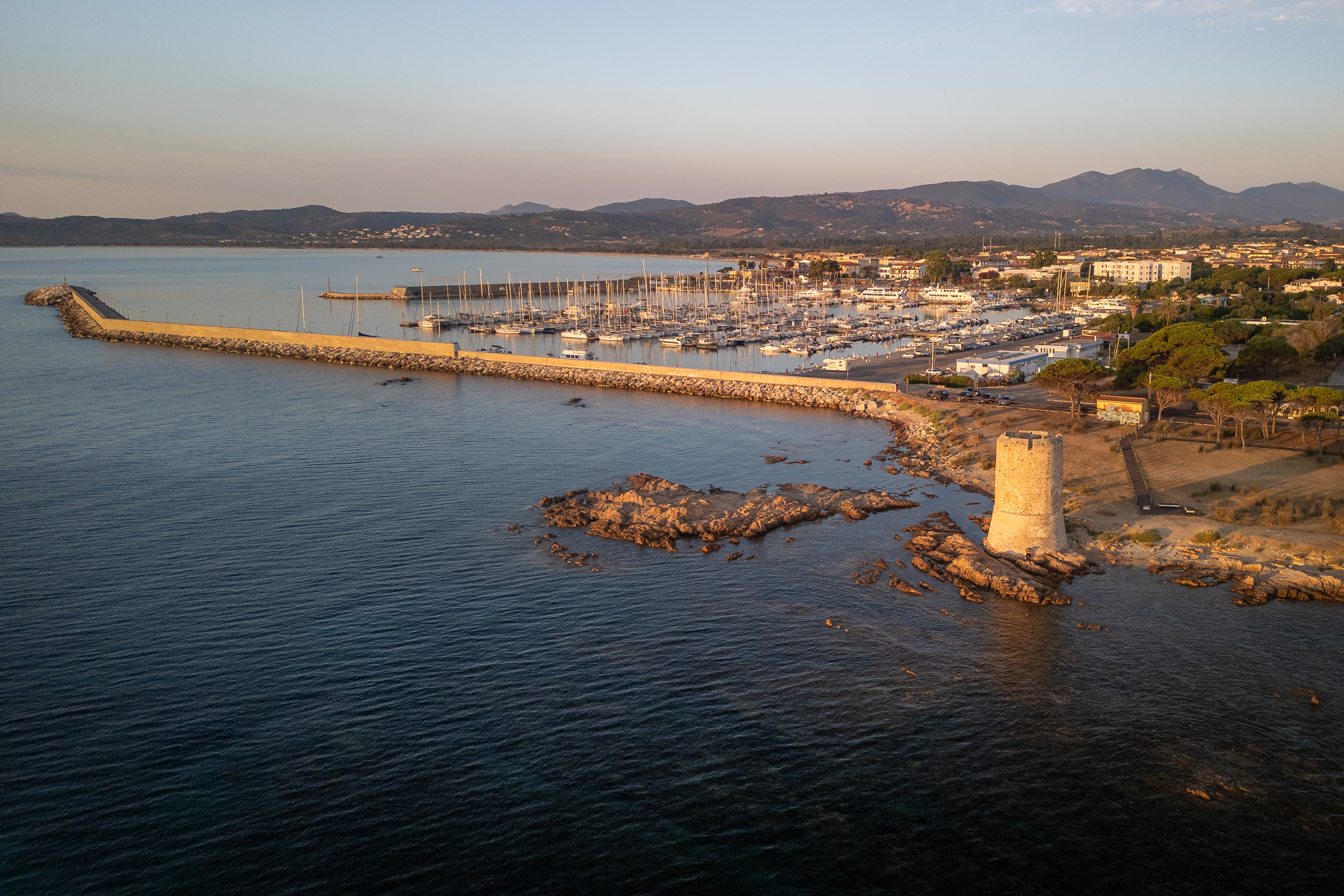
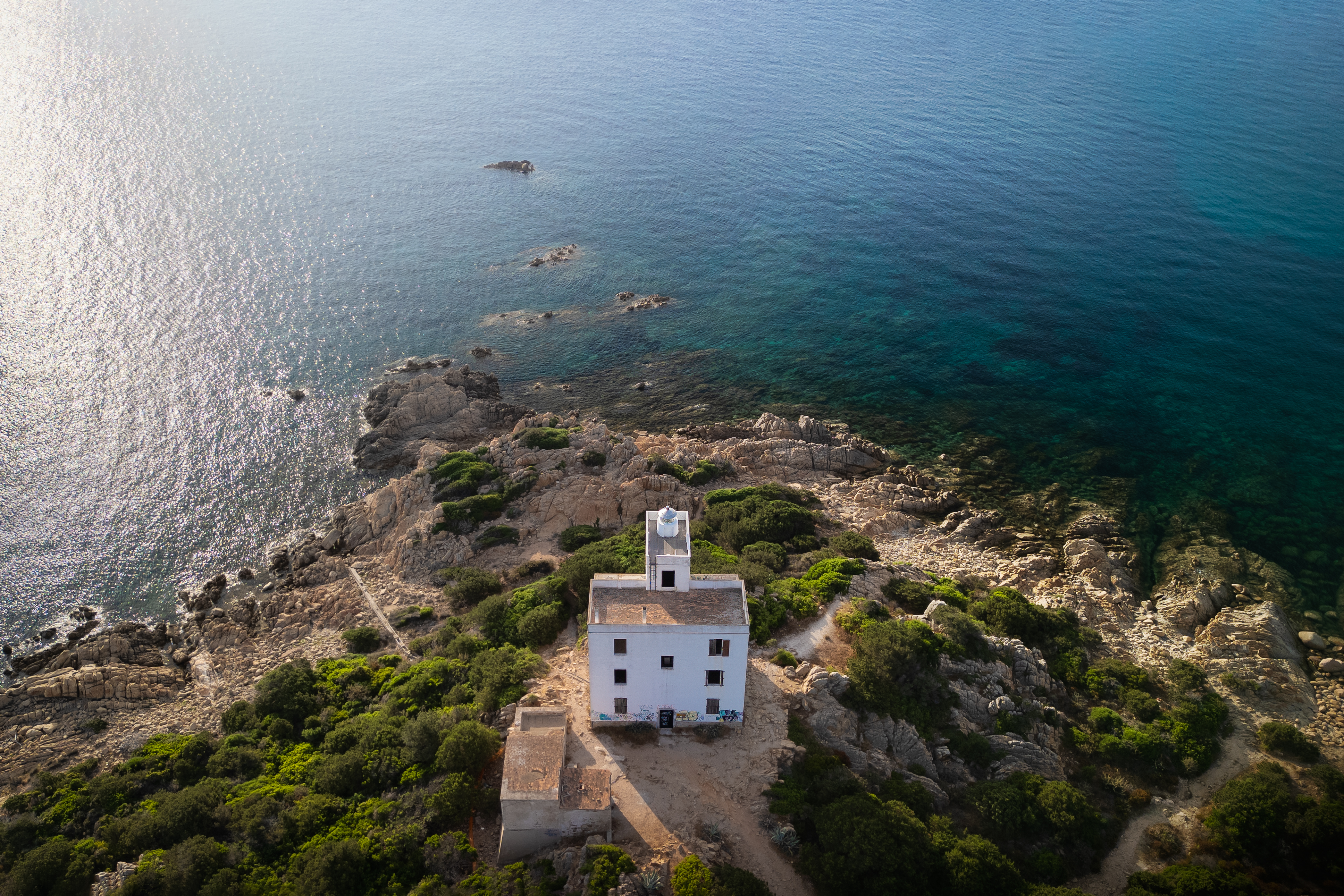
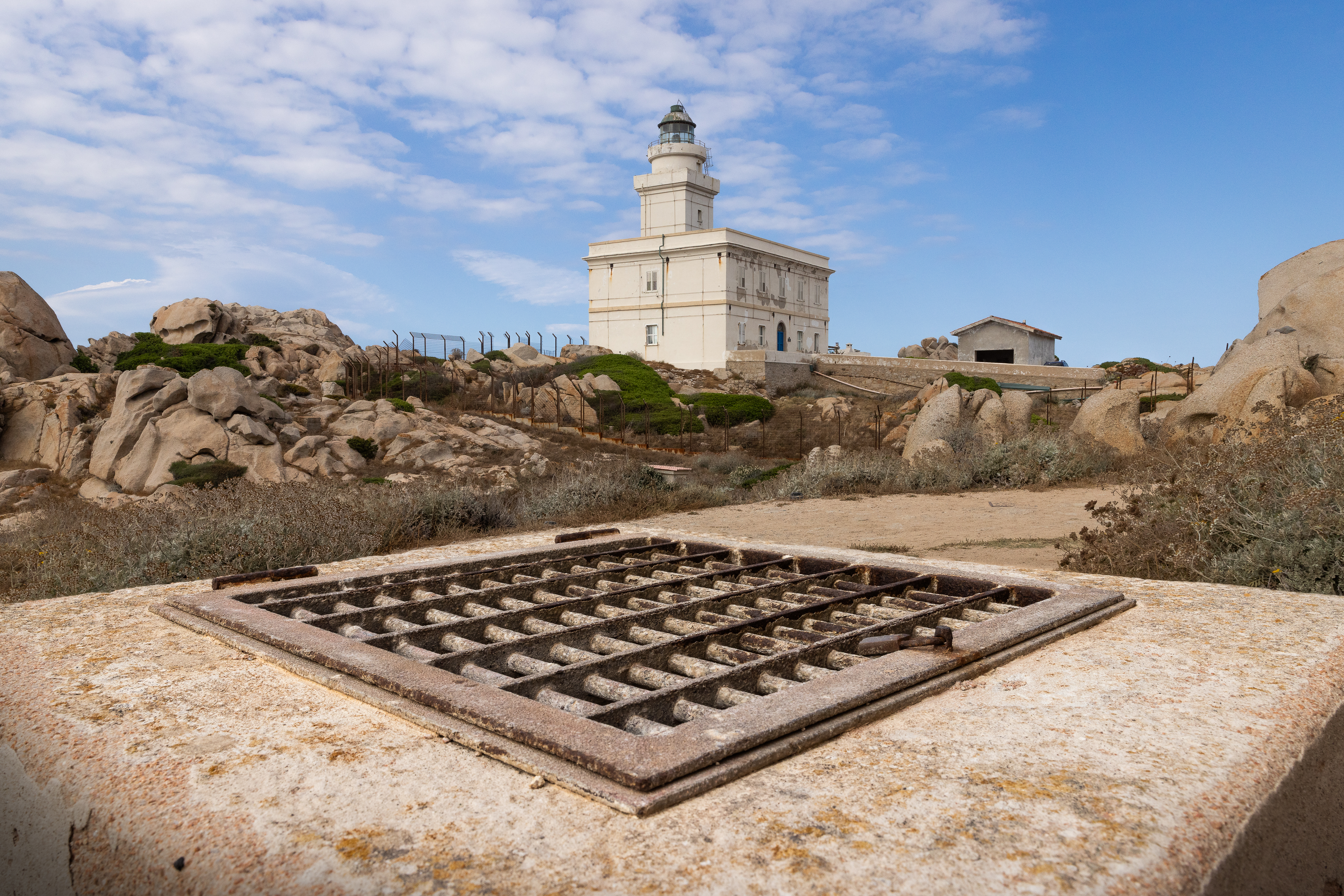
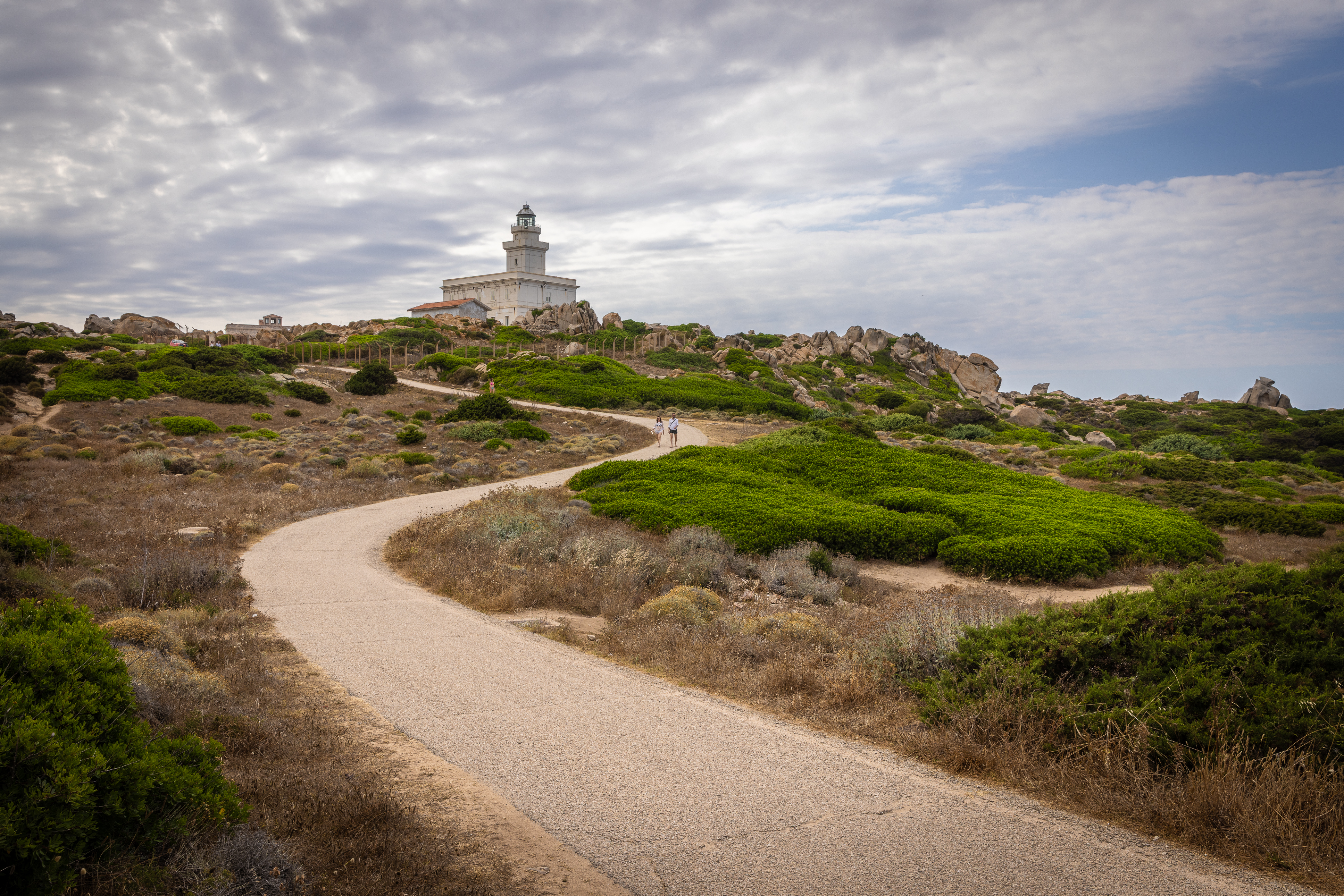
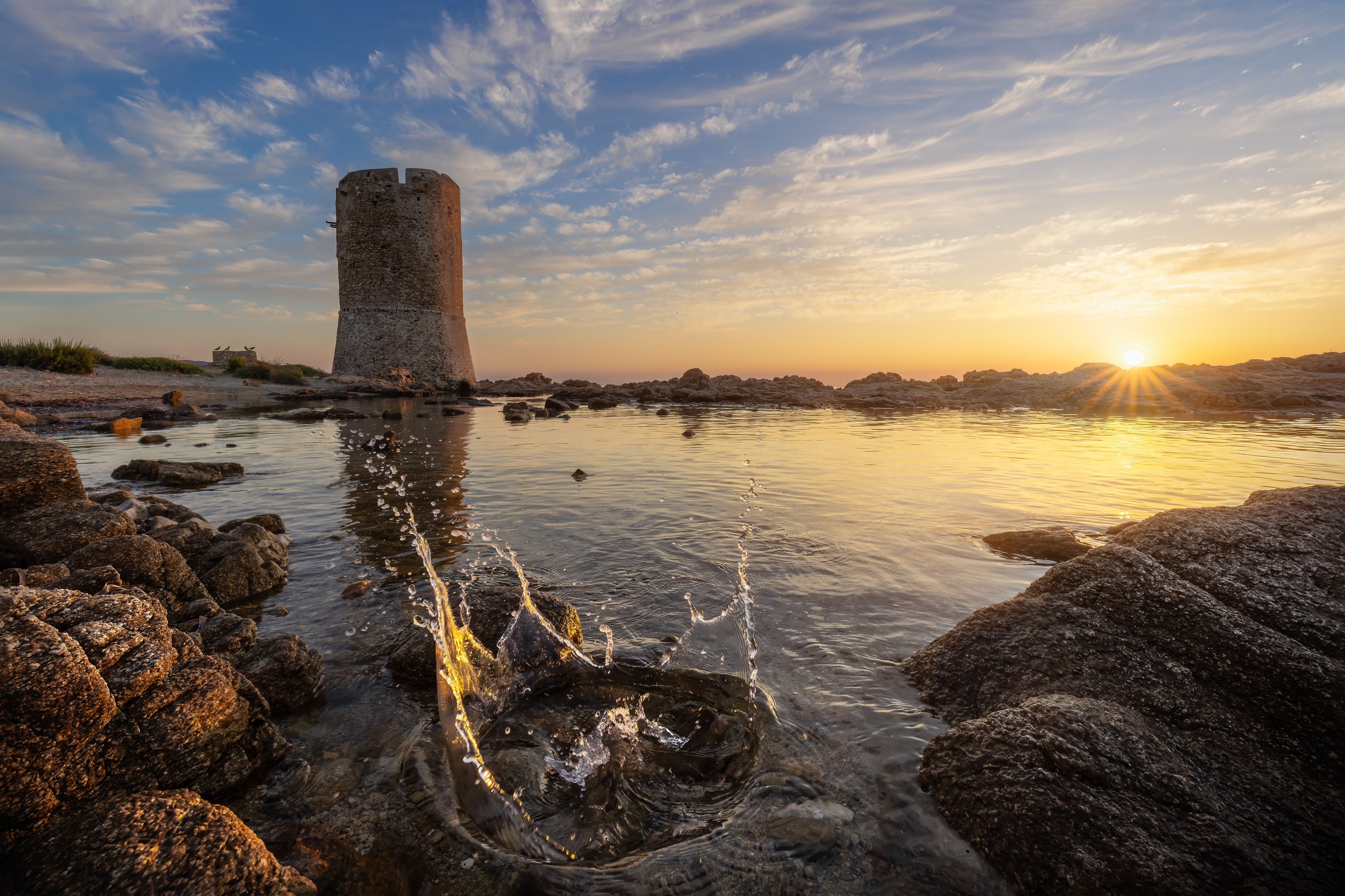
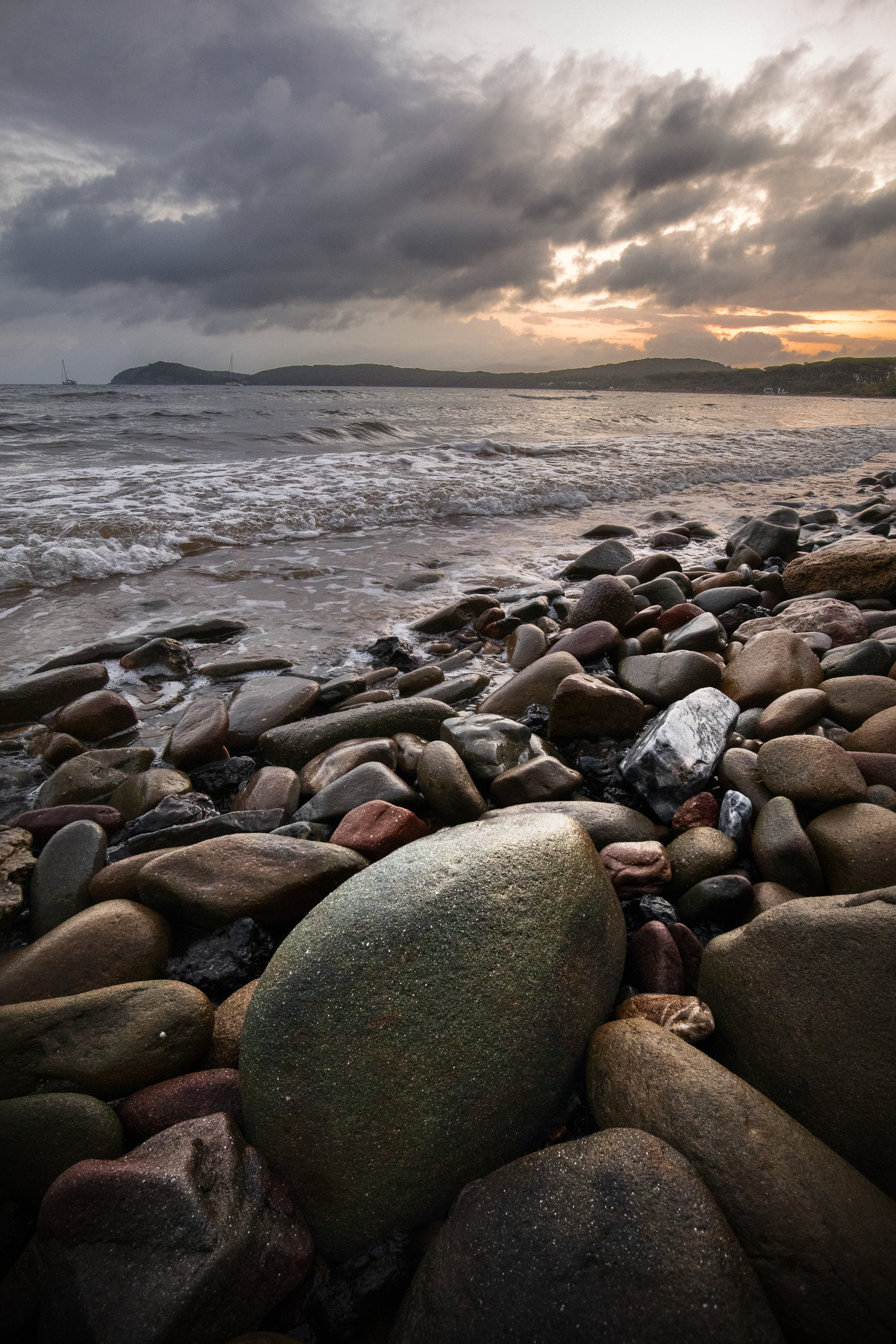
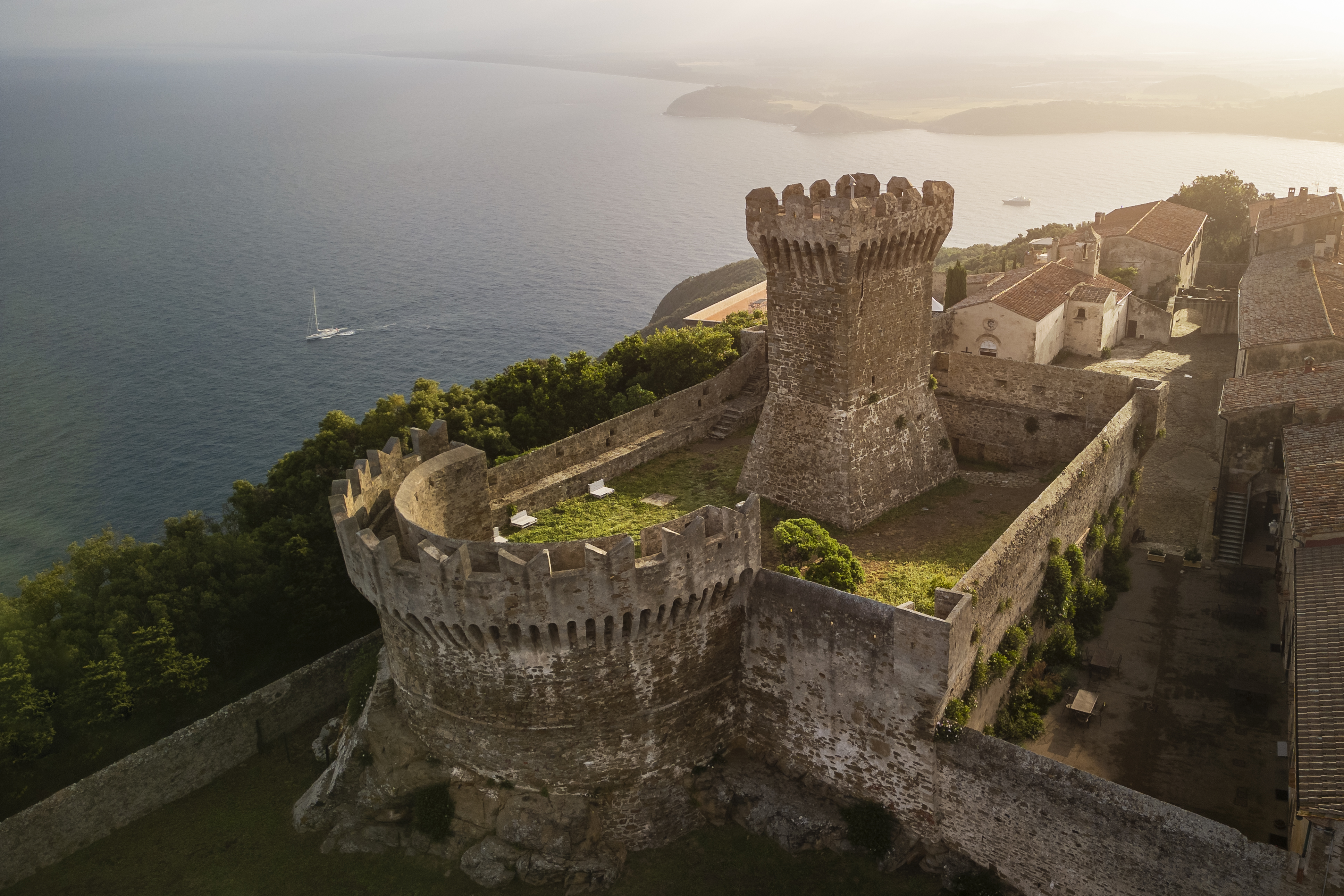
Ma è nei luoghi di pietra e storia che le emozioni si sono fatte più intense. Il Faro di Capo Comino e la torretta costiera di La Caletta sono stati scenari perfetti per i miei scatti. Il faro, simbolo di guida e resilienza, si accendeva con la luce dorata, un faro terreno illuminato da un faro celeste. Qui, ho potuto sentire la storia e la solitudine del luogo, un’emozione che ho cercato di trasmettere attraverso lunghe esposizioni che addolcivano il movimento del mare intorno alla roccia millenaria.
Il Canto Aereo del Drone
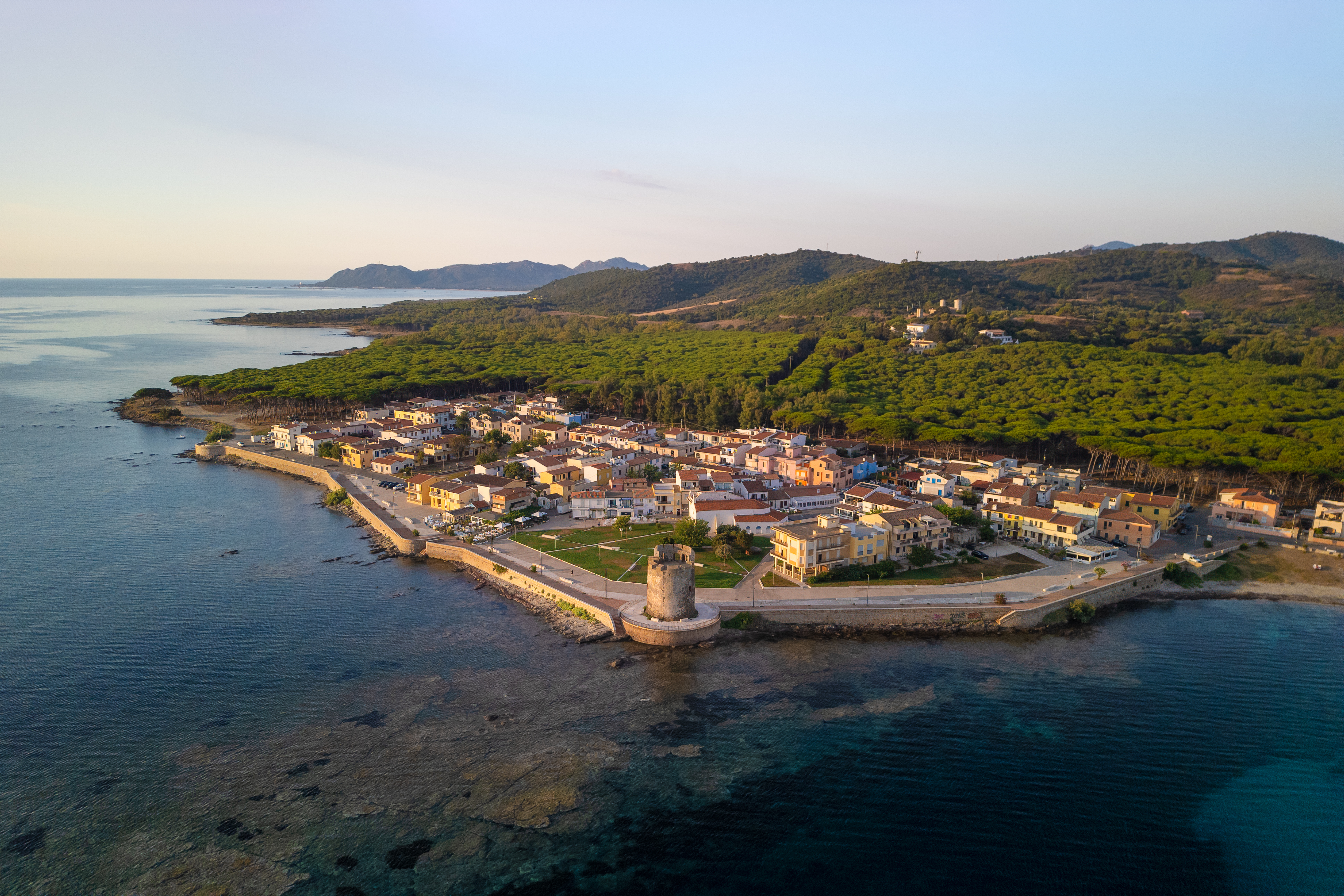
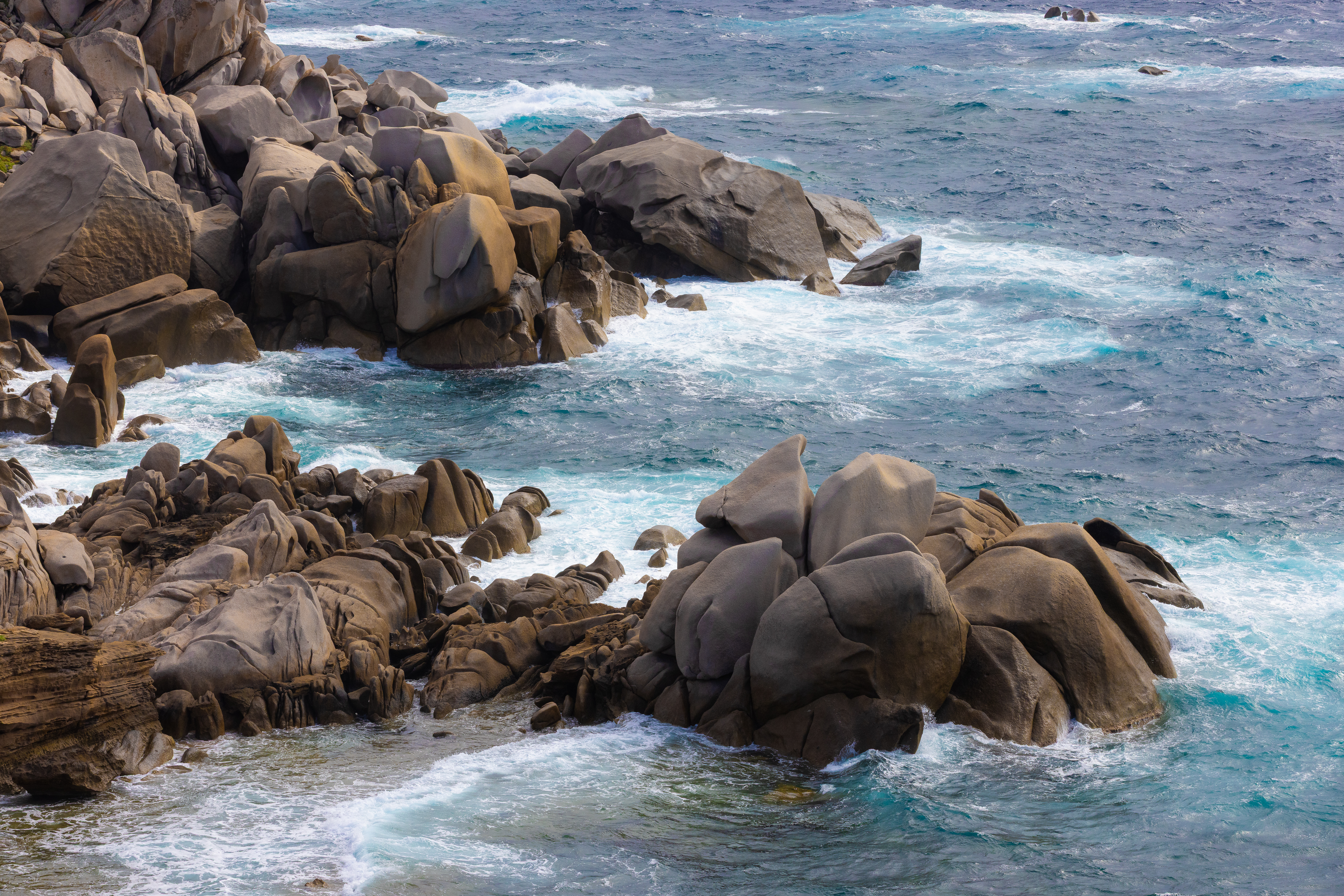
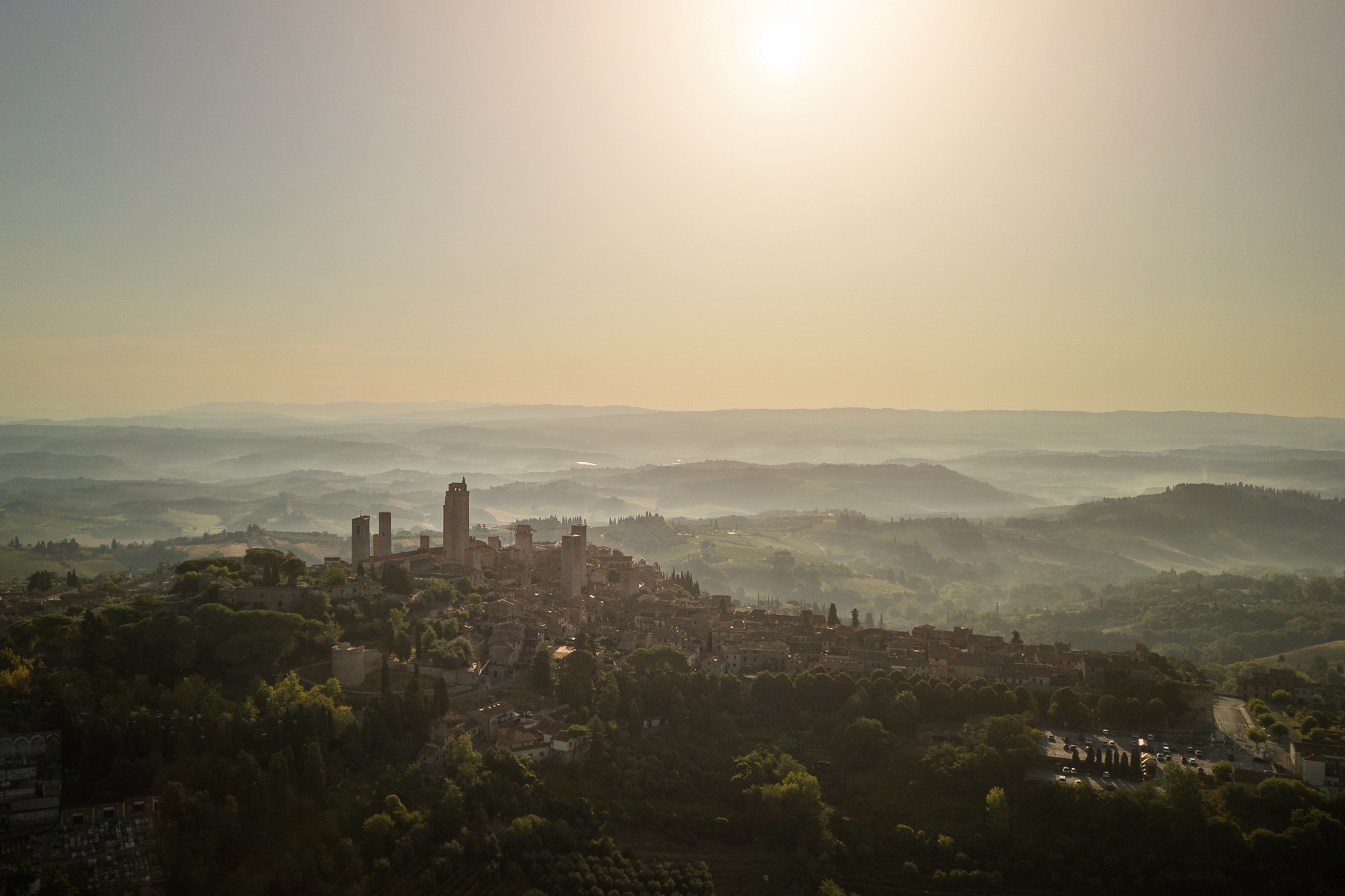
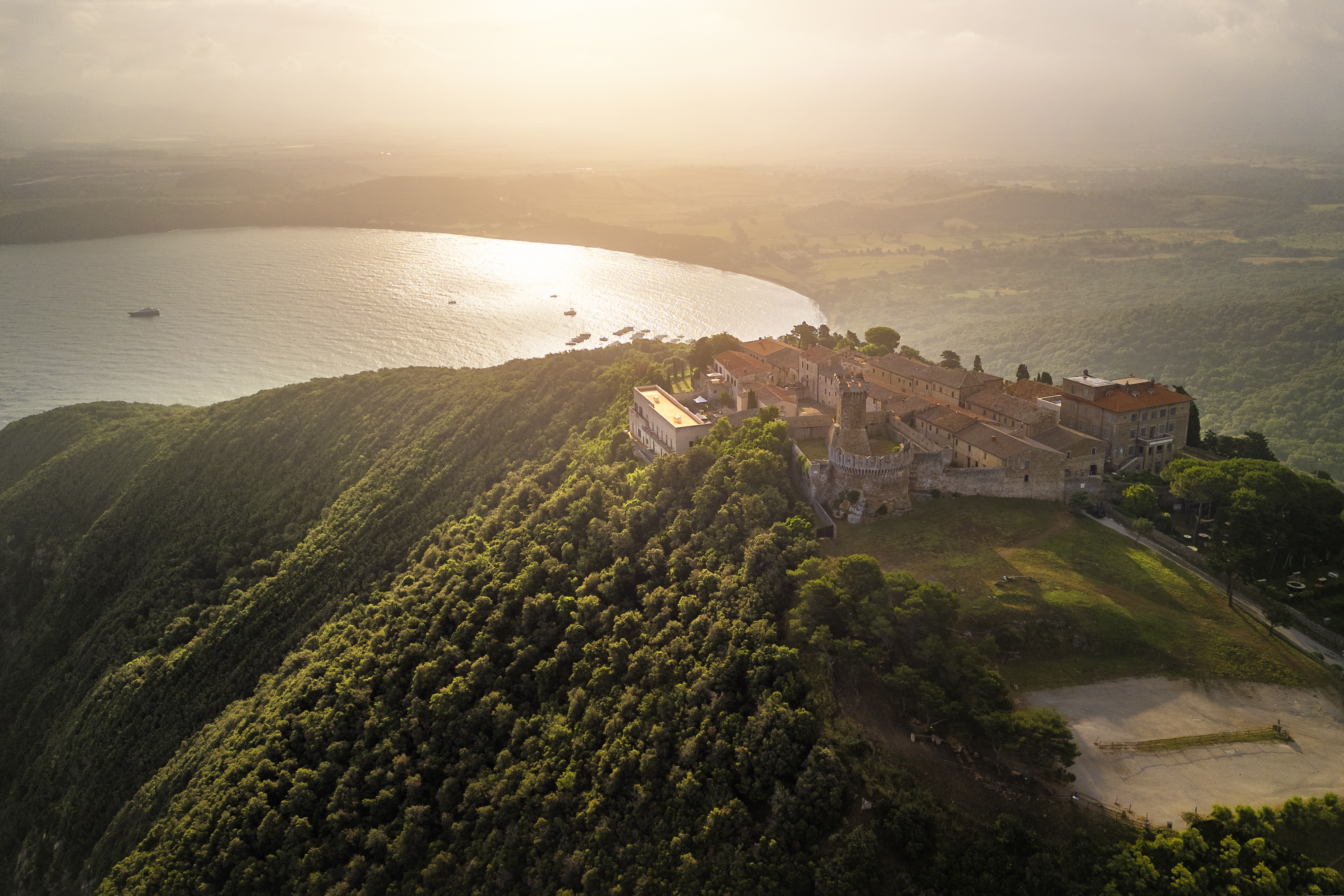
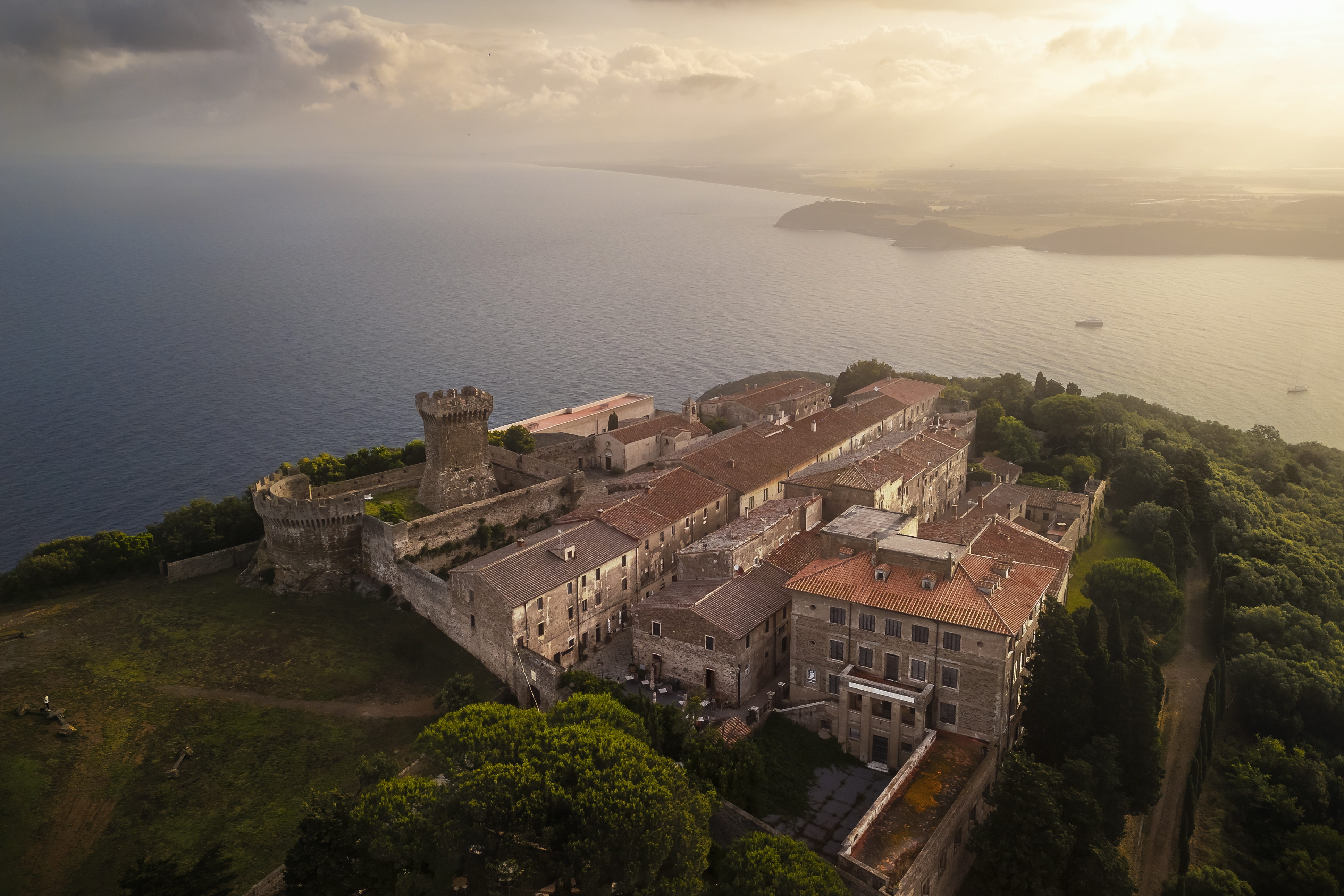
L’utilizzo del drone ha aggiunto una dimensione narrativa completamente nuova. Volare sul mare appena sveglio, mentre il sole emergeva dall’orizzonte, ha permesso di immortalare la vastità della costa sarda, catturando la sinuosità delle spiagge e la trasparenza delle baie con una prospettiva aerea. L’alba, vista da centinaia di metri di altezza, non è più solo un’emozione personale, ma un dipinto epico della natura.
Ogni scatto di quel luglio non è solo la testimonianza di un bel panorama. È il racconto di un silenzio, della brezza mattutina, e di quella fugace, perfetta armonia tra il fotografo e il mondo che si risveglia. È questa l’essenza che spero che le mie foto trasmettano: non solo la bellezza innegabile della Sardegna, ma la sensazione profonda e quieta di aver assistito a qualcosa di sacro, prima che il chiasso del giorno avesse inizio.
A family vacation often means relaxation and a slow pace. But for those like me, who live with a camera around their neck and a drone in their backpack, sunrise becomes an irresistible call, especially when faced with a scene as powerful as the eastern coast of Sardinia. This summer, our base in Porto Ottiolu for a week in July became the launching pad for a series of early-morning explorations that nourished the soul and filled the SD cards.
Leaving bed before the sun rises, when the air is still cool and darkness reigns, is an act of faith that every sunrise photographer knows well. The wait, silent and full of anticipation, is half the thrill. On the eastern coast of Sardinia, this wait transformed every day into a promise kept: the horizon ignited with ever-new drama, casting a light that is not only visible, but palpable.
From the Majestic Silhouette to the Solitary Lighthouse
One of the most iconic views was undoubtedly Tavolara Island. Seen from the coast, its imposing mass looms like a sleeping giant. In the early hours, the stark, dark silhouette against the orange and pink sky offered a lesson in natural composition, allowing me to capture the grandeur of the landscape with an almost abstract simplicity.
In San Teodoro, however, I sought the interplay between land and sea, focusing on the reflections of the first light on the calm waters, where the drone was able to reveal textures and nuances from above, impossible to perceive at ground level.
But it is in places of stone and history that the emotions were most intense. The Capo Comino Lighthouse and the coastal tower of La Caletta were perfect settings for my shots. The lighthouse, a symbol of guidance and resilience, shone with golden light, an earthly beacon illuminated by a celestial beacon. Here, I could feel the history and solitude of the place, an emotion I tried to convey through long exposures that softened the movement of the sea around the ancient rock.
The Aerial Song of the Drone
Using the drone added a whole new narrative dimension. Flying over the sea as soon as I woke, as the sun emerged from the horizon, allowed me to immortalize the vastness of the Sardinian coast, capturing the sinuous beaches and the transparency of the bays from an aerial perspective. The sunrise, seen from hundreds of meters above, is no longer just a personal emotion, but an epic painting of nature.
Every shot from that July is not just a testimony to a beautiful panorama. It is the story of a silence, of the morning breeze, and of that fleeting, perfect harmony between the photographer and the awakening world. This is the essence I hope my photographs convey: not only the undeniable beauty of Sardinia, but the profound, quiet feeling of having witnessed something sacred, before the commotion of the day began.





 NICO ANGELI Photography