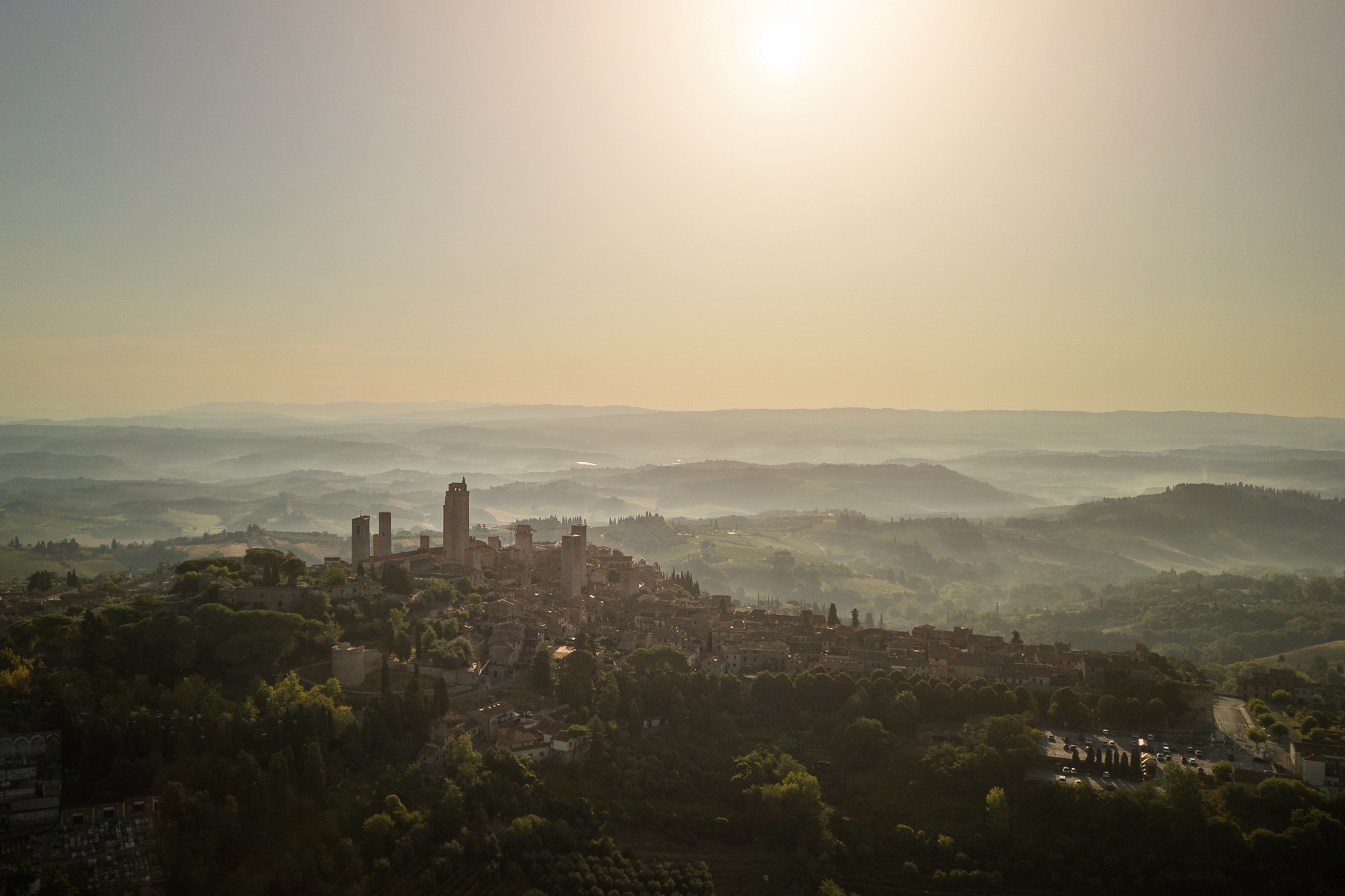
Una Promessa Mantenuta: La Notte Folle tra Vernazza e Tellaro

Esistono uscite fotografiche che nascono dal nulla, dettate da quella sana pazzia che solo chi vive per la luce può capire. Ma l’uscita di questo weekend non è stata solo un impulso: è stata la conclusione di un cerchio aperto esattamente due anni fa.

Era un sabato pomeriggio quando ho alzato il telefono e ho chiamato il mio amico Cristiano: “Partiamo stasera?”. La risposta, come sempre, è stata un sì immediato.

Il filo conduttore: da Riomaggiore a Vernazza

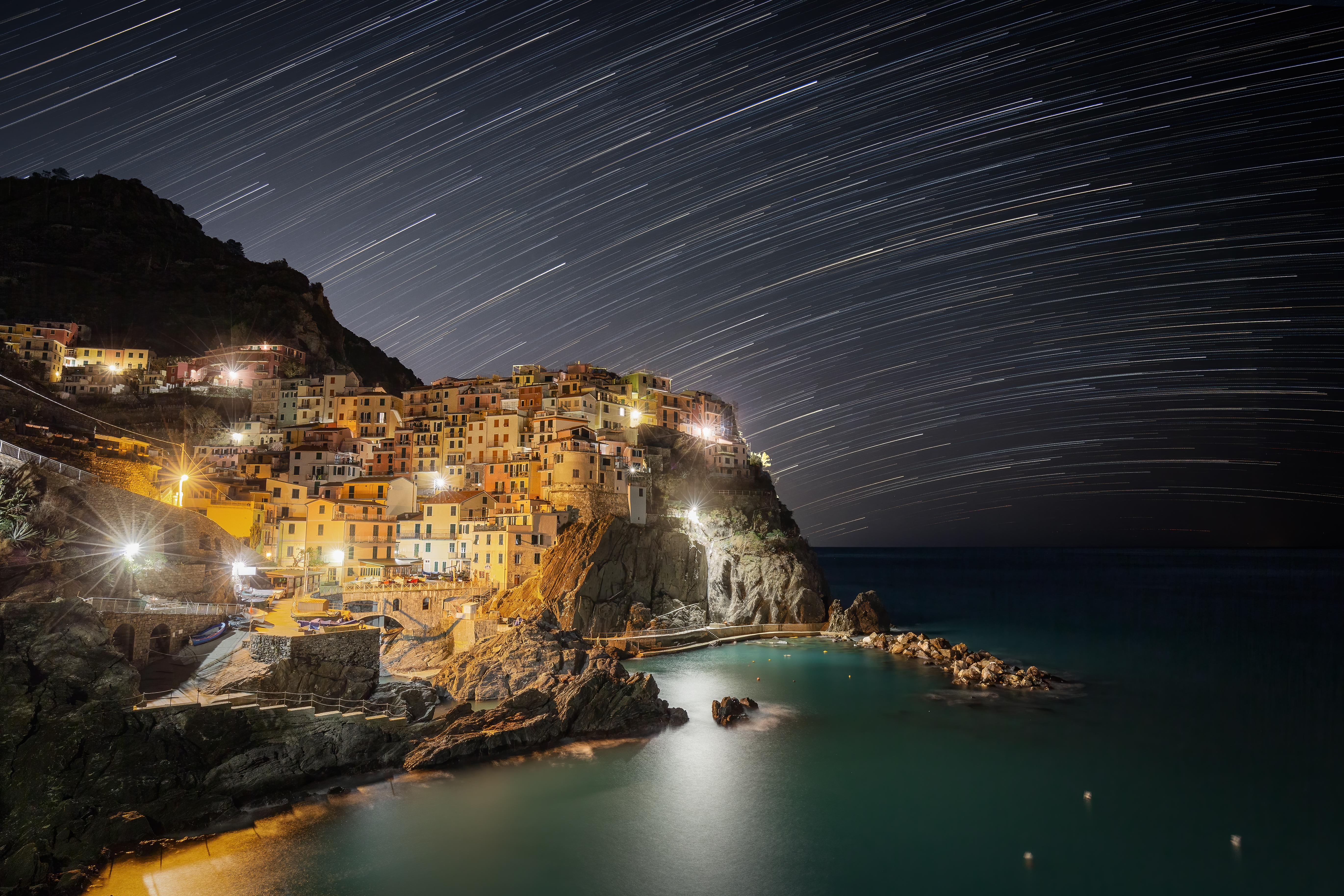
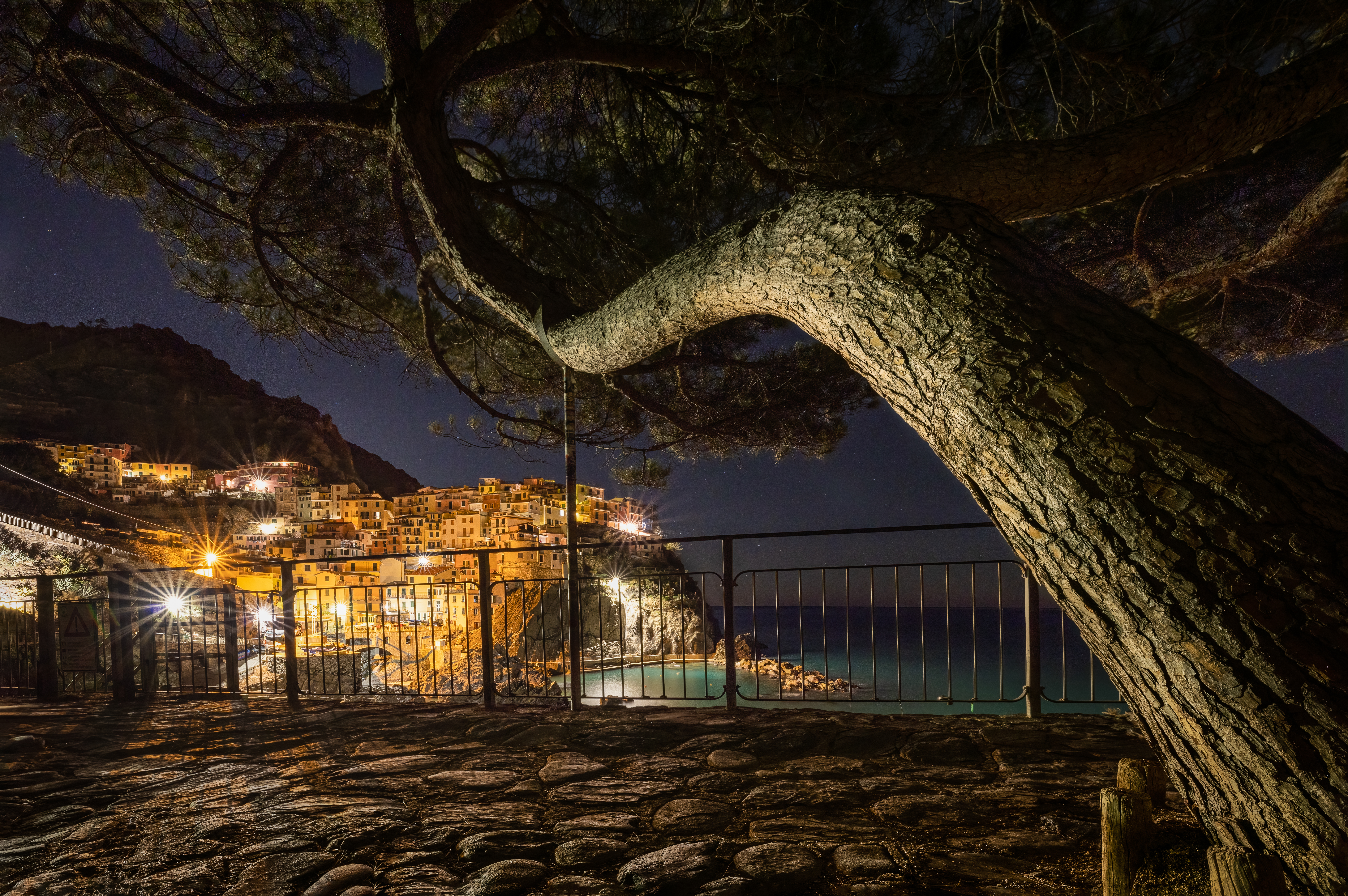
Tutto era iniziato due anni fa, con la stessa modalità improvvisata. In quell’occasione avevamo sfidato il gelo notturno a Riomaggiore e Manarola. Fu una serata magnifica, dove il freddo pungente era ripagato da scatti in riva al mare, panoramiche mozzafiato e star trail che disegnavano il cielo sopra i borghi colorati.

In quell’occasione ci eravamo fatti una promessa: “La prossima volta toccherà a Vernazza”. Quest’anno, finalmente, abbiamo onorato quell’impegno, aggiungendo al nostro archivio gli scorci che mancavano per completare il racconto di questi borghi unici al mondo.

La partenza: Le luci di La Spezia

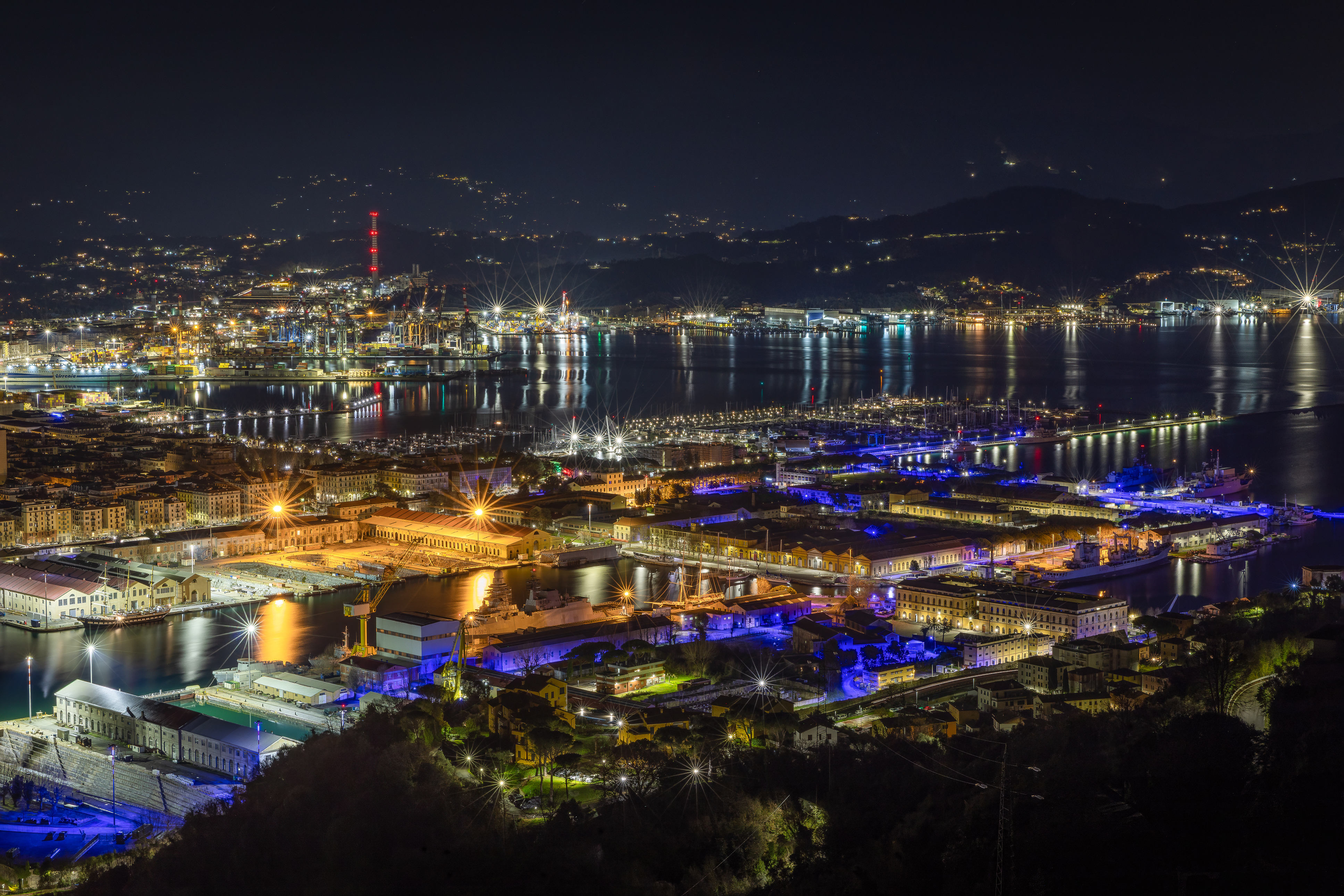
Il nostro viaggio è iniziato a mezzanotte. La prima tappa è stata un affaccio panoramico sopra il porto di La Spezia. Mentre la città dormiva, abbiamo catturato l’anima industriale del golfo: le luci delle gru e delle navi riflesse nell’acqua scura, un contrasto perfetto con la natura selvaggia che avremmo incontrato poco dopo.

Il cuore della notte: Vernazza in tre atti

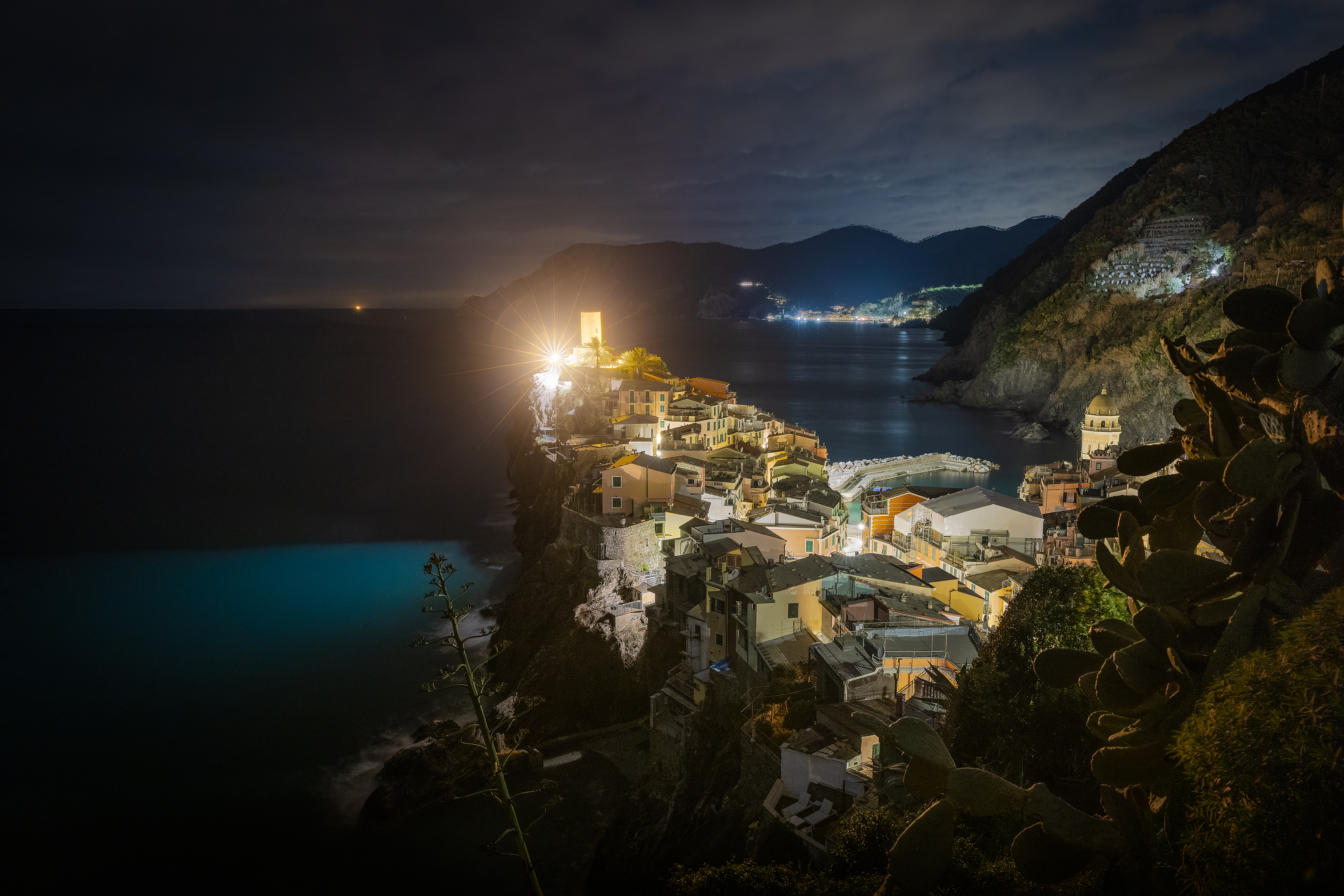
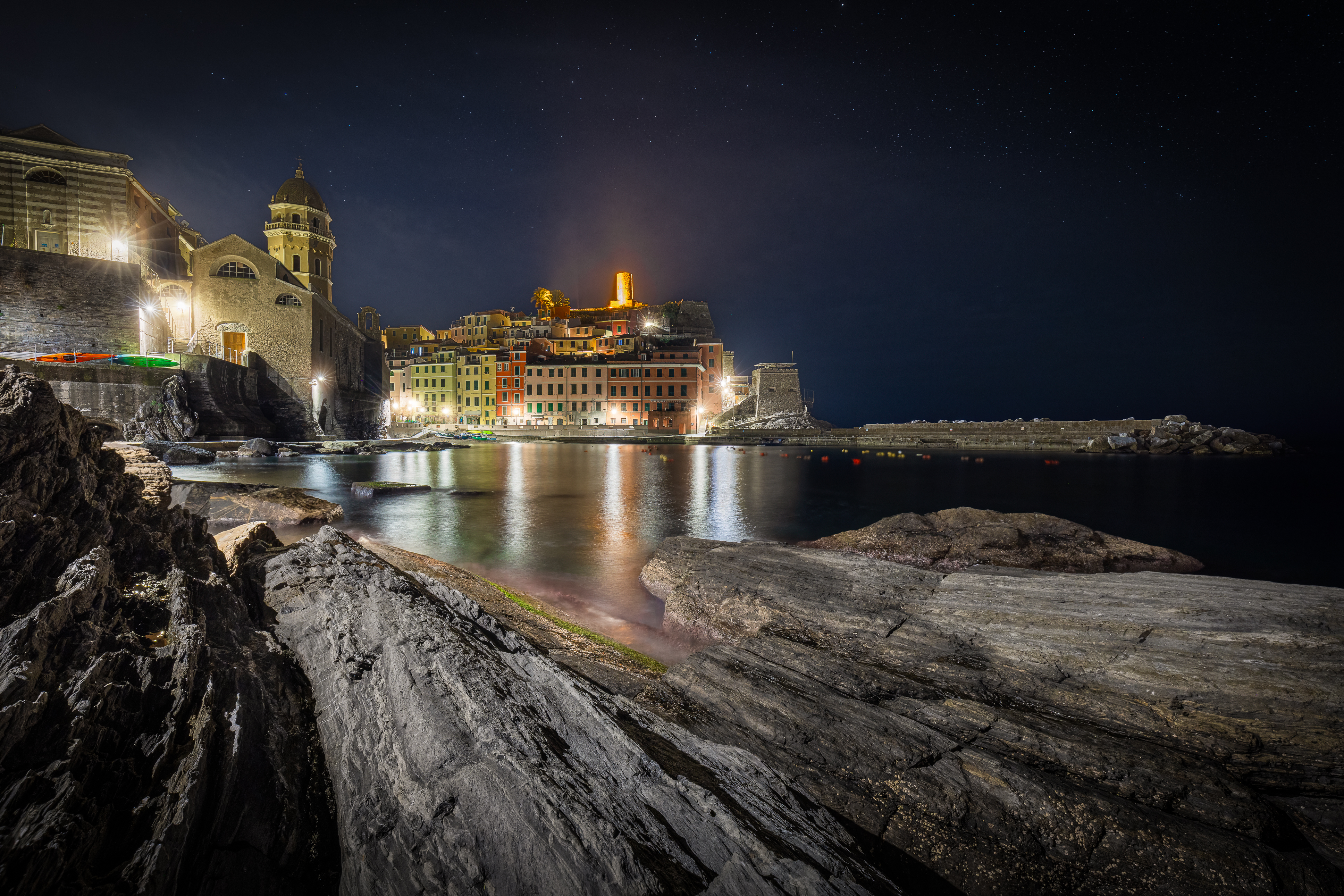
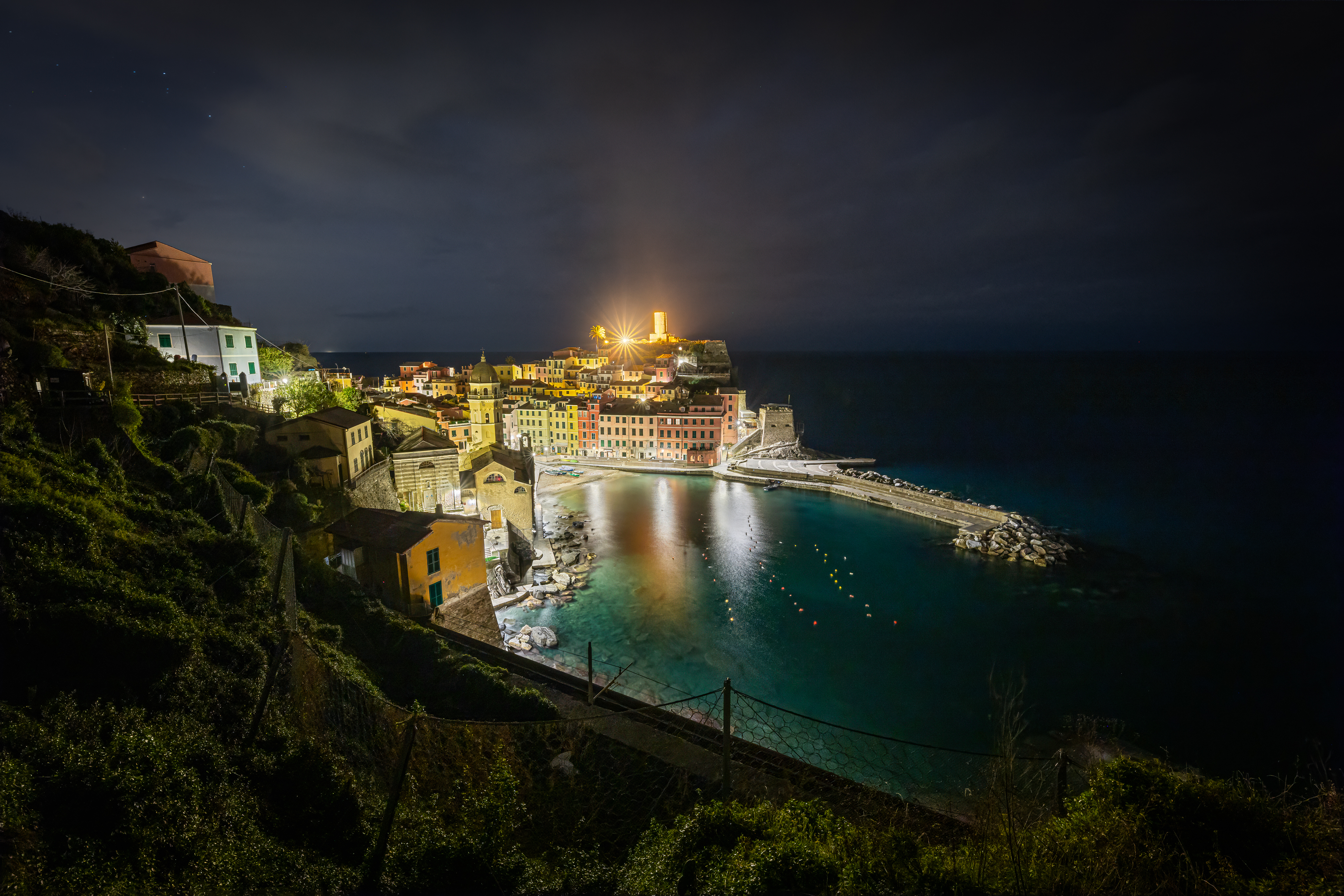
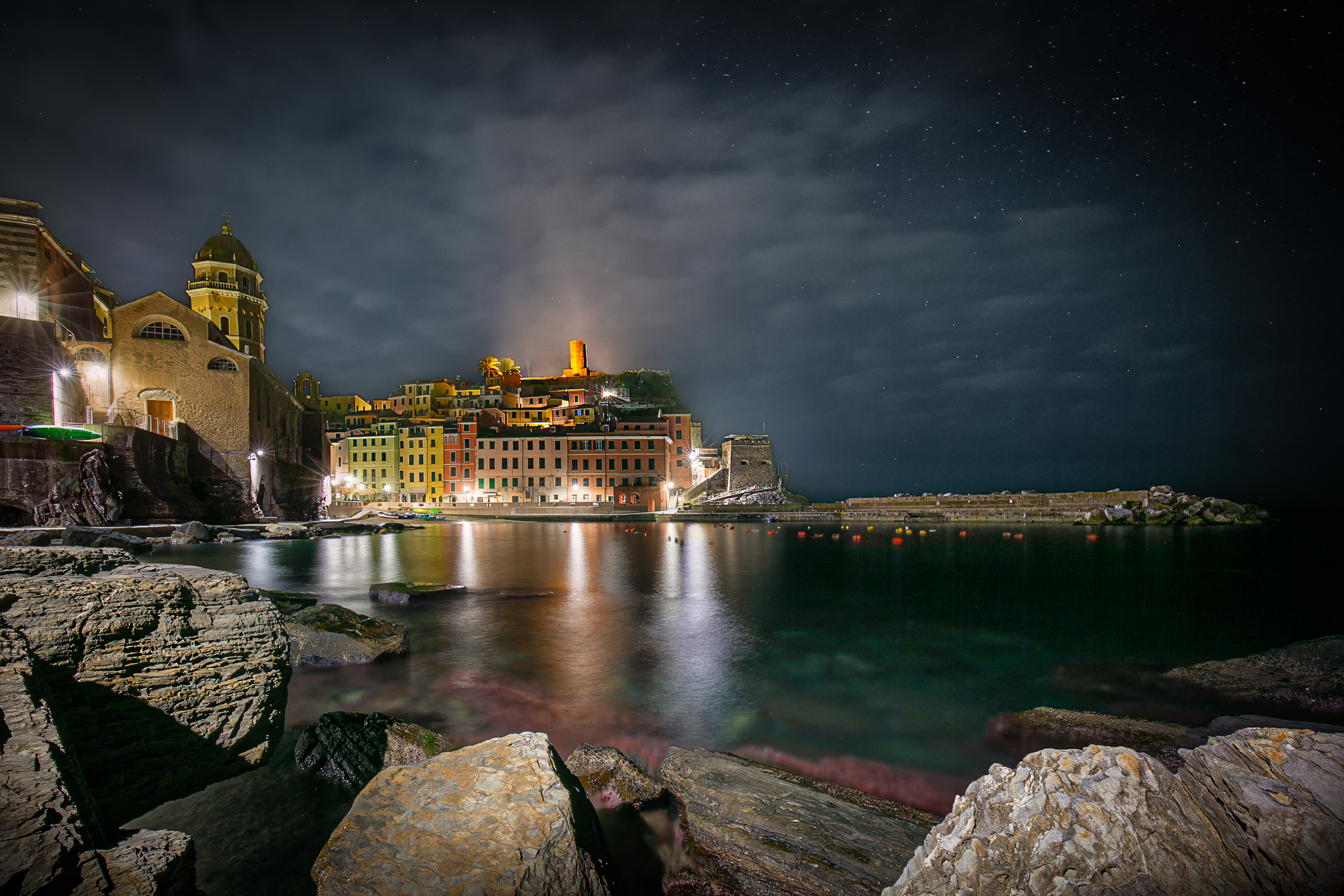
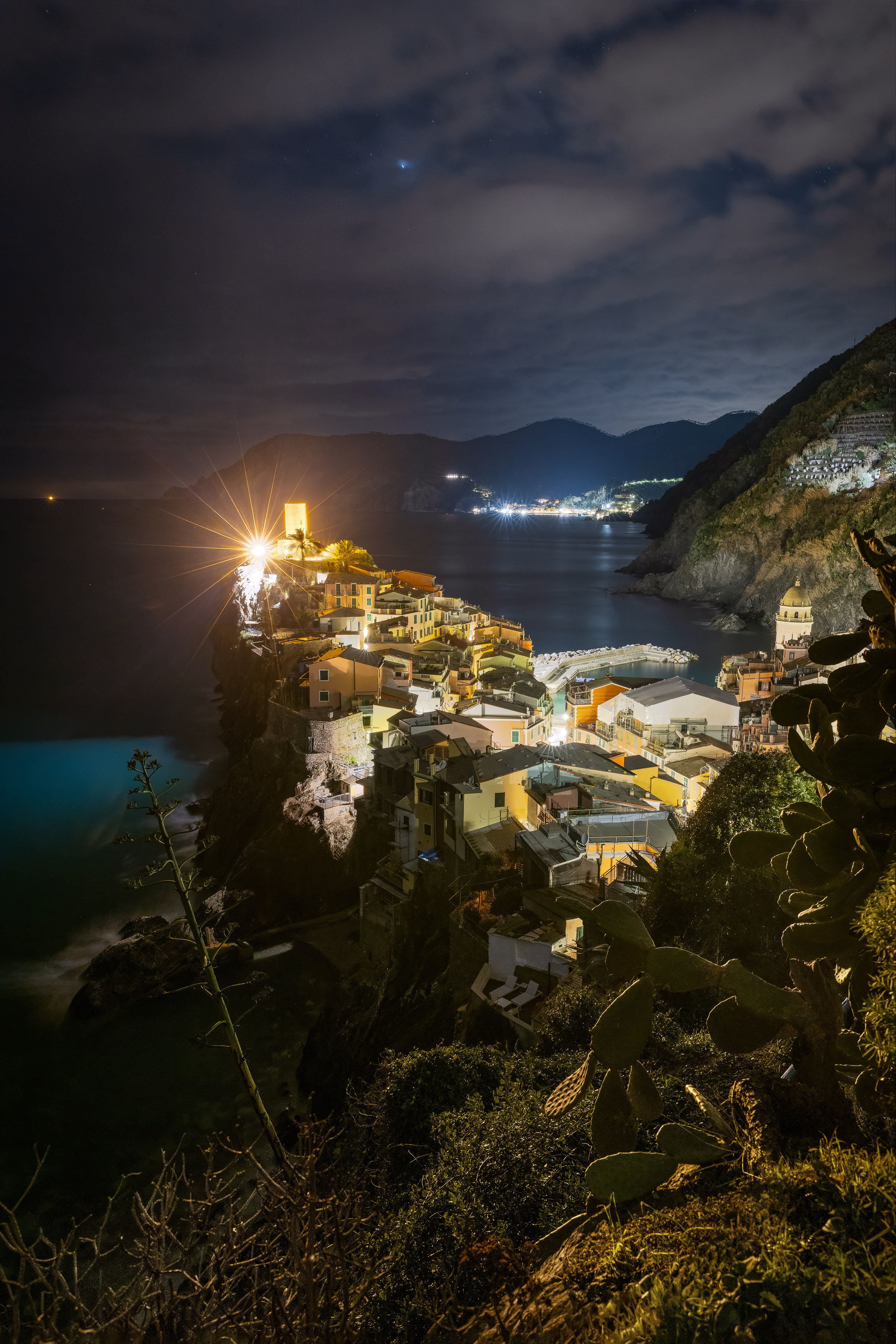

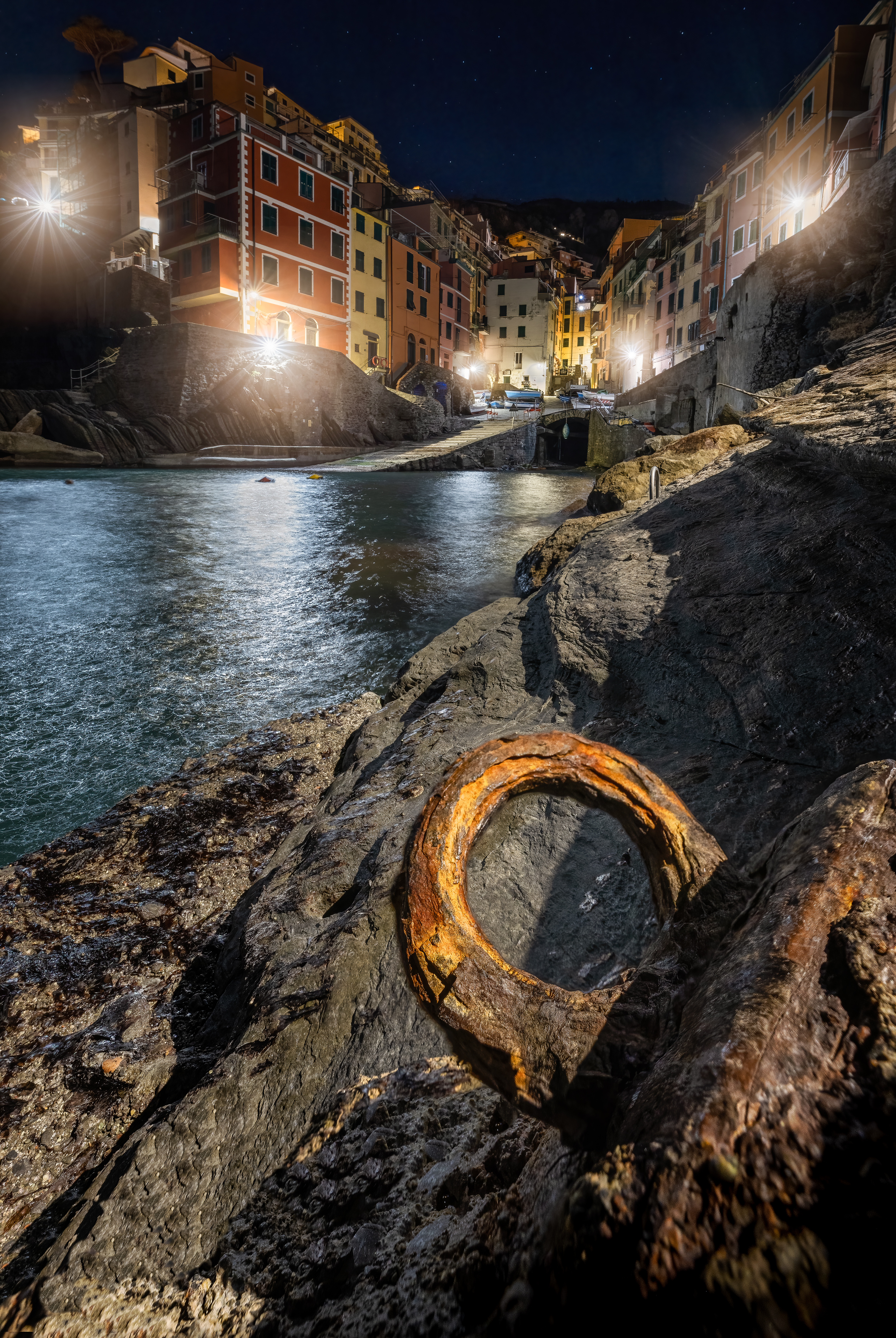
Verso le due del mattino siamo arrivati a Vernazza. Il borgo, spogliato dalla folla dei turisti, ci ha accolto in un silenzio quasi reverenziale. Per onorare la nostra promessa, non ci siamo fermati al primo scorcio, ma abbiamo cercato tre angolazioni diverse, una più bella dell’altra:

1. Dall’alto, seguendo i sentieri per abbracciare con lo sguardo il castello e il porticciolo.

2. Dal molo, dove il rumore del mare è l’unico protagonista.

3. Tra i caruggi, catturando l’atmosfera intima delle case torri sotto le luci dei lampioni.

Abbiamo aspettato che il nero della notte lasciasse il posto al blu cobalto dell’aurora, vedendo il borgo cambiare pelle minuto dopo minuto.

Il gran finale: Alba a Tellaro

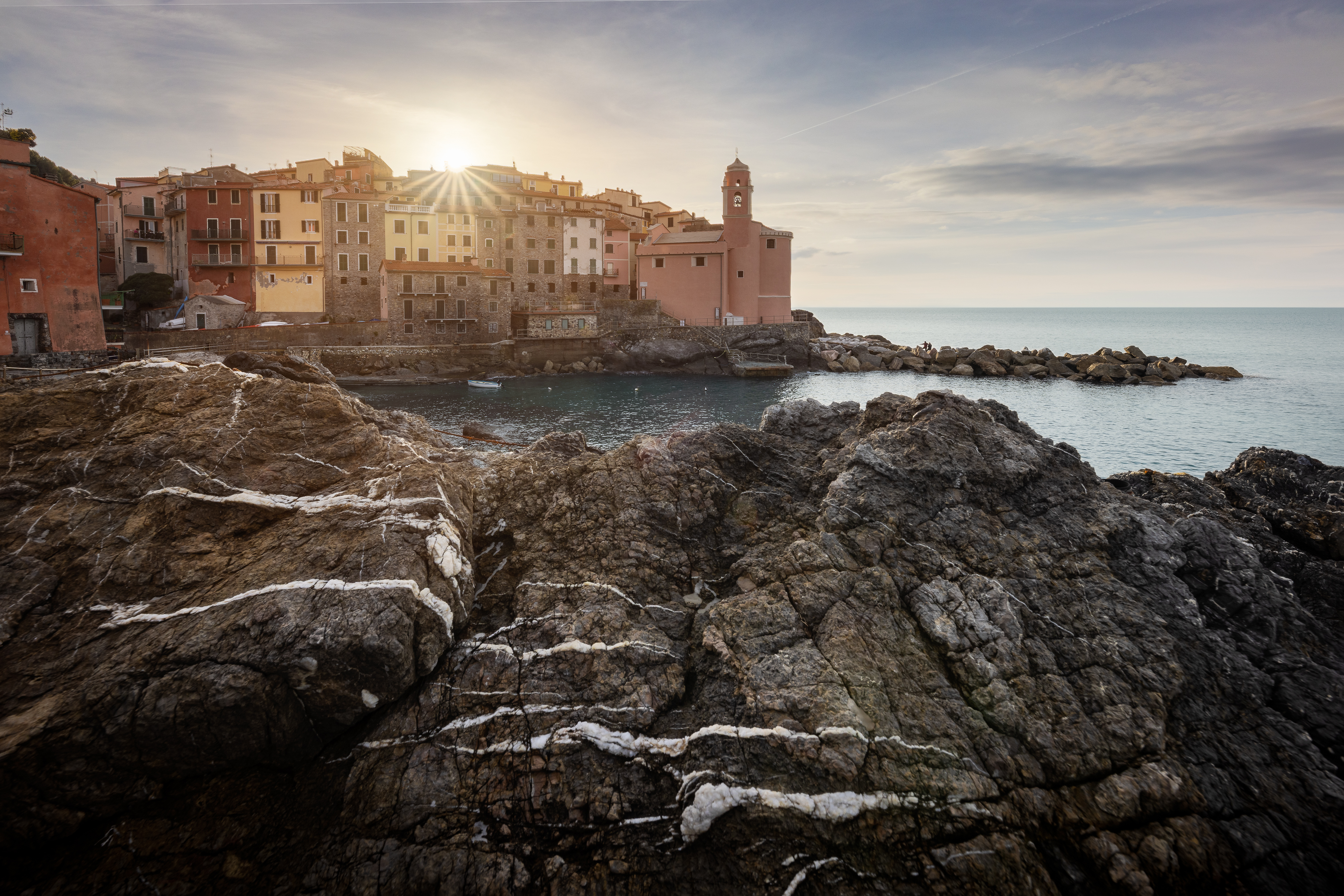
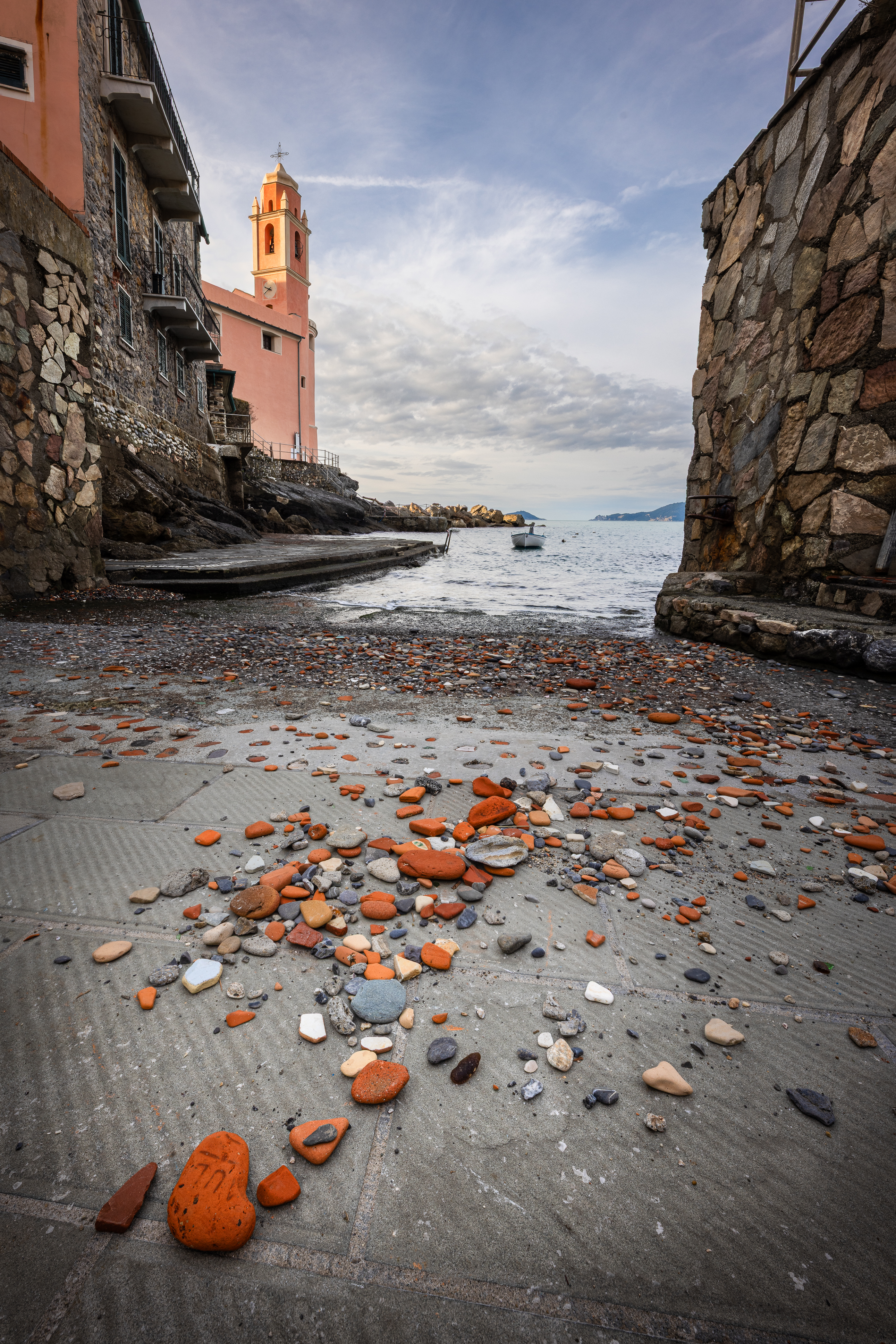
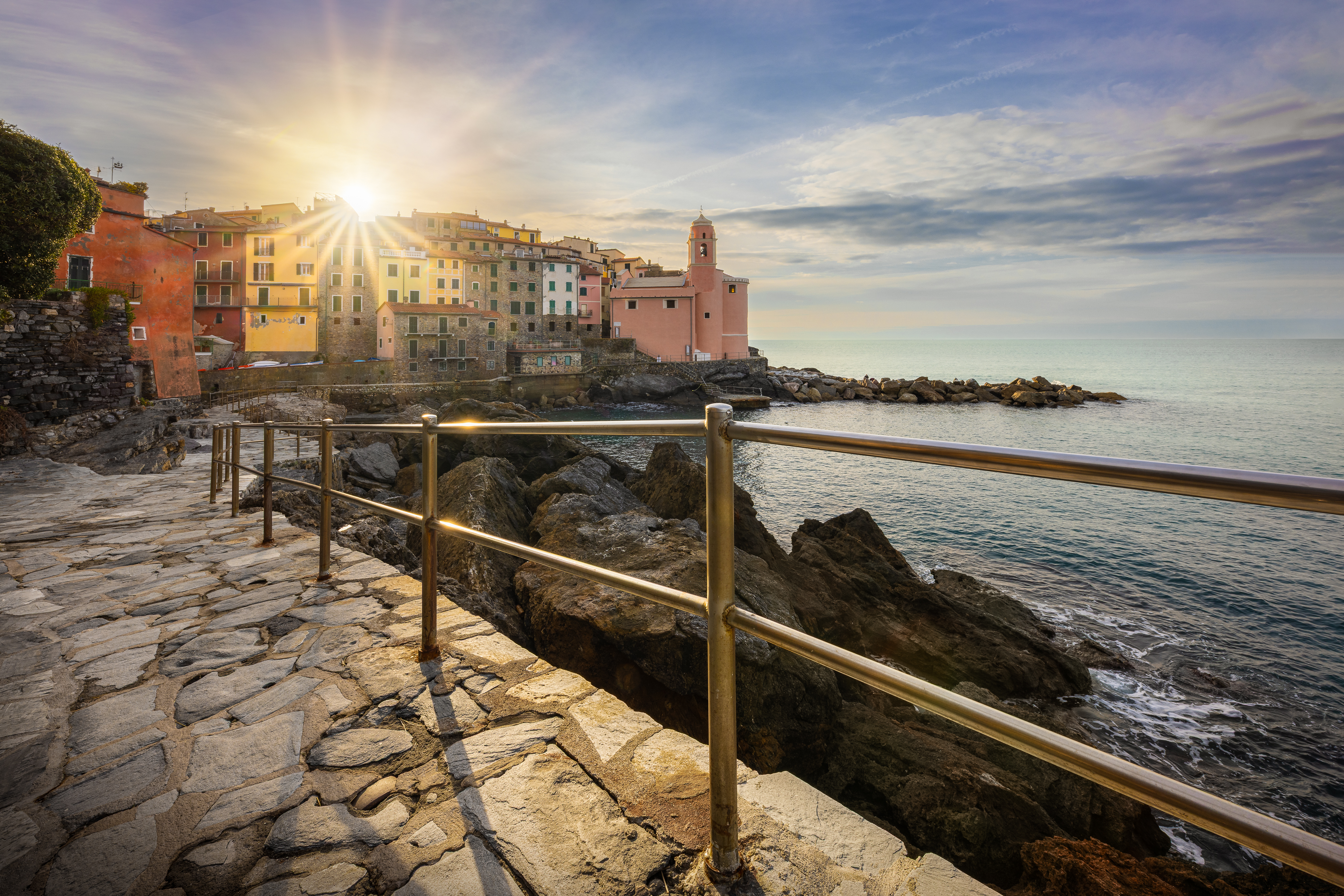
Con le prime luci siamo scappati verso Tellaro, uno dei gioielli più preziosi della Liguria. L’obiettivo era ambizioso: vedere il sole nascere proprio dietro la famosa chiesa a picco sul mare.

La composizione era perfetta: la silhouette della chiesa di San Giorgio che si staglia contro il cielo infuocato e il primo raggio di sole che bacia le scogliere. È stato il coronamento di una notte insonne, carica di adrenalina e soddisfazione.

Riflessioni di un sabato “folle”

La Liguria è stupenda, ma vederla così, nel silenzio della notte e con la complicità di un amico che condivide la stessa passione, ha un sapore diverso. Completare questo “tour” iniziato due anni fa ci ha permesso di descrivere questi borghi in ogni loro sfumatura, dal freddo degli star trail di Riomaggiore alla magia dell’alba a Tellaro.

A volte le foto migliori non nascono dalla pianificazione, ma dalla voglia di caricare lo zaino e partire, semplicemente perché l’ispirazione (e una promessa) hanno bussato alla porta.

E voi? Avete un progetto fotografico che portate avanti negli anni con un compagno di avventure? Raccontatemelo nei commenti!

Some photography trips are born out of thin air, fueled by that healthy “madness” that only those who live for light can truly understand. But this weekend’s outing wasn’t just an impulse: it was the closing of a circle that began exactly two years ago.

It was a Saturday afternoon when I picked up the phone and called my friend Cristiano: “Shall we head out tonight?”. The answer, as always, was an immediate yes.

The Common Thread: From Riomaggiore to Vernazza

It all started two years ago, under the same improvised circumstances. On that occasion, we braved the biting night chill in Riomaggiore and Manarola. It was a magnificent night, where the freezing temperatures were rewarded with shots by the sea, breathtaking panoramas, and star trails painting the sky above the colorful villages.

Back then, we made ourselves a promise: “Next time, it’s Vernazza’s turn.” This year, we finally honored that commitment, adding to our archive the perspectives we were missing to complete the story of these world-unique coastal towns.

The Departure: The Lights of La Spezia

Our journey began at midnight. The first stop was a panoramic overlook above the Harbor of La Spezia. While the city slept, we captured the industrial soul of the gulf: the lights of cranes and ships reflected in the dark water—a perfect contrast to the wild nature we would encounter shortly after.

The Heart of the Night: Vernazza in Three Acts

Around 2:00 AM, we arrived in Vernazza. The village, stripped of its usual crowds, welcomed us in an almost reverent silence. To honor our promise, we didn’t settle for the first view we found. Instead, we sought out three distinct angles, each more beautiful than the last:

1. From above, following the trails to overlook the castle and the small marina.

2. From the pier, where the sound of the sea is the only protagonist.

3. Through the “caruggi” (narrow alleys), capturing the intimate atmosphere of the tower-houses under the glow of the streetlamps.

We waited for the black of night to give way to the cobalt blue of the blue hour, watching the village change its skin minute by minute.

The Grand Finale: Sunrise in Tellaro

At first light, we rushed toward Tellaro, one of the most precious gems of Liguria. Our goal was ambitious: to watch the sun rise right behind the famous church perched over the sea.

The composition was perfect: the silhouette of the Church of San Giorgio standing out against the fiery sky, and the first ray of sun kissing the cliffs. It was the crowning moment of a sleepless night, fueled by adrenaline and satisfaction.

Reflections on a “Crazy” Saturday

Liguria is stunning, but seeing it like this—in the silence of the night and with the companionship of a friend who shares the same passion—has a different flavor. Completing this “tour” that started two years ago allowed us to describe these villages in every nuance, from the cold star trails of Riomaggiore to the magic of the sunrise in Tellaro.

Sometimes the best photos don’t come from meticulous planning, but from the urge to pack your bag and leave, simply because inspiration (and a promise) came knocking.

What about you? Do you have a long-term photography project you’ve been pursuing with a friend? Tell me about it in the comments!

Un Viaggio Fotografico in Val d’Orcia

Giorno 1: La partenza verso Pienza

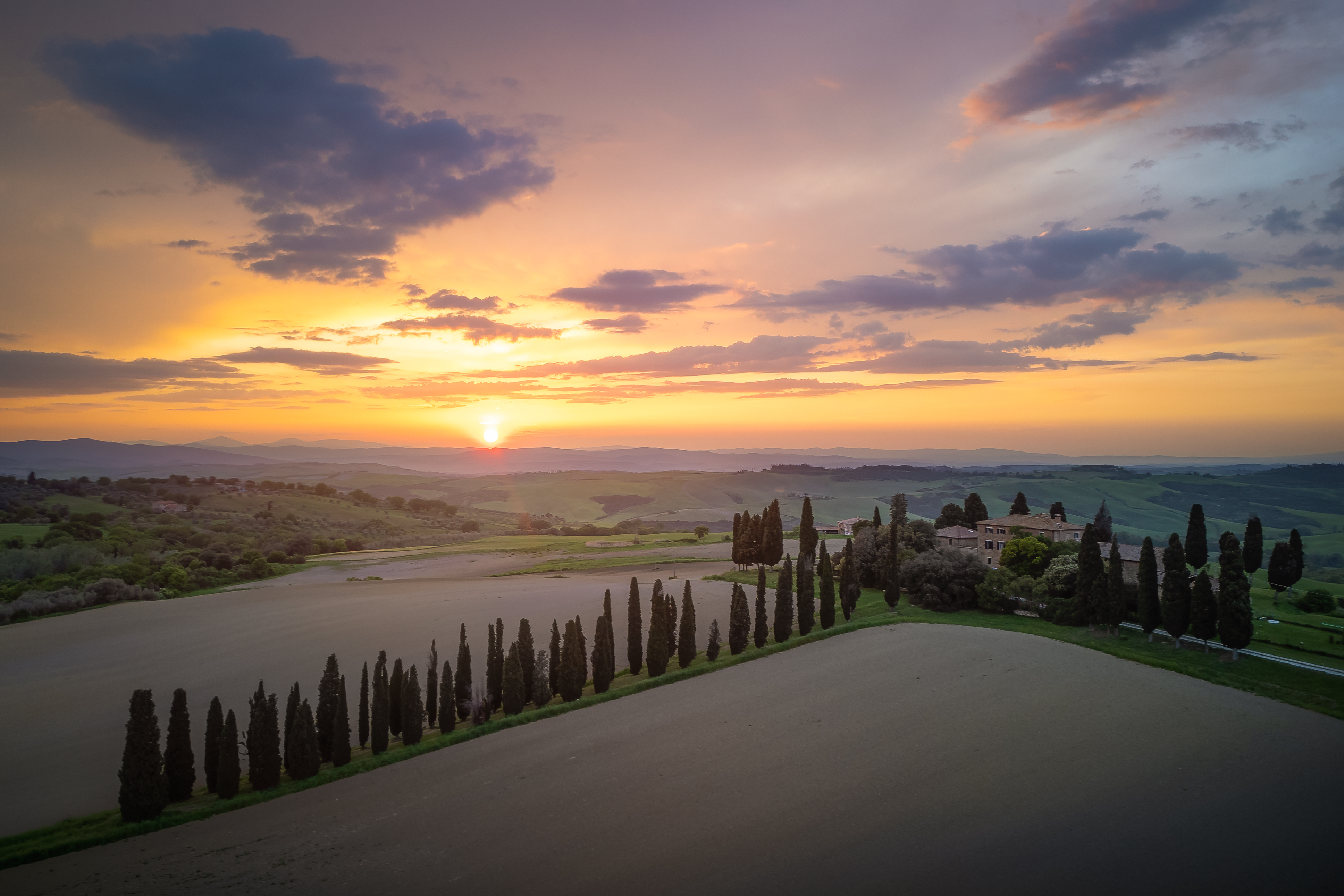
Il mese di maggio in Val d’Orcia è un incanto. L’aria fresca della mattina e la luce dorata dell’alba trasformano il paesaggio in un vero e proprio dipinto. Ogni anno, come ormai di consueto, due o tre giorni nel cuore della mia terra me li concedo sempre. Ma, stavolta, questo weekend lungo è stato davvero emozionante. Per la prima volta, abbiamo noleggiato un camper, per vivere questa esperienza fotografica davvero all’avventura.

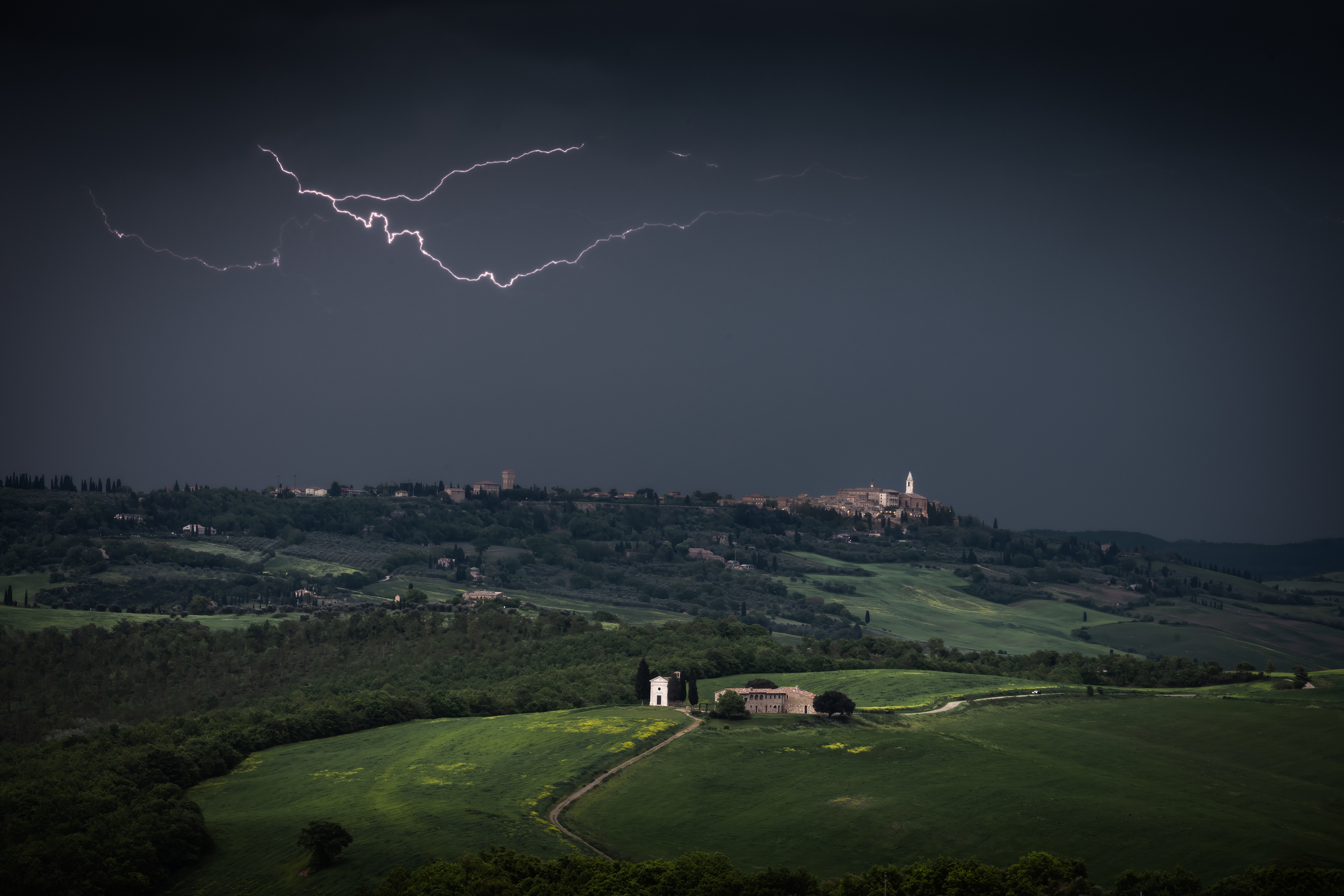
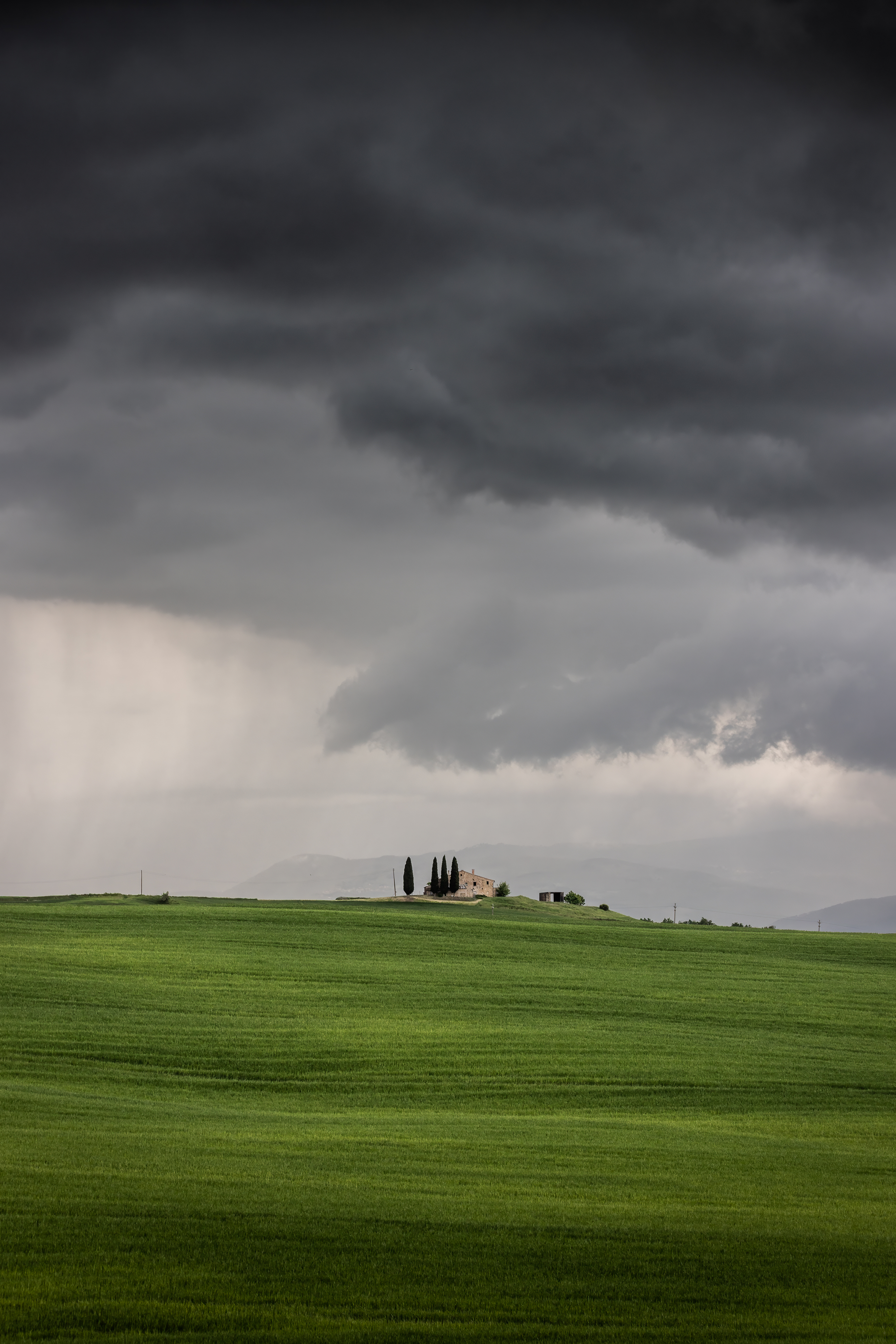
Dopo aver preparato il mezzo, siamo partiti in direzione Pienza. Arrivati in loco all’ora del tramonto, abbiamo dovuto affrontare un vero e proprio temporale. Il cielo, che man mano si andava annuvolando e scurendo, si è riempito di nubi temporalesche, fulmini e scrosci d’acqua violentissimi. Anche in queste situazioni, però, le occasioni di fotografare non mancano. Ed immortalare i lampi sopra il borgo di Pienza è stata una vera fortuna.

Cerchiamo dove dormire a bordo strada, nei pressi di Podere Belvedere. Ci corichiamo carichi di speranza, in quanto ogni temporale apre un successivo nuovo giorno pieno di situazioni veramente interessanti. Forse una bella nebbia mattutina potrebbe regalarci foto indimeticabili.

Giorno 2: Podere Belvedere e Poggiocovili

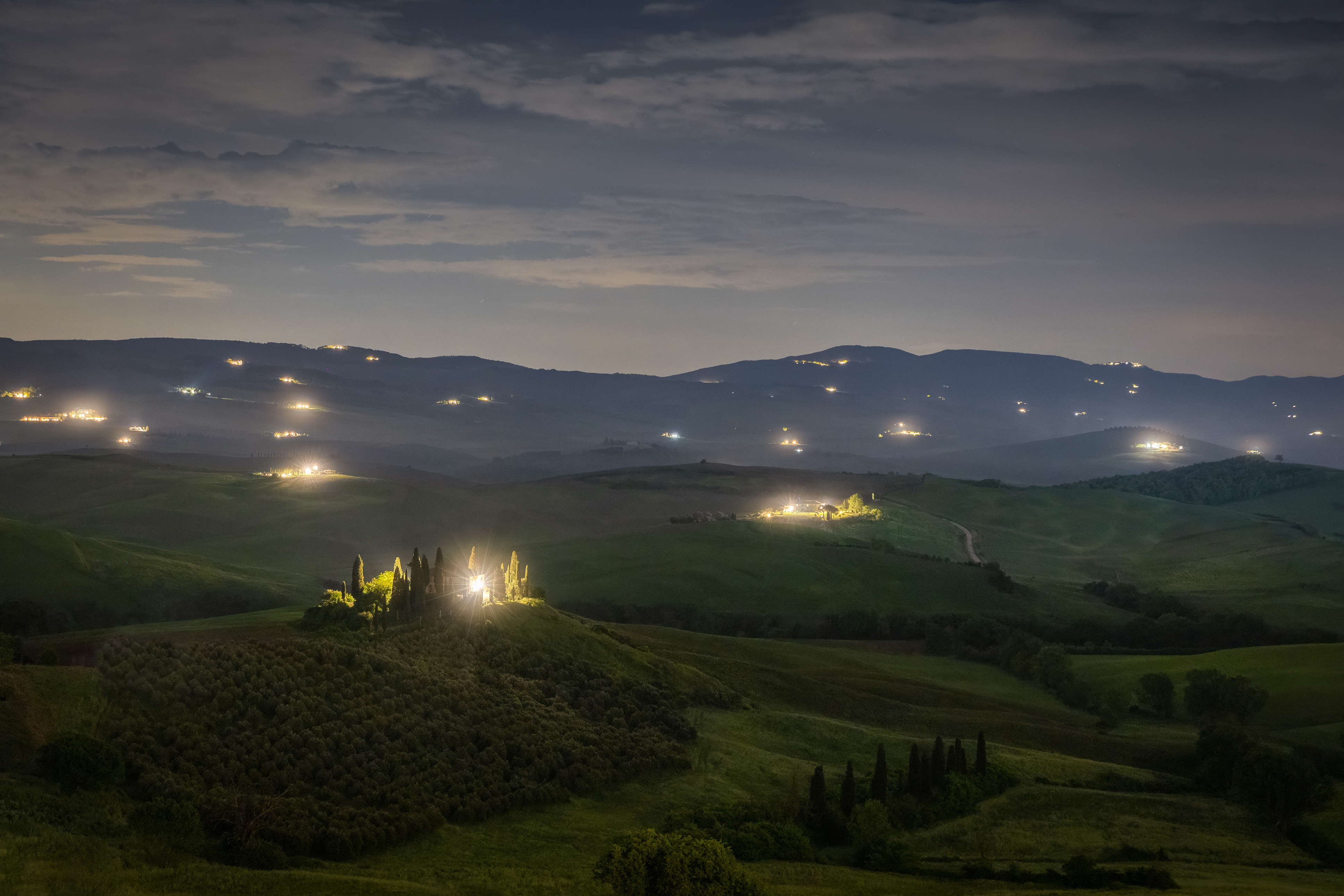
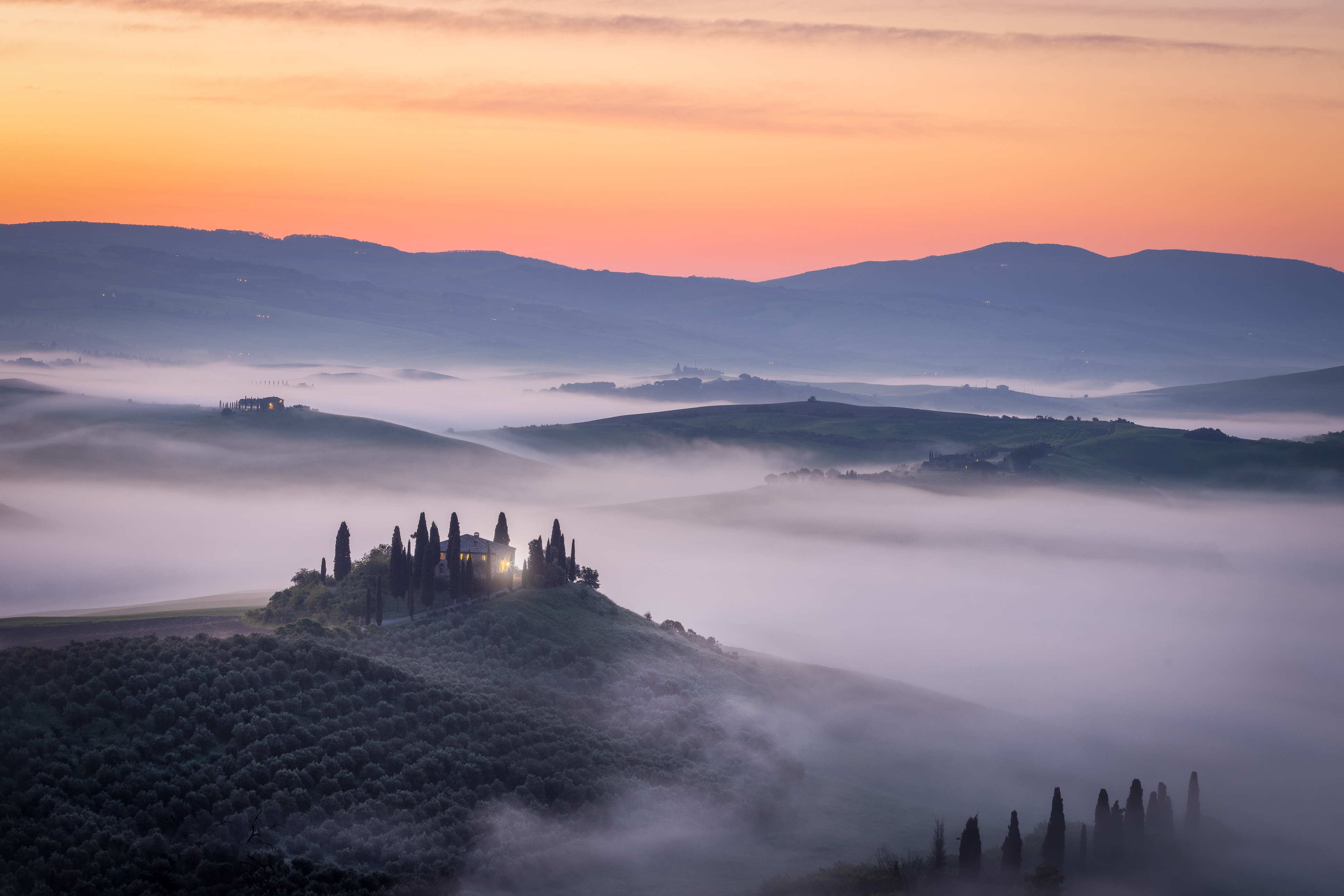
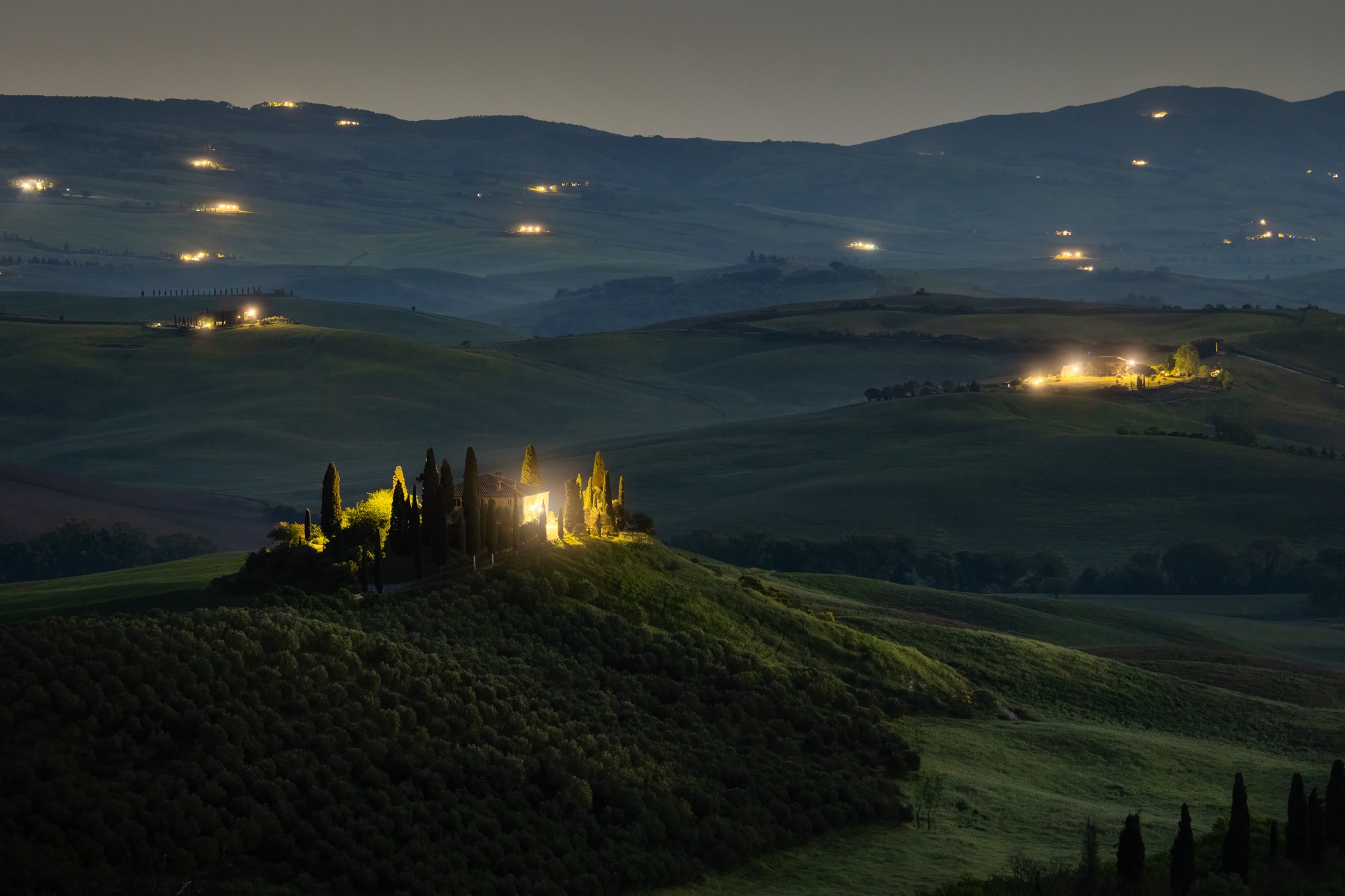
Ore 01:00. Mi alzo per la prima foto in notturna a Podere Belvedere. Sono solo. Il silenzio è assordante. L’erba mi inzuppa completamente i pantaloni. Ha smesso di piovere giusto da un paio d’ore, ed il cielo ha già aperto a interessanti trame di nuvole e stelle. Faccio qualche scatto e torno a dormire qualche ora, per svegliarmi prima che sorga il sole.

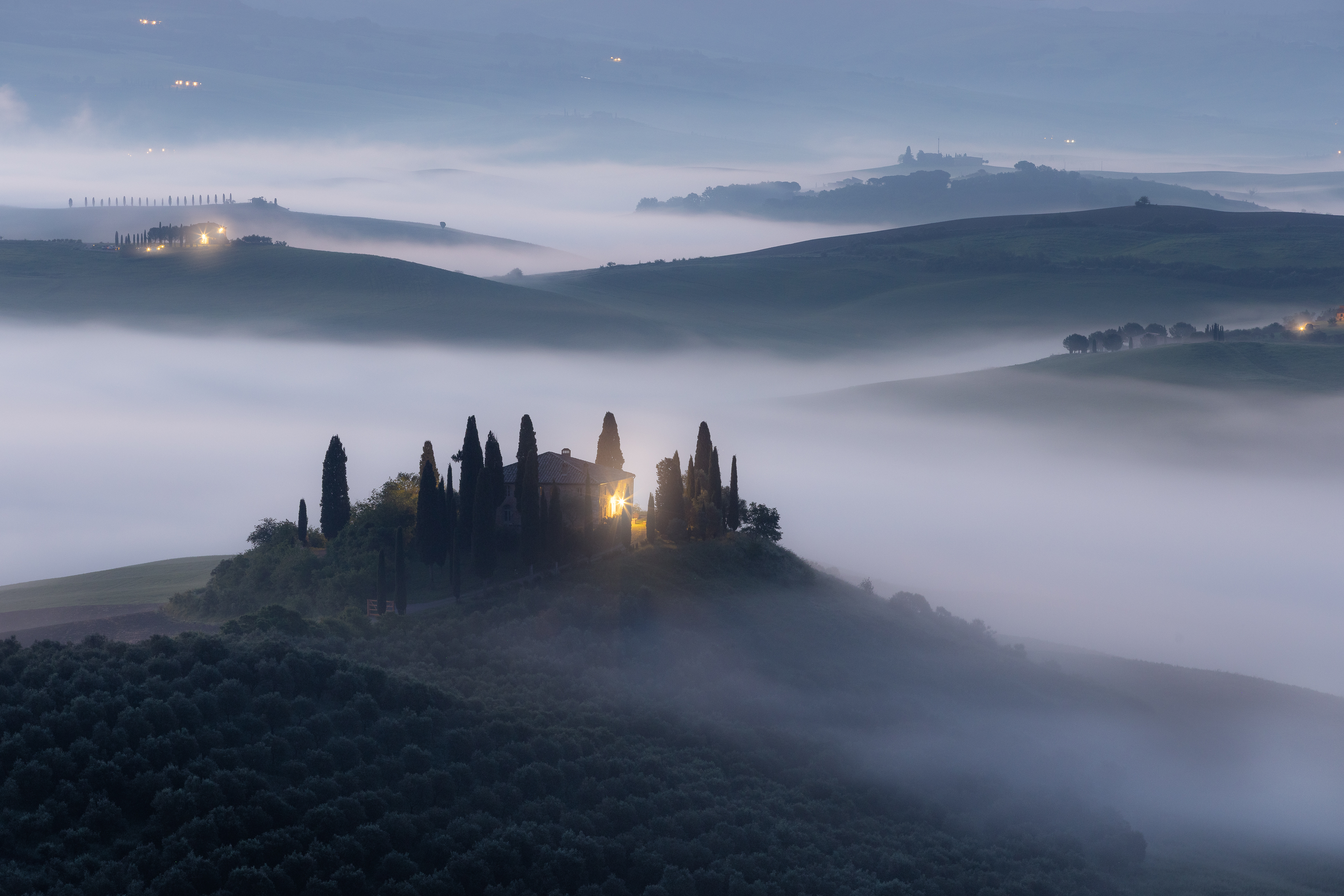
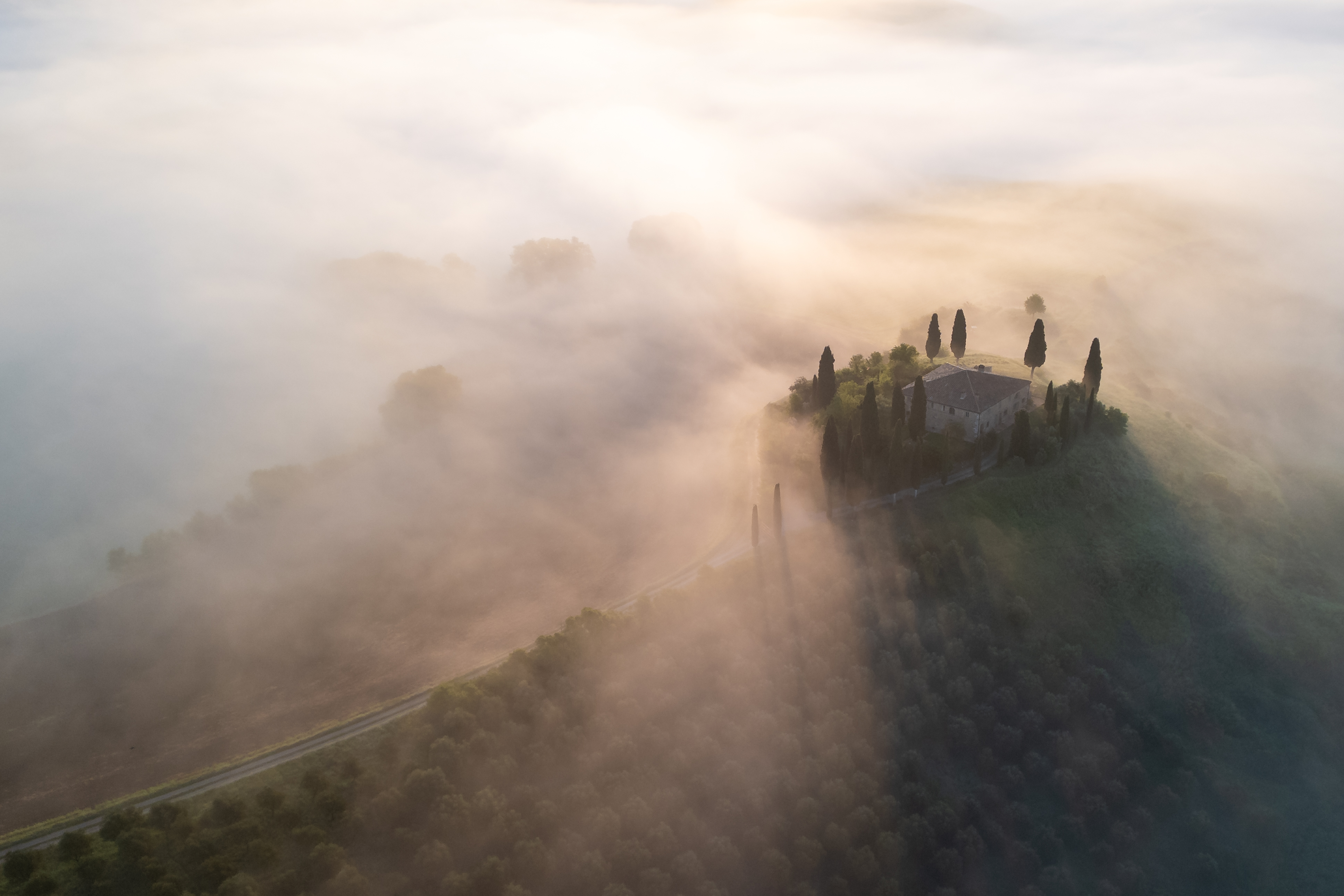
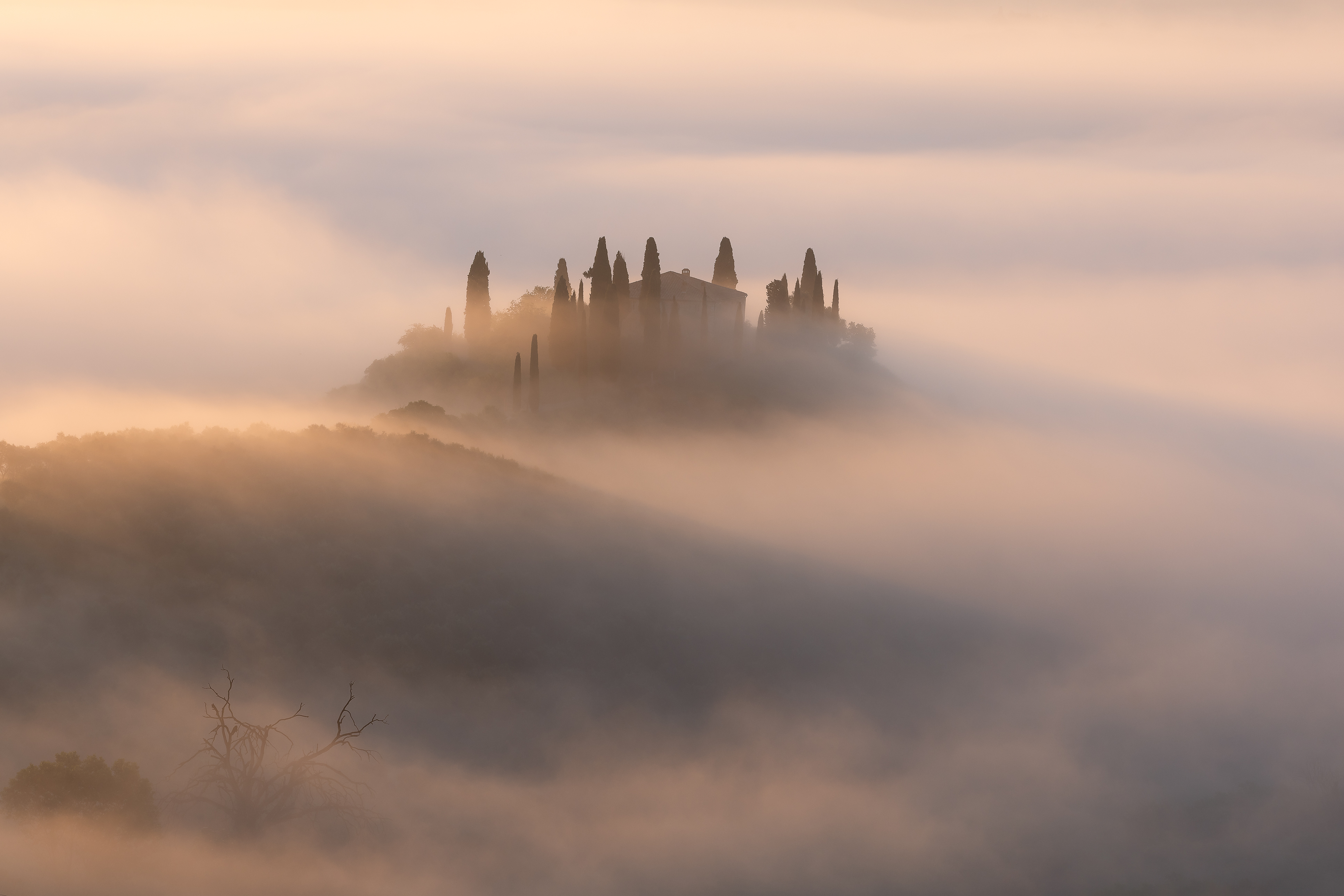
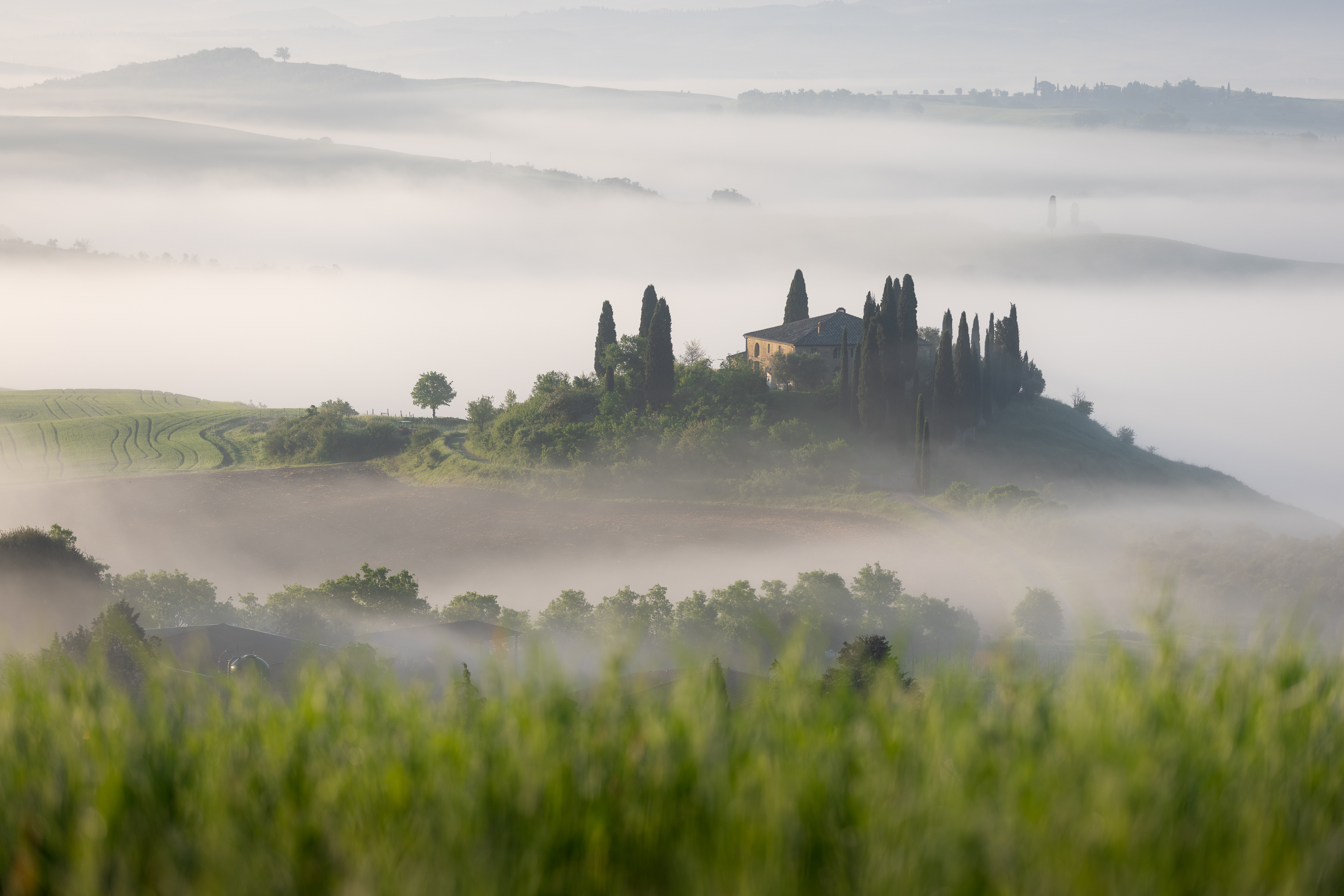
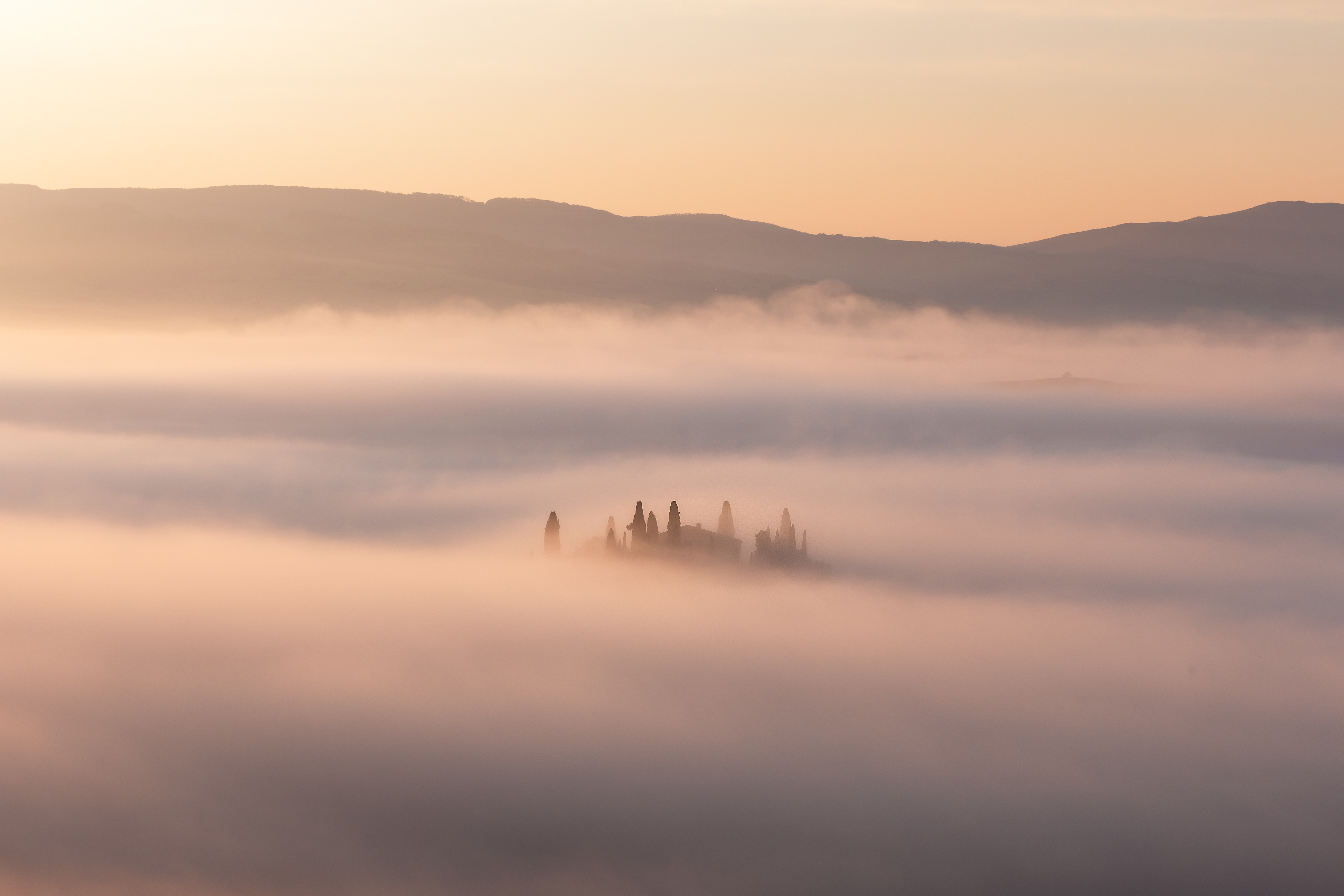
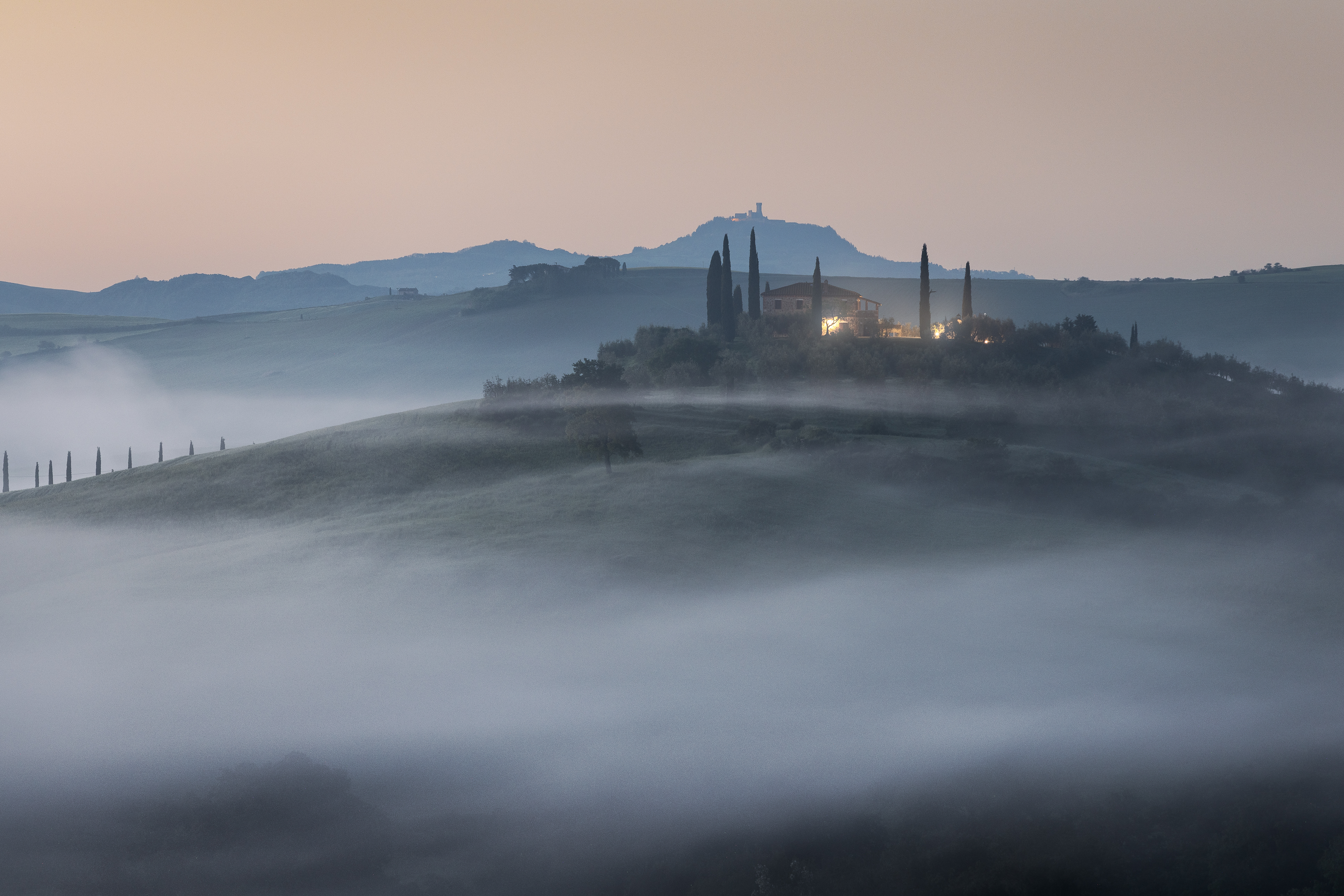
Alle 4:30 suona la sveglia. Mi alzo e torno sulla terrazza davanti il Belvedere per aspettare che il sole colori la scena. Sono il primo ad arrivare, e incredibilmente, dopo nemmeno 10 minuti, si riempie di fotografi. <saremo circa quaranta persone. Tutti speriamo in una bella nebbia mattutina, Le condizioni ci sono tutte., quindi incrociamo le dita ed aspettiamo. Lentamente la luce appare da dietro Pienza, e comincia a dipingere la sua opera. La nebbia si forma, e scende lenta, radente, soffice, come il velo di una sposa. I “click” delle fotocamere non si contano nemmeno più. Droni cominciano a ronzare nell’aria, in cerca dell’immagine mozzafiato.

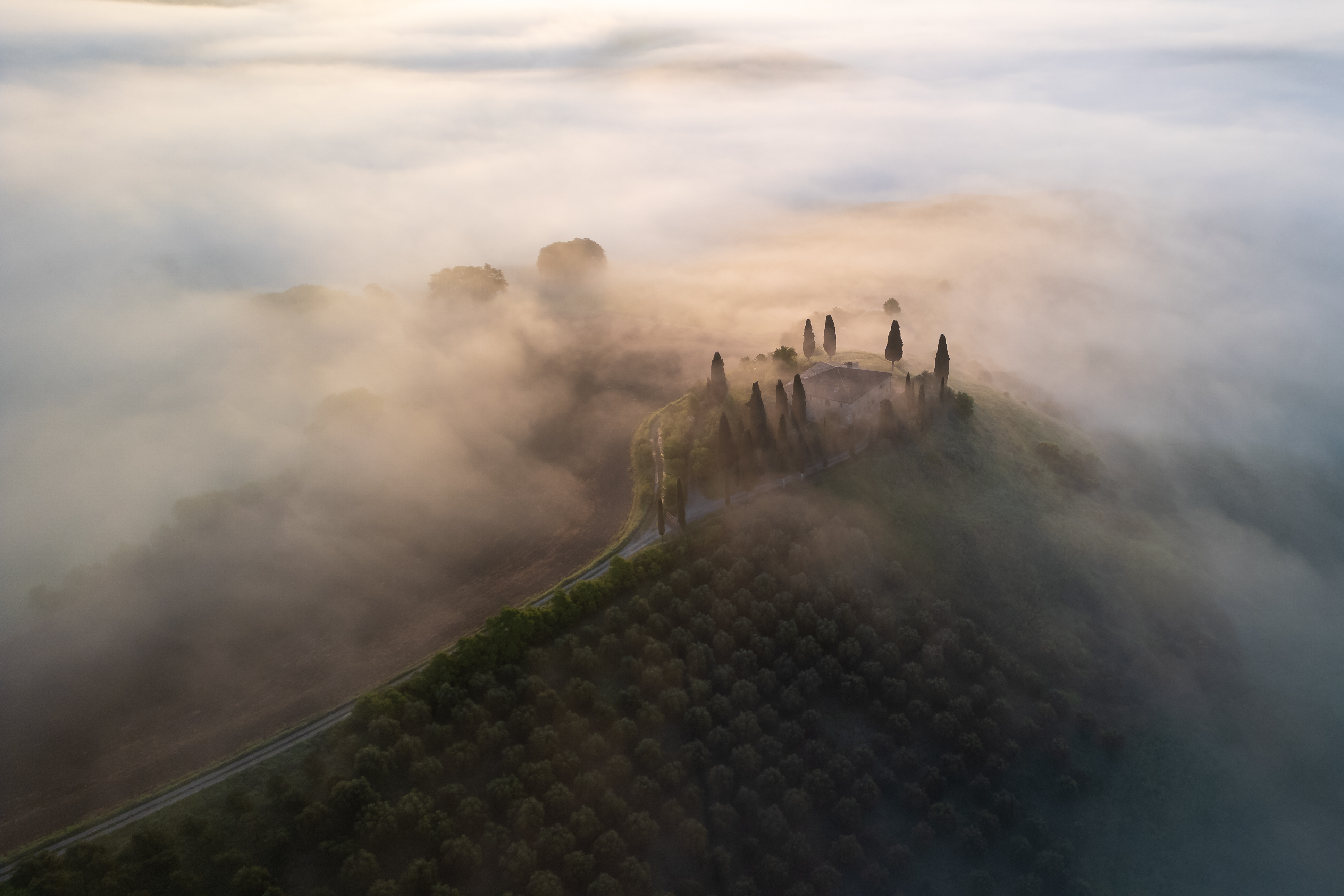
Il podere comincia a spuntare lentamente dalla coltre di nebbia sotto di noi. Una visione letteralmente stupefacente. La meraviglia della natura in tutto il suo splendore. Mi sposto, alzo anch’io il drone in cerca di una diversa visuale. Volare qui è una sensazione incredibile. Magia e libertà.

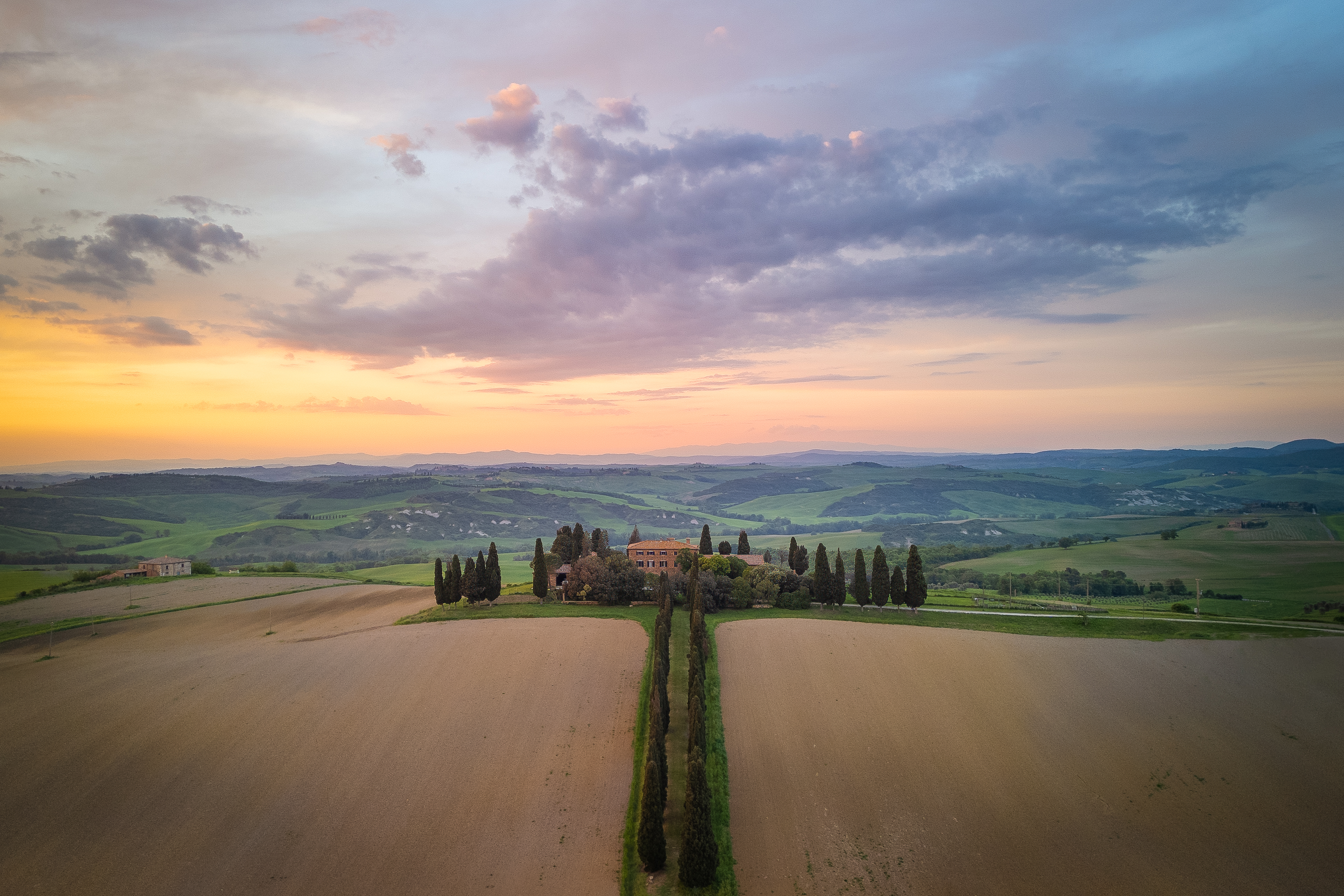
Proseguo il mio giro, visitando il posto assieme alla mia famiglia. Ci godiamo l’essenza della nostra terra, e pianifichiamo dove andare a scattare al tramonto. Optiamo per tornare di fronte al Belvedere, per immortalare la casa del Gladiatore coi colori caldi del tramonto. Mentre ceniamo in camper, il sole pian piano va giù, ed i colori esplodono nel cielo. Un tramonto incredibile, colorato e con mille sfumature dal viola all’arancio e giallo. Lascio tutto e faccio volare il drone. “Click”. Bellissimo ed indimenticabile.

Ripartiamo nel nostro viaggio errante. Direzione Bagnovignoni. Parcheggiamo il camper per la notte, e facciamo un giro notturno nel borgo, attorno alla piscina termale. Un caffè e quattro chiacchiere e ci corichiamo. L’alba arriva presto.

Giorno 3: Poggio Covili e le Crete Senesi

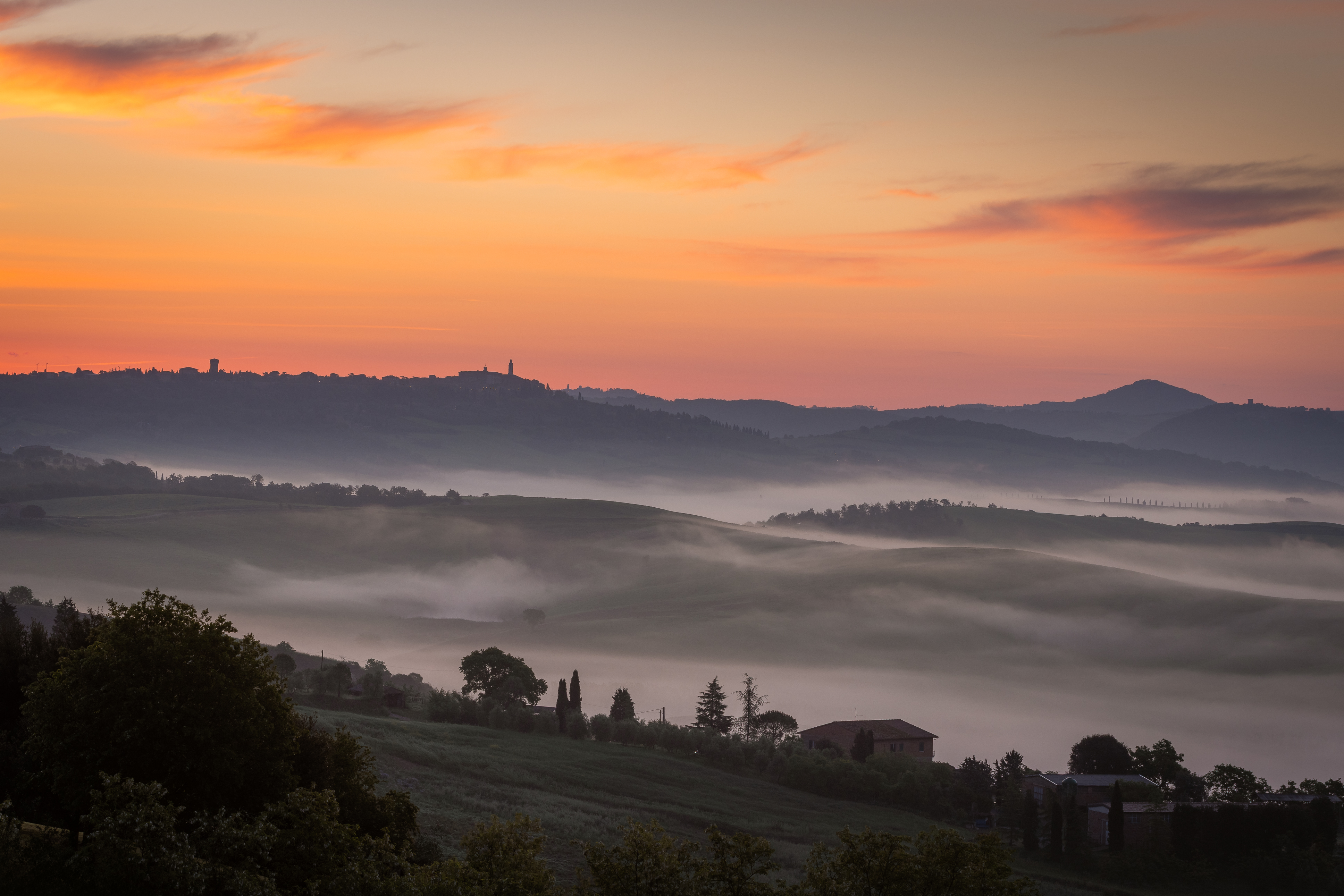
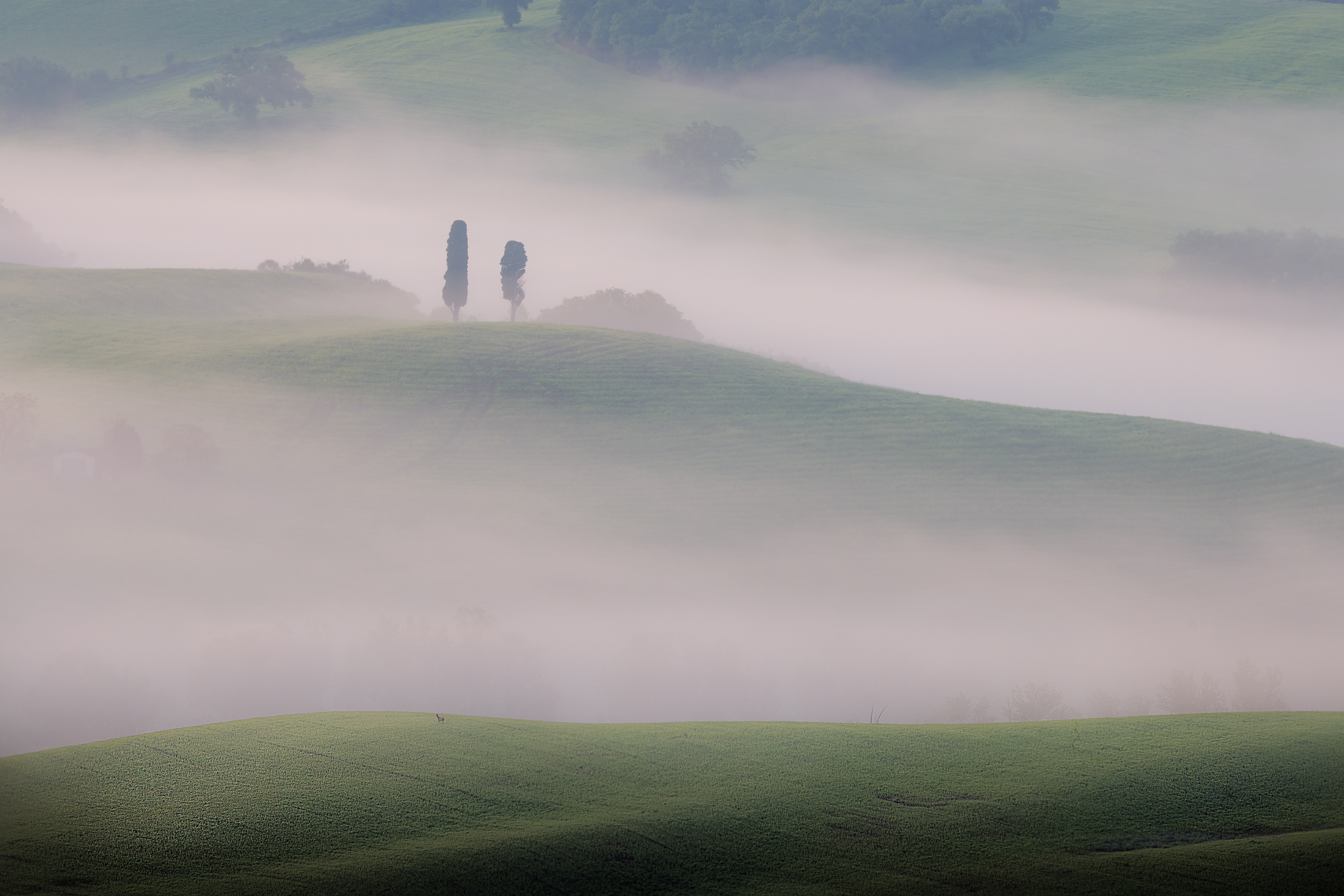
Alle 4:00 suona nuovamente la sveglia. Qui è un appuntamento fisso ormai. Mi dirigo a piedi verso la visuale di Poggiocovili dall’alto. Prima volta che scatto da qua. Il buio è avvolgente, e mi faccio strada con la mia torcia in testa sulla strada in salita. Stamani non sono solo. Sul posto c’è un fotografo che sta dormento in auto. Chiacchieriamo un po’, ed aspettiamo il sole assieme. Anche qua, la location è incredibilmente bella, d in poco tempo si riempie di altri fotografi. La nebbia avvolge copiosa il paesaggio anche stamattina. siamo stati davvero fortunati. Quando il sole sorge, la magia torna a dare spettacolo. giochi di luci ed ombre si snodano tra i filari dei cipressi del podere. Tutto è avvolto nella nebbia candida, eterea, accarezzata dai primi raggi del sole. Una sensazione meravigliosa.

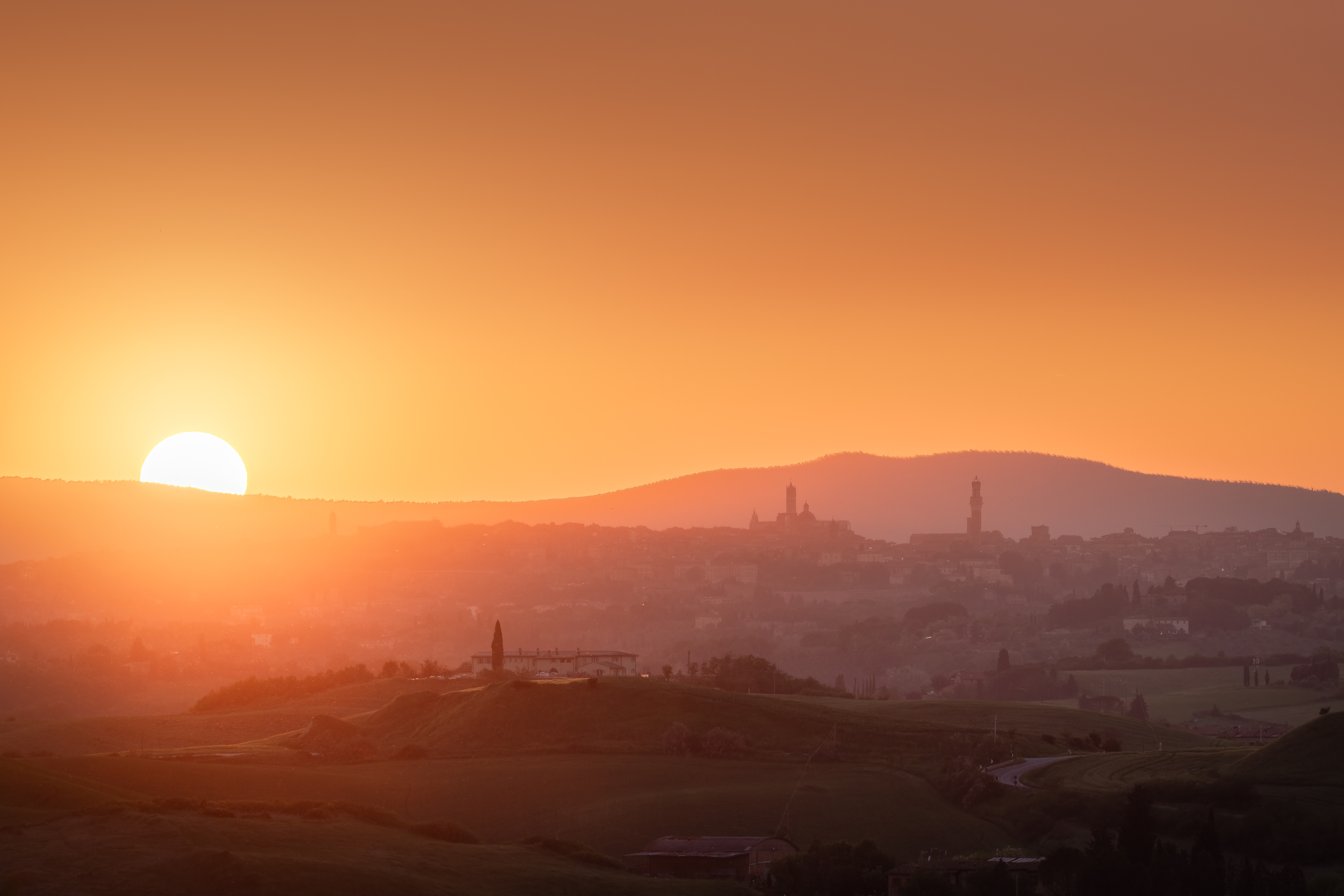
Torno alla base, soddisfatto come non mai. Il viaggio riprende, in direzione delle Crete Senesi. Una location che ho visto solo di passaggio finora. Non ho mai assaporato la bellezza di queste colline. Immortaliamo alcuni spot fotografici interessanti, che, con la luce radente, rivelano contrasti davvero fantastici. Ci fermiamo a Staffolino al tramonto. Il sole muore sopra i campanili di Siena. Quale occasione migliore di scattare con il teleobbiettivo a questa città? Un volo veloce con il drone e via a letto.

Giorno 4: Staffolino e rientro a casa

L’ultimo giorno lo dedichiamo alla località di Staffilino. Qui, il paesaggio è più dispersivo. Il verde del grano si al terna con le crete grigie, ed i profili frastagliati delle colline si alternano come i passi di una danza. Anche se i colori sono più tenui rispetto ai giorni precedenti, c’è una bellezza unica in questo luogo.

Mi sveglio presto. Buio pesto. Il cielo stellato è fantastico qui, col poco inquinamento luminoso di questi posti. Vale la pena di scattare alla via lattea. Giusto un’oretta per vivere il silenzio della Toscana, dove l’unico rumore è il mio cuore che batte, immerso in questo infinito.

Torno a dormire per recuperare qualche energia, per fotografare gli ultimi istanti dell’alba. Al tramonto ha un’atmosfera molto più bella, ma non mi lascio comunque perdere nemmeno questi istanti. Dopo le ultime foto decidiamo di rientrare a casa.

Riflessioni Finali

Questi giorni in Val d’Orcia sono stati un vero e proprio viaggio nei colori e nei suoni della Toscana. Ogni scatto racconta una storia, ogni angolo esplorato ha portato con sé emozioni e memorie. Tornare a casa con una ricca collezione di fotografie è solo una parte del viaggio; ciò che porterò con me sono i momenti condivisi con la mia famiglia, le risate e la meraviglia di trovarsi in un posto così straordinario.

Spero che queste immagini e parole possano ispirare chi legge a scoprire la bellezza della Val d’Orcia e a vivere esperienze simili. La fotografia è un modo per catturare il mondo, ma è anche un modo per connettersi con le persone e i luoghi che amiamo.

Tre giorni a Torino

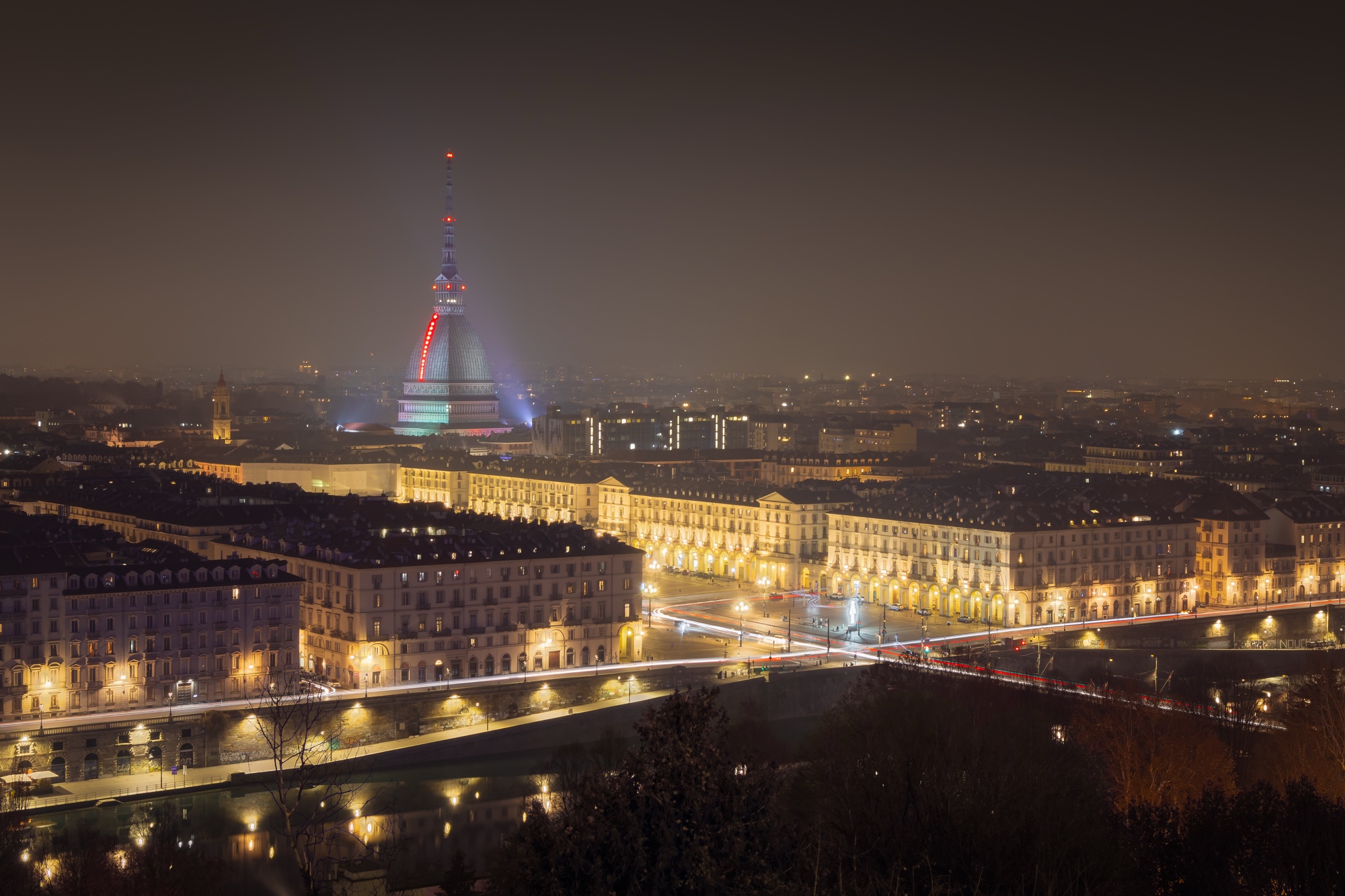
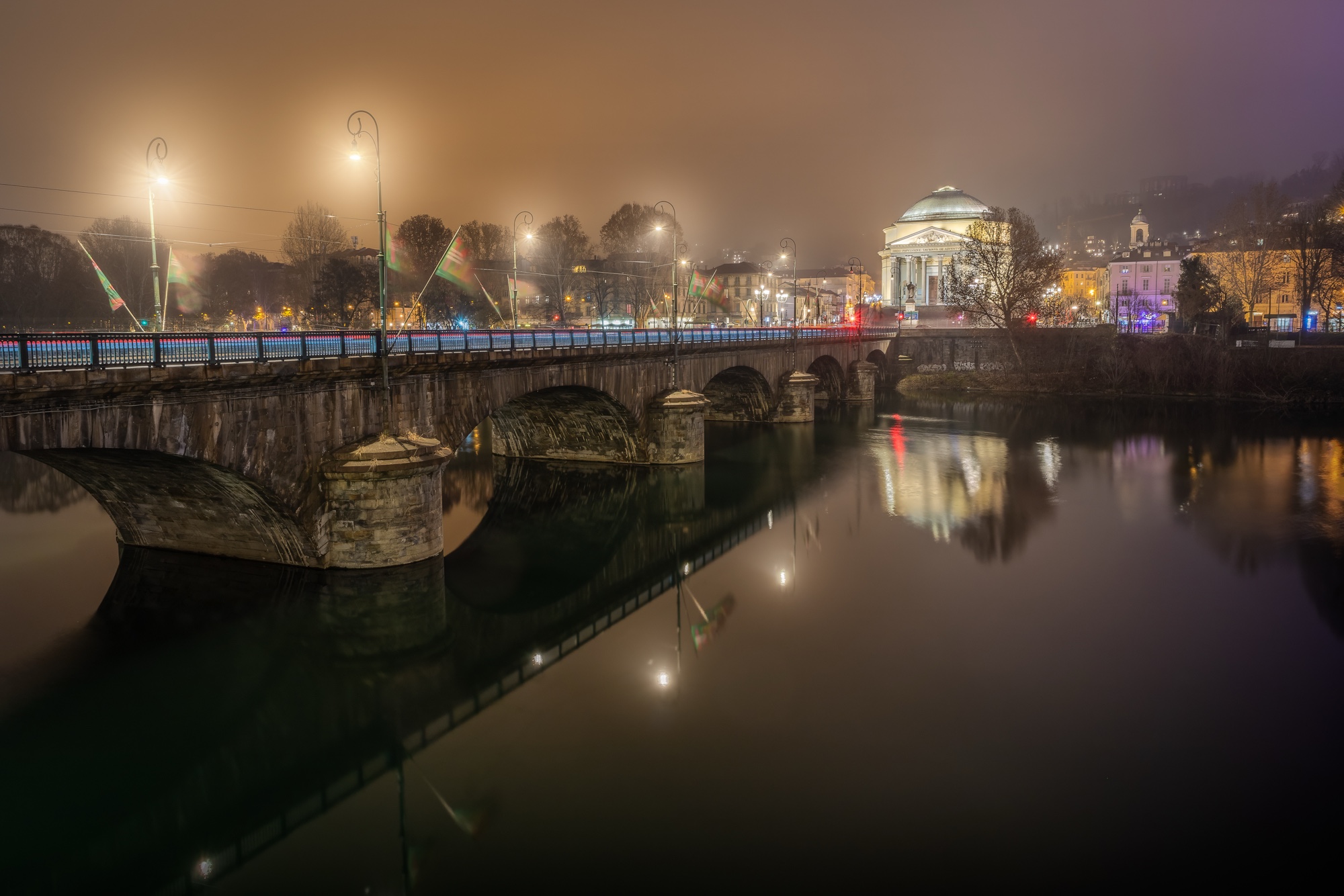
Recentemente ho trascorso tre giorni a Torino con la mia famiglia, un’occasione speciale per immergermi nella bellezza di questa città e catturare la sua anima attraverso la fotografia. Il tempo non è stato dei migliori: freddo pungente, nebbia fitta e luci invernali soffuse. Ma proprio queste condizioni hanno regalato un’atmosfera unica agli scatti che ho realizzato.

Le mie giornate iniziavano presto, all’alba. Mentre la città si svegliava lentamente, io camminavo per le strade semideserte del centro storico, accompagnato solo dal rumore dei miei passi sul selciato umido. La nebbia rendeva le piazze e i vicoli ancora più suggestivi, creando un velo di mistero che ammorbidiva i contorni delle architetture.

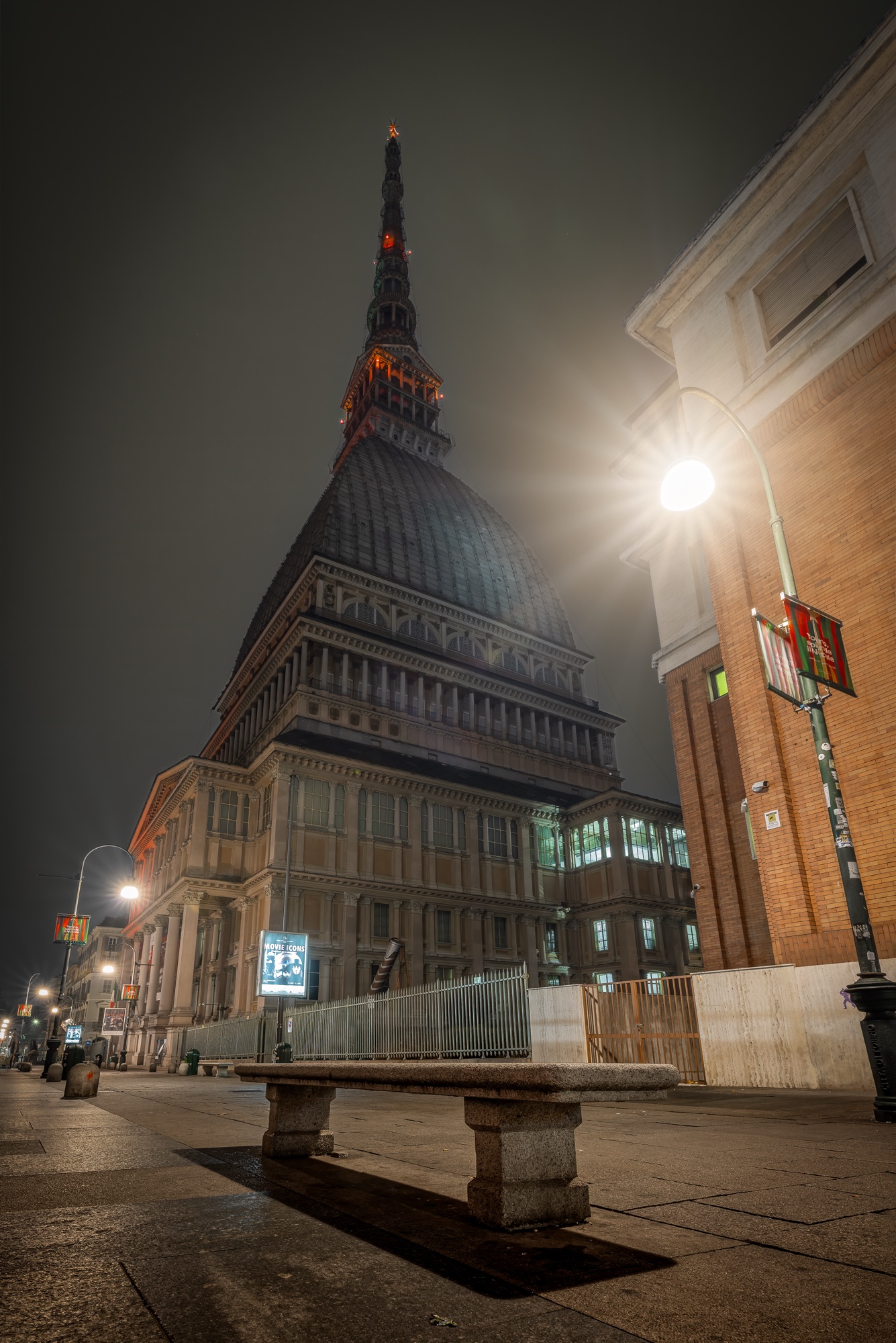
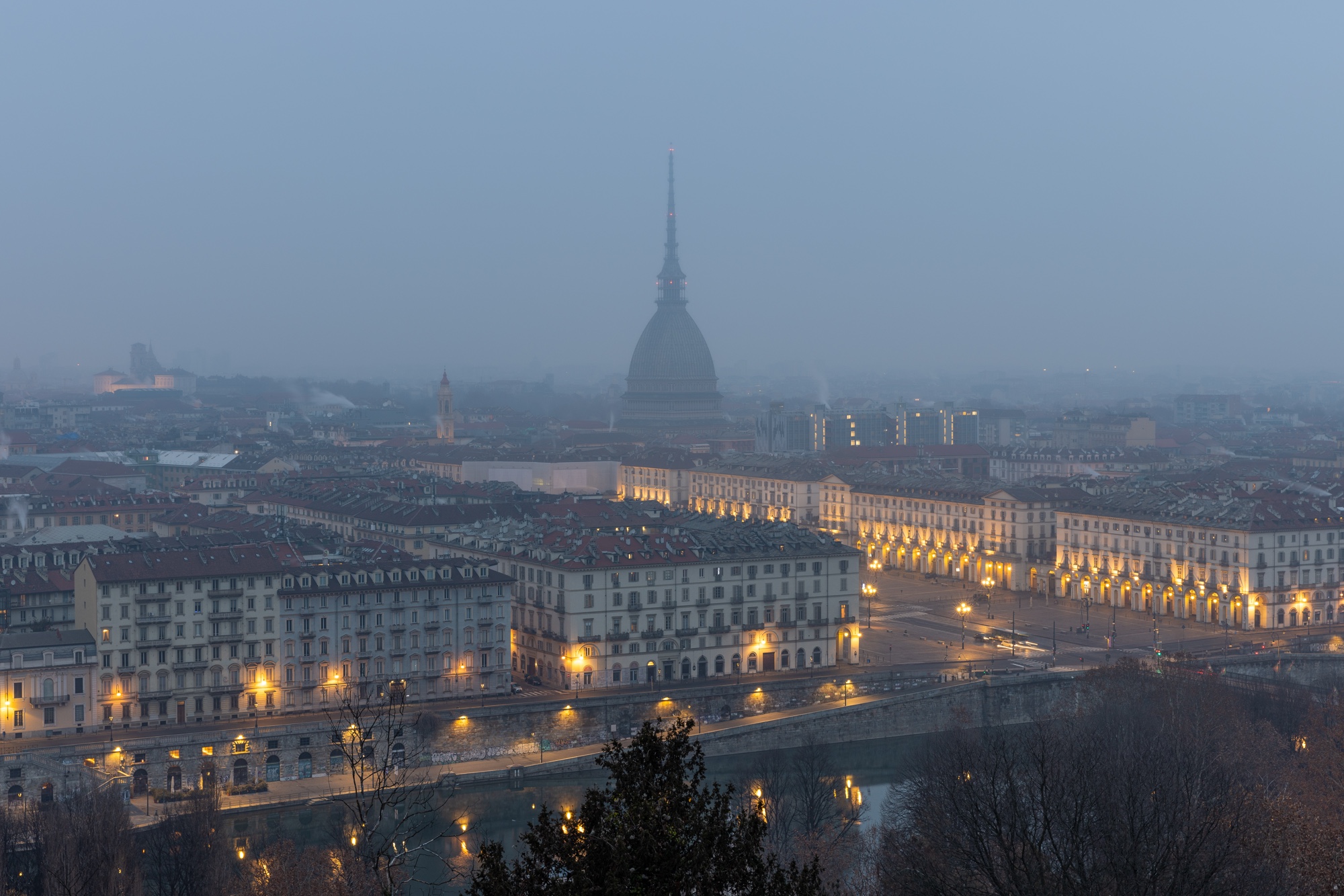
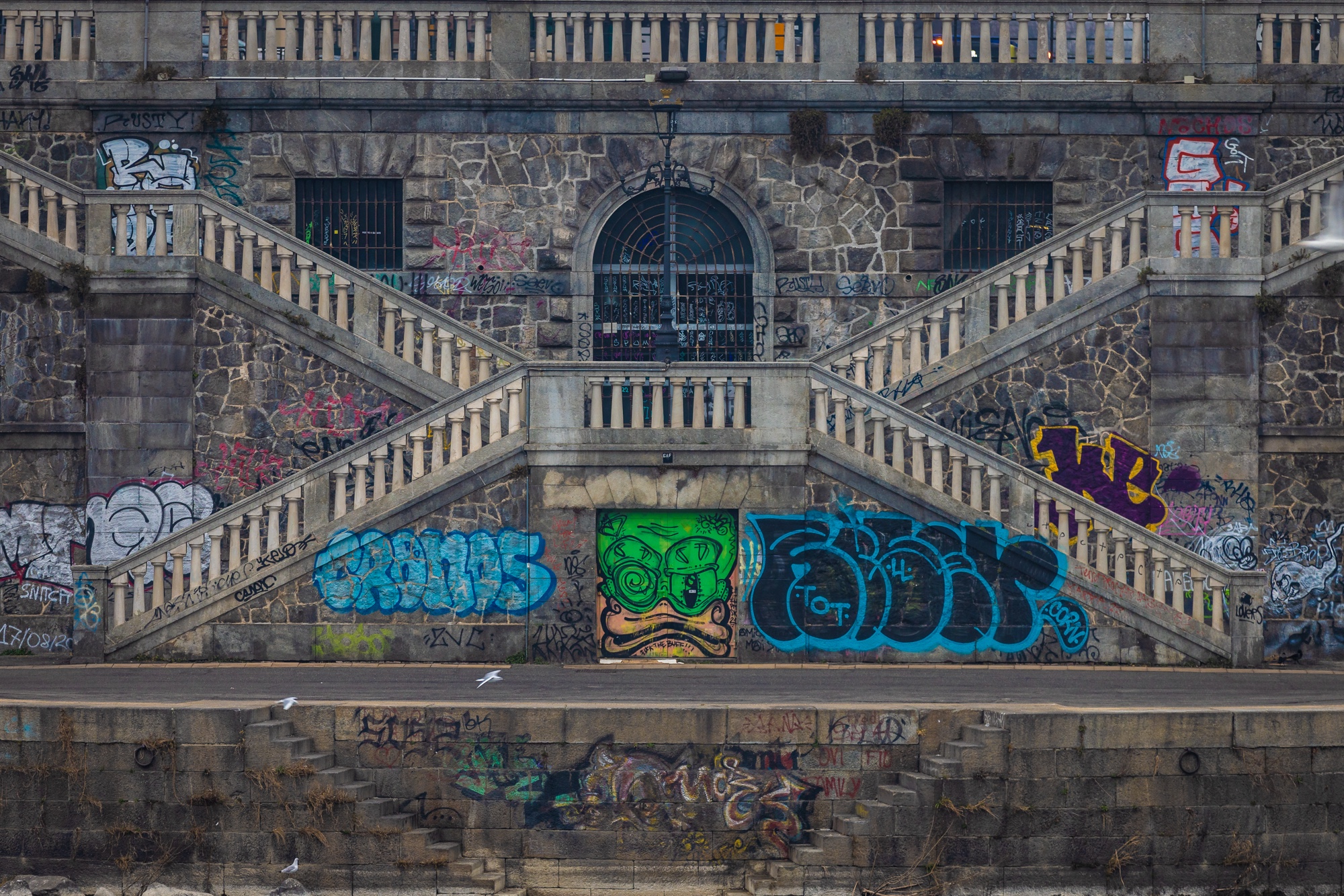
Ho scattato diverse foto alla Mole Antonelliana, che sembrava svanire nel nulla, e alle strade silenziose, dove le luci dei lampioni riflettevano sui ciottoli bagnati.

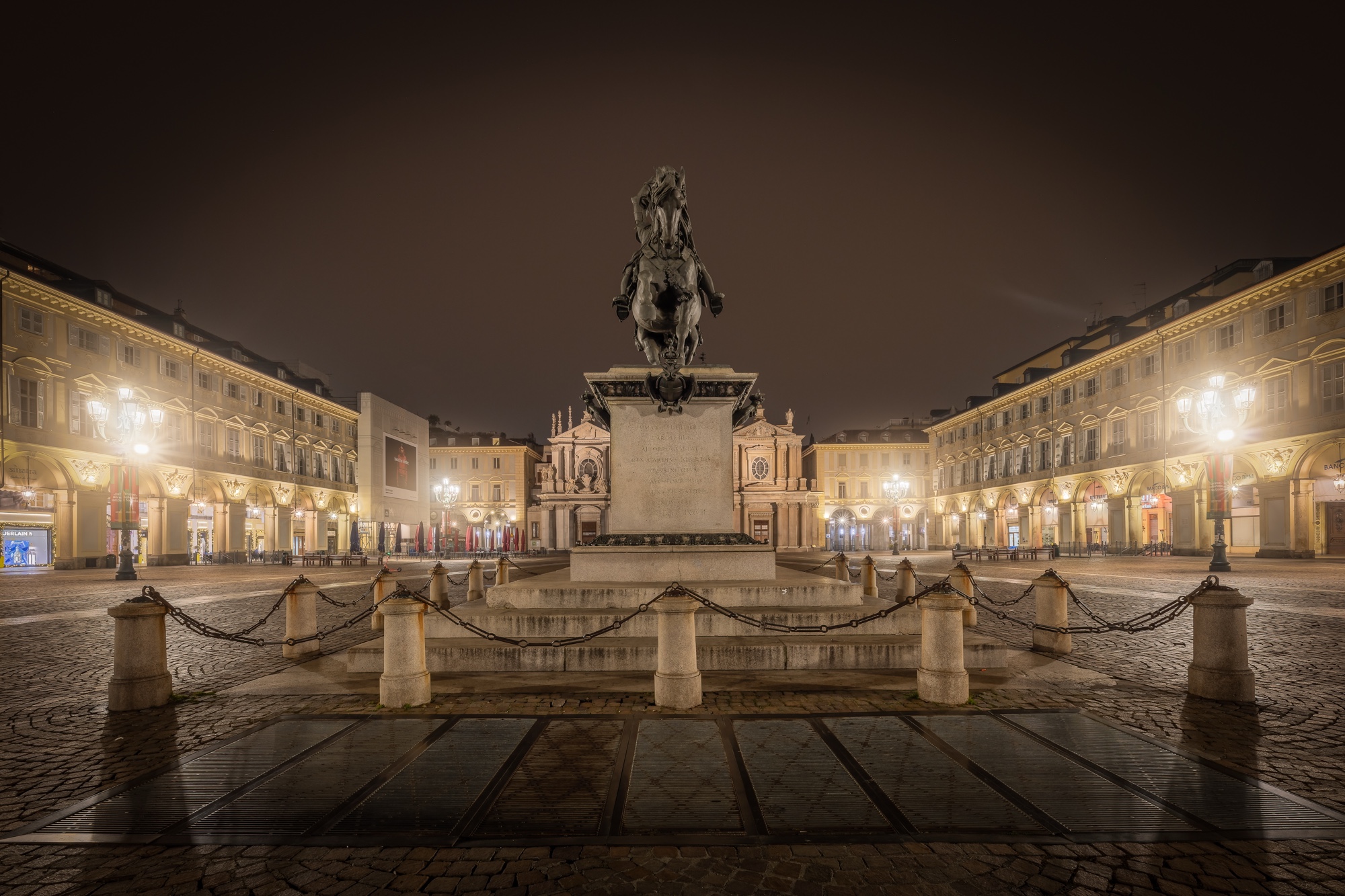
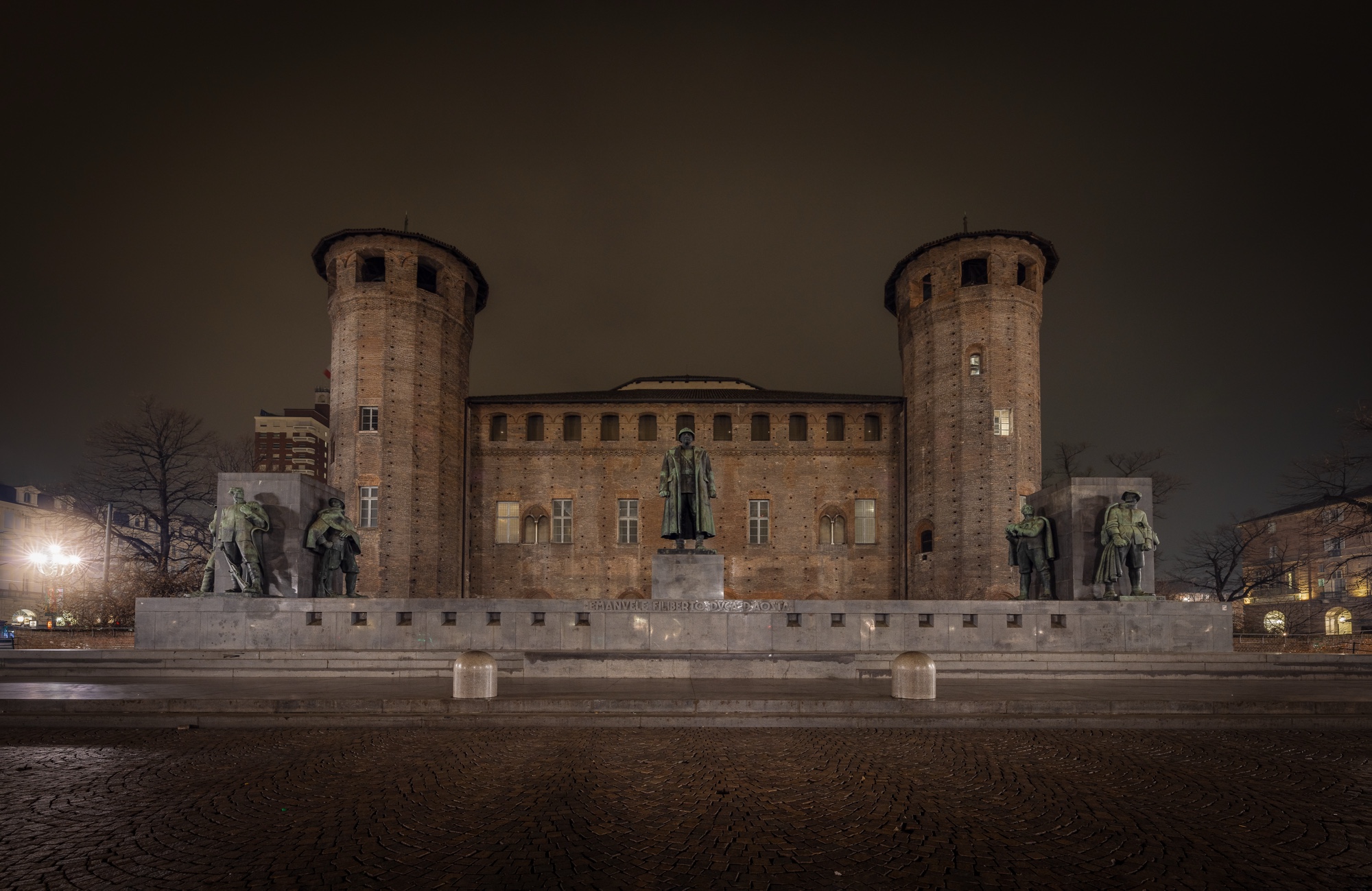
La sera, dopo le giornate passate con la famiglia a esplorare musei e mostre, mi ritagliavo del tempo per fotografare la città illuminata. Le piazze principali, come Piazza Castello e Piazza San Carlo, si animavano di luci calde e riflessi che sembravano amplificare il contrasto con il freddo della notte.

La nebbia del mattino lasciava il posto a una leggera foschia, sufficiente per diffondere la luce e creare scatti quasi onirici. La combinazione di architettura storica e modernità ha dato vita a composizioni uniche.

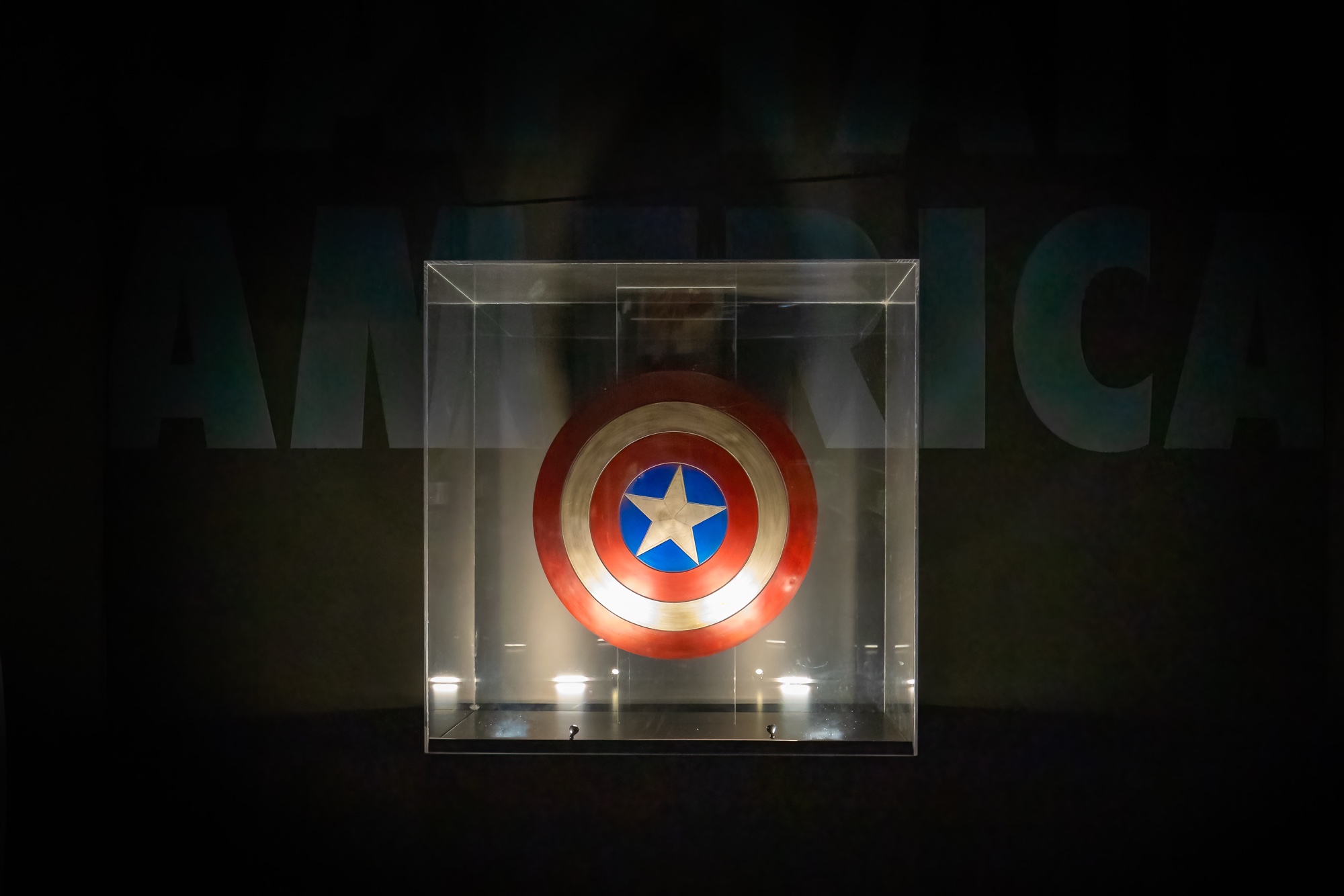
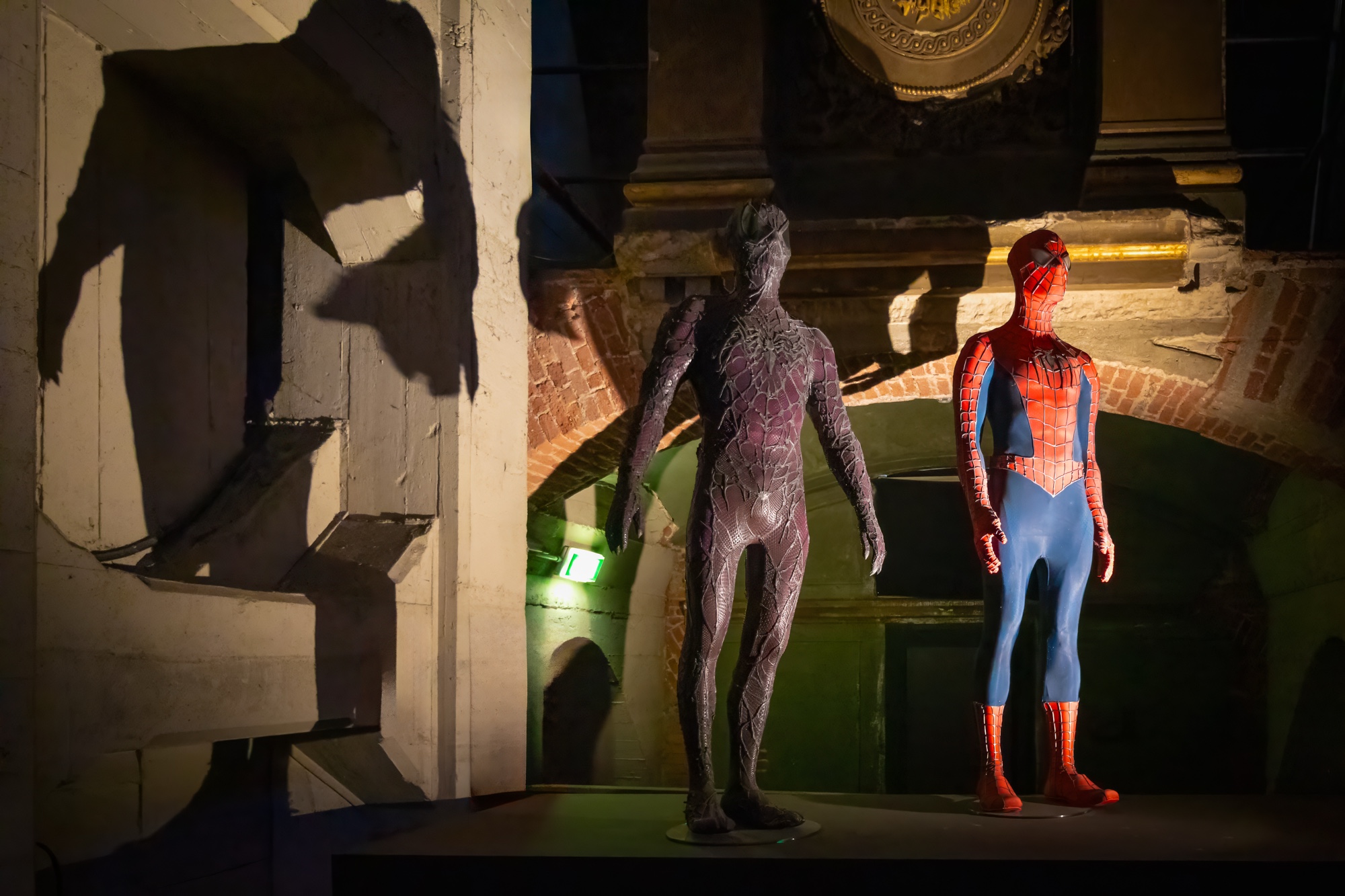
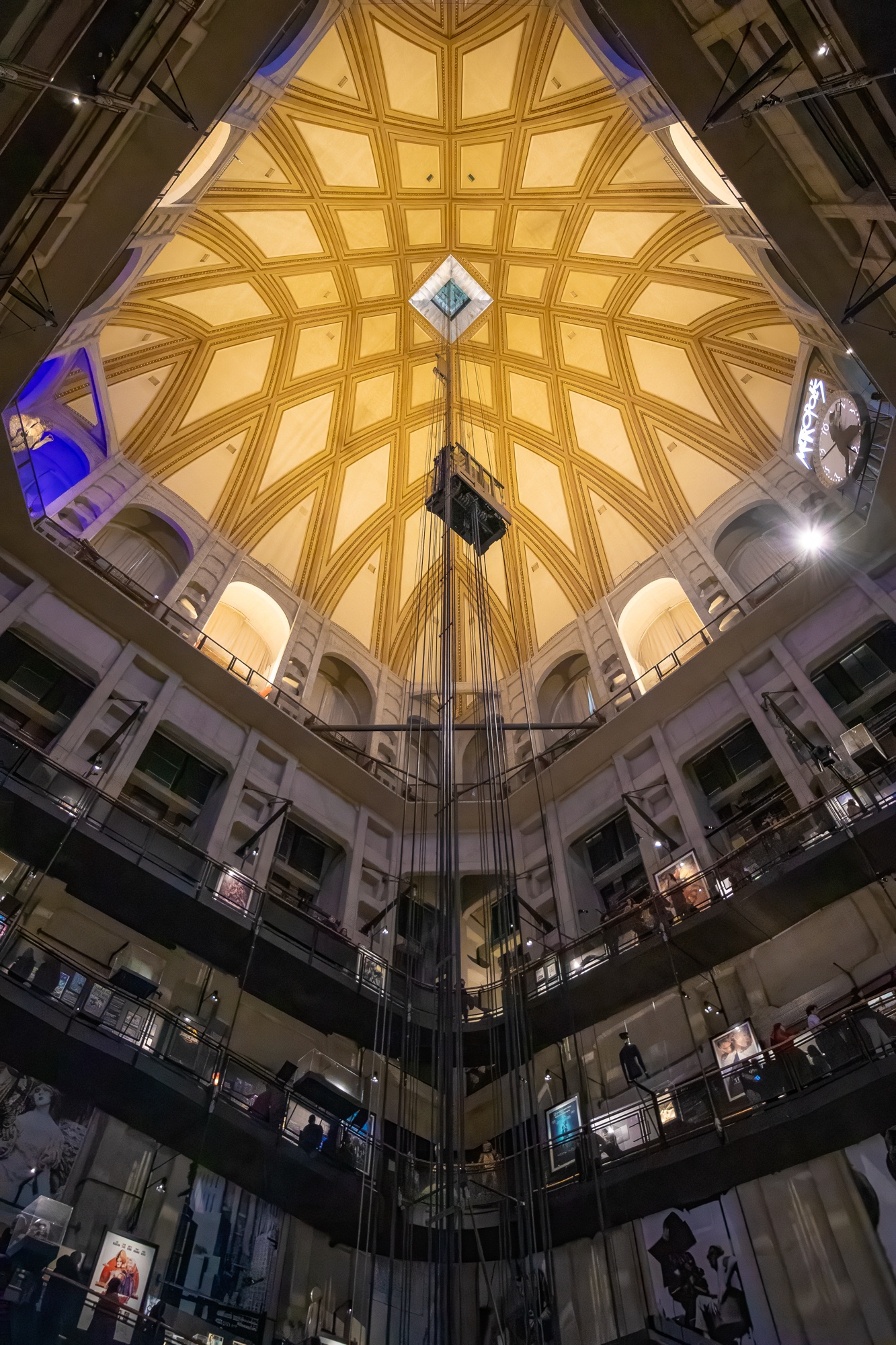
Durante il giorno, con la famiglia, ho visitato alcuni dei luoghi simbolo della città. Non poteva mancare una tappa al Museo Nazionale del Cinema, ospitato proprio nella Mole Antonelliana. Qui, oltre a godermi un’esperienza culturale indimenticabile, ho scattato foto che raccontano il legame tra tradizione e innovazione.

Torino è una città che si presta incredibilmente alla fotografia, specialmente in inverno, quando il suo fascino si tinge di malinconia e poesia. Questi tre giorni sono stati un’occasione per esplorare il connubio tra tempo libero in famiglia e passione per la fotografia. La nebbia e il freddo, lungi dall’essere un ostacolo, si sono rivelati preziosi alleati per creare immagini evocative.

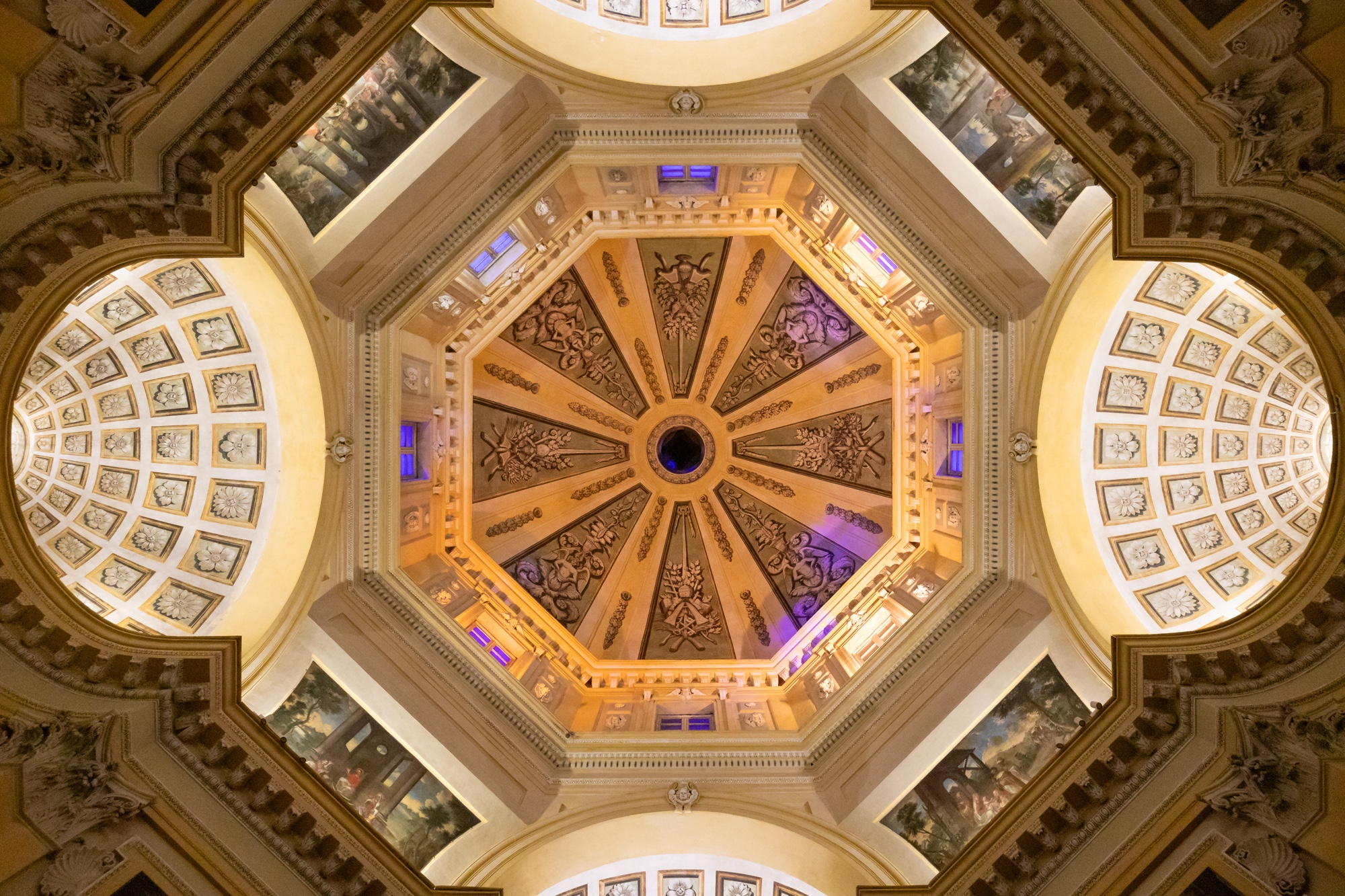
Passeggiando per le piazze principali, ci siamo fermati a osservare i dettagli: statue, palazzi e scorci che sembravano usciti da un dipinto. Ogni angolo di Torino racconta una storia e, attraverso l’obiettivo della macchina fotografica, ho cercato di catturare quelle narrazioni uniche.

Se avete intenzione di visitare Torino, vi consiglio di non lasciarvi scoraggiare dal clima: ogni stagione ha il suo incanto, e anche i giorni più grigi possono diventare l’occasione per scatti indimenticabili.

I recently spent three days in Turin with my family, a special opportunity to immerse myself in the beauty of this city and capture its soul through photography. The weather wasn’t the best: biting cold, thick fog and dim winter lights. But precisely these conditions gave a unique atmosphere to the shots I took.

My days started early, at dawn. While the city slowly woke up, I walked through the semi-deserted streets of the historic center, accompanied only by the sound of my steps on the damp pavement. The fog made the squares and alleys even more evocative, creating a veil of mystery that softened the contours of the architecture.

I took several photos of the Mole Antonelliana, which seemed to vanish into thin air, and of the silent streets, where the lights of the street lamps reflected on the wet cobblestones.

In the evening, after days spent with my family exploring museums and exhibitions, I took time to photograph the illuminated city. The main squares, such as Piazza Castello and Piazza San Carlo, came alive with warm lights and reflections that seemed to amplify the contrast with the cold of the night.

The morning fog gave way to a light mist, enough to diffuse the light and create almost dreamlike shots. The combination of historical architecture and modernity has given rise to unique compositions.

During the day, with my family, I visited some of the symbolic places of the city. A stop at the National Cinema Museum, housed right in the Mole Antonelliana, could not be missed. Here, in addition to enjoying an unforgettable cultural experience, I took photos that tell the story of the link between tradition and innovation.

Walking through the main squares, we stopped to observe the details: statues, buildings and views that seemed to come out of a painting. Every corner of Turin tells a story and, through the lens of the camera, I tried to capture those unique narratives.

Turin is a city that lends itself incredibly to photography, especially in winter, when its charm is tinged with melancholy and poetry. These three days were an opportunity to explore the combination of family free time and passion for photography. The fog and the cold, far from being an obstacle, proved to be precious allies in creating evocative images.

If you intend to visit Turin, I advise you not to be discouraged by the climate: every season has its own charm, and even the grayest days can become an opportunity for unforgettable shots.

Una Serata tra Luci Natalizie e Fotografia

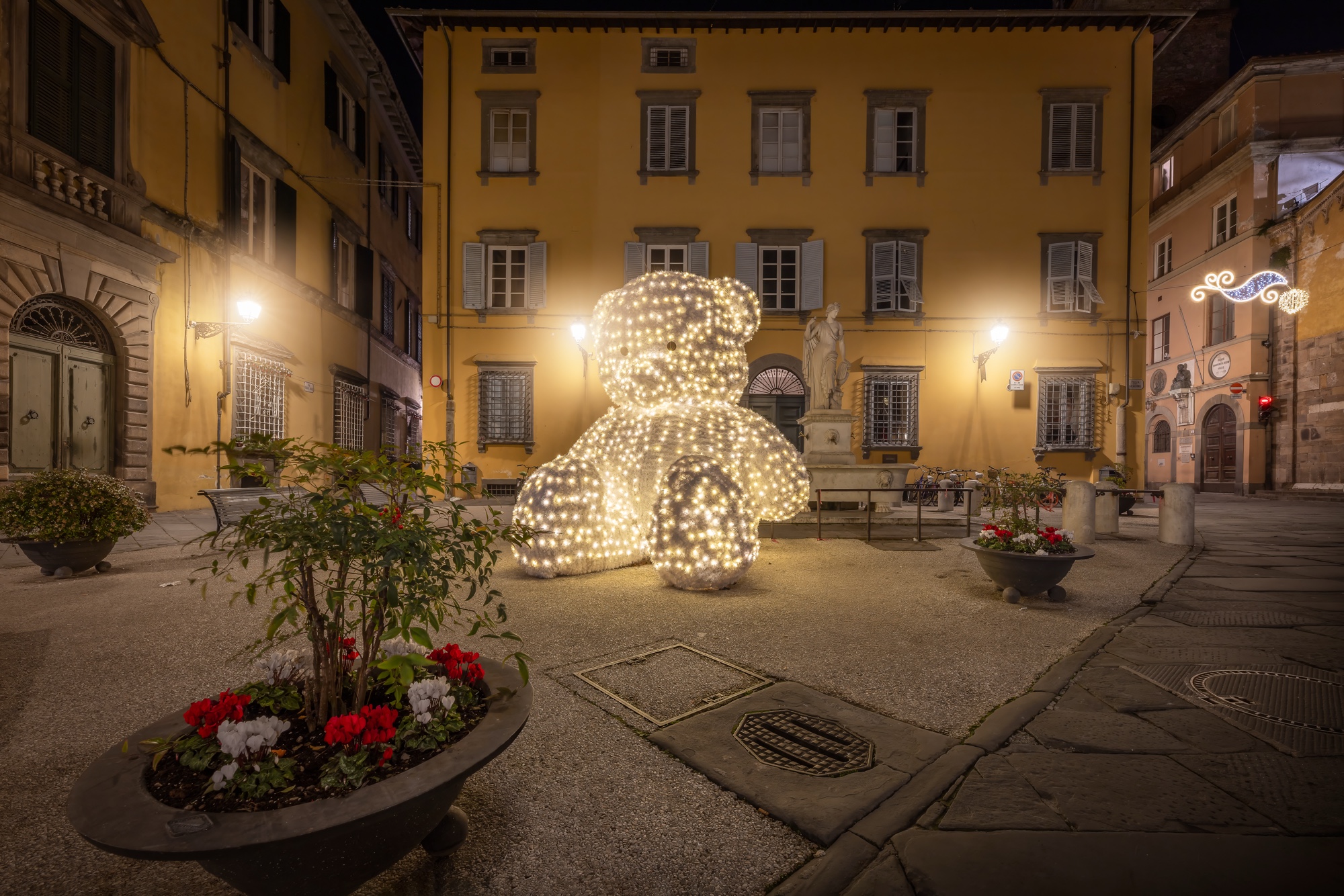
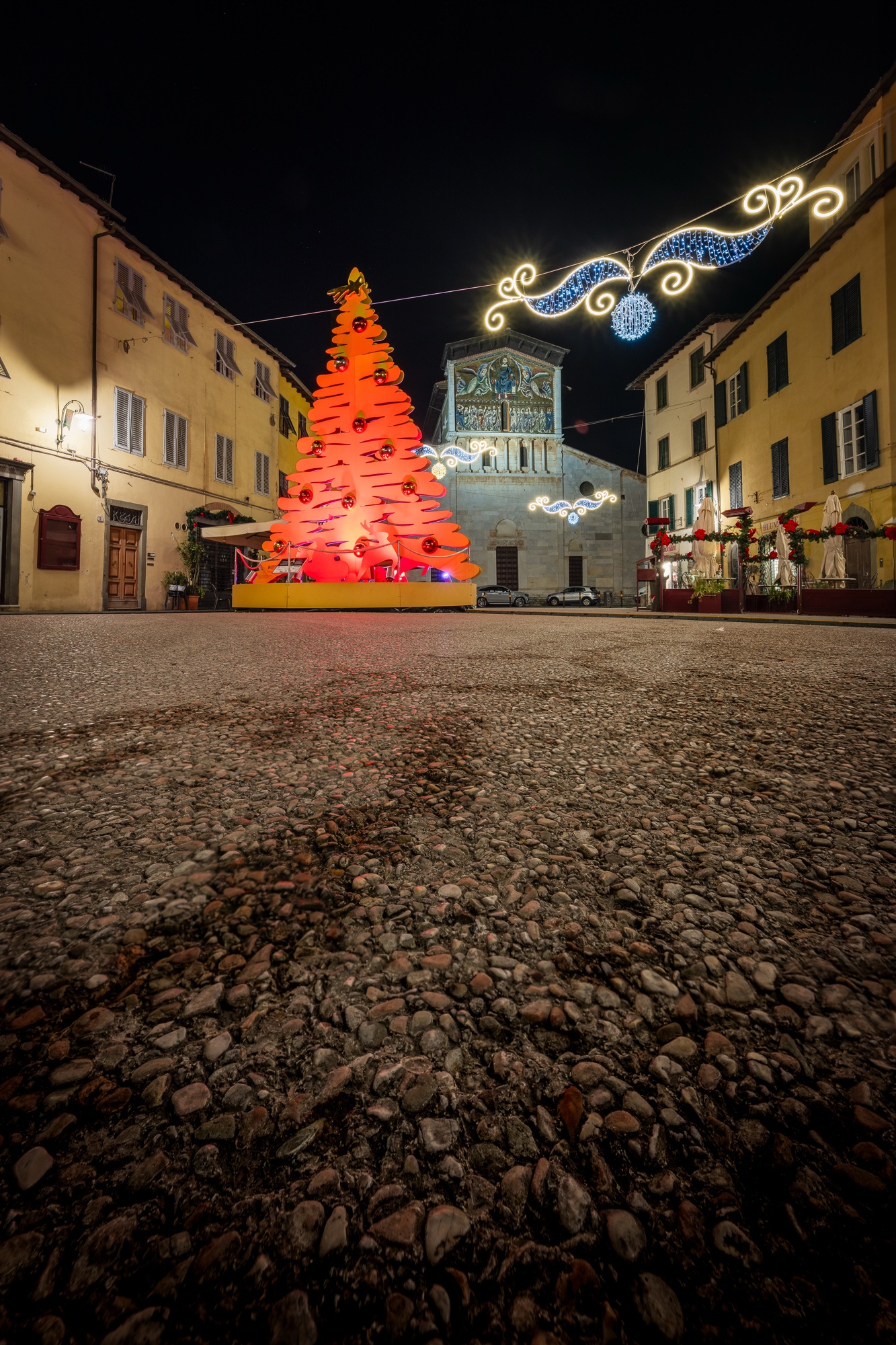
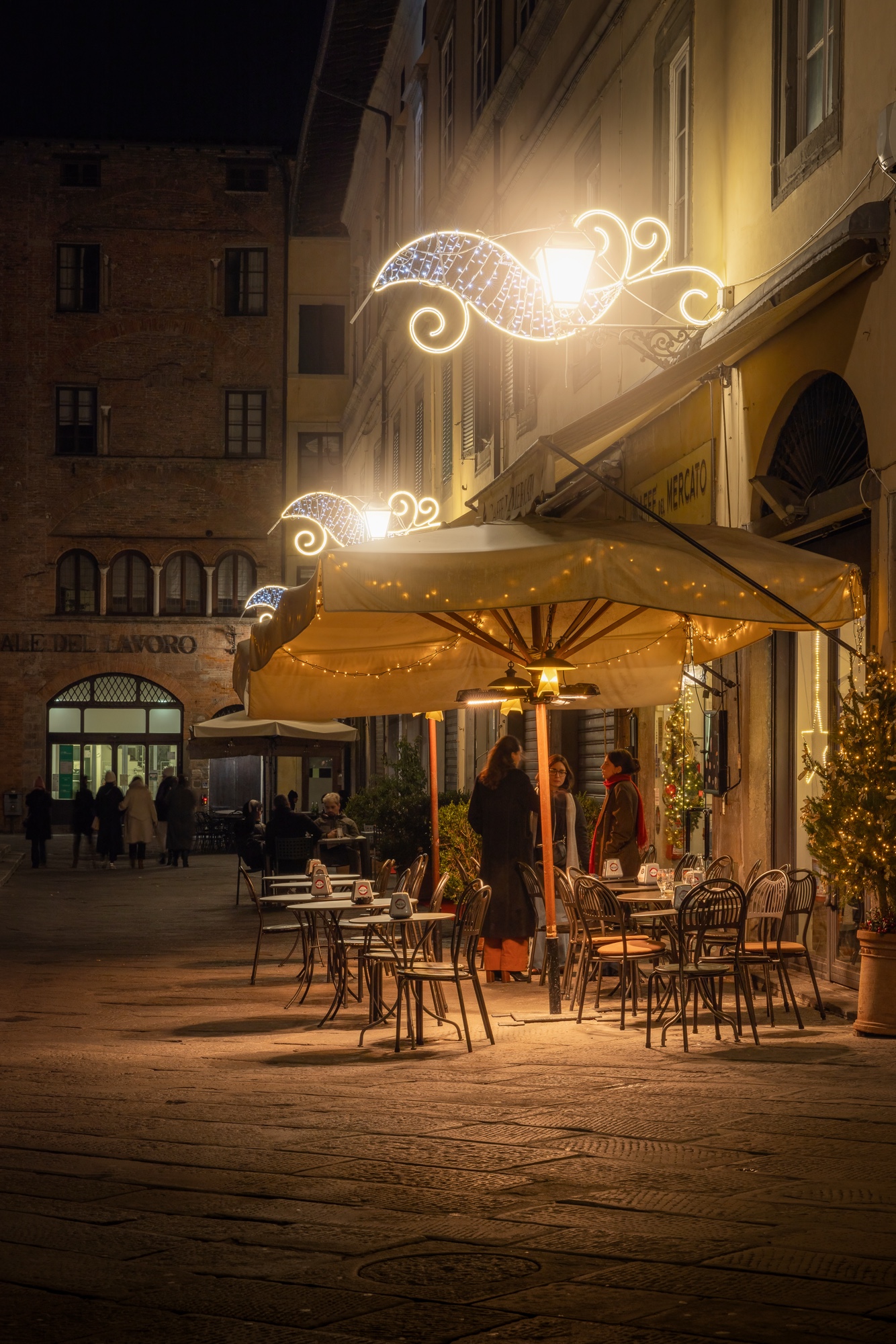
C’è un’atmosfera magica che avvolge Lucca durante il periodo natalizio. Le sue strade strette, i vicoli acciottolati e le piazze eleganti si trasformano grazie a un gioco di luci e decorazioni che rende la città ancora più affascinante.

Qualche giorno fa, ho avuto il piacere di esplorare questa meravigliosa cornice in compagnia del mio amico Claudio, con la macchina fotografica pronta a catturare ogni dettaglio.

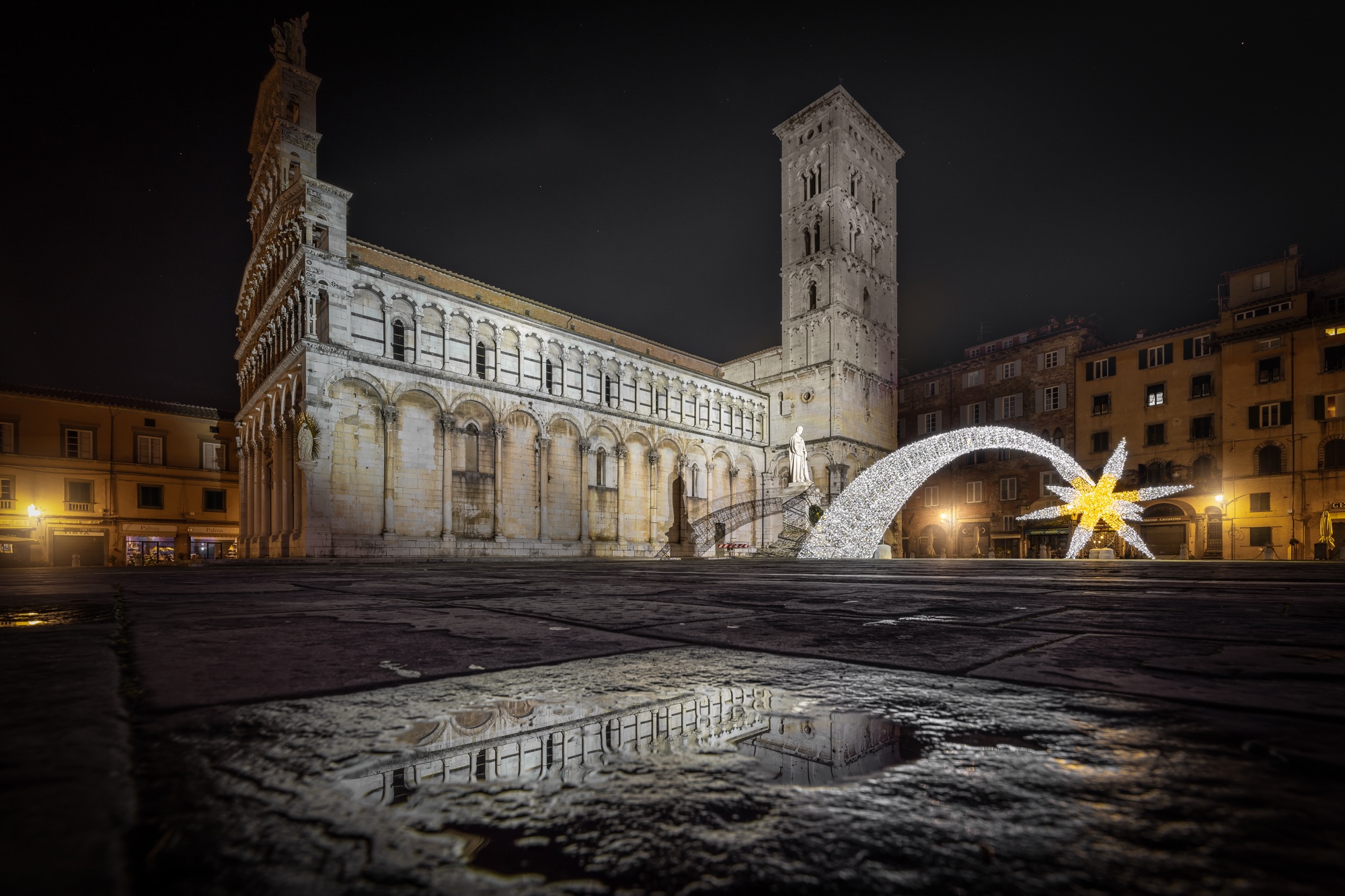
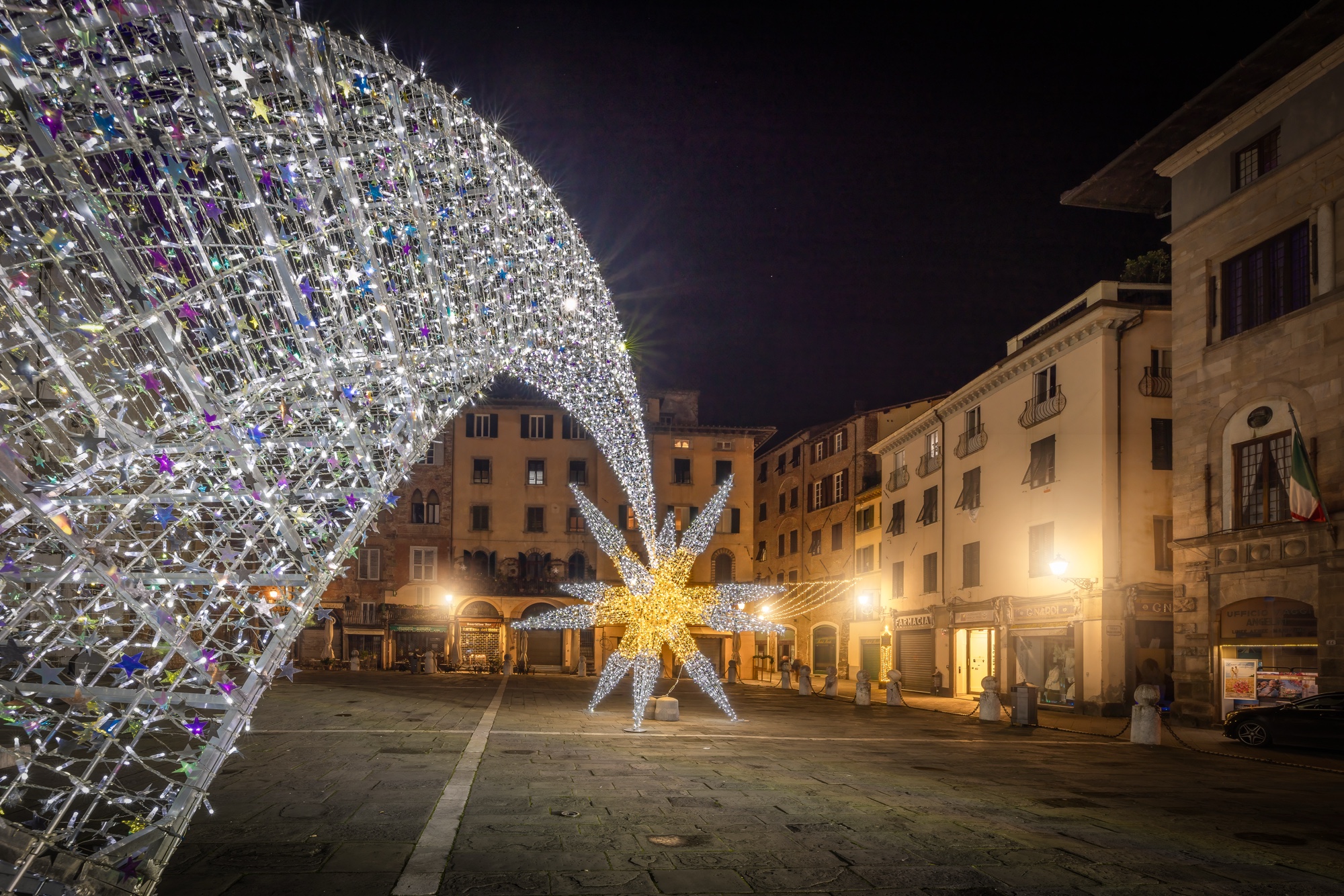
Appena arrivati, siamo stati accolti da una città che sembrava un dipinto. Piazza San Michele, con la sua maestosa chiesa, era decorata con luci calde e una bella stella in mezzo alla piazza, che ne esaltavano i dettagli architettonici. La facciata illuminata sembrava quasi respirare sotto l’effetto delle luci, e non potevamo non fermarci per scattare alcune foto. Ho cercato di giocare coi riflessi di alcune pozzanghere che aspettavano il giorno successivo di asciugarsi, per creare inquadrature particolari e diverse dal solito.

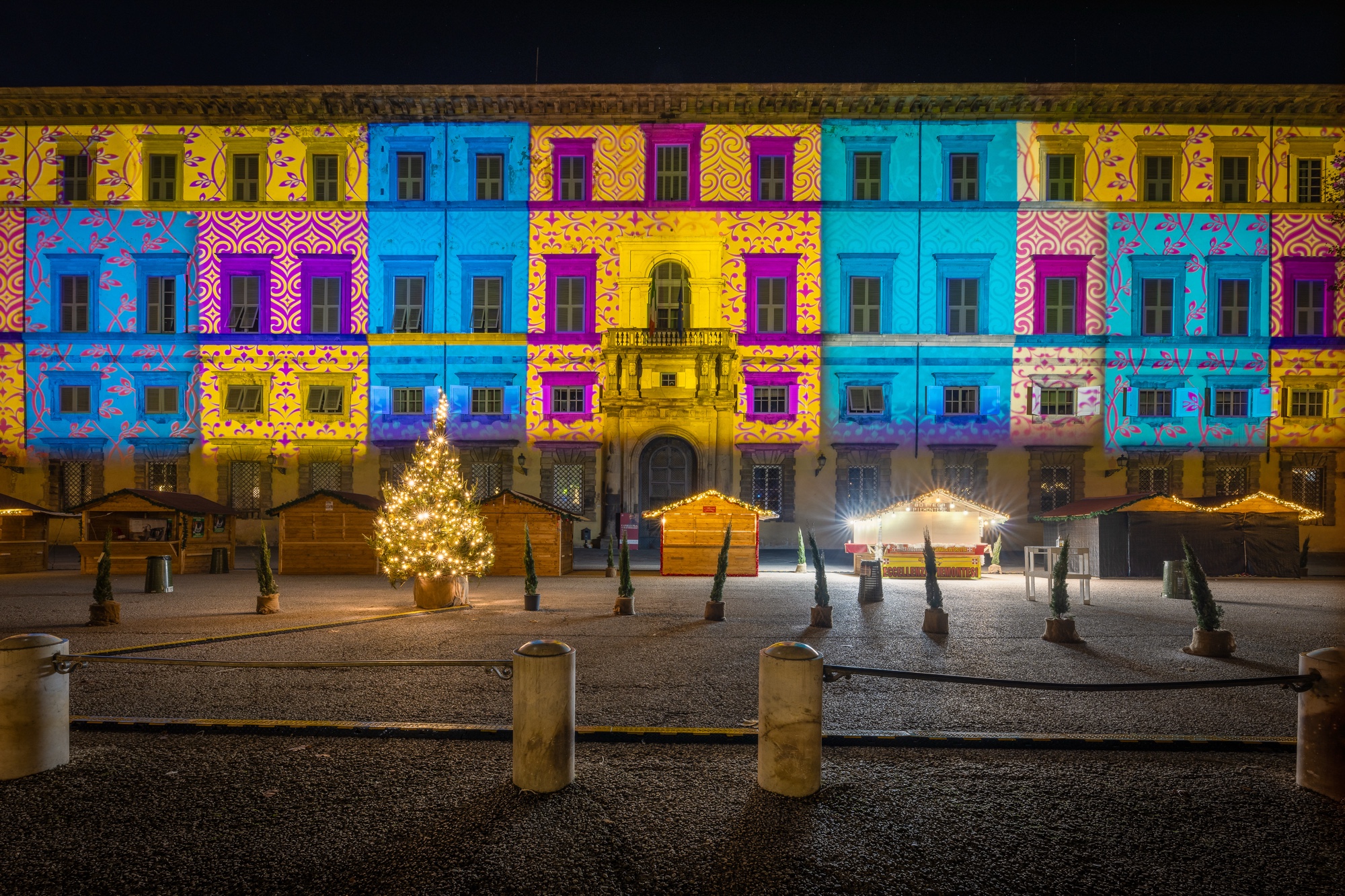
Da lì ci siamo diretti verso Piazza Napoleone, il cuore pulsante della città durante le festività. Quest’anno, un piccolo villaggio in puro stile tirolese dominava al piazza, mentre un ricco gioco di luci disegnava le facciate del Palazzo Ducale, creando uno sfondo colorato ed intrigante.

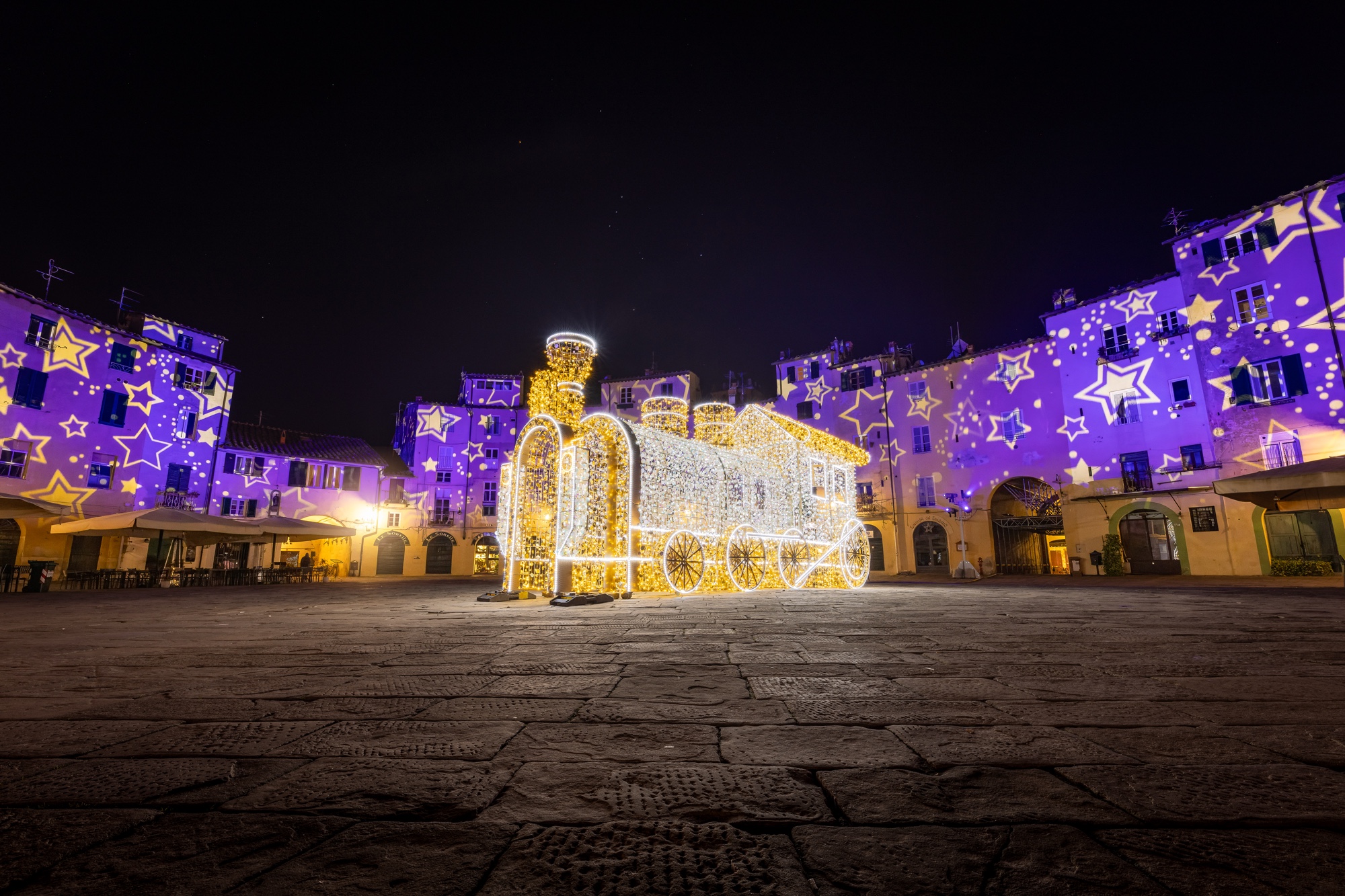
Non poteva mancare l’anfiteatro, col suo fantastico trenino illuminato, punto di ritrovo preferito dei bambini. Le case tutte attorno illuminate a festa, con una serie di stelle che, muovendosi dolcemente, accarezzano i muri e le finestre. Un tripudio di colori e di festa.

Nonostante il freddo pungente, la serata si è rivelata un vero successo fotografico e umano. Fotografare Lucca durante il Natale non significa solo catturare immagini, ma vivere l’atmosfera di una città che riesce a raccontare storie con le sue luci e i suoi dettagli.

Se stai pensando di visitare Lucca in questo periodo, non dimenticare di portare la macchina fotografica. Lasciati ispirare dalle sue piazze vestite a festa e dai giochi di luce che rendono ogni angolo unico. E, magari, fatti accompagnare da un buon amico come Claudio: condividere la passione per la fotografia rende tutto ancora più speciale.

There is a magical atmosphere that envelops Lucca during the Christmas period. Its narrow streets, cobbled alleys and elegant squares are transformed thanks to a play of lights and decorations that make the city even more fascinating.

A few days ago, I had the pleasure of exploring this wonderful setting in the company of my friend Claudio, with the camera ready to capture every detail.

As soon as we arrived, we were greeted by a city that looked like a painting. Piazza San Michele, with its majestic church, was decorated with warm lights and a beautiful star in the middle of the square, which enhanced its architectural details. The illuminated facade almost seemed to breathe under the effect of the lights, and we couldn’t help but stop to take some photos. I tried to play with the reflections of some puddles that were waiting for the next day to dry, to create particular shots that were different from the usual.

From there we headed towards Piazza Napoleone, the beating heart of the city during the holidays. This year, a small village in pure Tyrolean style dominated the square, while a rich play of lights outlined the facades of the Palazzo Ducale, creating a colorful and intriguing background.

The amphitheater could not be missed, with its fantastic illuminated train, a favorite meeting point for children. The houses all around light up festively, with a series of stars that, moving gently, caress the walls and windows. A riot of colors and celebration.

Despite the biting cold, the evening proved to be a true photographic and human success. Photographing Lucca during Christmas does not just mean capturing images, but experiencing the atmosphere of a city that manages to tell stories with its lights and details.

If you are thinking of visiting Lucca during this period, don’t forget to bring your camera. Let yourself be inspired by its festively dressed squares and the play of light that makes every corner unique. And, perhaps, be accompanied by a good friend like Claudio: sharing the passion for photography makes everything even more special.

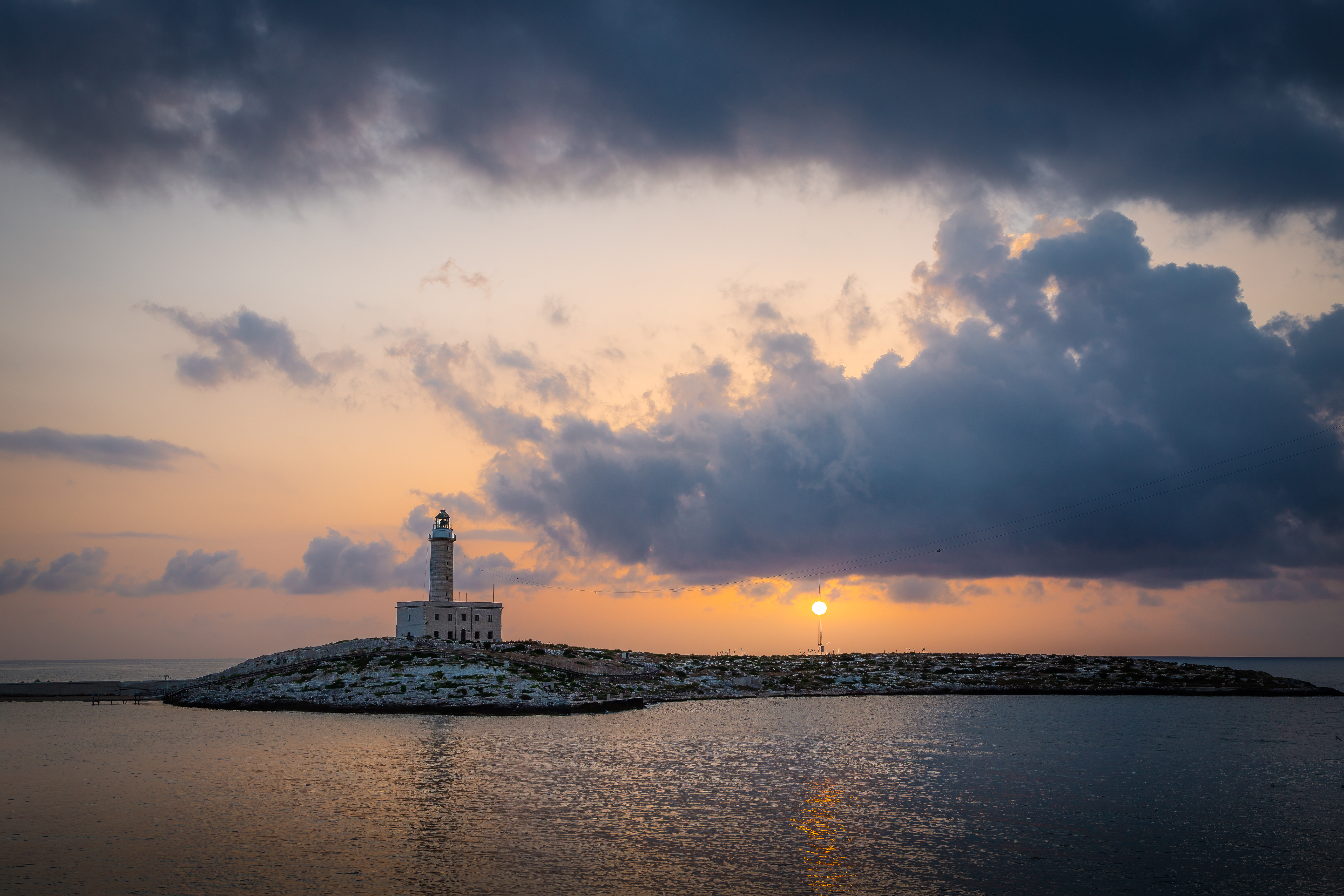
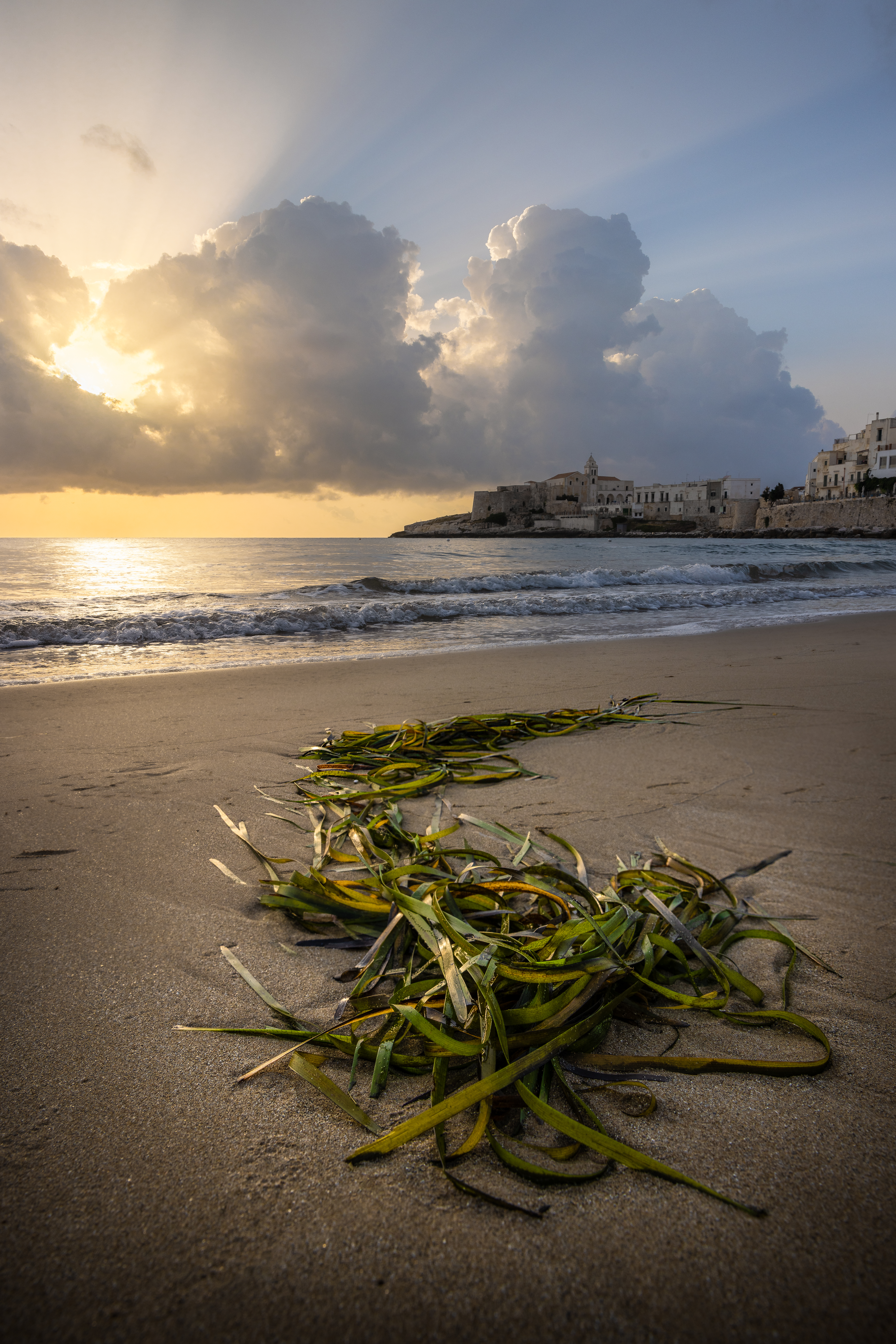
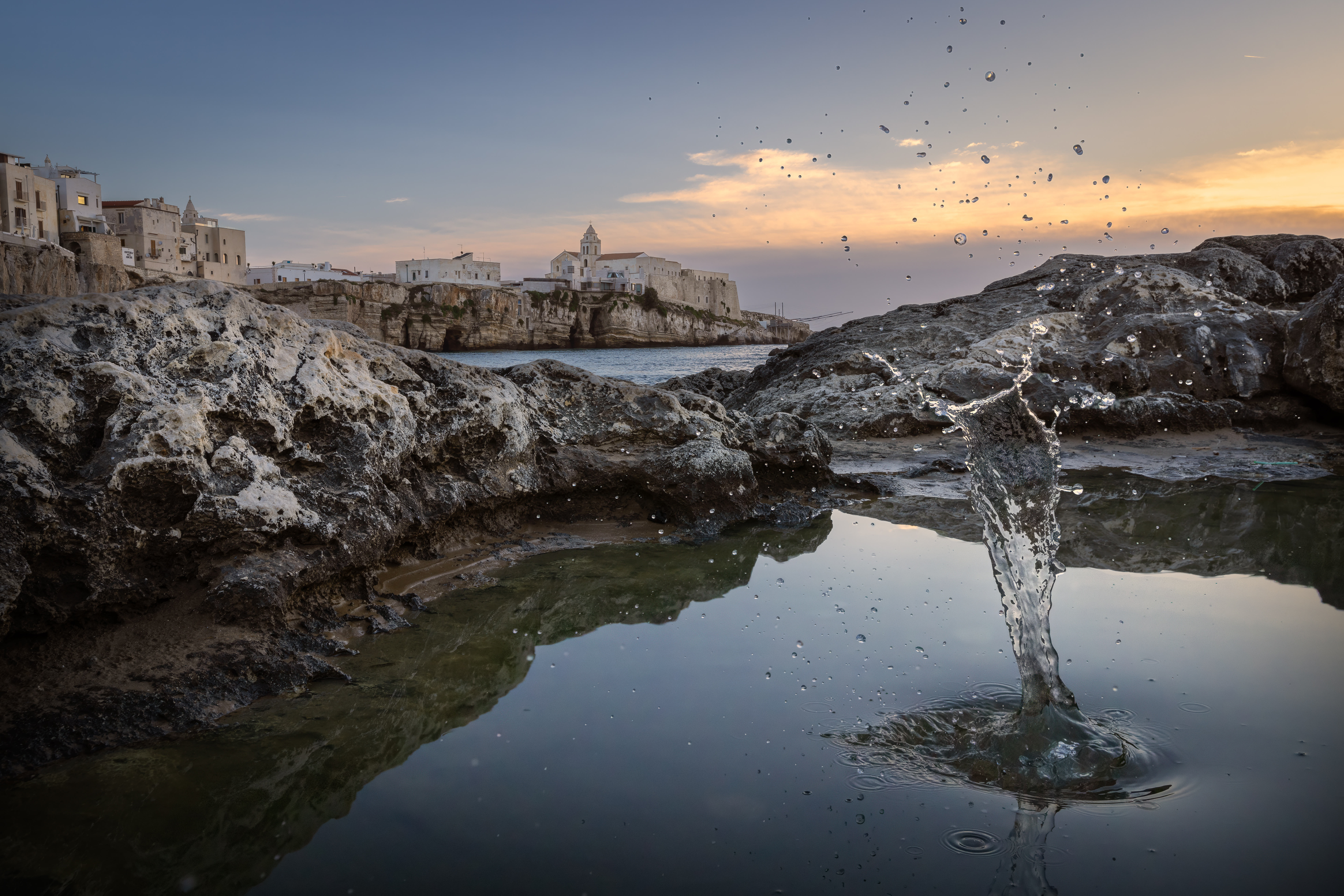
Vieste: scorci e tradizione del Gargano

Durante le vacanze estive di settembre, ho avuto l’opportunità di visitare Vieste, una perla del Gargano che mi ha incantato con i suoi paesaggi mozzafiato e le tradizioni che caratterizzano questo angolo di Puglia. Armato di macchina fotografica, ho esplorato il borgo, i trabucchi e gli scorci naturali più suggestivi che fanno di Vieste una delle mete più affascinanti per gli appassionati di fotografia.

Vieste: Tra Storia e Mare

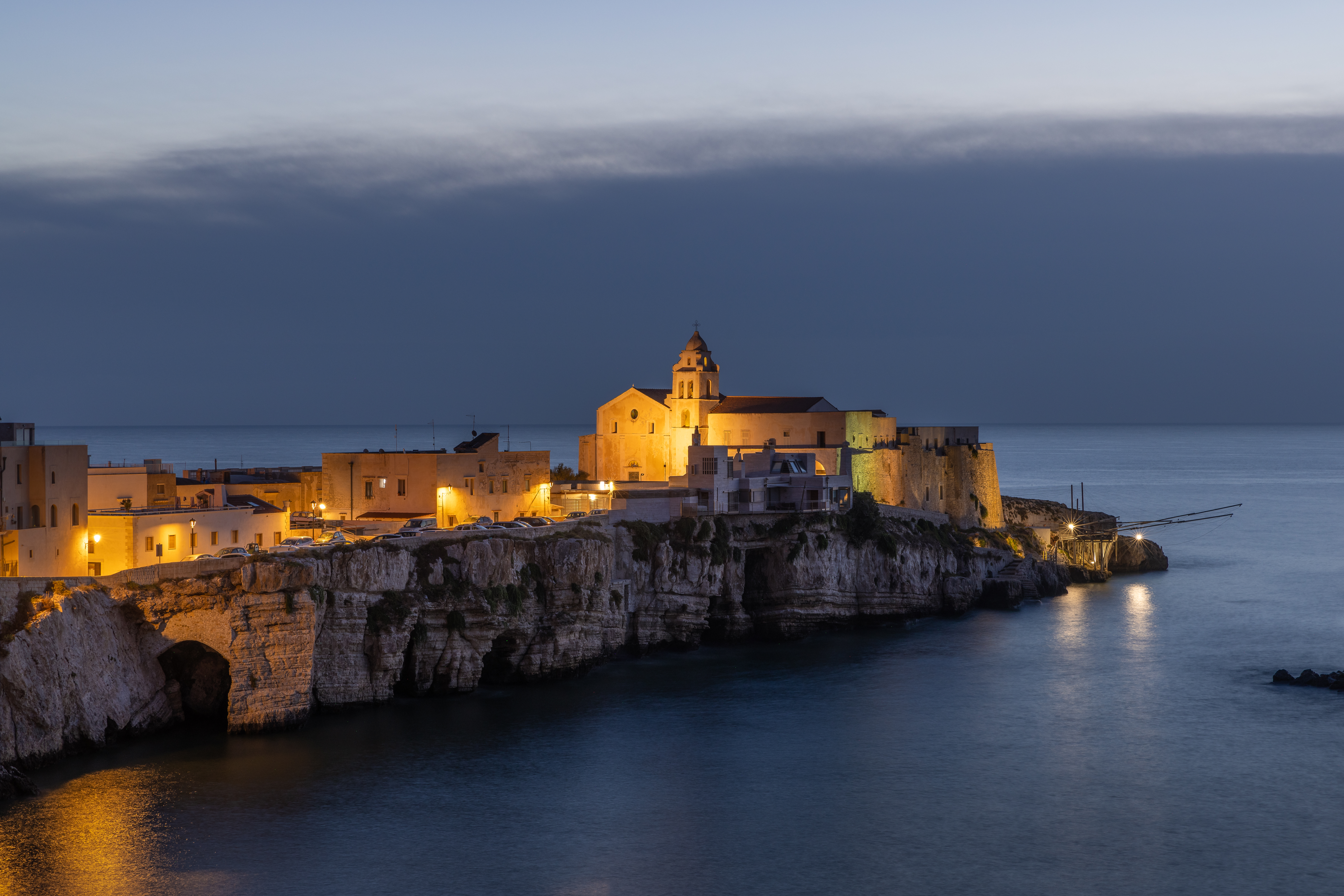
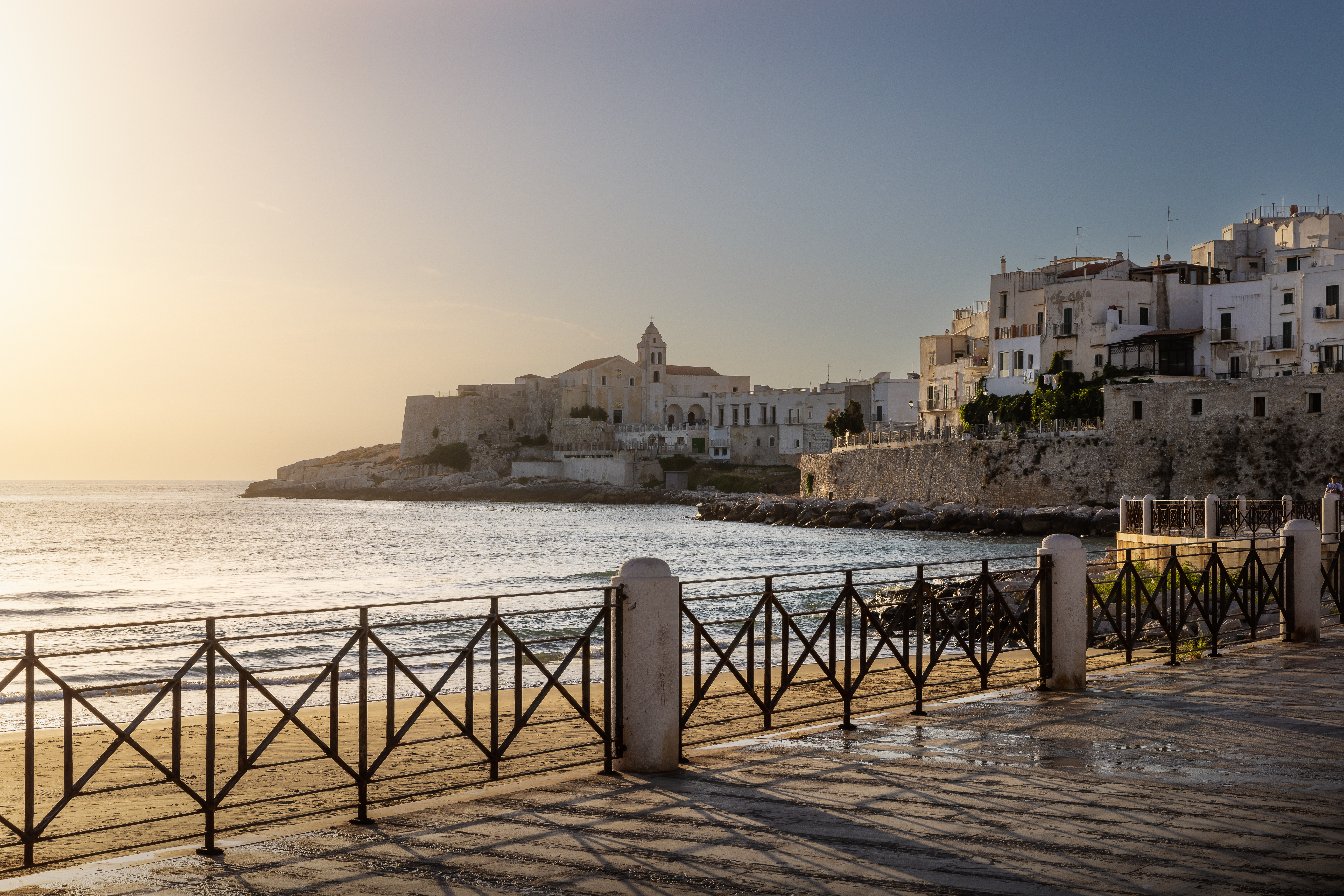
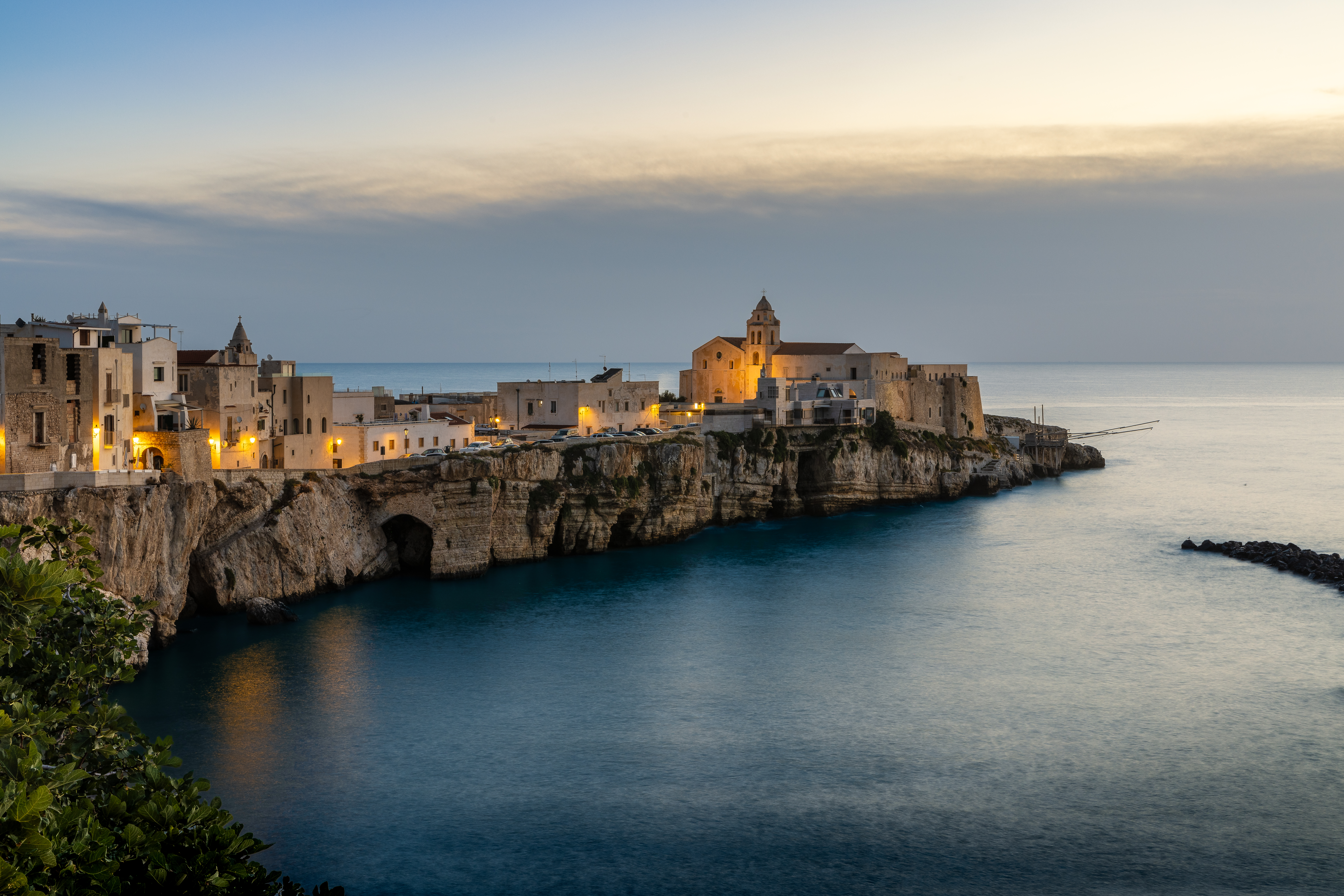
Il mio tour fotografico è iniziato nel cuore di Vieste, il borgo antico. Le strette vie lastricate, le case bianche e le botteghe artigiane sono il riflesso della tradizione e della storia secolare di questa cittadina. Ho catturato scatti unici della Cattedrale di Santa Maria Assunta, che con il suo campanile svetta sul centro storico, e del Castello Svevo, che domina il paese con la sua imponente presenza e regala una vista straordinaria sul mare Adriatico. Le prime luci del mattino, quando il sole si riflette sulle mura antiche, creano un’atmosfera quasi surreale, perfetta per chi cerca immagini autentiche.

I Trabucchi: Simboli di Tradizione Marinara

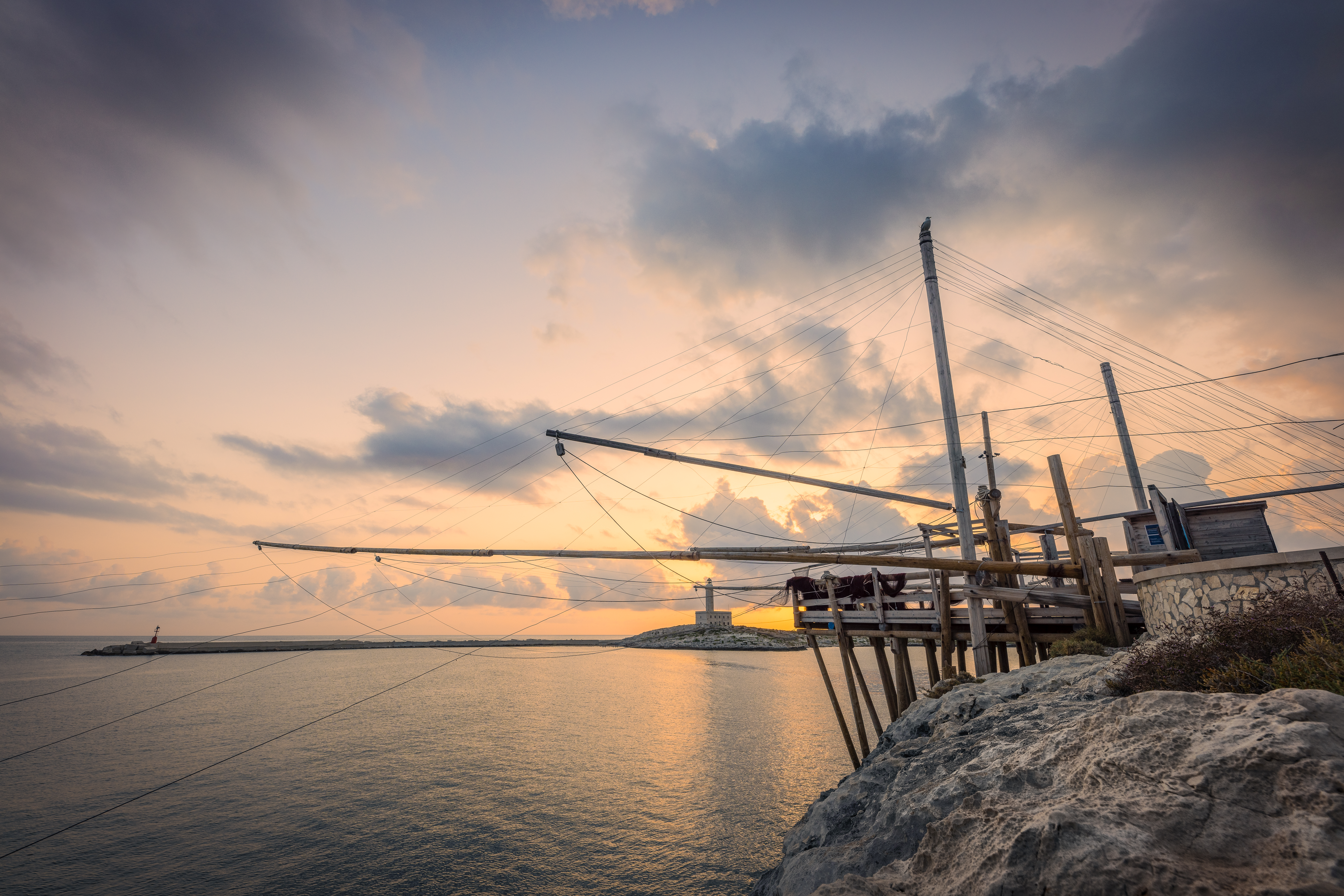
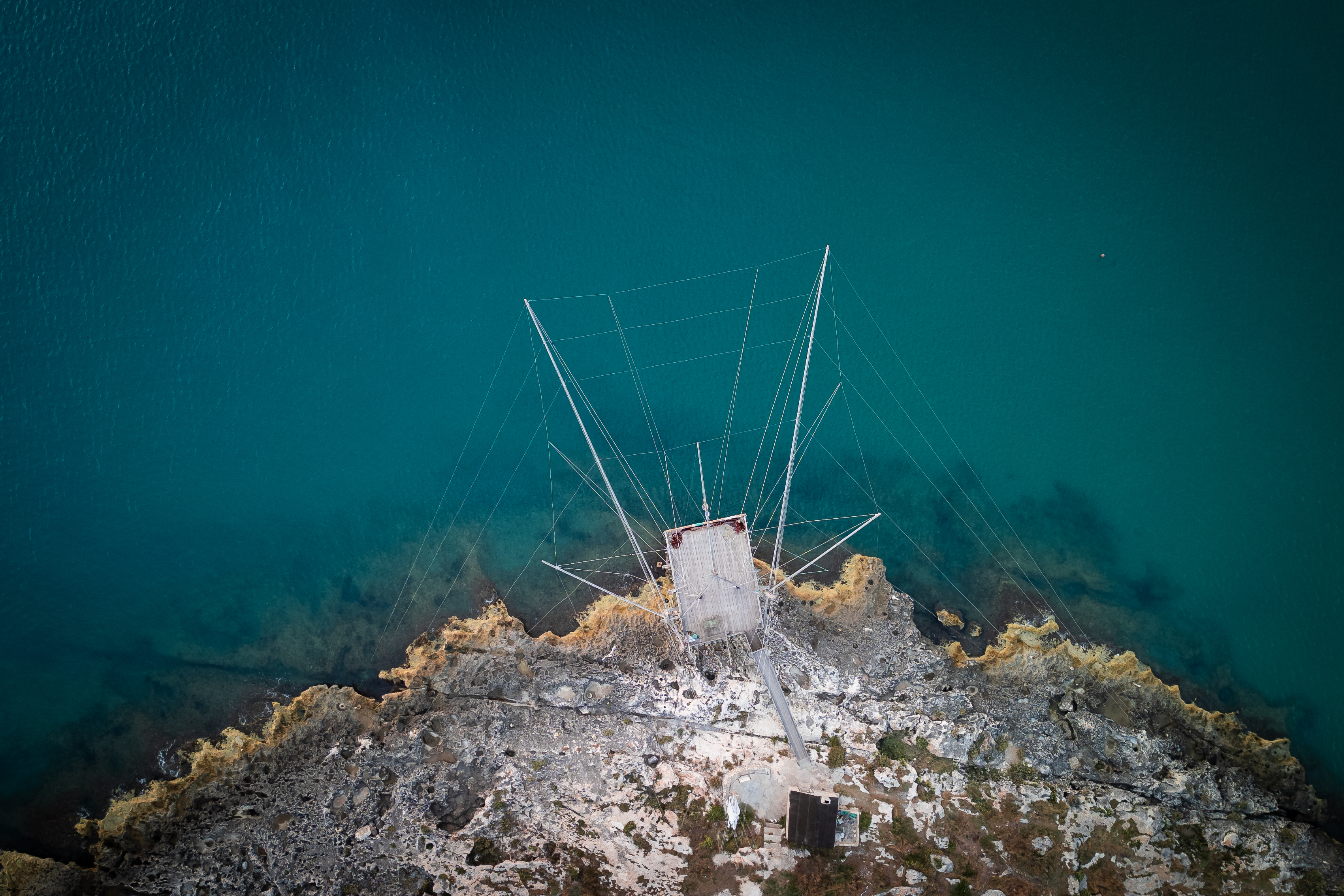
Uno dei soggetti più iconici della mia uscita fotografica sono stati i trabucchi, antiche macchine da pesca costruite su palafitte che si ergono lungo la costa del Gargano. Sono riuscito a fotografare queste strutture nelle ore più tranquille del giorno, quando il mare è calmo e i trabucchi si fondono con l’orizzonte. Con le reti tese e le lunghe braccia di legno proiettate verso il mare, questi giganti raccontano la storia di una pesca tradizionale e sostenibile, radicata nella cultura locale. Alcuni trabucchi sono ancora funzionanti e spesso, nelle prime ore del mattino, è possibile vedere i pescatori al lavoro, un momento perfetto per immortalare la quotidianità di un mestiere antico.

Scorci di Natura: Le Meraviglie del Gargano

Vieste è circondata da una natura incontaminata che offre infinite possibilità fotografiche. Tra gli scatti più memorabili ci sono quelli della Spiaggia di San Lorenzo e della Baia delle Zagare, famose per le loro acque cristalline e le spettacolari formazioni rocciose. Ho trovato lo scenario ideale per catturare giochi di luce e ombra, con i faraglioni che si stagliano sul mare azzurro.

Il Gargano in Fotografia: Un Mosaico di Emozioni

Durante la mia uscita fotografica, Vieste e il Gargano mi hanno regalato scorci di grande impatto visivo. Ogni angolo di questa terra racconta una storia, ogni trabucco sussurra una tradizione e ogni spiaggia offre momenti unici, perfetti per essere immortalati in uno scatto.

Vieste è una destinazione che lascia il segno, sia nel cuore che negli occhi, con la sua bellezza che continua a vivere nei miei scatti. Tornare a casa con queste immagini mi ha fatto comprendere ancora di più quanto sia ricca la cultura, la storia e la natura di questa zona, un luogo che merita di essere vissuto e raccontato, attraverso l’obiettivo e oltre.

During the summer holidays in September, I had the opportunity to visit Vieste, a pearl of Gargano that enchanted me with its breathtaking landscapes and the traditions that characterize this corner of Puglia. Armed with a camera, I explored the village, the trabucchi and the most suggestive natural views that make Vieste one of the most fascinating destinations for photography enthusiasts.

Vieste: Between History and Sea

My photographic tour began in the heart of Vieste, the ancient village. The narrow paved streets, the white houses and the artisan workshops are the reflection of the tradition and centuries-old history of this town. I captured unique shots of the Cathedral of Santa Maria Assunta, which with its bell tower stands out over the historic center, and of the Swabian Castle, which dominates the town with its imposing presence and offers an extraordinary view of the Adriatic Sea. The first lights of the morning, when the sun reflects on the ancient walls, create an almost surreal atmosphere, perfect for those looking for authentic images.

Trabucchi: Symbols of Maritime Tradition

One of the most iconic subjects of my photographic outing were the trabucchi, ancient fishing machines built on stilts that stand along the coast of Gargano. I managed to photograph these structures in the quietest hours of the day, when the sea is calm and the trabucchi merge with the horizon. With their nets stretched and their long wooden arms projected towards the sea, these giants tell the story of traditional and sustainable fishing, rooted in the local culture. Some trabucchi are still functioning and often, in the early hours of the morning, it is possible to see the fishermen at work, a perfect moment to immortalize the daily life of an ancient profession.

Glimpses of Nature: The Wonders of Gargano

Vieste is surrounded by unspoiled nature that offers endless photographic possibilities. Among the most memorable shots are those of the San Lorenzo Beach and the Baia delle Zagare, famous for their crystal clear waters and spectacular rock formations. I found the ideal setting to capture plays of light and shadow, with the stacks that stand out on the blue sea.

Gargano in Photography: A Mosaic of Emotions

During my photographic outing, Vieste and the Gargano gave me glimpses of great visual impact. Every corner of this land tells a story, every trabucco whispers a tradition and every beach offers unique moments, perfect to be immortalized in a shot.

Vieste is a destination that leaves its mark, both in the heart and in the eyes, with its beauty that continues to live in my shots. Returning home with these images made me understand even more how rich the culture, history and nature of this area are, a place that deserves to be experienced and told, through the lens and beyond.

Notti magiche


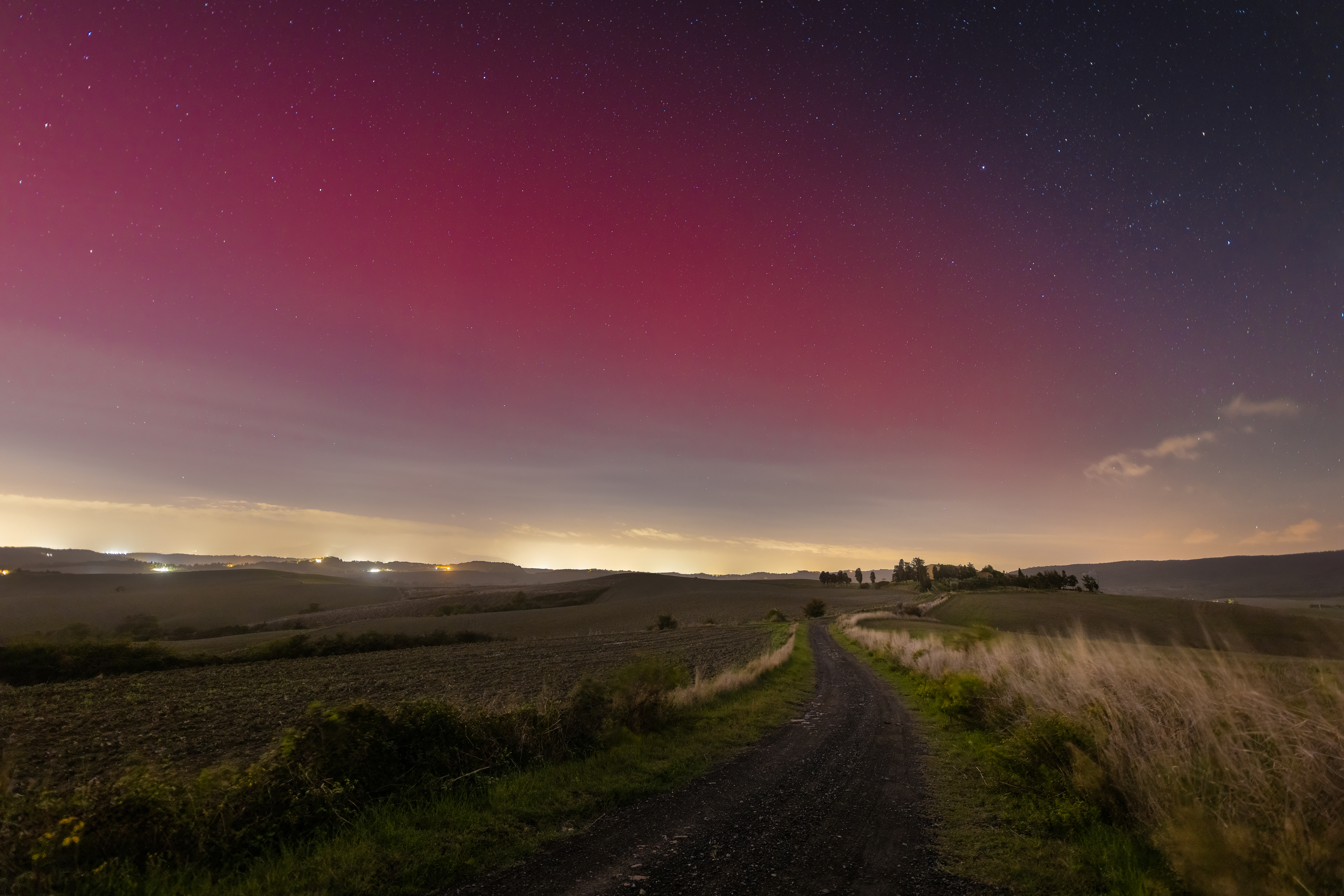
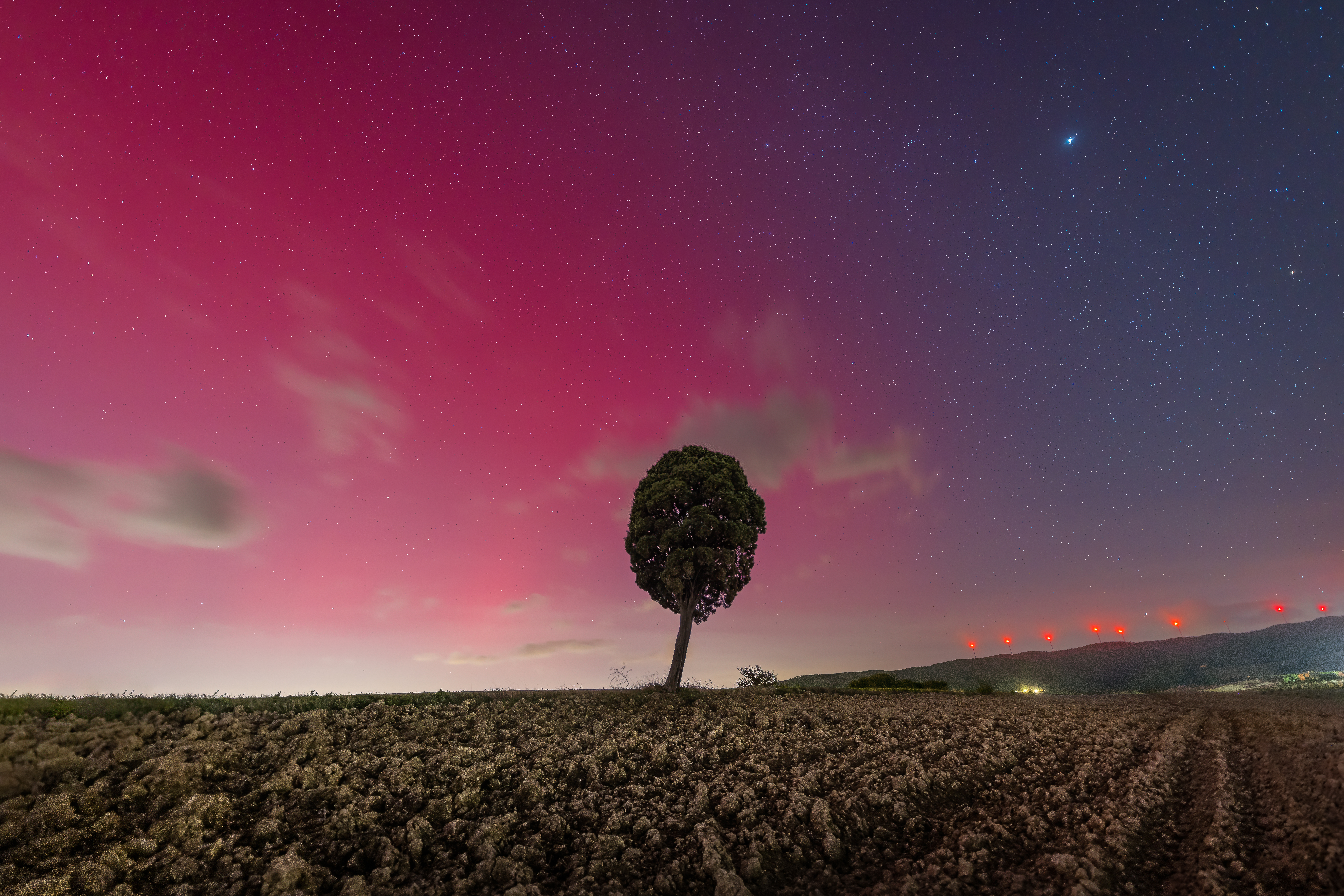
Giovedì 10 ottobre rimarrà una data indimenticabile. Nonostante fosse difficile immaginare che lo spettacolo dell’Aurora Boreale potesse manifestarsi così a sud, l’eccezionalità del fenomeno ha trasformato la nostra avventura ad fotografica in un’esperienza unica. Il cielo toscano, solitamente sereno e familiare, si è acceso di una luce straordinaria e surreale. Insieme a Cristiano e Nicholas, ci siamo lanciati in questa impresa per immortalare un evento rarissimo.

La serata era iniziata in maniera piuttosto tranquilla, anche se stavo ben attento alle notizie in tempo reale dell’evento, dato che era stato previsto e pubblicizzato già nelle prime ore del pomeriggio. Dopo le primissime immagini postate sui social da qualche fotografo che aveva colto le prime avvisaglie dell’aurora già nelle prime ore serali, siamo partiti in cerca di immortalare l’evento. Abbiamo optato per uno dei posti a me più familiari, con un ridotto inquinamento luminoso: Orciano Pisano. Siamo, quindi, partiti in fretta e furia senza alcuna certezza, ma con tanta speranza nel cuore. La campagna toscana, con la sua bellezza semplice e avvolgente, sembrava attendere il grande spettacolo che ci aspettava.

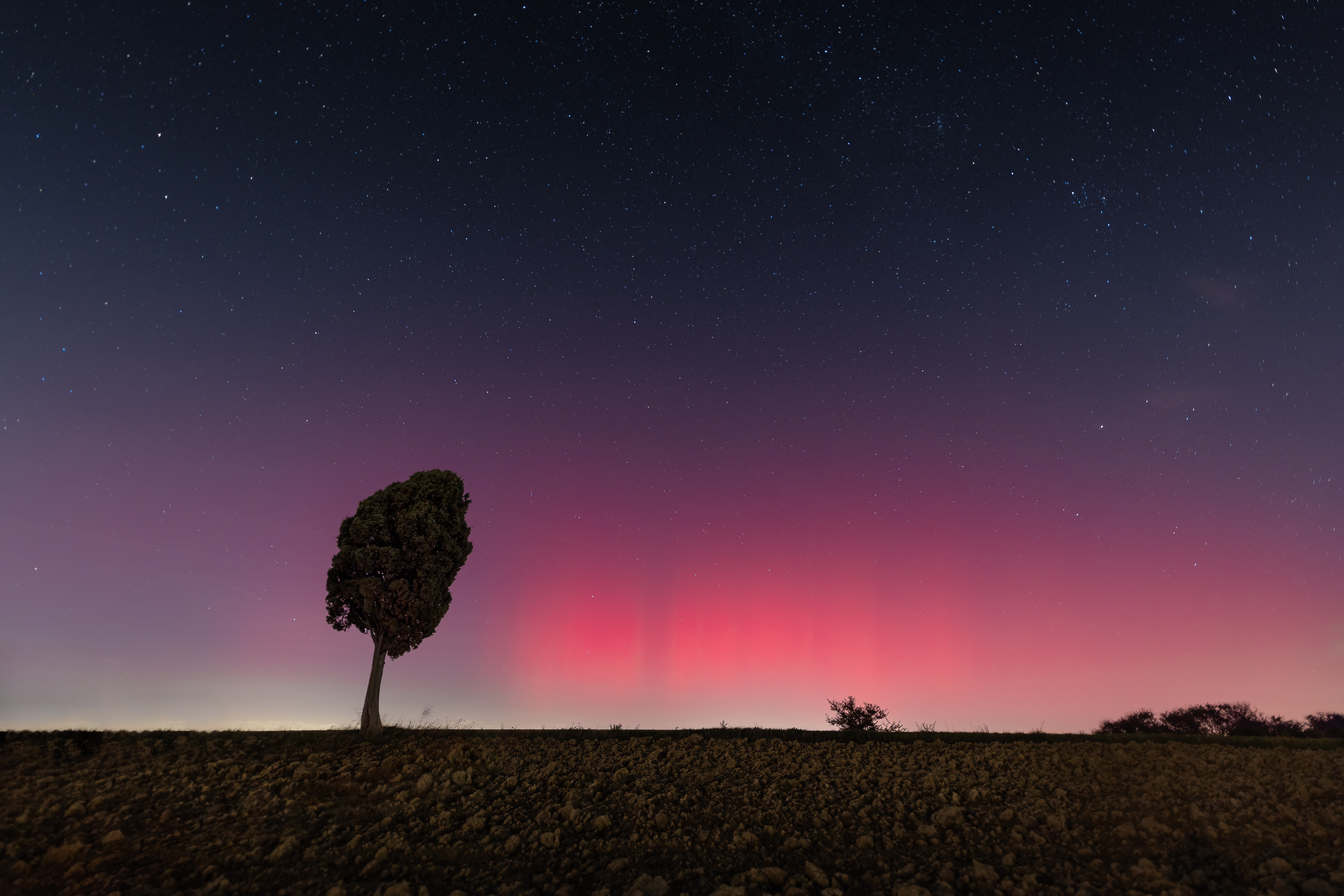
Appena giunti a destinazione, abbiamo subito iniziato a preparare l’attrezzatura. Le condizioni sembravano perfette: un cielo limpido e privo di inquinamento luminoso. Dopo aver montato treppiedi e regolato le impostazioni delle nostre fotocamere, è iniziata l’attesa. Un’attesa che, anche se non si è fatta attendere più di tanto, era piena di eccitazione. Gia alle 22:00, il cielo ha iniziato a dare segni del fenomeno che stavamo cercando: deboli bagliori all’orizzonte che si trasformavano pian piano in onde di luce rosa e viola.

Chi lo avrebbe mai detto? L’Aurora Boreale, fenomeno tipico dei cieli del Nord, ha raggiunto il nostro piccolo angolo di Toscana. In realtà, per essere corretti, il fenomeno si chiama SAR. L’Aurora Boreale e il SAR (Stable Auroral Red Arc) sono entrambi fenomeni luminosi nell’atmosfera terrestre, ma differiscono per origine e aspetto: l’aurora è più spettacolare e dinamica, dalle tante sfumature danzanti verdi e rosa. Il SAR è un fenomeno più raro, più stabile nel cielo, che si manifesta con un arco luminoso rosso/rosa. Questo raro evento è stato il risultato di una tempesta solare particolarmente intensa, che ha permesso a questo fenomeno di manifestarsi molto più a sud del solito.

Fotografare l’Aurora non è semplice, ma è un’arte che ripaga con scatti di una bellezza mozzafiato. La tecnica richiede pazienza e precisione. Abbiamo impostato le nostre fotocamere con tempi di esposizione lunghi, per catturare al meglio i movimenti della luce, con ISO alti per dare sensibilità alla macchina, senza però perdere troppi dettagli. Abbiamo fatto attenzione anche all’apertura del diaframma, cercando di mantenere il giusto equilibrio tra luce e nitidezza.

Ogni scatto era un esperimento: a volte troppo chiaro, a volte troppo scuro, ma alla fine la perseveranza ci ha premiati. L’aurora si è intensificata e ci ha regalato forme e colori incredibili. Non c’è nulla di paragonabile a rivedere un cielo dipinto di quel colore rosa e rosso, con le sue mille sfumature catturate in una fotografia.

Non si trattava solo della vista. Mentre scattavamo, l’atmosfera era magica. Il silenzio della notte, interrotto solo da qualche lieve fruscio del vento tra gli alberi, accentuava la sensazione di trovarci in un luogo fuori dal tempo. La temperatura si era abbassata, ma il freddo non era abbastanza da distogliere la nostra attenzione. Eravamo immersi in un’esperienza quasi mistica.

Quella notte a Orciano Pisano è stata molto più di una semplice uscita fotografica. È stato un viaggio nella bellezza della natura, nella rarità del fenomeno e nella passione per la fotografia. Tornare a casa con le nostre foto è stato un trionfo, ma ancor di più lo è stato vivere un’esperienza che difficilmente si ripeterà. Le foto sono state la testimonianza di una notte magica, e ogni volta che le riguardo, mi tornano in mente il silenzio, il freddo e la meraviglia di quell’Aurora Boreale che ha illuminato la nostra serata.

Thursday 10 October will remain an unforgettable date. Although it was difficult to imagine that the spectacle of the Northern Lights could appear so far south, the exceptional nature of the phenomenon transformed our photographic adventure into a unique experience. The Tuscan sky, usually serene and familiar, lit up with an extraordinary and surreal light. Together with Cristiano and Nicholas, we embarked on this undertaking to immortalize a very rare event.

The evening had started rather calmly, although I was paying close attention to the real-time news of the event, given that it had been predicted and publicized already in the early hours of the afternoon. After the very first images posted on social media by some photographers who had caught the first signs of the aurora already in the early evening hours, we set off in search of immortalizing the event. We opted for one of the places most familiar to me, with reduced light pollution: Orciano Pisano. We therefore left in a hurry without any certainty, but with a lot of hope in our hearts. The Tuscan countryside, with its simple and enveloping beauty, seemed to await the great spectacle that awaited us.

As soon as we arrived at our destination, we immediately started preparing the equipment. The conditions seemed perfect: clear skies and no light pollution. After setting up tripods and adjusting our camera settings, the waiting began. A wait that, even if it didn’t take long, was full of excitement. Already at 10pm, the sky began to show signs of the phenomenon we were looking for: faint glows on the horizon that slowly transformed into waves of pink and purple light.

Who would have thought? The Aurora Borealis, a typical phenomenon of the Northern skies, has reached our little corner of Tuscany. Actually, to be correct, the phenomenon is called SAR. The Aurora Borealis and the SAR (Stable Auroral Red Arc) are both luminous phenomena in the Earth’s atmosphere, but they differ in origin and appearance: the aurora is more spectacular and dynamic, with many dancing green and pink shades. The SAR is a rarer, more stable phenomenon in the sky, which manifests itself as a bright red/pink arc. This rare event was the result of a particularly intense solar storm, which allowed this phenomenon to occur much further south than usual.

Photographing the Aurora is not easy, but it is an art that pays off with shots of breathtaking beauty. The technique requires patience and precision. We set our cameras with long exposure times, to best capture the movements of light, with high ISO to give sensitivity to the camera, without losing too much detail. We also paid attention to the opening of the diaphragm, trying to maintain the right balance between light and sharpness.

Each shot was an experiment: sometimes too light, sometimes too dark, but in the end perseverance rewarded us. The aurora intensified and gave us incredible shapes and colors. There is nothing comparable to seeing a sky painted in that pink and red color again, with its thousand shades captured in a photograph.

It wasn’t just about the view. While we were shooting, the atmosphere was magical. The silence of the night, interrupted only by some slight rustling of the wind in the trees, accentuated the sensation of being in a place out of time. The temperature had dropped, but it wasn’t cold enough to distract us. We were immersed in an almost mystical experience.

That night in Orciano Pisano was much more than a simple photographic outing. It was a journey into the beauty of nature, the rarity of the phenomenon and the passion for photography. Coming home with our photos was a triumph, but even more so was living an experience that is unlikely to be repeated. The photos were testimony to a magical night, and every time I look at them, I am reminded of the silence, the cold and the wonder of that Aurora Borealis that illuminated our evening.

The Day After

Spesso, le uscite improvvisate sono quelle che ti gratificano di più. Spesso, sono proprio queste uscite che ti regalano degli scatti mozzafiato. Sarebbe il caso di assistere a queste condizioni… più spesso!!

Dato il peggioramento meteo preannunciato ne weekend, con un fronte temporalesco più o meno importante, mi è balenata per la testa la possibilità di andare a fotografare l’arrivo della tempesta, sperando di fotografare qualche fulmine. L’idea è stata talmente allettante che, anche il mio amico Cristiano non ha saputo resistere dalla tentazione di venire a scattare.

Non sono un grande esperto di meteo, ma, seppur ignorante in materia, stavolta tutte le previsione erano state abbastanza chiare. C’erano ottime condizioni per assistere ad un notevole evento temporalesco, con fulmini e nuvole abbondanti. All’ultimo minuto ci siamo organizzati, e, alle 2 di notte, siamo partiti in direzione Versilia.

La prima meta è stata il pontile di Lido di Camaiore. In effetti, appena arrivati, il cielo era abbastanza limpido, e, solo all’orizzonte, un ammasso di nuvole, con qualche lampo sporadico, si stava pian piano avvicinando. Condizioni super. Dopo poco che stavamo scattando, però, ci siamo resi conto che il “pian piano” si è trasformato in “veloce veloce”. In un attimo ha cominciato a piovere. Nemmeno il tempo di smontare l’attrezzatura e trovare riparo, che è venuto giù il mondo.

Ci siamo riparati alla meglio sotto al pontile, ma la pioggia battente, il vento, la sabbia, ha reso tutto molto complicato. Era praticamente impossibile muoversi e tornare alla macchina. Abbiamo dovuto attendere che si placasse un poco la pioggia, col rammarico di aver potuto scattare soltanto una fotografia al pontile.

Appena possibile, siamo rientrati alla macchina ed abbiamo cambiato location, nella speranza di poter scattare al temporale senza essere nel punto esatto dove pioveva. Abbiamo scelto di dirigerci verso Torre del Lago Puccini, uno dei posti a cui sono più legato. Mi ha sempre regalato grandi scatti, ma stavolta non avevo aspettative cosi alte. Ed invece…

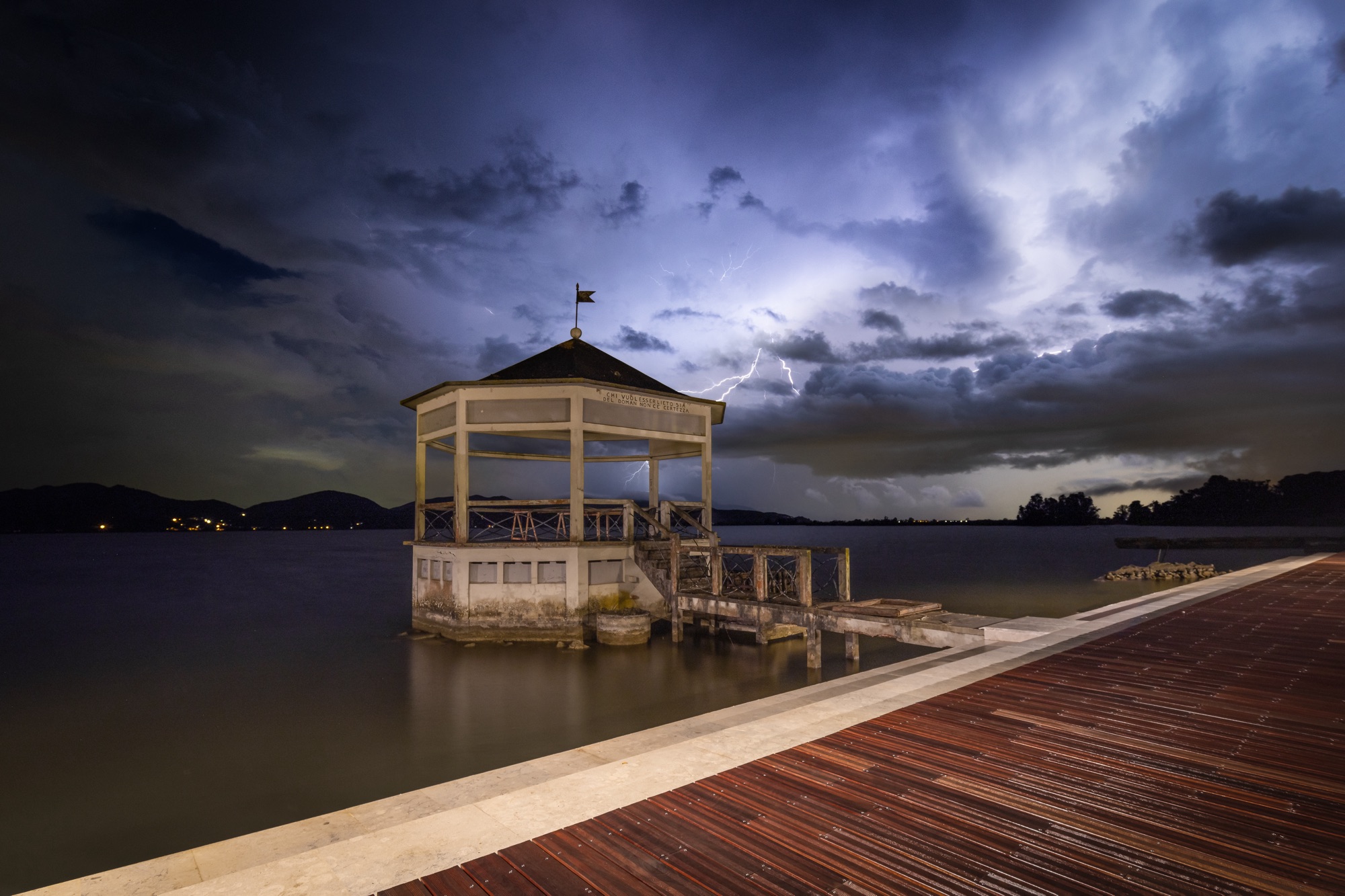
Arrivati in terrazza abbiamo capito subito che eravamo nel posto giusto, al momento giusto. I fulmini colpivano la parte a sud, e si stavano spostando man mano verso nord. Abbiamo piazzato la fotocamera lateralmente al “gazebo degli artisti”, e siamo riusciti ad immortalare qualche lampo. Le nubi si illuminavano da dietro, come un grande flash che davano luce sulla scena. Il viola e l’azzurro esplodevano nel cielo sopra le nostre teste trafitti da lingue luminose. Non eravamo affatto impauriti. Eravamo estasiati da cotanta potenza.

La parte più incredibile doveva ancora venire. Man mano che il tempo trascorreva ed il cielo si illuminava, ad est stava cominciando lentamente a schiarire. Ovviamente, già che eravamo li, abbiamo deciso di aspettare il sole, per vedere se, nonostante le nubi molto pesanti nel cielo, fosse sorto. Altroché!! Il cielo ha cominciato letteralmente a dipingersi di mille sfumature. Un arancio infuocato cangiava dai toni del giallo, al rosso fino alle velature violacee delle nuvole, a contrasto col bluastro del cielo che passava inesorabile dalla notte al giorno. Un vero tripudio di colori!

Trascorsi questi attimi fugaci, ma tuttora stampati nei nostri occhi e nel cuore, la pioggia ha ripreso copiosa la sua attività, facendoci letteralmente correre via lungo la via del ritorno. Una nottata indimenticabile. Credo di poter affermare che si tratti dell’alba più bella a cui abbia mai assistito.

Buona visione a tutti voi, cari lettori.

Often, impromptu outings are the ones that reward you the most. Often, it is precisely these outings that give you breathtaking shots. It would be time to witness these conditions… more often!!

Given the worsening weather forecast for the weekend, with a more or less significant storm front, the possibility of going and photographing the arrival of the storm, hoping to photograph some lightning, flashed through my mind. The idea was so tempting that even my friend Cristiano couldn’t resist the temptation to come and shoot.

I’m not a great weather expert, but, despite being ignorant on the subject, this time all the forecasts were quite clear. There were excellent conditions to witness a notable storm event, with lightning and abundant clouds. At the last minute we organized ourselves, and, at 2 am, we left towards Versilia.

The first destination was the pier of Lido di Camaiore. In fact, as soon as we arrived, the sky was quite clear, and, only on the horizon, a mass of clouds, with some sporadic lightning, was slowly approaching. Super condition. After a short time we were shooting, however, we realized that “slowly” turned into “fast fast”. In an instant it started raining. Not even time to dismantle the equipment and find shelter, before the world came crashing down.

We took shelter as best we could under the pier, but the pouring rain, the wind, the sand made everything very complicated. It was virtually impossible to move and get back to the car. We had to wait for the rain to subside a little, with the regret of having only been able to take one photograph of the pier.

As soon as possible, we returned to the car and changed location, in the hope of being able to shoot the storm without being in the exact spot where it was raining. We chose to head towards Torre del Lago Puccini, one of the places I am most attached to. He has always given me great shots, but this time I didn’t have such high expectations. And instead…

Once we arrived on the terrace we immediately understood that we were in the right place, at the right time. The lightning was hitting the southern part, and was gradually moving north. We placed the camera sideways to the “artists’ gazebo”, and managed to capture some flashes. The clouds lit up from behind, like a large flash that shed light on the scene. Purple and blue exploded in the sky above our heads pierced by luminous tongues. We weren’t scared at all. We were enraptured by such power.

The most incredible part was yet to come. As time passed and the sky brightened, it was slowly starting to lighten in the east. Obviously, while we were there, we decided to wait for the sun, to see if, despite the very heavy clouds in the sky, it had risen. Of course!! The sky literally began to be painted in a thousand shades. A fiery orange changed from shades of yellow to red up to the violet veils of the clouds, in contrast with the bluish of the sky which passed inexorably from night to day. A true riot of colours!

Once these fleeting moments had passed, but still imprinted in our eyes and hearts, the rain resumed its abundant activity, literally making us run away along the way back. An unforgettable night. I think I can say that it is the most beautiful sunrise I have ever witnessed.

Good vision to all of you, dear readers.

Le prime luci di San Gimignano

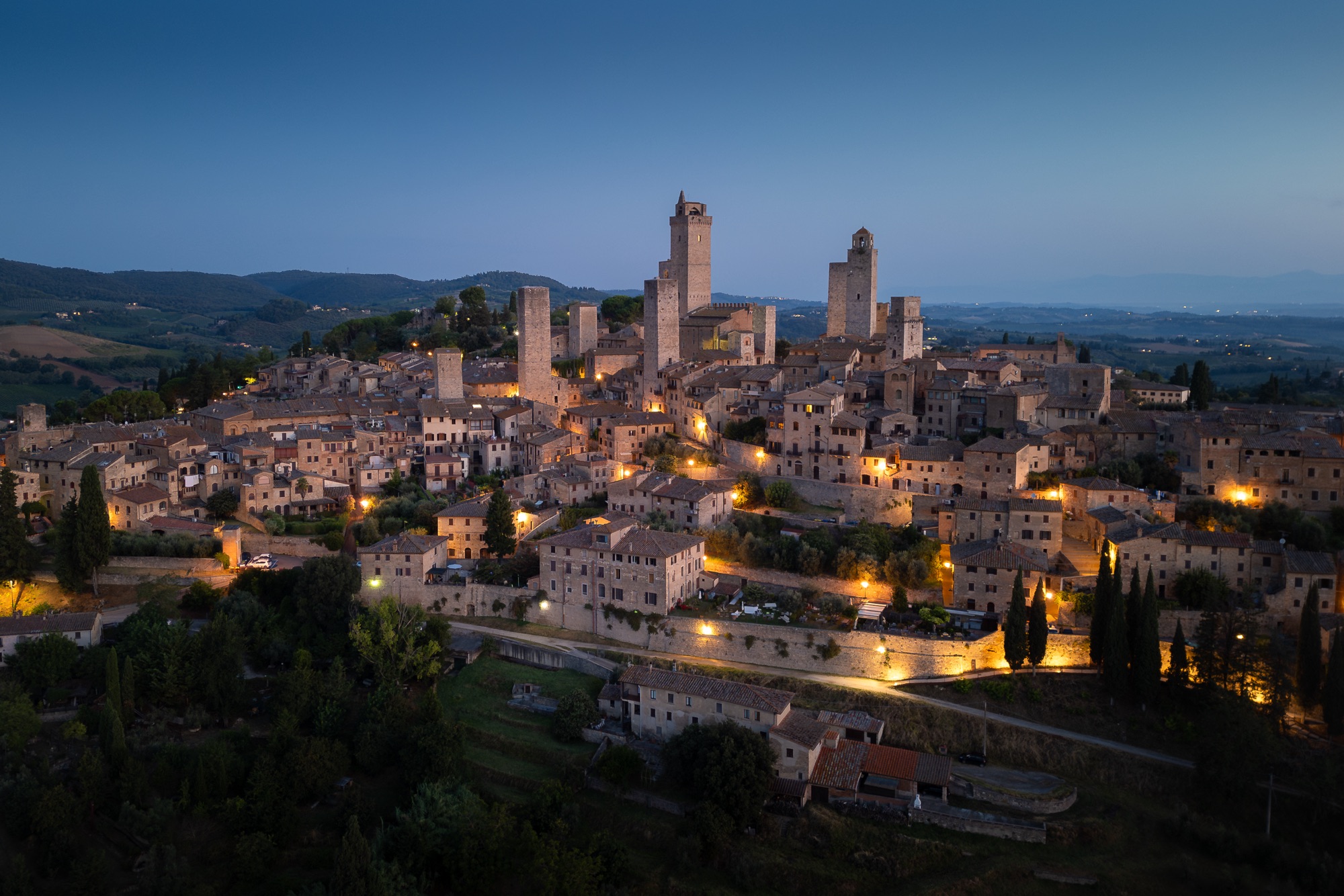
Era già un po’ che non facevo un’uscita fotografica così emozionante. San Gimignano rappresenta una delle mete più gettonate per chi adora volare con il drone. Si tratta di una dei pochi posti veramente spettacolari dove non ci sono limitazioni al volo.

L’idea è nata dal mio grande amico Claudio. Non era la prima volta che mi accennava del suo desiderio di andare a volare tra le torri di questo splendido borgo. Finalmente, una domenica mattina di questa estate, ci siamo decisi a partire, per affrontare con tutti i buoni propositi questa esperienza. Abbiamo chiamato Cristiano, che, come sempre, non ha saputo resistere alla tentazione di questa avventura e si è aggregato alla compagnia.

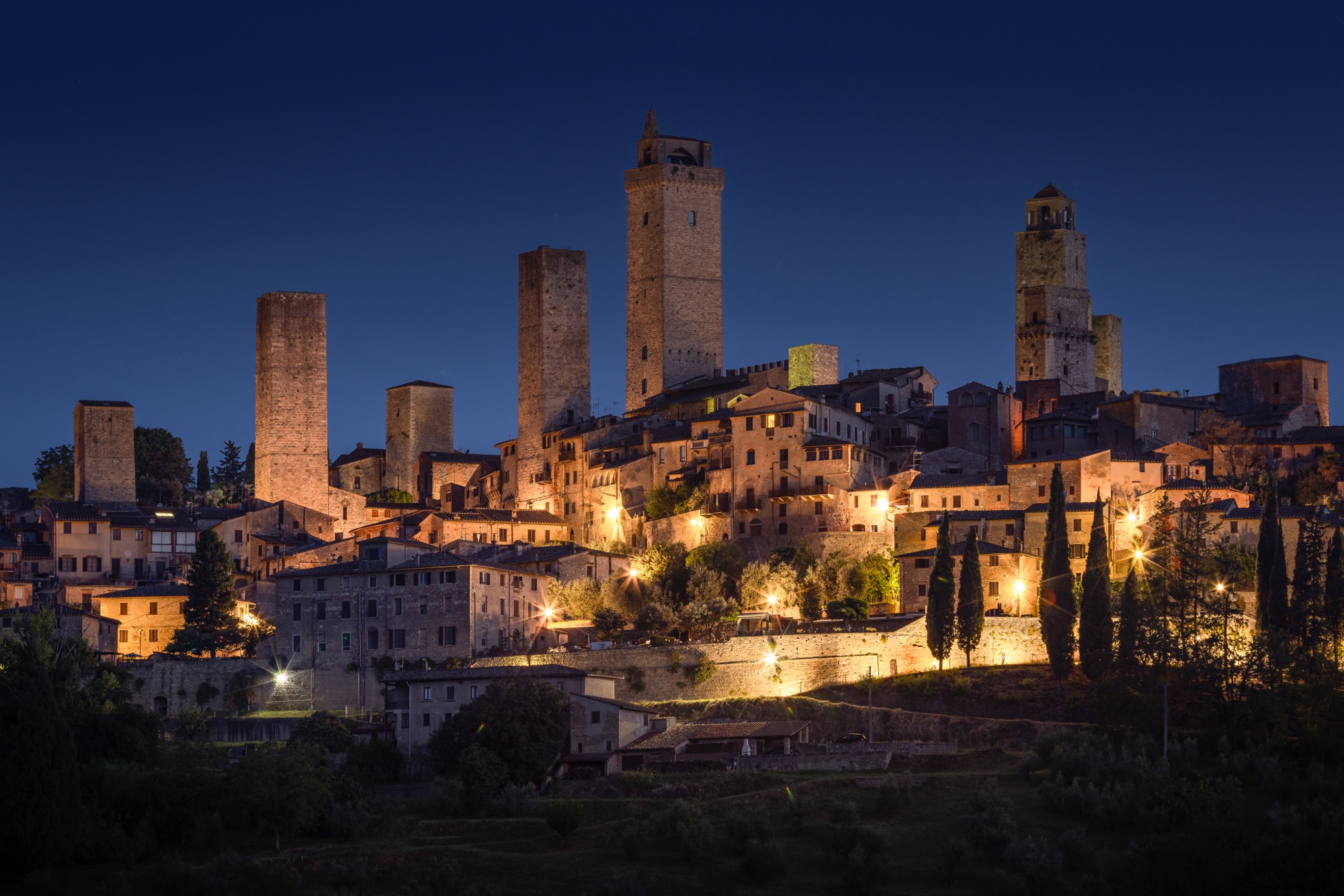
La partenza è stata un po’ rocambolesca, dato che, d’estate, l’orario in cui spunta il sole è la mattina presto. Per essere sul luogo circa un’ora prima dell’alba siamo partiti alle 3:00 di notte. Appena arrivati sul posto, abbiamo cercato un punto rialzato vicino al borgo, per riprendere le case e le torri illuminate dalle luci arancioni, a contrasto col cielo notturno sempre bluastro. abbiamo scattato delle immagini veramente evocative.

Quando poi abbiamo alzato il drone, sorvolando la cittadina, è stato praticamente magico. Uno spettacolo naturale a cielo aperto, Il borgo non è molto grande, e volarci intorno ci ha aprerto prospettive fotografiche diverse. Le luci calde a contrasto con le ombre, scure e fredde, non aspettavano altro di essere scacciate dalla luce del sole. Non c’era anima viva in giro a quell’ora. Tutto completamente deserto. Nessun rumore, se non il canto isolato di qualche civetta.

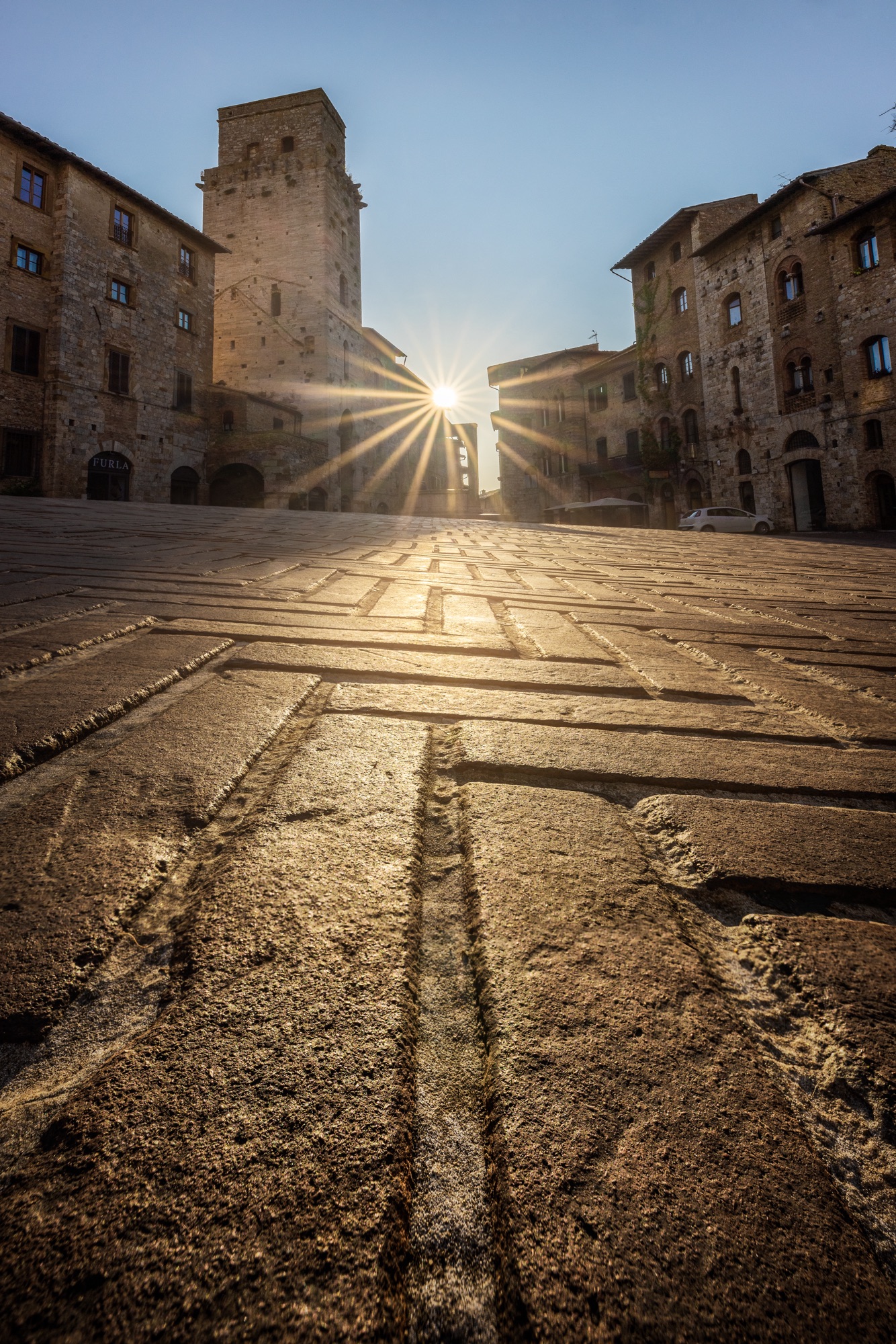
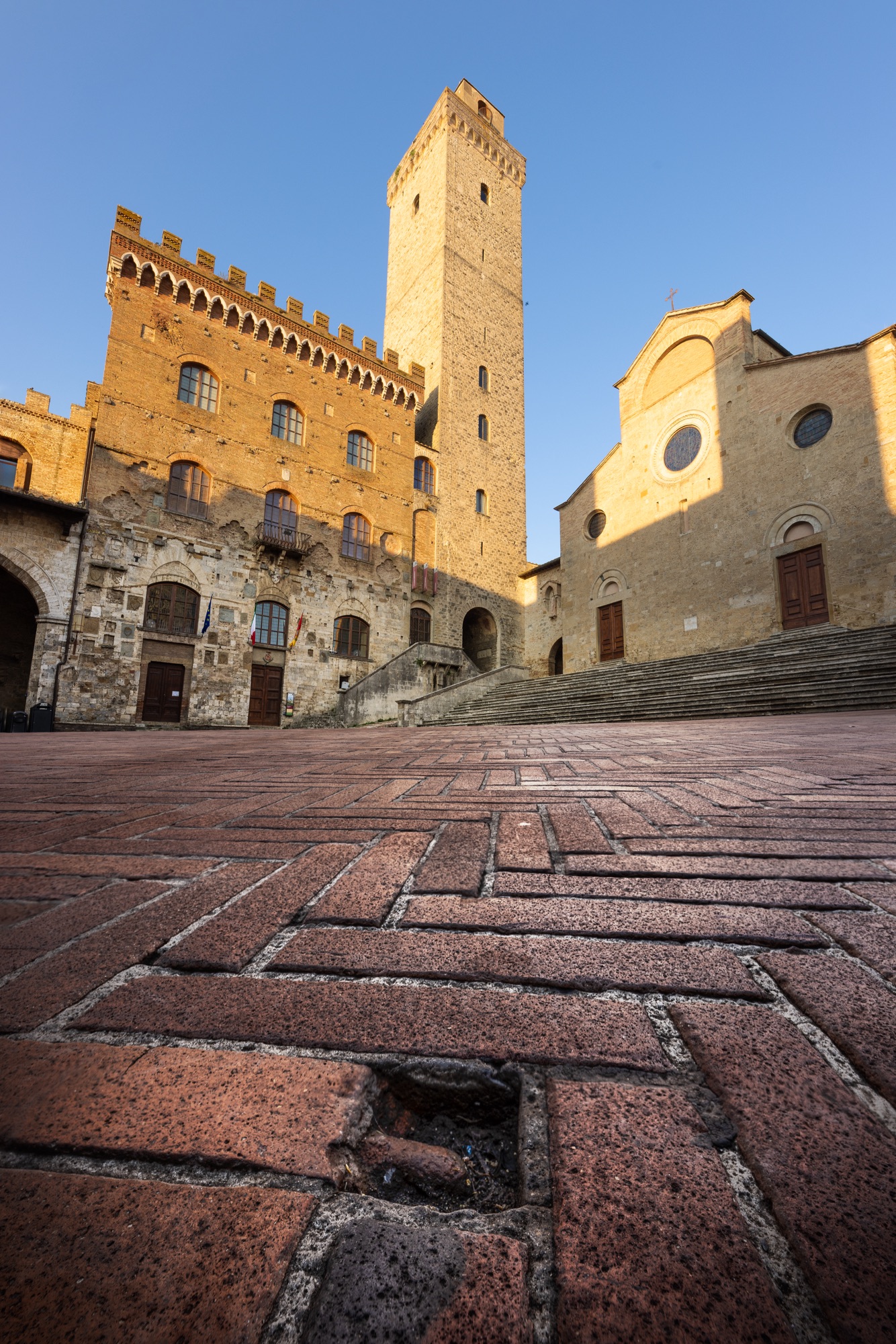
Abbiamo deciso di spostarci all’interno del paese, per poter ammirare le viuzze e le piazze ancora vuote. Il sole stava quasi per sorgere all’orizzonte, ed i primi raggi cominciavano ad illuminare le cime delle torri. Quando, da dentro il paese, abbiamo deciso di alzare nuovamente il drone in aria, il sole ha fatto capolino, e, quando i suoi raggi sono andati a colpire il lato est degli edifici, si sono creati giochi di luci ed ombre, con prospettive e profondità inimmaginabili. All’orizzonte una flebile nebbia tra le colline accarezzava il paesaggio tipico della Toscana, creando un contesto meravigliosamente armonico.

Abbiamo continuato ad ubriacare la nostra mente con questa pace estremamente appagante. Man mano che i minuti trascorrevano, i primi turisti sono comparsi sulla scena, e la loro stridula meraviglia riecheggiava tra i vicoli. Come piccoli ed inutili vampiri, siamo scomparsi subito dopo i primi attimi di luce. Quello che volevamo lo abbiamo ampiamente visto ed immortalato. Sono grato alla vita per questi piccoli, fugaci momenti. Sono grato alla mia terra, che ogni giorno svela le sue bellezze, come una giovane e tenera amante. Sono grato a chi, come i miei amici, amano condividere insieme questi attimi spensierati.

It’s been a while since I’ve done such an exciting photographic outing. San Gimignano represents one of the most popular destinations for those who love flying with a drone. It is one of the few truly spectacular places where there are no flight restrictions.

The idea came from my great friend Claudio. It wasn’t the first time he mentioned his desire to go flying among the towers of this splendid village. Finally, one Sunday morning this summer, we decided to leave, to face this experience with all good intentions. We called Cristiano, who, as always, was unable to resist the temptation of this adventure and joined the company.

The departure was a bit daring, given that, in summer, the sun comes out early in the morning. To be there about an hour before dawn we left at 3:00 am. As soon as we arrived on site, we looked for a raised point near the village, to shoot the houses and towers illuminated by orange lights, in contrast with the always bluish night sky. we took some truly evocative images.

Then when we raised the drone, flying over the town, it was practically magical. A natural spectacle in the open air. The village is not very large, and flying around it opened up different photographic perspectives for us. The warm lights contrasting with the shadows, dark and cold, were just waiting to be chased away by the sunlight. There wasn’t a soul around at that hour. All completely deserted. No noise, except the isolated song of a few owls.

We decided to move inside the town, to be able to admire the still empty streets and squares. The sun was almost about to rise over the horizon, and the first rays were beginning to illuminate the tops of the towers. When, from inside the town, we decided to raise the drone into the air again, the sun peeked out, and, when its rays hit the east side of the buildings, plays of light and shadow were created, with and unimaginable depths. On the horizon, a faint fog between the hills caressed the typical Tuscan landscape, creating a wonderfully harmonious context.

We continued to intoxicate our minds with this extremely satisfying peace. As the minutes passed, the first tourists appeared on the scene, their shrill wonder echoing through the alleys. Like small and useless vampires, we disappeared immediately after the first moments of light. We have widely seen and immortalized what we wanted. I am grateful to life for these small, fleeting moments. I am grateful to my land, which reveals its beauties every day, like a young and tender lover. I am grateful to those who, like my friends, love sharing these carefree moments together.

Una nuova fioritura

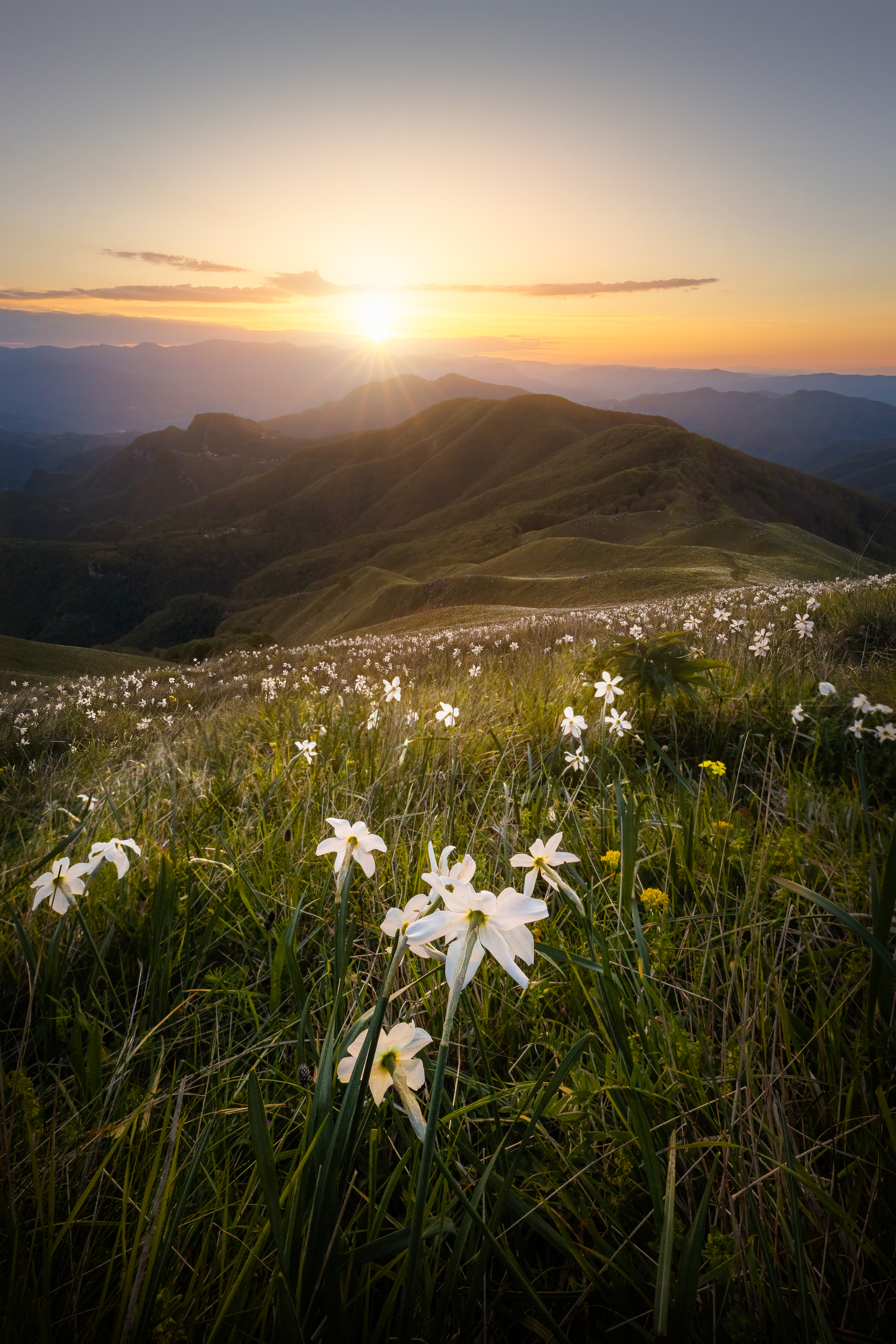
Arrivati a maggio, l’appuntamento con la fioritura delle giunchiglie risuona puntuale, come la sveglia che ti dice di alzarsi per andare a lavoro. Quest’anno, questo evento è stato incredibilmente seguito da una moltitudine di persone inaspettata. Complice anche il fenomeno della tempesta geomagnetica del 10 maggio, che ha smosso un numero di fotografi spropositato, per fotografare l’aurora, che è stata visibile dopo tantissimi anni anche alle nostre latitudini. Molti fotografi hanno provato a fotografarla nei posti più bui, e, anche io, pur non essendo riuscito a vederla la notte del 10 maggio, ci ho provato la notte successiva, salendo proprio sul Monte Croce.

Ovviamente ero molto più ansioso per la fatidica alba la mattina successiva, in quanto ero sicuro che l’aurora non si sarebbe sicuramente fatta vedere una seconda volta. Ma ci ho provato lo stesso, e, nonostante non sia accaduto niente, sia la notturna che l’alba, ci hanno regalato qualche scatto e qualche momento indimenticabile.

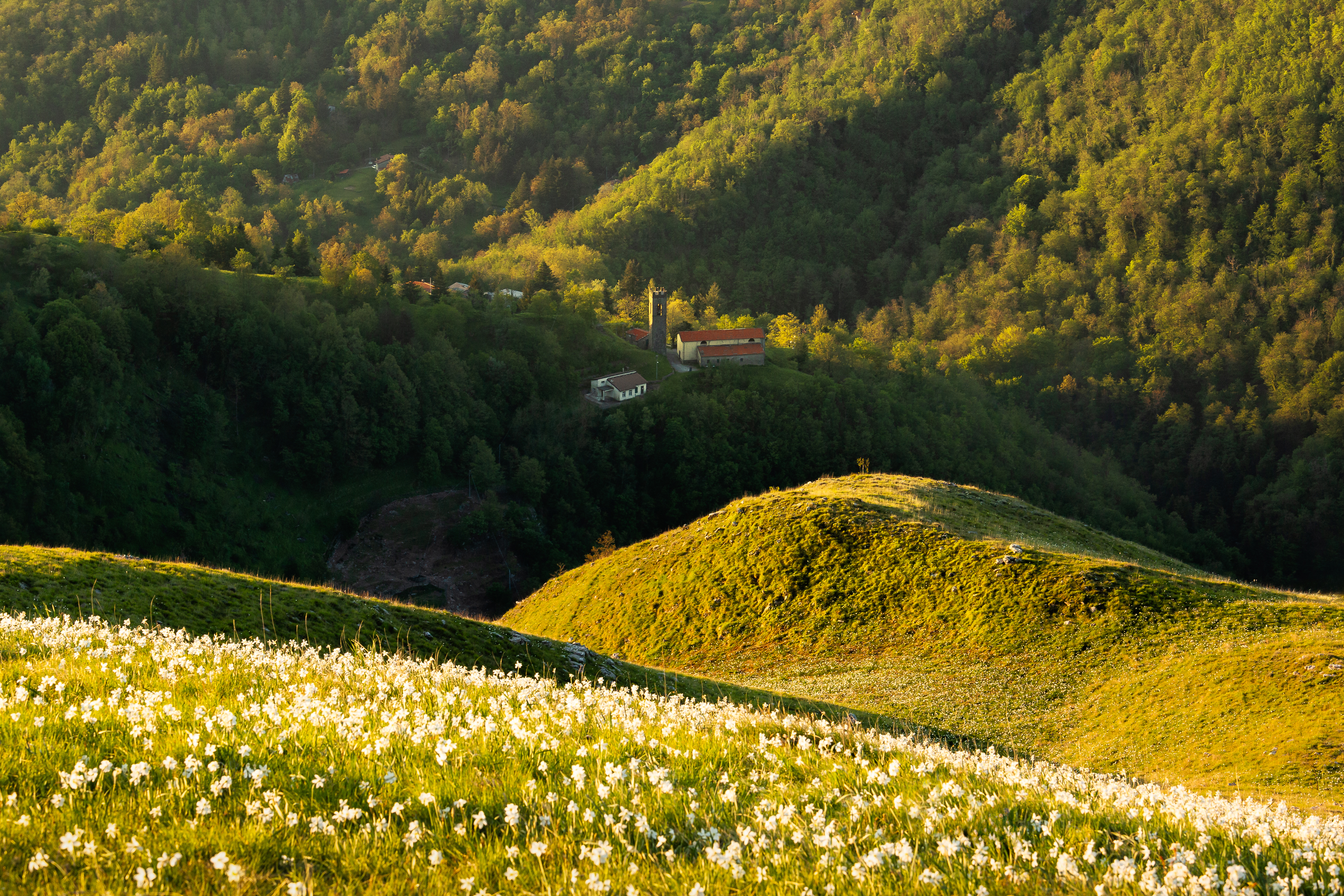
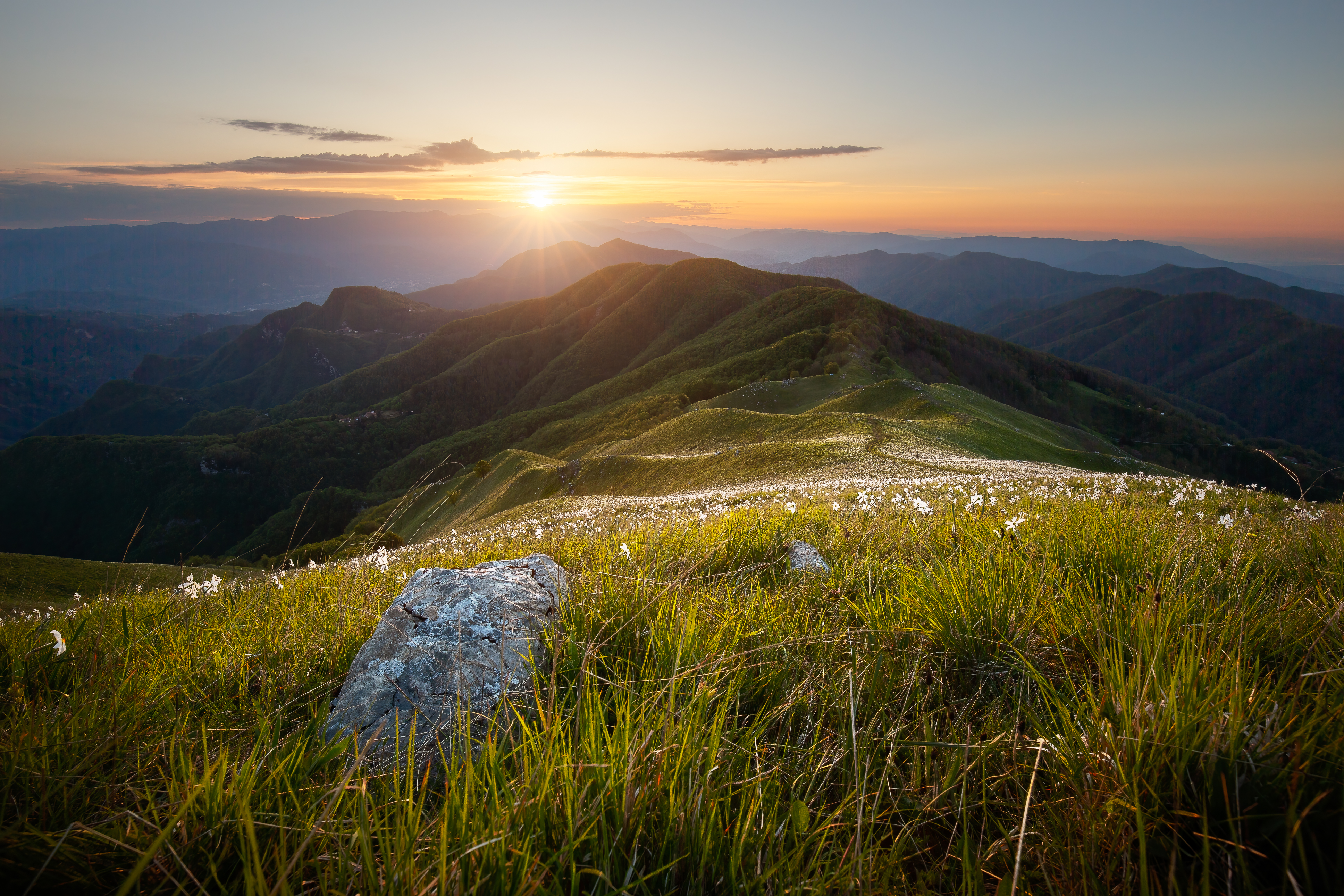
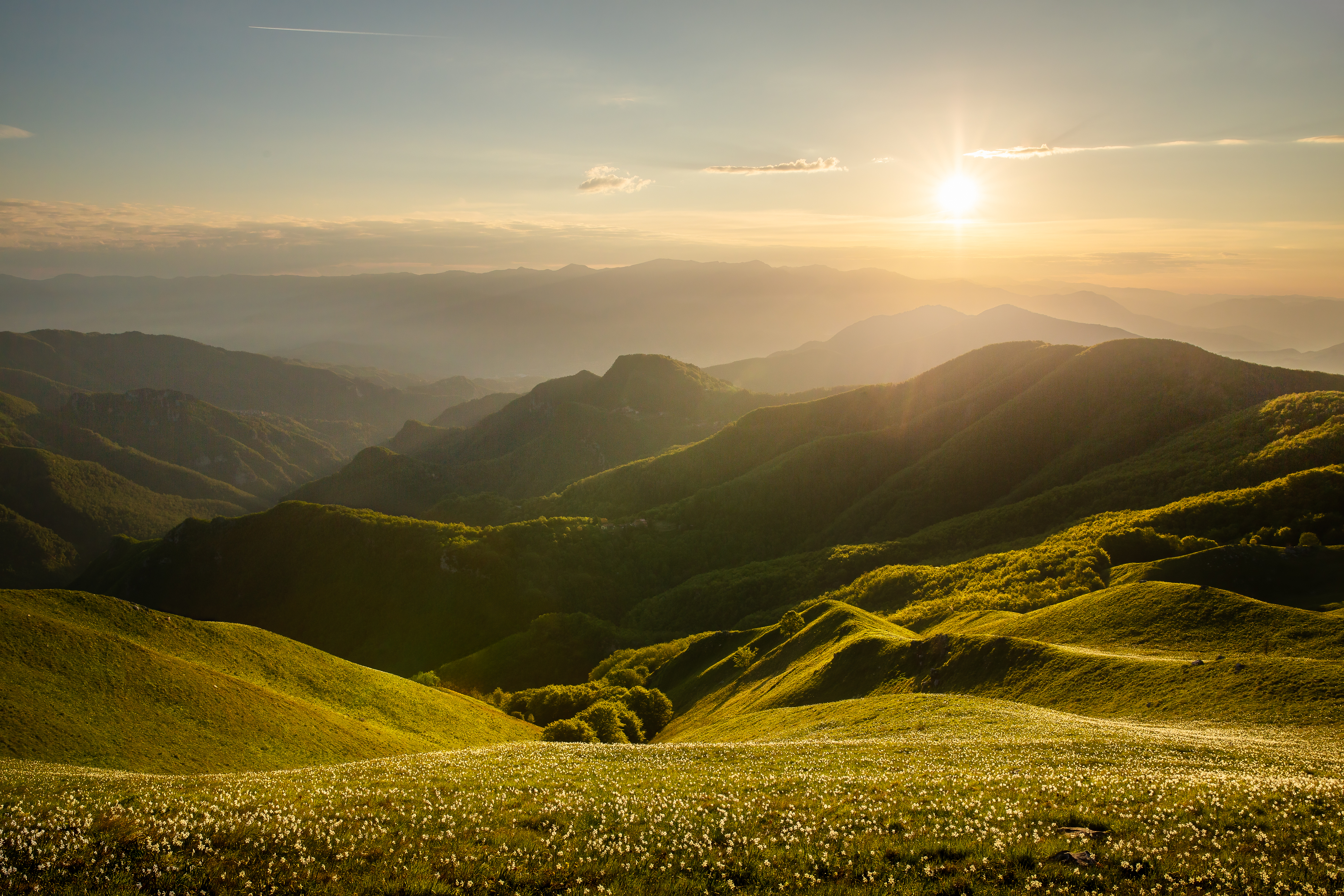
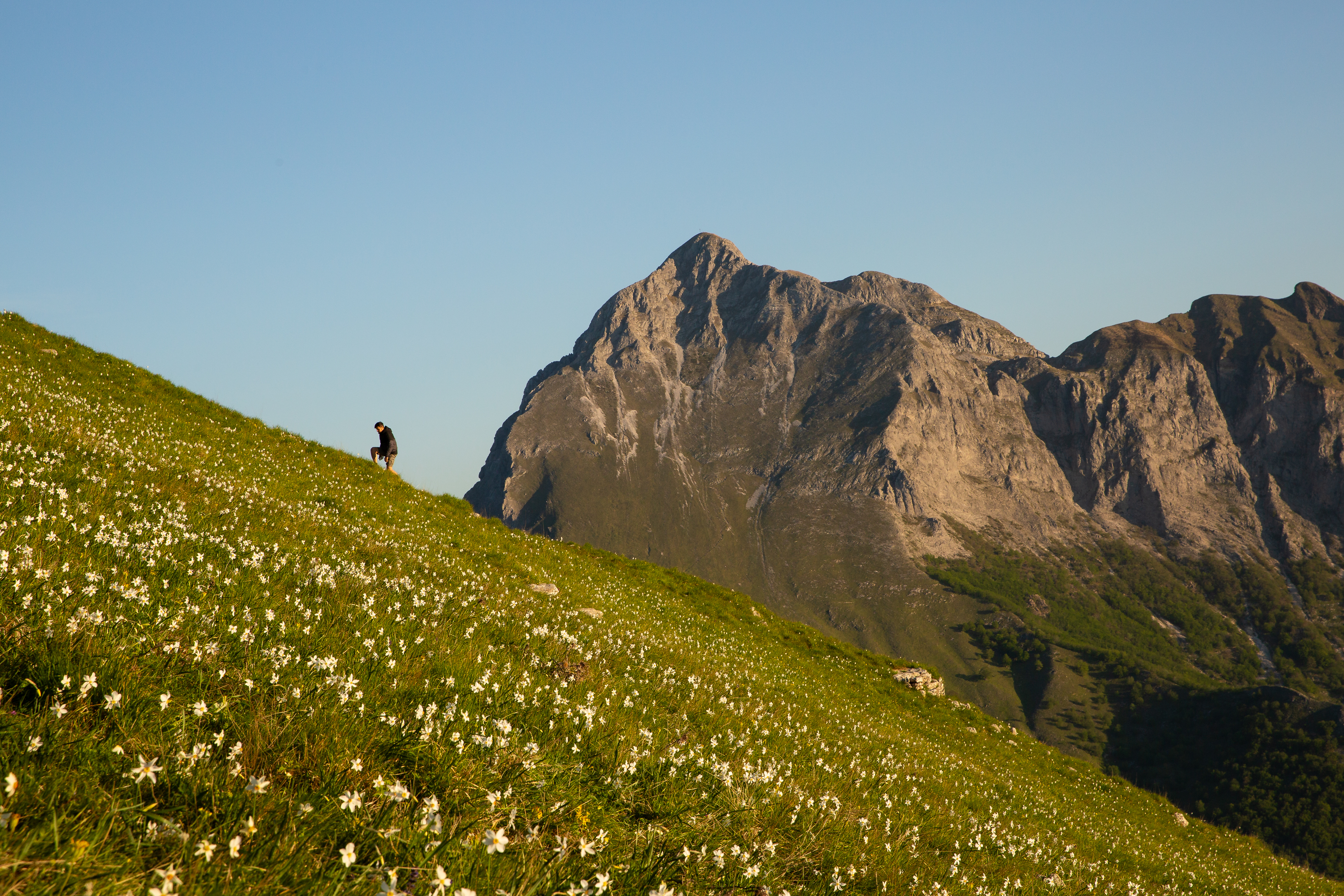
Questa eras la seconda volta che andavo a vedere la fioritura dei narcisi sul Monte Croce. Anche questa volta mi ha lasciato letteralmente senta fiato. Siamo partiti sabato sera a mezzanotte, Il tragitto impiega circa 45 minuti di passeggiata, tutta rigorosamente in salita. Una bella fatica, al buio, con uno zaino da 15kg alle spalle. Ma la determinazione e la passione non sono riuscite a fermarci. Saliamo a passo spedito, per essere in vetta alle 2:30 circa di notte. Questo ci ha permesso di scattare alle stelle, che, con poco inquinamento luminoso, erano davvero ben visibili.

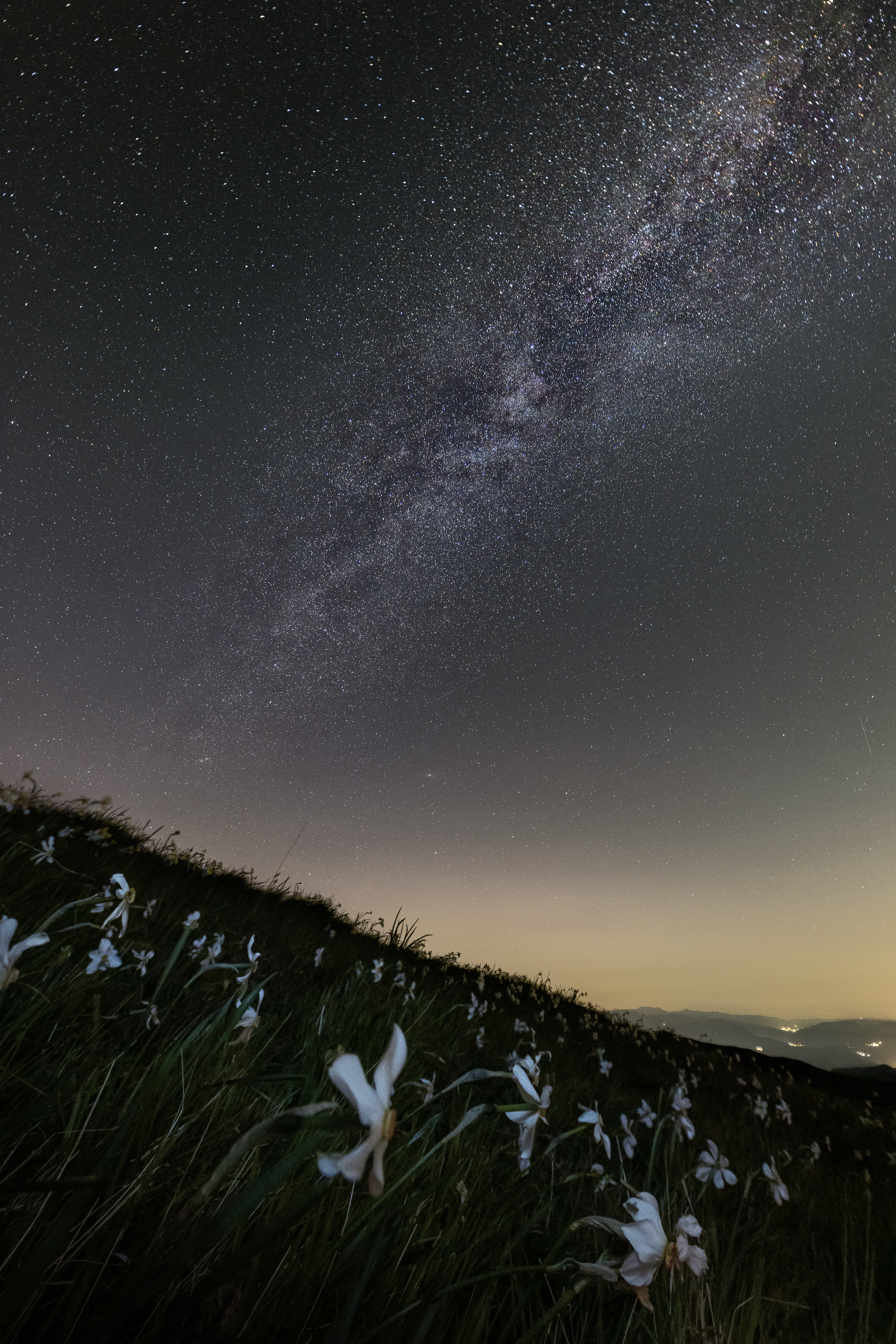
Via Lattea e Star-Trail sono stati gli scatti più ricercarti. Il lieve alito di vento che era presente sul crinale ci ha dato un bel filo da torcere. Con i tempi di scatto lunghi, un primo piano in movimento rappresenta davvero una difficoltà allucinante. Purtroppo, nessuna traccia dell’aurora. Ma nessun problema. Le nostre forze si sono concentrate per lo più per l’alba. Il pendio avvolto dalla fioritura, infatti, con lo spuntare del sole, ha preso letteralmente vita.

Quest’anno, di vita ce n’era anche troppa invece. Gruppi di persone arrivavano a flotte, man mano che il sole cominciava ad illuminare tutta la scena. Anche scattare non era affatto facile, senza inquadrare involontariamente qualcuno. Ogni volta che trovavo una composizione, qualcuno appariva sempre di fronte al mio obbiettivo, costringendomi a cambiare spesso inquadratura.

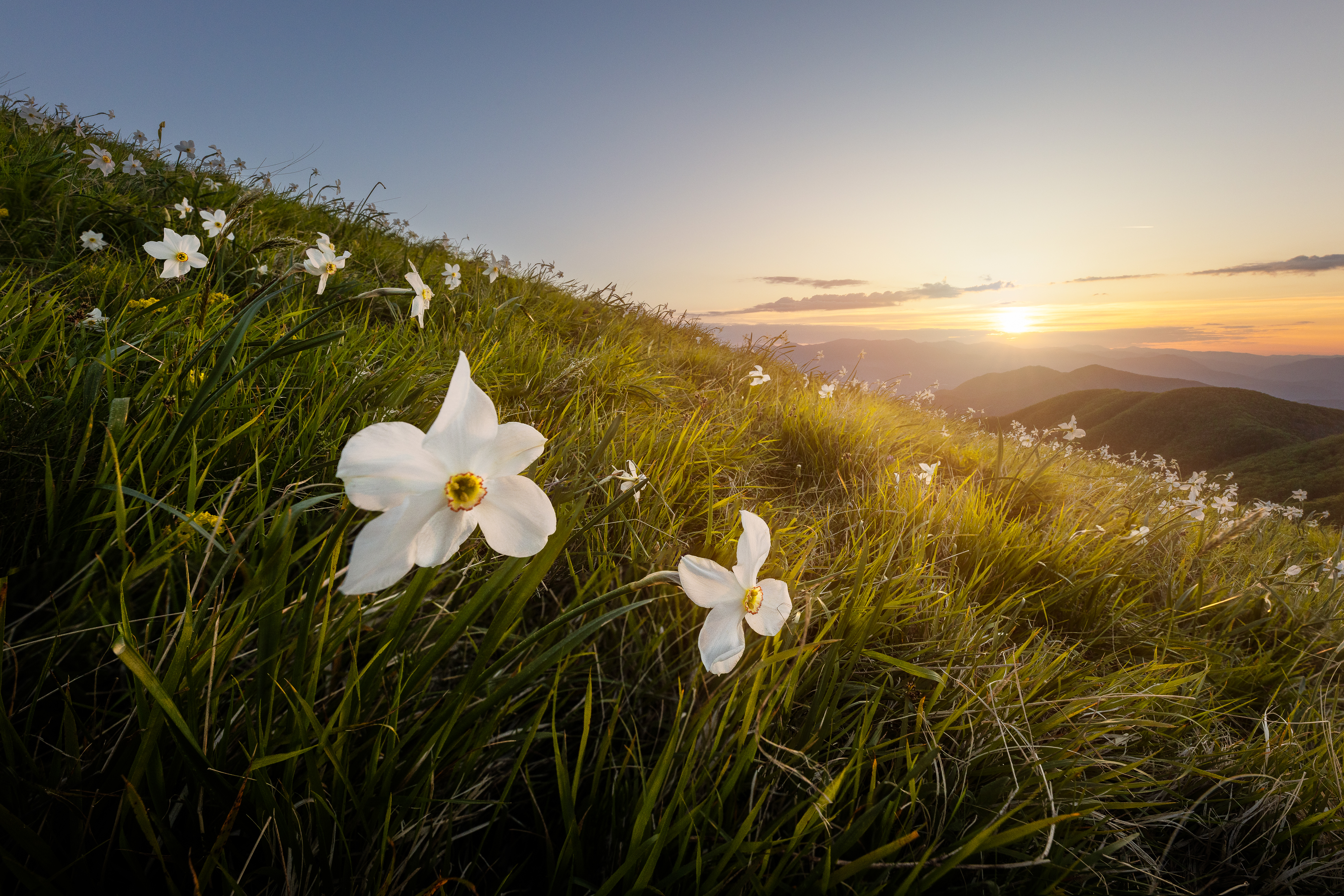
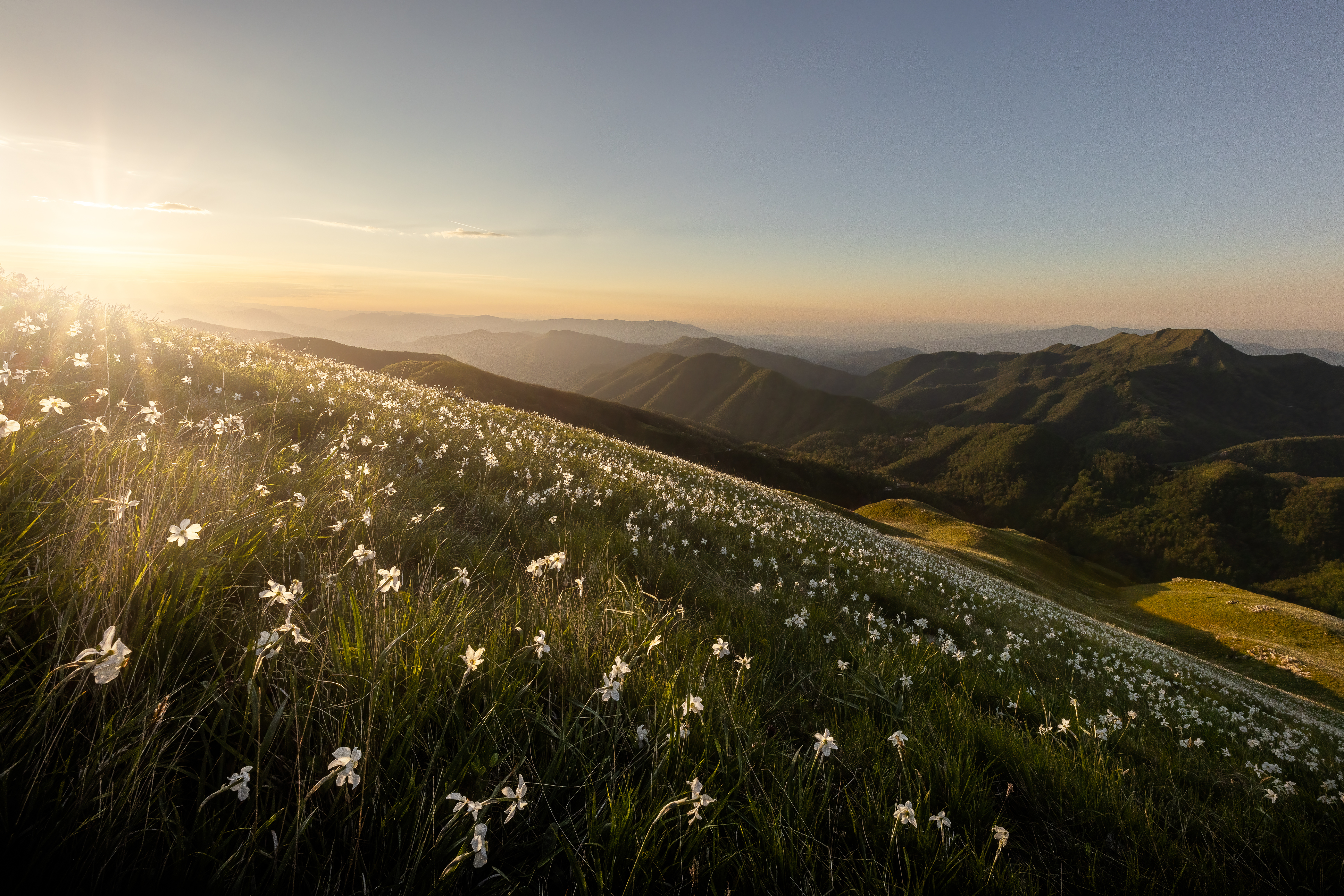
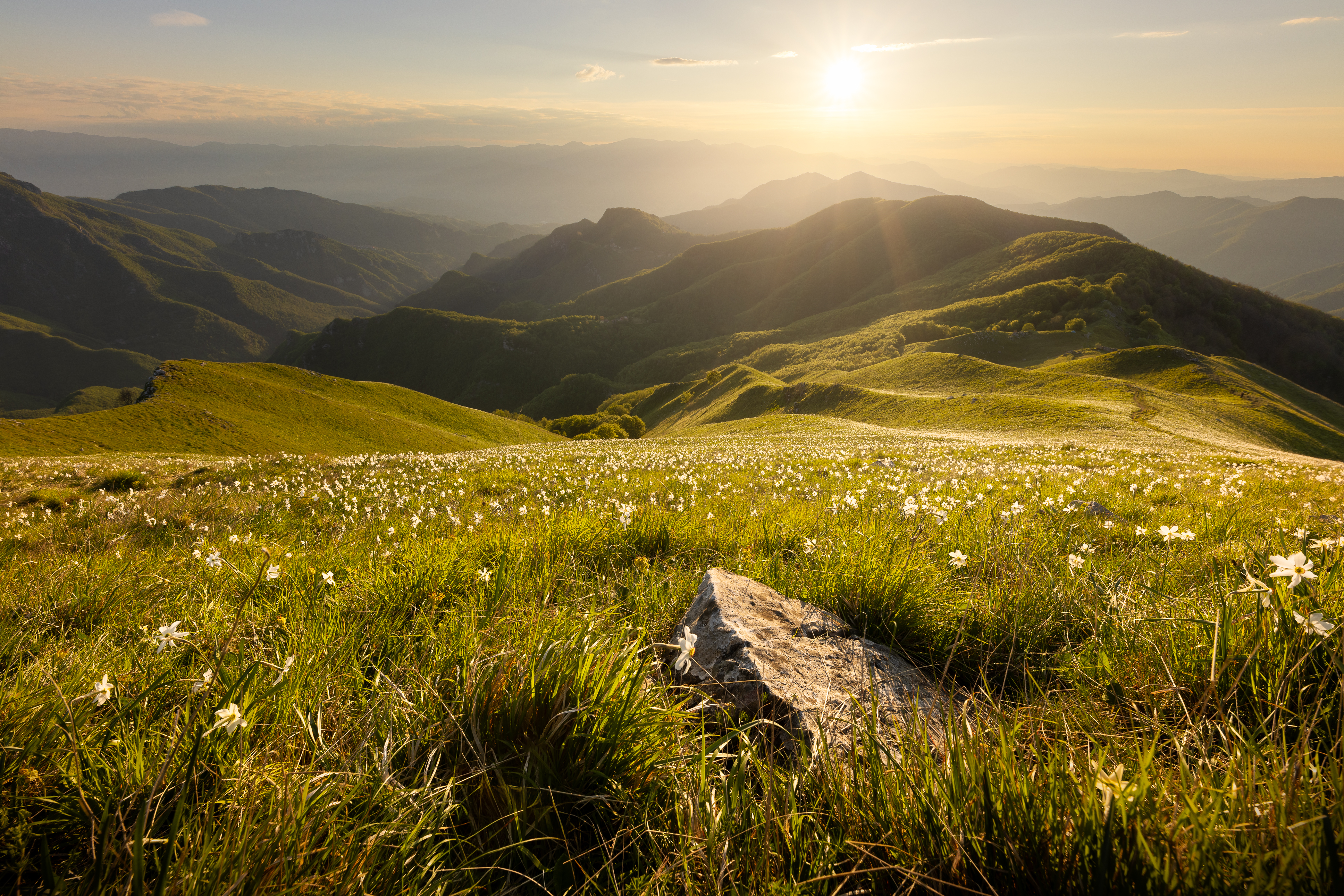
Una volta apparso il sole, ci siamo dedicati a scattare il più possibile a composizioni con i fiori in primissimo piano, Gli spot erano innumerevoli, e, nonostante la folla, abbiamo portato a casa diverse immagini veramente fantastiche. Ecco a voi gli scatti di questa bella uscita. Intensa e molto faticosa, ma anche quest’anno ci ha regalato forti emozioni. Buona visione a tutti voi.

Once we arrive in May, the appointment with the flowering of the daffodils rings punctually, like the alarm clock telling you to get up to go to work. This year, this event was incredibly followed by an unexpected multitude of people. Also thanks to the phenomenon of the geomagnetic storm of May 10th, which moved a disproportionate number of photographers to photograph the aurora, which was visible after many years even at our latitudes. Many photographers have tried to photograph it in the darkest places, and even I, despite not being able to see it on the night of May 10th, tried the following night, climbing up Monte Croce itself.

Obviously I was much more anxious for the fateful sunrise the next morning, as I was sure that the aurora would definitely not show up a second time. But I tried anyway, and, although nothing happened, both the night and the dawn gave us some shots and some unforgettable moments.

This was the second time I went to see the daffodils blooming on Monte Croce. This time too it literally left me breathless. We left on Saturday evening at midnight. The journey takes about 45 minutes of walking, all strictly uphill. A lot of effort, in the dark, with a 15kg backpack behind me. But determination and passion couldn’t stop us. We climb at a brisk pace, to be at the summit at around 2.30 am. This allowed us to shoot at the stars, which, with little light pollution, were really clearly visible.

Milky Way and Star-Trail were the most sought after shots. The light breath of wind that was present on the ridge gave us a hard time. With slow shutter speeds, a moving close-up really represents an incredible difficulty. Unfortunately, no sign of the aurora. But no problem. Our forces were mostly concentrated for dawn. The slope surrounded by flowers, in fact, literally came to life with the rising of the sun.

This year, there was too much life instead. Groups of people arrived in droves as the sun began to illuminate the entire scene. Even shooting wasn’t easy at all, without accidentally framing someone. Every time I found a composition, someone always appeared in front of my lens, forcing me to change shots often.

Once the sun appeared, we dedicated ourselves to shooting as many compositions as possible with flowers in the foreground. The spots were countless, and, despite the crowd, we took home several truly fantastic images. Here are the shots of this beautiful outing. Intense and very tiring, but this year too it has given us strong emotions. Good vision to all of you.

L’essenza della mia terra

Credo che, per un toscano purosangue, specie se si parla di un fotografo, una terra più bella di questa regione semplicemente non possa esistere. Quando qualcuno mi chiede dove abito rispondo sempre con orgoglio: “ in Toscana!!”.

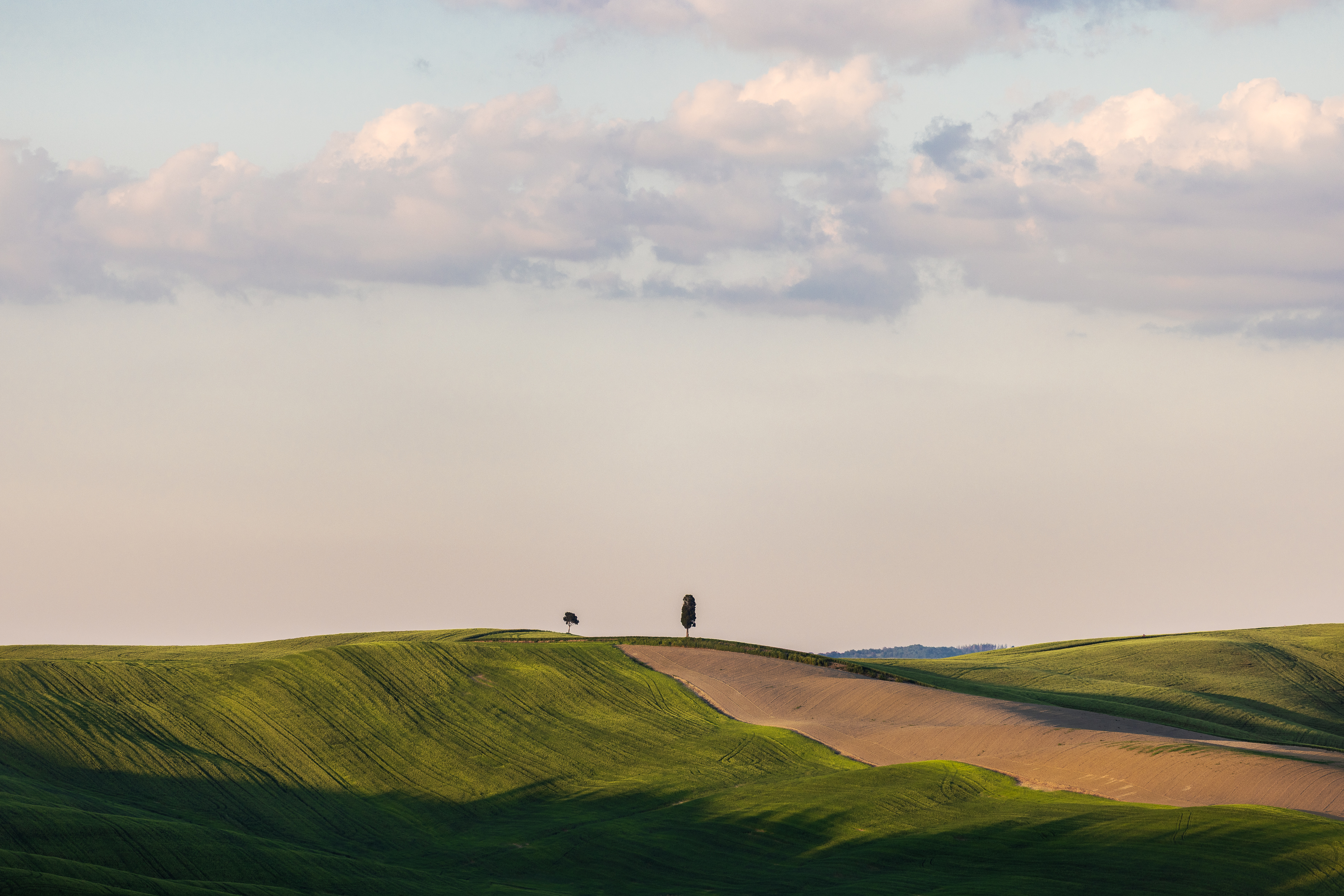
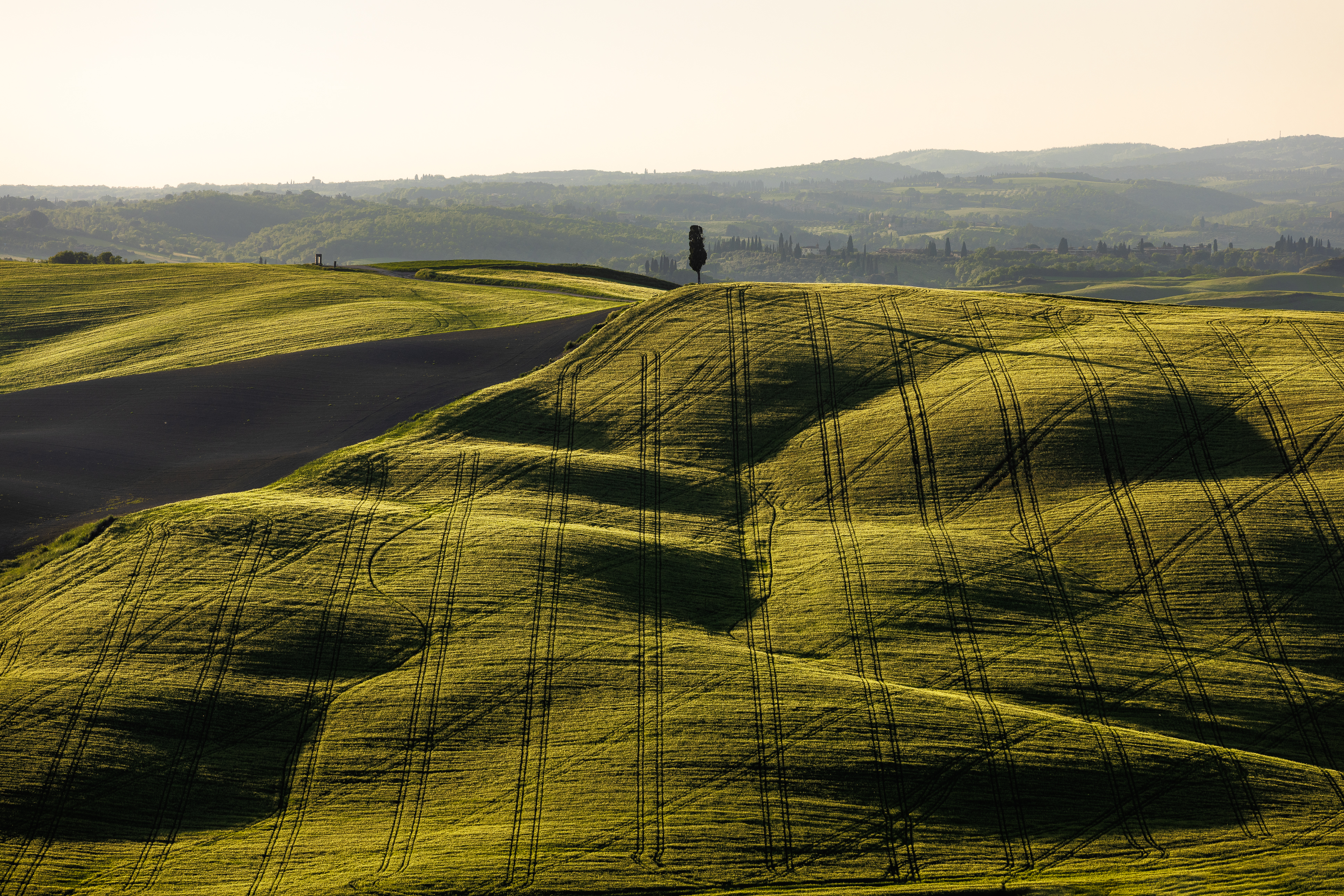
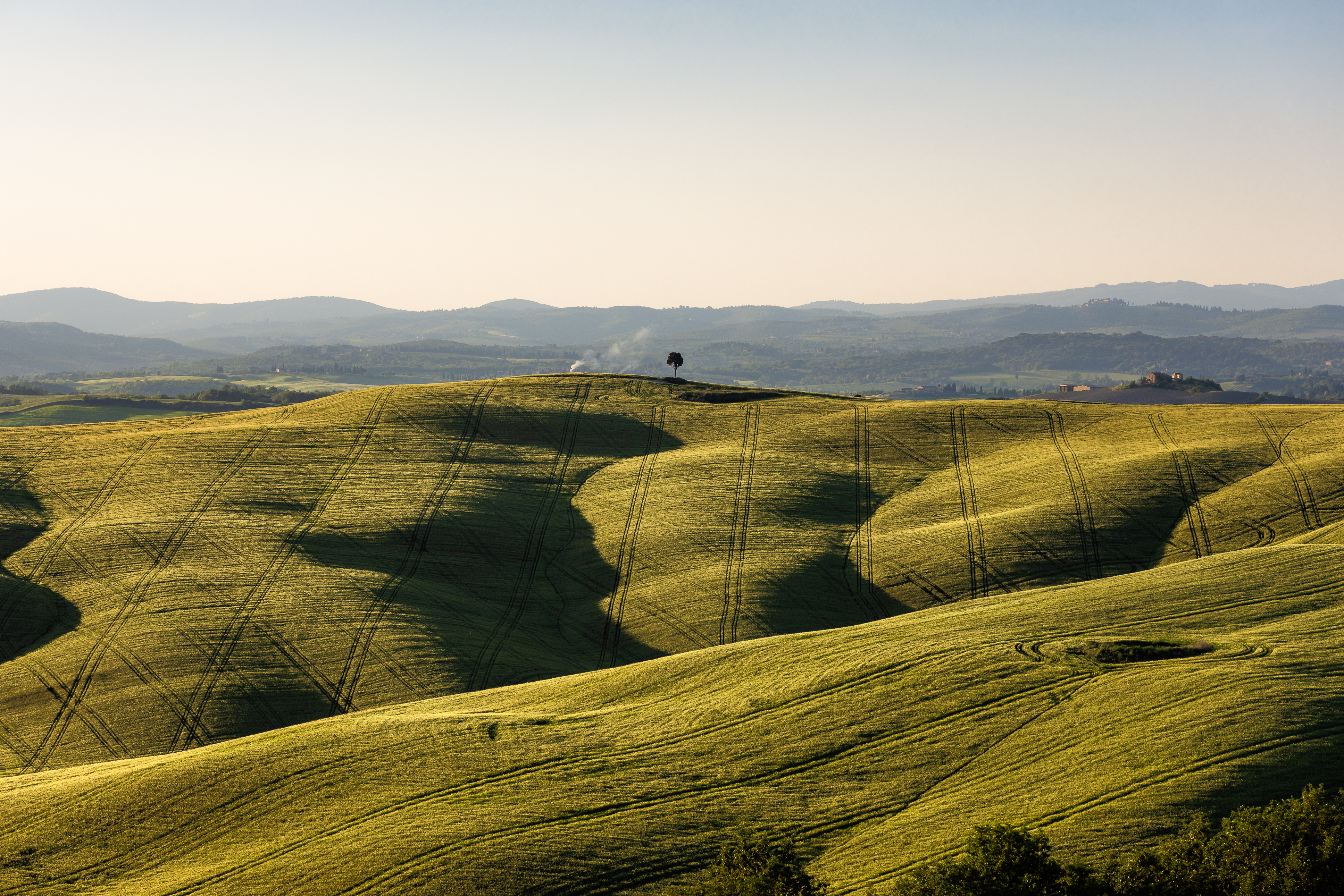
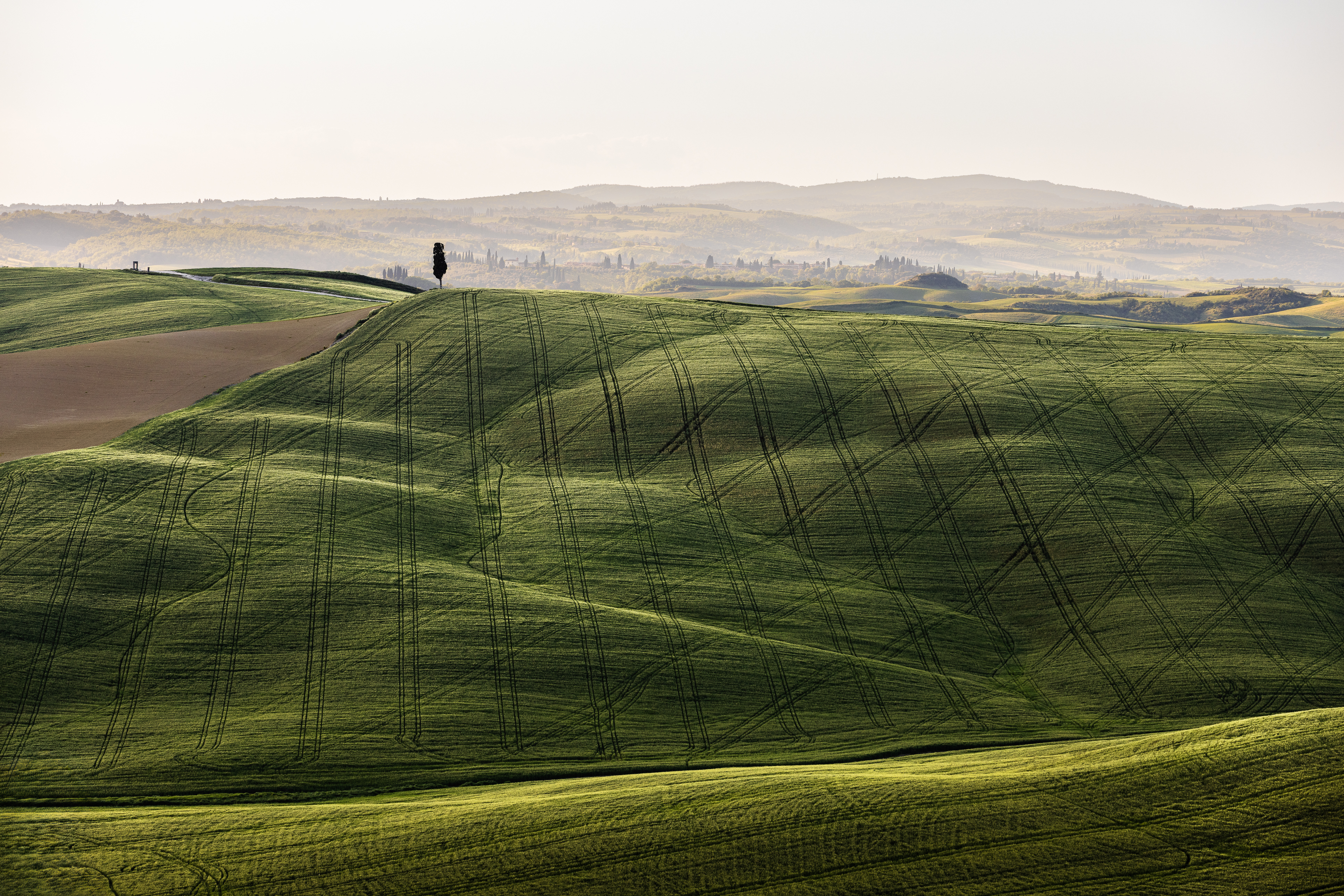
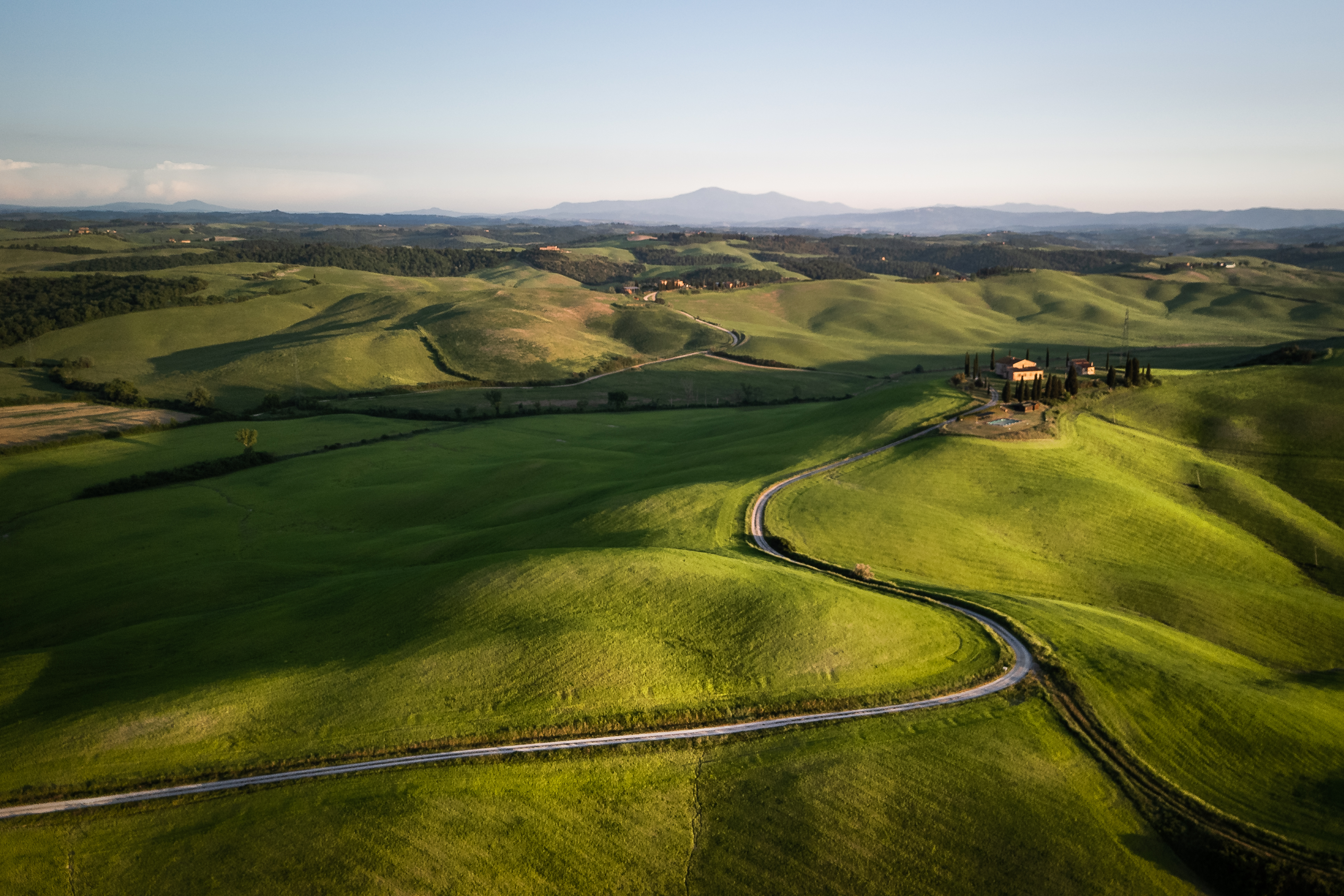
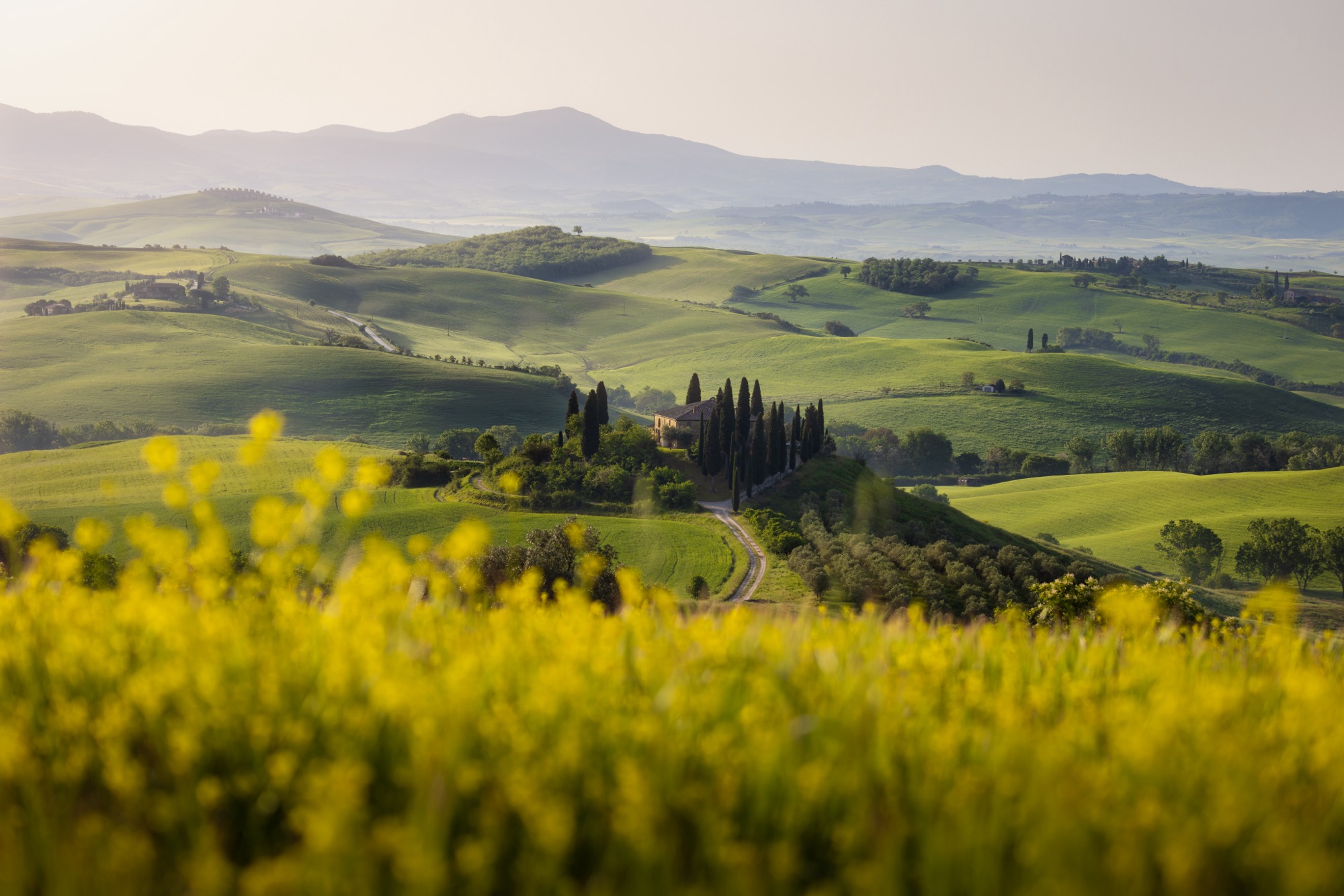
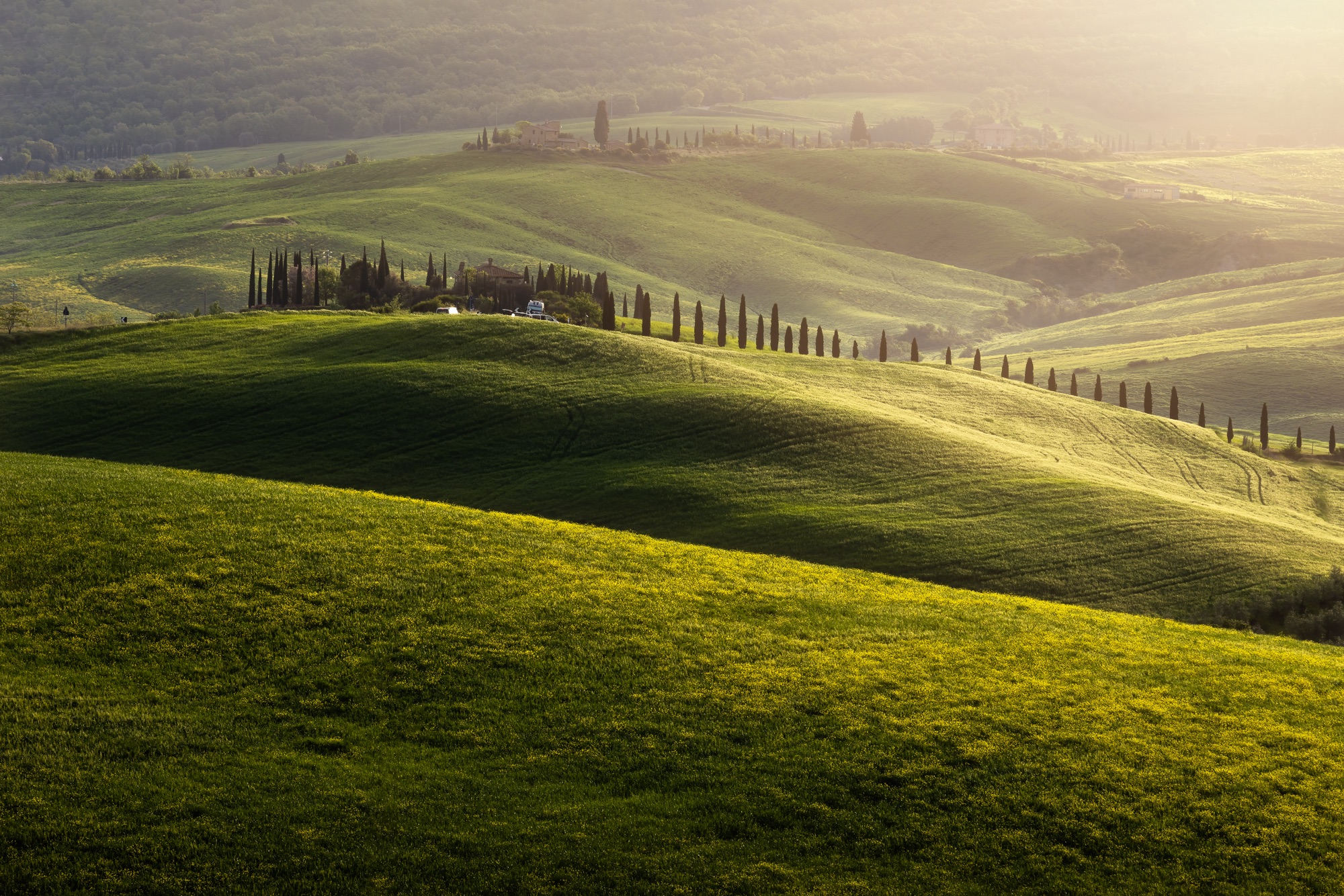
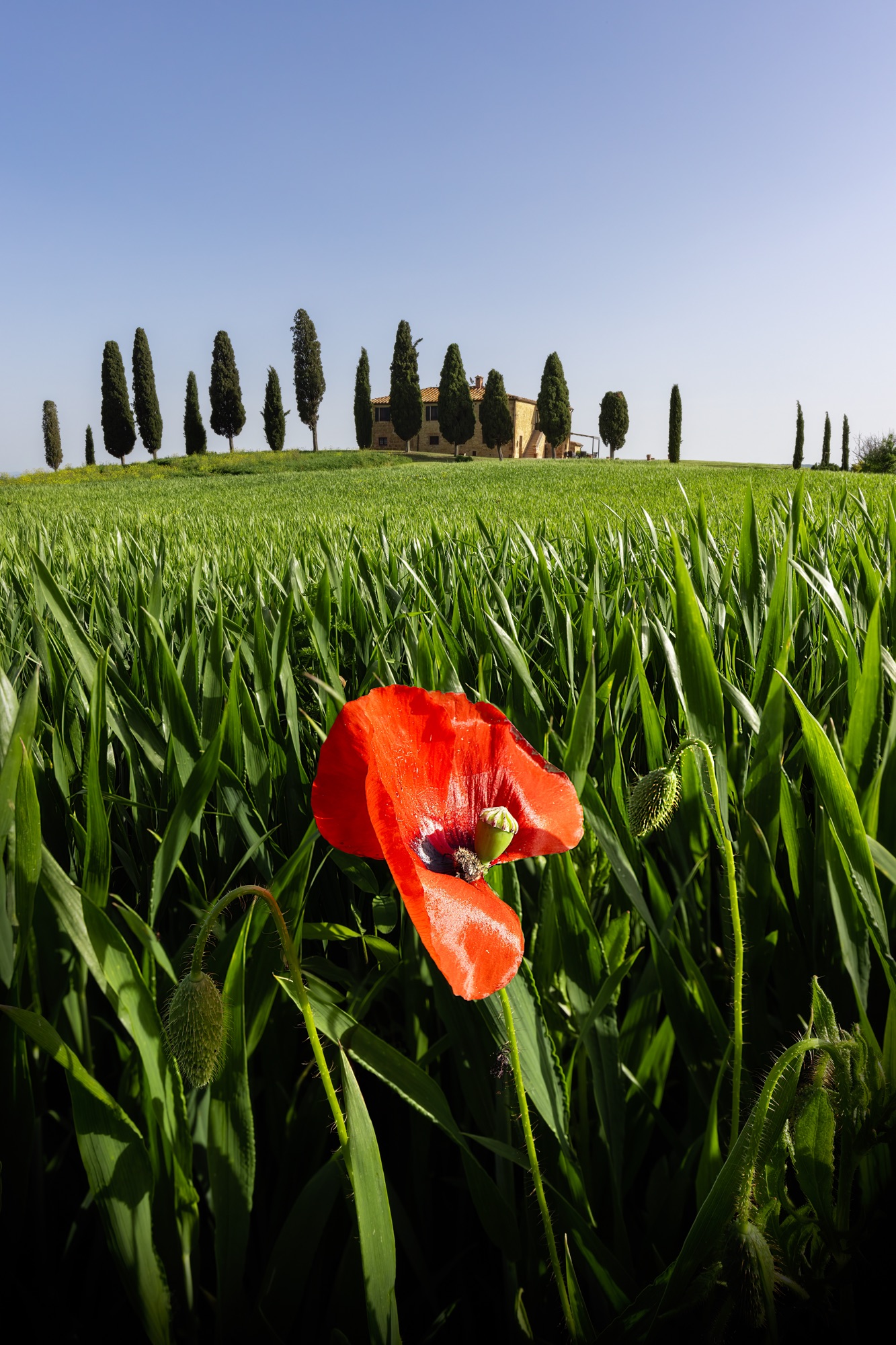
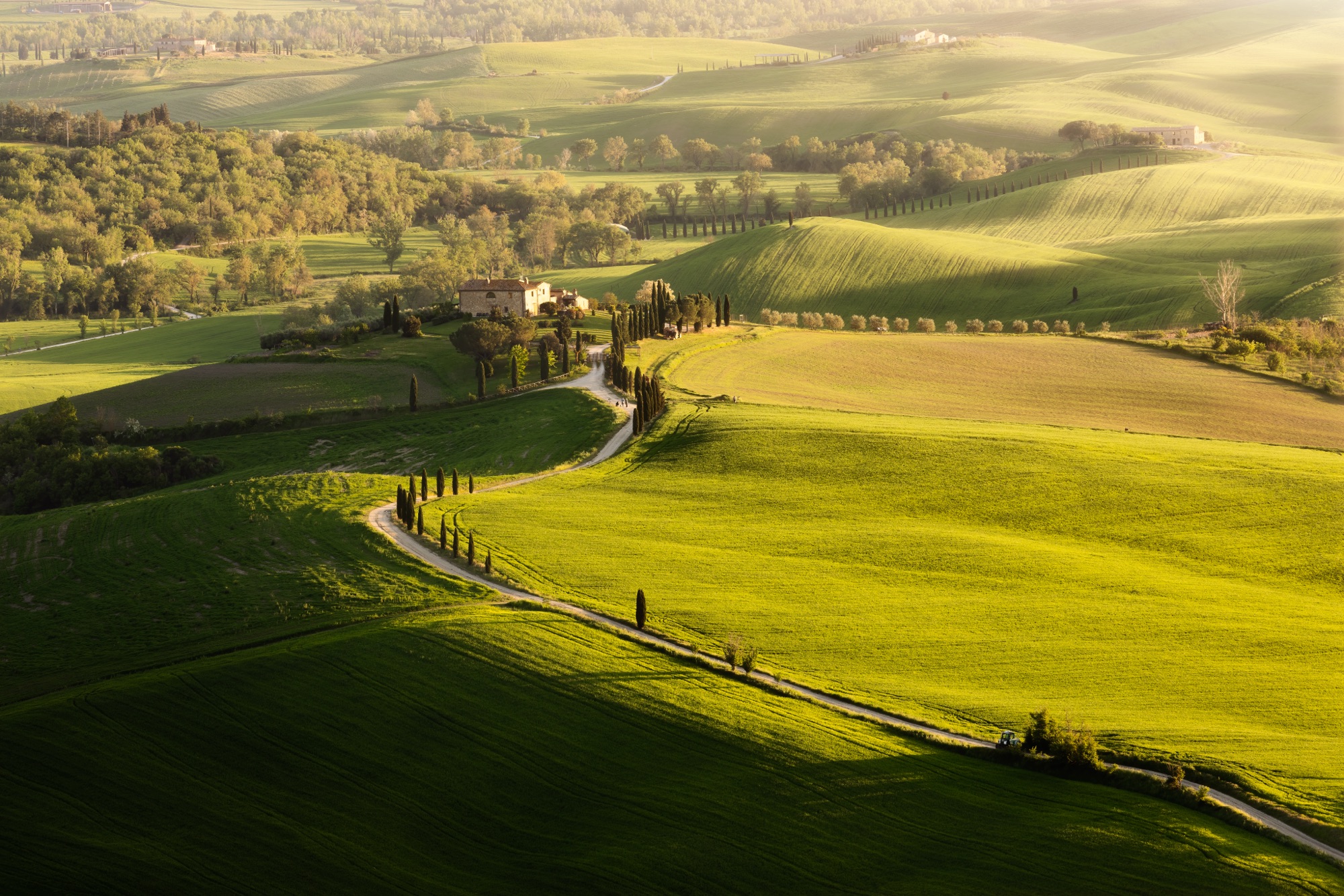
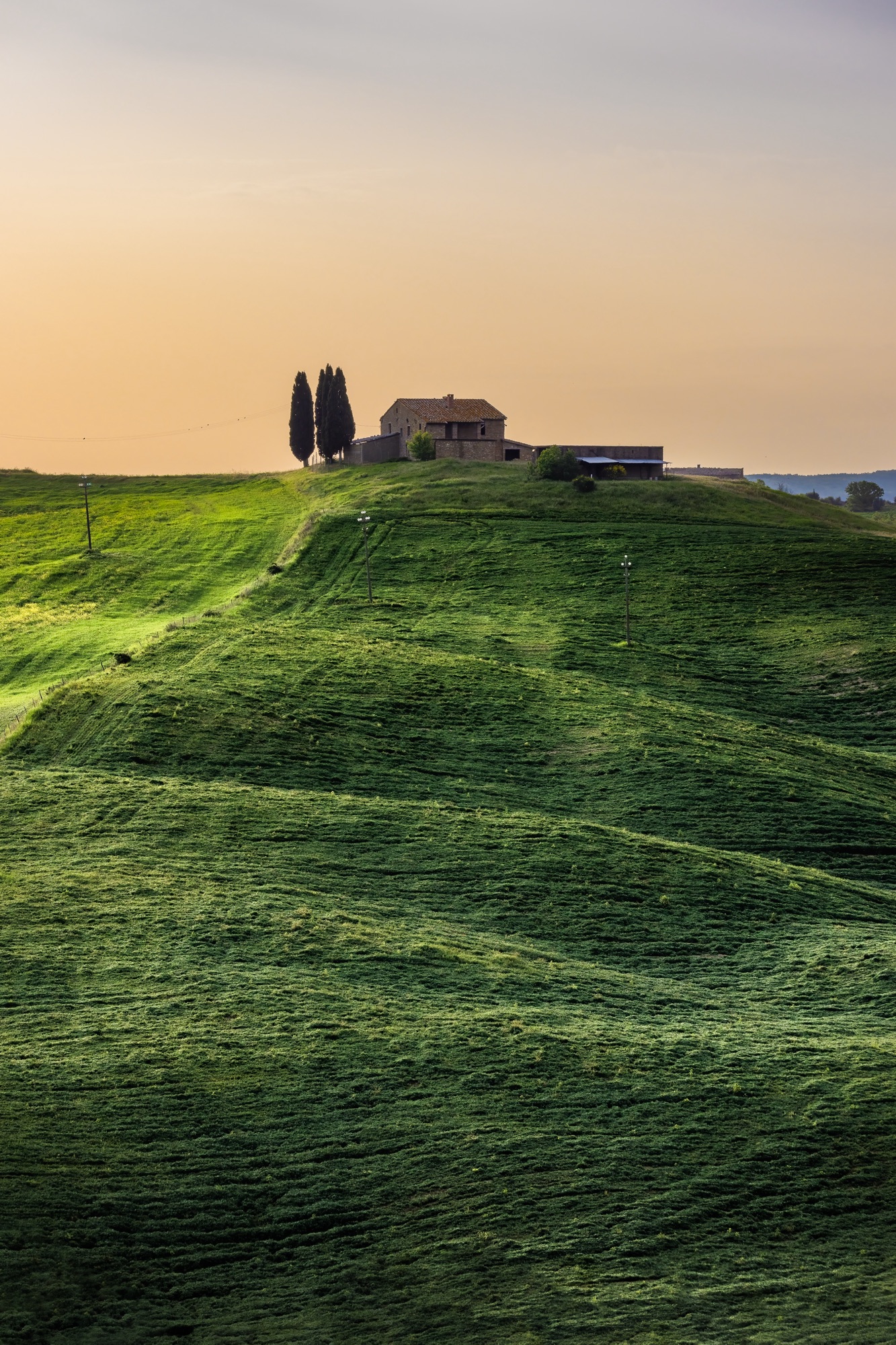
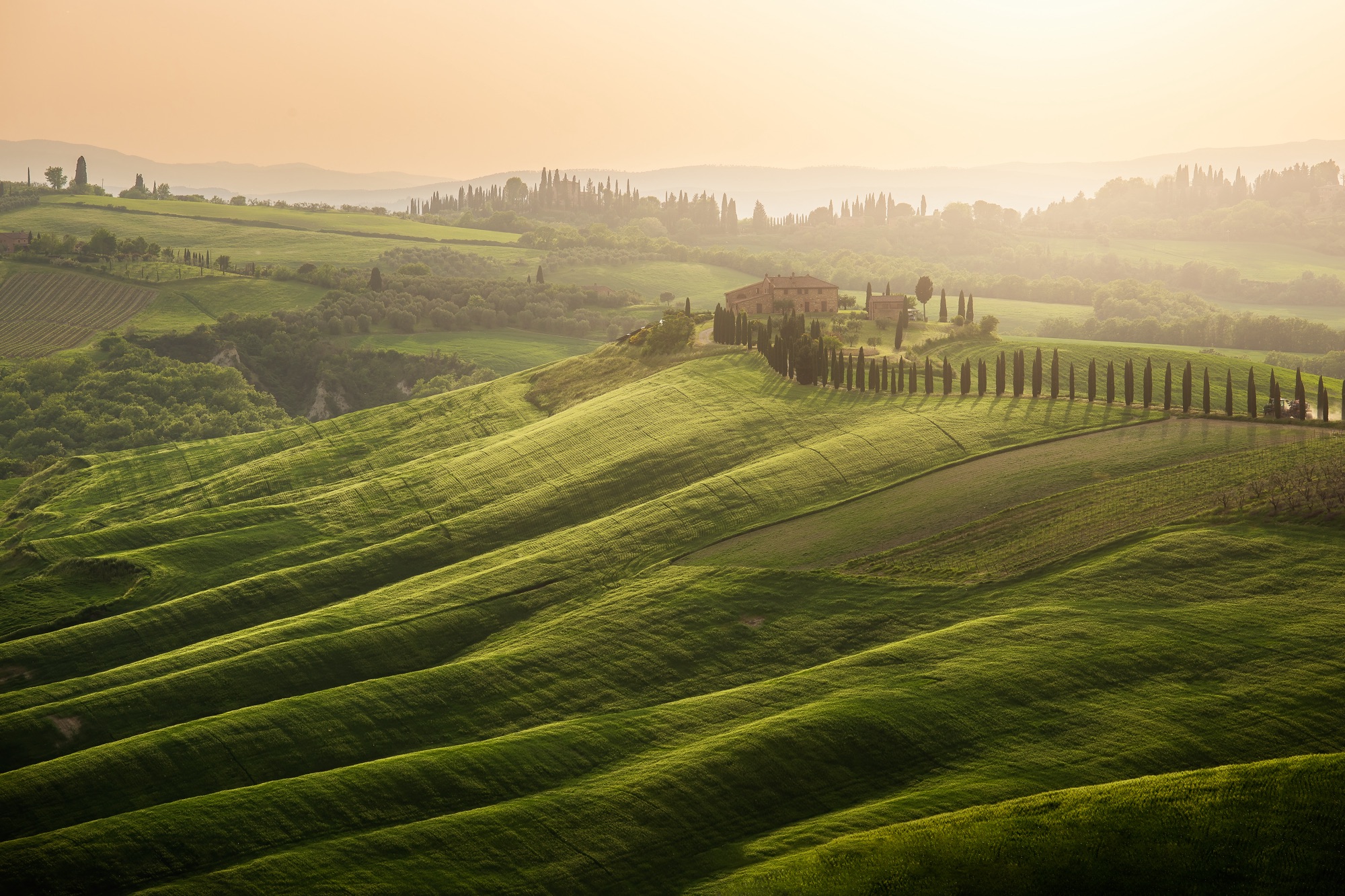
La Val d’Orcia e tutta la valle delle Crete Senesi rappresentano il cuore pulsante del paesaggio toscano per antonomasia. Parliamo di natura, di colline, di casolari, di prati coltivati a vista d’occhio. Spenderò poche parole per descrivere questo posto, perché le immagini che ho scattato lasciano sicuramente più spazio alle parole.

La Val d’Orcia, a primavera, è, senza dubbio, uno dei posti più belli dove trascorrere un weekend a contatto con la natura. Ovviamente non solo a primavera, ma, a mio parere, è in questa stagione che il paesaggio regala veramente il massimo. Appena arrivati in zona di San Quirico e Pienza, l’unico colore che si apre davanti agli occhi è il verde. Di mille sfumature, grazie alle pennellate gialle e rosse dei fiori di colza e summa, che si intersecano col verde del grano in crescita. Si tratta di una zona ricca di agricoltura e turismo, che ha saputo ben coniugare questi due elementi, con un terzo aspetto fondamentale… il cibo.

Chi viene in Toscana assapora un paesaggio autentico, vini e prodotti alimentari tipici, come formaggi, salumi, pasta fatta in casa e selvaggina… ed una buona dose di pura semplicità delle persone, semplici ed ospitali. Insomma… non manca proprio niente.

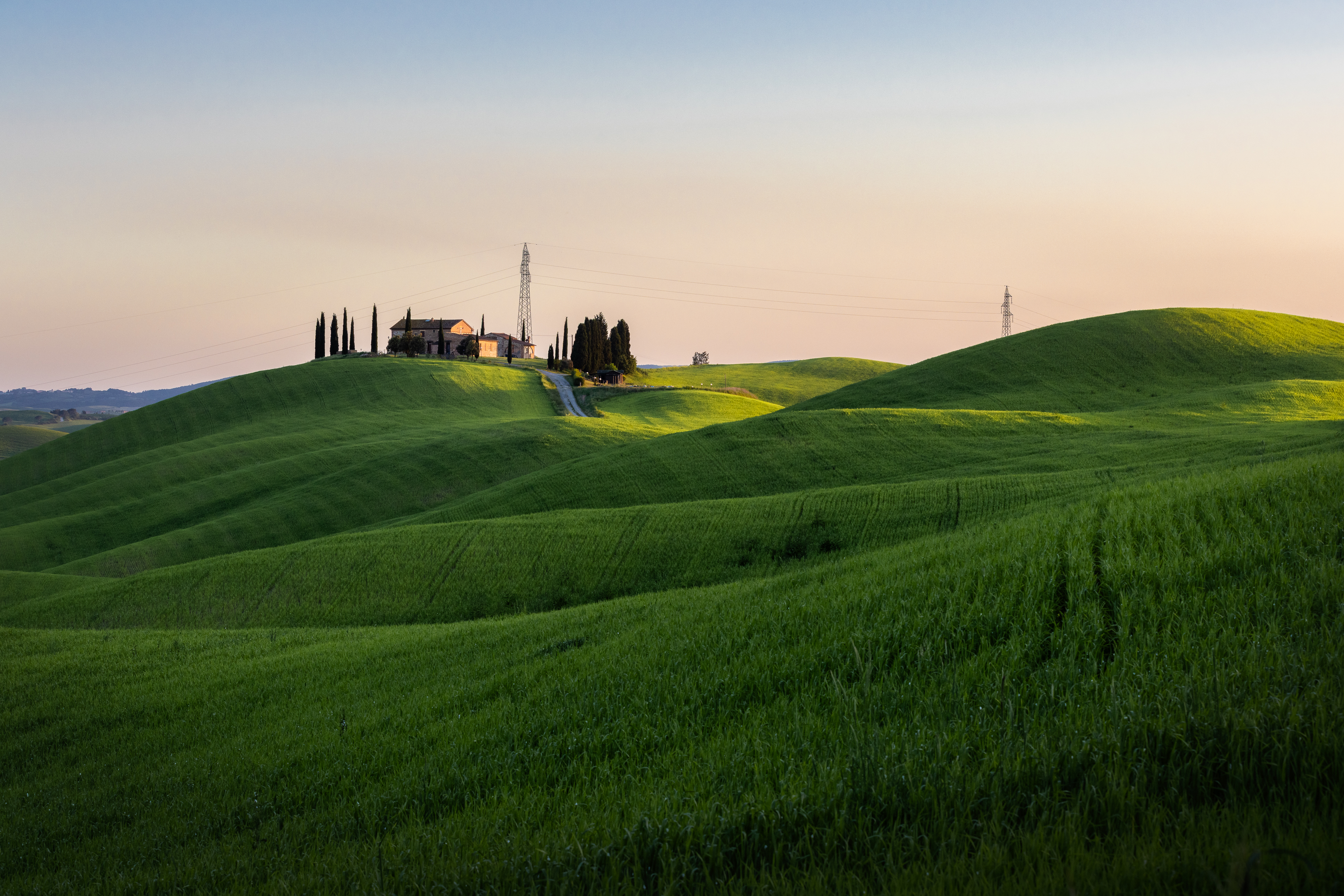
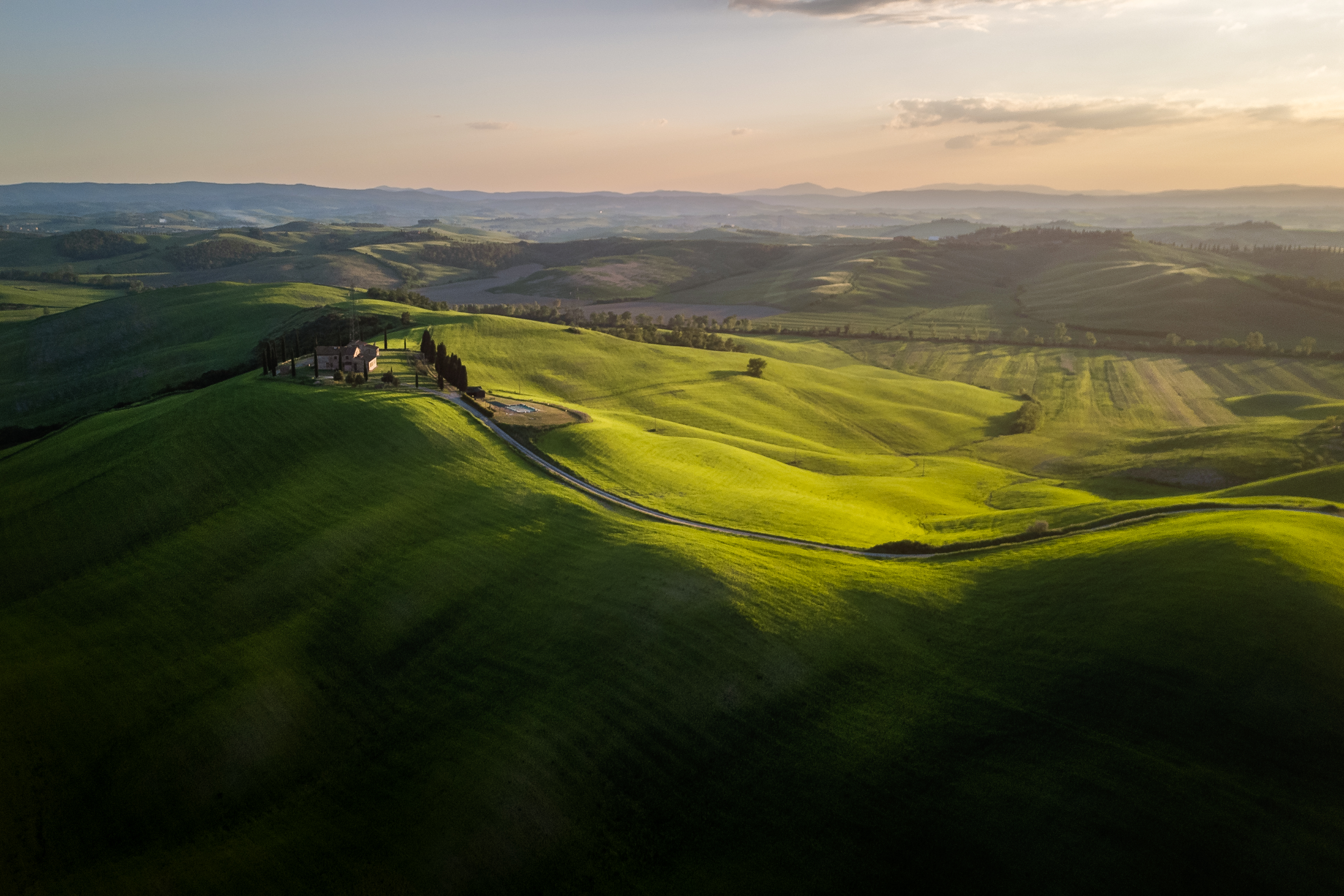
Fotograficamente parlando, il posto è una delle pietre miliari del fotografo paesaggista. Alcuni scatti classici non possono e non devono mancare nel portfolio del fotografo. Inseguire la luce che accarezza queste dolci colline è il vero segreto di questo paradiso. Con la luce giusta, il paesaggio si trasforma letteralmente. La luce sfiora i crinali delle colline verdeggianti, pennellandole di giallo con la sua bella luce calda. Le ombre scuriscono in un verde profondo. I casolari sparsi qua e là, come minuscole macchie di vino rosse su una tovaglia verde, richiamano l’attenzione della fotocamera, con un fare silenzioso e delicato.

Possiamo dire che proprio quando il sole sorge al di sopra di Pienza, lo spettacolo ha inizio. Circa un’ora di tempo per avere una luce spettacolare, la buona luce. Dove punti la fotocamera ha poco importanza, tanto ci sono spot da fotografare ad ogni angolo. Le focali preferite sono, data la vastità del posto, le focali medio lunghe. Il mio 70-200 ha fatto veramente un ottimo lavoro stavolta.

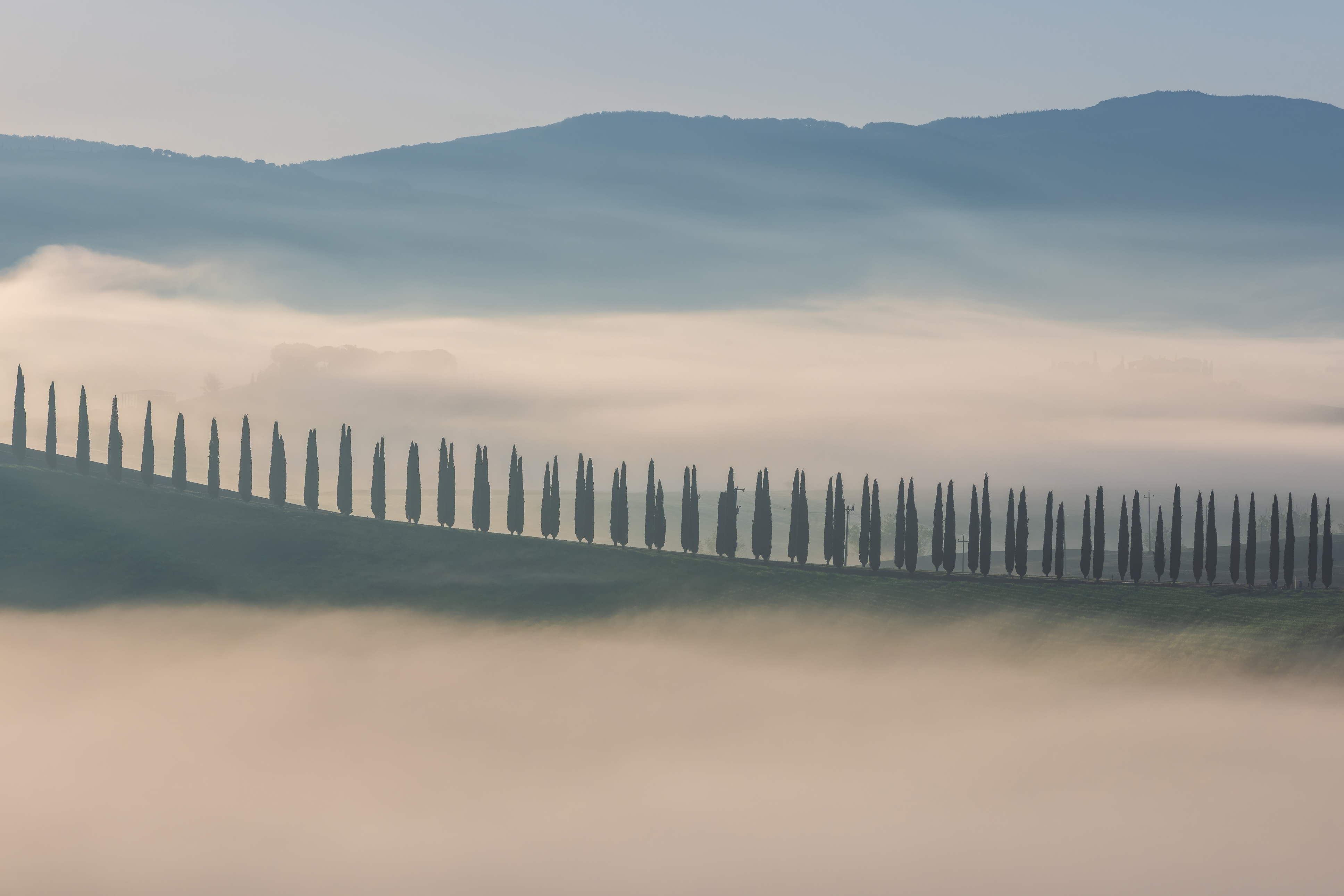
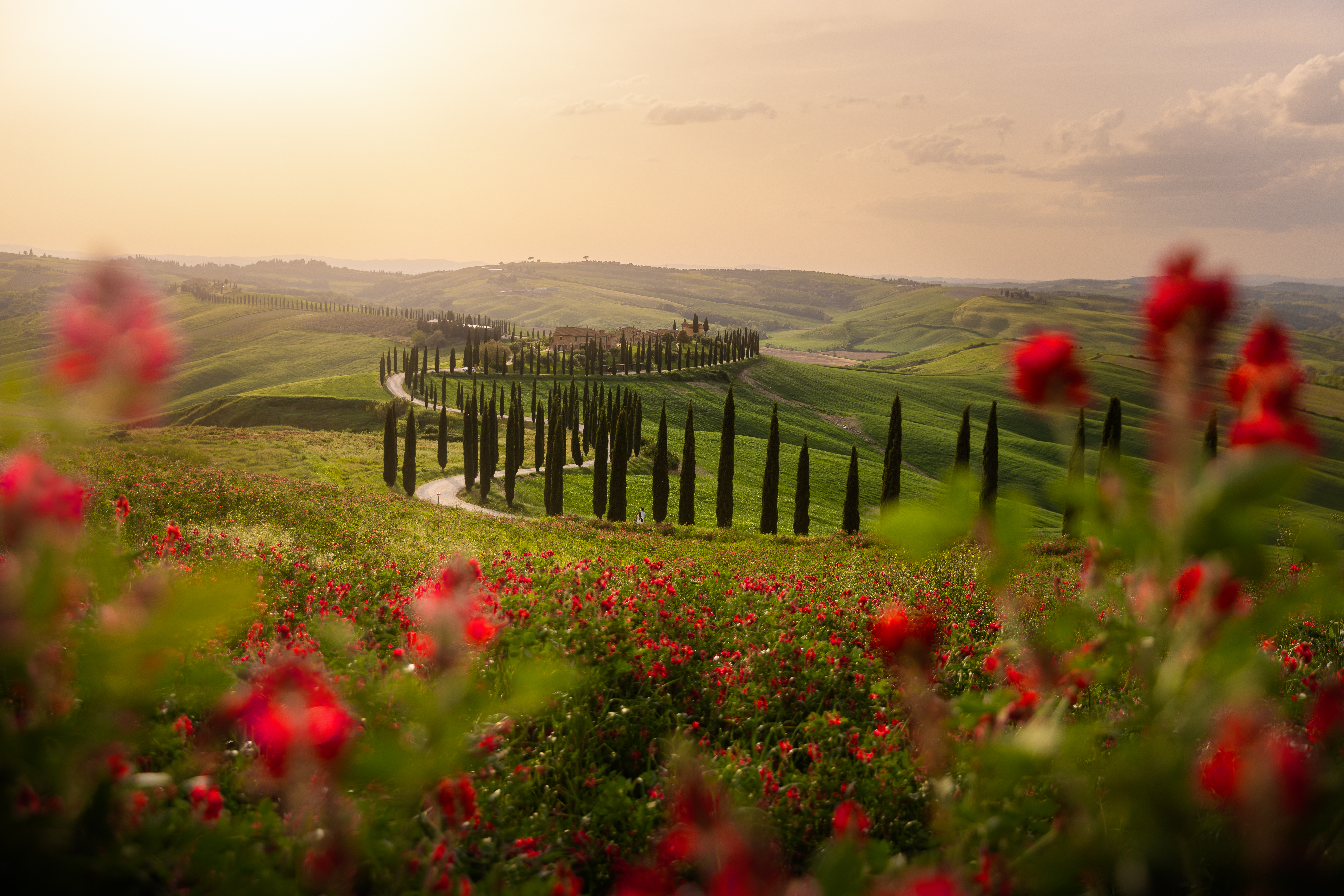
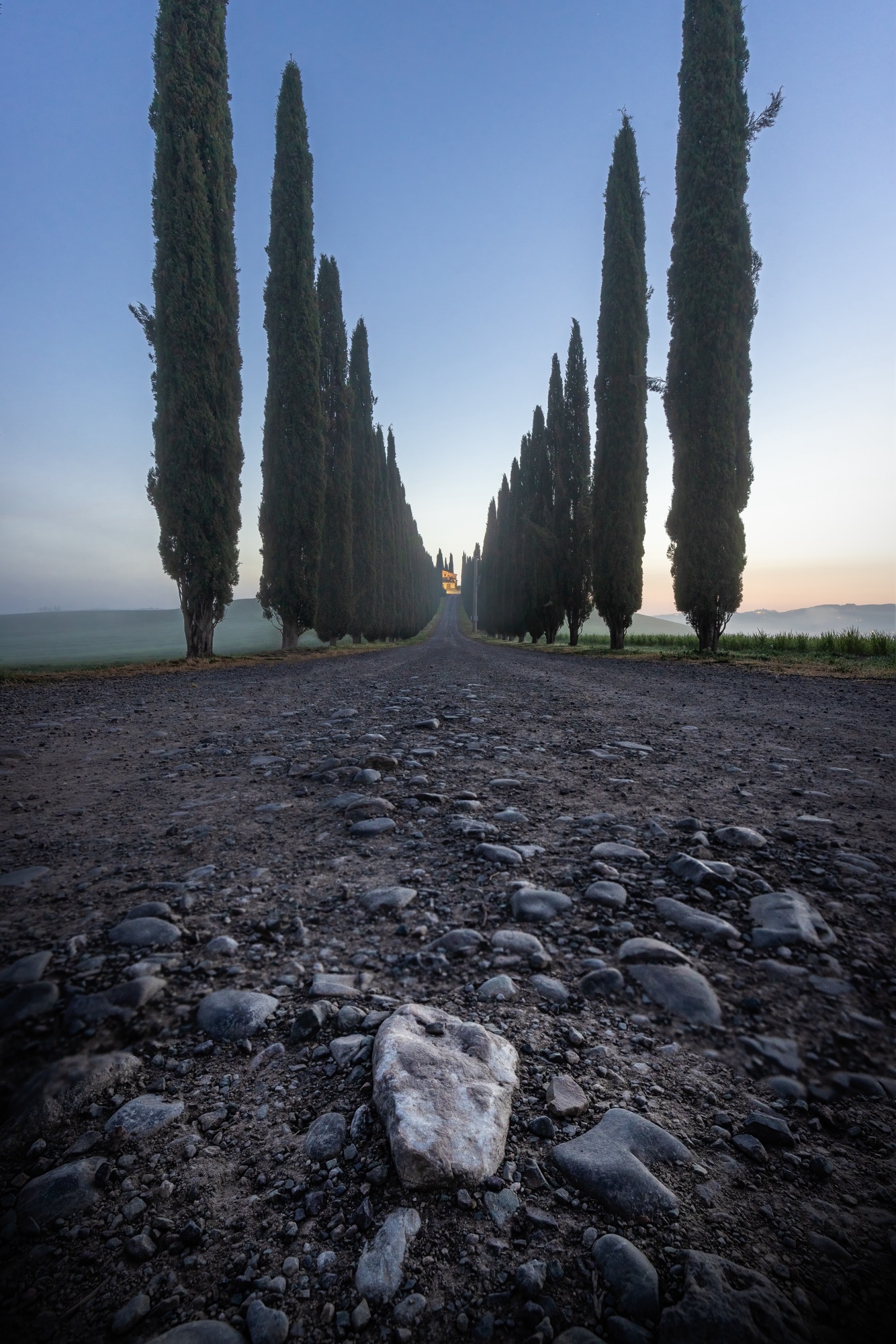
Ecco a voi gli scatti di questa uscita di due giorni. Spaziamo dai grandi classici, come l’alba al Podere Belvedere, la nebbia a Poggio Covili, fino al tramonto a Baccoleno… il posto più fotografato di queste terre. Altri scorci sono sicuramente meno conosciuti ma, non per questo, meno affascinanti.

Porto veramente questo posto nel mio cuore, ed ogni volta che torno a trovarlo, mi regala sempre cose nuove. Buona visione a tutti voi dalla Toscana… dalla mia terra.

I believe that, for a full-blooded Tuscan, especially if we are talking about a photographer, a more beautiful land than this region simply cannot exist. When someone asks me where I live I always answer with pride: “in Tuscany!!”.

The Val d’Orcia and the entire Crete Senesi valley represent the beating heart of the Tuscan landscape par excellence. We talk about nature, hills, farmhouses, cultivated meadows as far as the eye can see. I will spend few words to describe this place, because the images I took certainly leave more room for words.

Val d’Orcia, in spring, is, without a doubt, one of the most beautiful places to spend a weekend in contact with nature. Obviously not only in spring, but, in my opinion, it is in this season that the landscape truly offers its best. As soon as you arrive in the San Quirico and Pienza area, the only color that appears before your eyes is green. Of a thousand shades, thanks to the yellow and red brushstrokes of the rapeseed and summa flowers, which intersect with the green of the growing wheat. It is an area rich in agriculture and tourism, which has been able to combine these two elements well, with a third fundamental aspect… food.

Those who come to Tuscany savor an authentic landscape, wines and typical food products, such as cheeses, cured meats, homemade pasta and game… and a good dose of the pure simplicity of the people, simple and hospitable. In short… nothing is missing.

Photographically speaking, the place is one of the milestones of the landscape photographer. Some classic shots cannot and must not be missing from the photographer’s portfolio. Chasing the light that caresses these rolling hills is the true secret of this paradise. With the right light, the landscape literally transforms. The light touches the ridges of the green hills, brushing them yellow with its beautiful warm light. Shadows darken to a deep green. The farmhouses scattered here and there, like tiny red wine stains on a green tablecloth, attract the attention of the camera, with a silent and delicate manner.

We can say that just when the sun rises above Pienza, the show begins. About an hour to have spectacular light, good light. Where you point the camera doesn’t matter much, as there are spots to photograph at every corner. Given the vastness of the place, the preferred focal lengths are medium-long focal lengths. My 70-200 really did a great job this time.

Here are the shots of this two-day outing. We range from the great classics, such as the sunrise at Podere Belvedere, the fog at Poggio Covili, up to the sunset at Baccoleno… the most photographed place in these lands. Other views are certainly less known but, no less fascinating.

I truly carry this place in my heart, and every time I return to visit it, it always gives me new things. Good vision to all of you from Tuscany… from my land.