Una notturna in liguria

Dalle mie parti si dice che “Nella botte piccola ci sta il vino buono”. Infatti, in Liguria, una delle regioni più piccole del bel Paese, ci stanno degli spunti fotografici mozzafiato. La conformazione del territorio di questa regione ha dato vita a preziosissimi borghi arroccati a picco sul mare, che si dislocano in tutta la sua lunghezza, ed in tutta la sua bellezza. Per citarne qualcuno, si passa da Portovenere, alle Cinque Terre, da Portofino, fino a Sestri Levante, Boccadasse e Camogli. Ma ce ne sono ancora molti altri.

Sabato sera, il mio caro amico Cristiano mi ha chiamato proponendo una notturna. Quelle uscite di notte con la “N” maiuscola. Di fronte a queste proposte, non importa se hai 12 ore di lavoro alle spalle. Carpe Diem… zaino in spalla e via a fotografare. In queste pazzie la fatica non riesco proprio a sentirla. Avendo solo una notte a disposizione, ci siamo concentrati principalmente sulla zona vicino La Spezia, toccando i primi borghi più entusiasmanti di questa zona. In particolare modo abbiamo concentrato le nostre poche ore a Riomaggiore e Manarola, le prime due delle Cinque terre, in previsione di fare, con un’altra uscita, le successive.

Camminare in inverno, di sabato notte, in questi borghi, è come attraversare un piccolo paese fantasma. Gli unici rumori che senti sono le onde del mare che si infrangono sugli scogli, e i click dei fotografi che, temerari come noi, si rilassano scattando fotografie nel buio e nel silenzio.

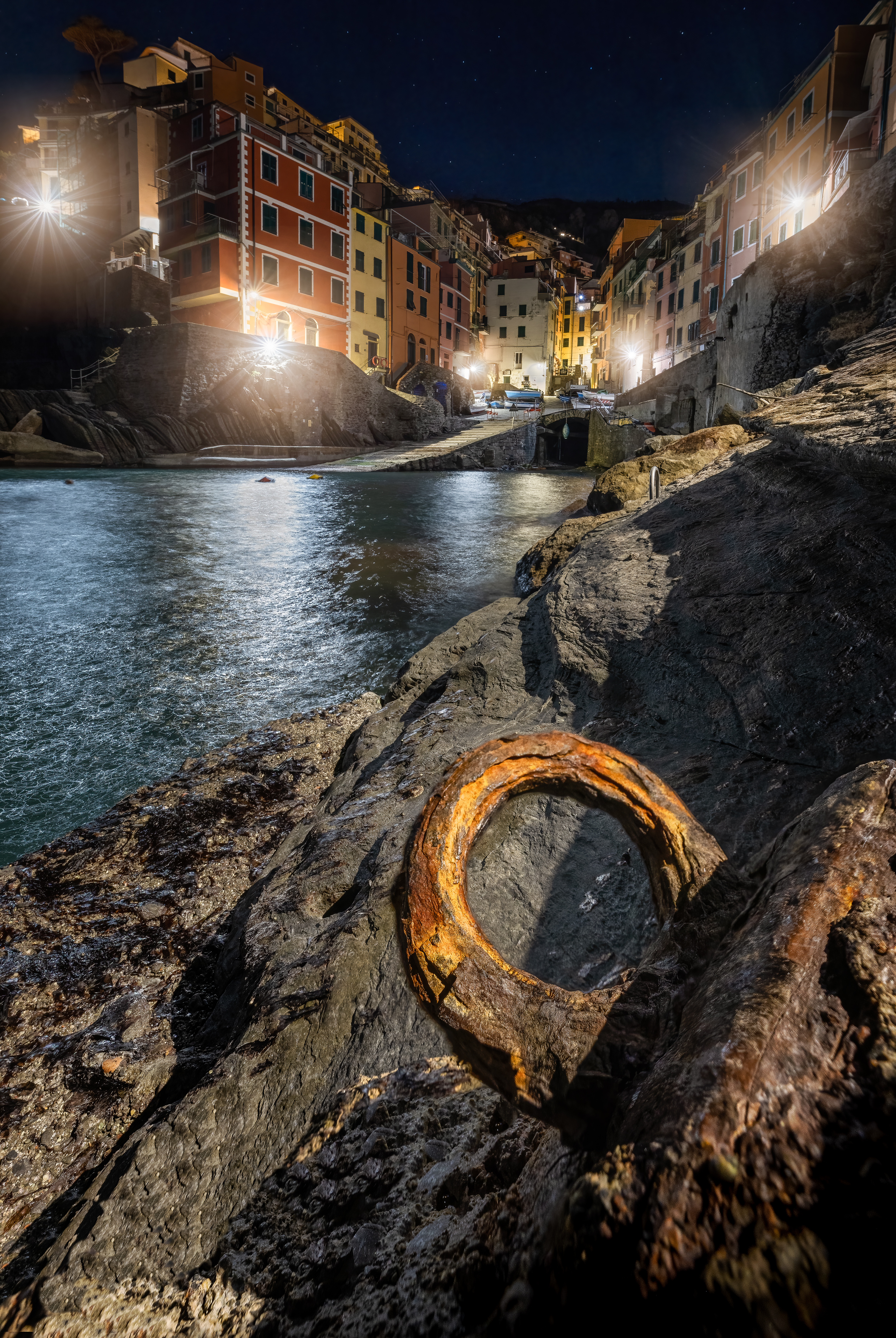
Riomaggiore è meravigliosa. Un piccolo gioiello a ridosso sul mare. Era la prima volta che la fotografavo. Di notte ha un fascino veramente irresistibile. Lo so che sono scatti classici, visti e stravisti, ma posso assicurarvi che quando inquadrate e premete il tasto della fotocamera per scattare, è un’emozione davvero potente. Ci sarà pure un motivo per cui tutti vanno a fotografare qui. La sfida più grande è, ovviamente, trovare una composizione innovativa e personale.

Abbiamo fotografato dall’alto, dove bellissime piante di agave fanno da contorno alla scena. Poi siamo scesi, alla ricerca di qualche inquadratura particolare, utilizzando il Focus-stacking per avere maggiore profondità di campo. Il borgo conte sue luci è particolarmente impegnativo da fotografare. La gamma dinamica è ampia, ed occorrono più esposizioni per fare una foto ben eseguita. C’è tanto lavoro di post-produzione qui. L’idea era di fare un bello Star-trail qui, ma non eravamo soli, ed abbiamo preferito fare scatti meno impegnativi per lasciare spazio anche ad altri fotografi.


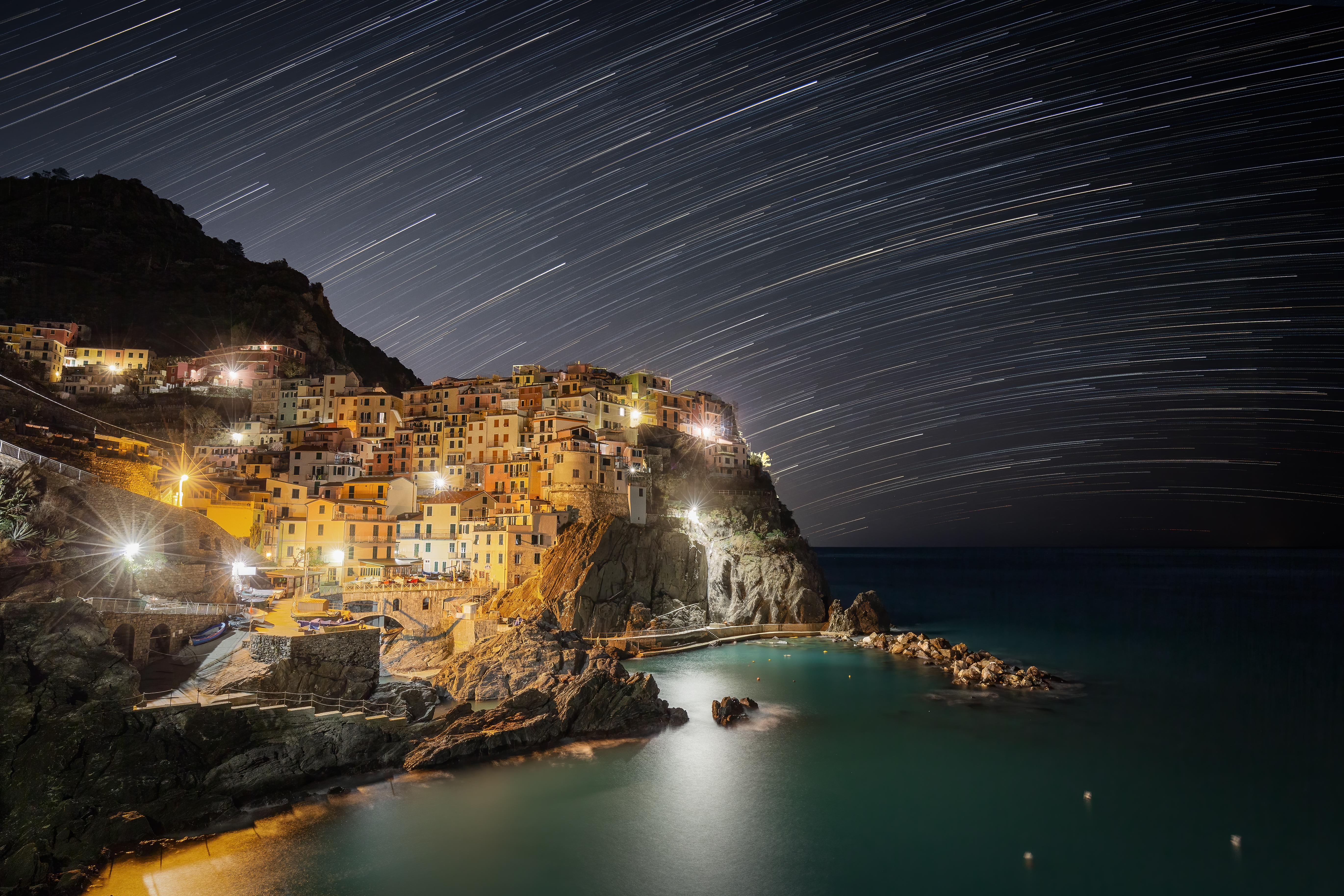
Poi abbiamo deciso di cambiare meta. Dopo una scarpinata allucinante, tutta in salita, siamo ripartiti in auto verso Manarola. Anche qua ci abbiamo fatto una discreta camminata, ma appena arrivati sul mare, eravamo davvero soli. Perfetto per fare qua uno Star-trail. Dopo aver posizionato la fotocamera su cavalletto ed inquadrato la scena, abbiamo avviato la sequenza di scatti per il cielo. Nel frattempo, abbiamo impieghiamo il nostro tempo per fare altri scatti con la seconda fotocamera. Difficile trovare uno scatto originale, ma, spostandomi vicinissimo all’acqua, e rischiando un clamoroso tuffo in mare, ho trovato una composizione assai personale, che non avevo ancora mai visto. Le condizioni di scatto erano veramente incerte, a causa delle onde che, seppur leggere, mi venivano addosso e mi facevano muovere la fotocamera.

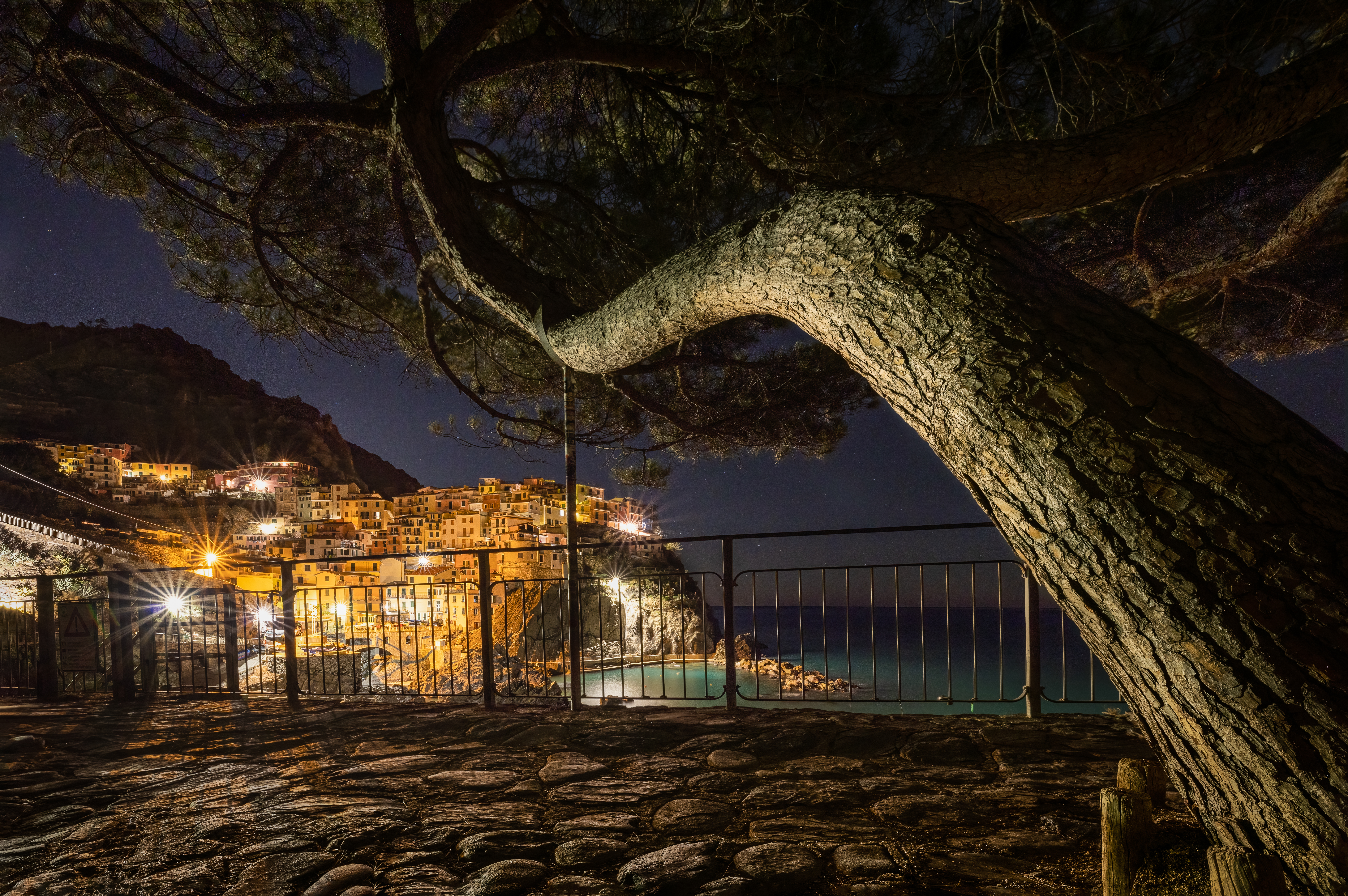
Manarola è semplicemente incredibile. Fotogenico e pratico. Grazie alla lunga passerella lungo la scogliera, si può fotografare il borgo in tutta tranquillità. Le case sono disposte una sull’altra come un piccolo feudo, e le luci disseminate qua e là creano un’atmosfera indescrivibile. L’acqua è un verde/azzurro intenso, che contrasta col blu scuro intenso del cielo. E’ un mix di colori veramente affascinante, che in fotografia si amalgamano insieme con un gusto emozionante. Ma il movimento to dell’acqua in primo piano che fa da soggetto sotto al borgo solitario di Manarola sotto le stelle, beh… ne è valsa la pena.

Arrivati quasi all’alba, abbiamo deciso di rientrare. Siamo stati fino quasi alle 6 del mattino a scattare. Abbiamo un bel materiale su cui lavorare per raccontare questa serata. Vi lascio in visone questi scatti, con la speranza che l’emozione che abbiamo provato in. quel momento riempia i vostri occhi. Buona visione.

Where I come from they say that “good wine comes in small packages”. In fact, in Liguria, one of the smallest regions of the beautiful country, there are some breathtaking photographic opportunities. The conformation of the territory of this region has given rise to precious villages perched overlooking the sea, which are spread along its entire length and in all its beauty. To name a few, we pass from Portovenere, to the Cinque Terre, from Portofino, to Sestri Levante, Boccadasse and Camogli. But there are still many more.

Saturday evening, my dear friend Cristiano called me proposing a night out. Those who go out at night with a capital “N”. Faced with these proposals, it doesn’t matter if you have 12 hours of work behind you. Carpe Diem… backpack on and off to take photographs. In these madnesses I really can’t feel the fatigue. Having only one night available, we focused mainly on the area near La Spezia, touching the first most exciting villages in this area. In particular, we concentrated our few hours in Riomaggiore and Manarola, the first two of the Cinque Terre, in anticipation of doing the following ones with another outing.

Walking in winter, on a Saturday night, in these villages is like walking through a small ghost town. The only noises you hear are the waves of the sea crashing on the rocks, and the clicks of the photographers who, daredevils like us, relax by taking photographs in the darkness and silence.

Riomaggiore is wonderful. A little jewel close to the sea. It was the first time I photographed her. At night it has a truly irresistible charm. I know that they are classic shots, seen and admired, but I can assure you that when you frame the frame and press the camera button to shoot, it is a truly powerful emotion. There must also be a reason why everyone goes to take photographs here. The biggest challenge is, obviously, finding an innovative and personal composition.

We photographed from above, where beautiful agave plants surround the scene. Then we went down, looking for some particular shots, using focus-stacking to have greater depth of field. The village with its lights is particularly challenging to photograph. The dynamic range is wide, and it takes multiple exposures to make a well-executed photo. There’s a lot of post-production work here. The idea was to make a nice Star-trail here, but we were not alone, and we preferred to take less demanding shots to leave room for other photographers too.

Then we decided to change destination. After a terrifying hike, all uphill, we set off by car towards Manarola. Here too we had a decent walk, but as soon as we reached the sea, we were really alone. Perfect for doing a Star-trail here. After placing the camera on a tripod and framing the scene, we started the sequence of shots for the sky. In the meantime, we spent our time taking more shots with the second camera. It’s difficult to find an original shot, but, moving very close to the water, and risking a sensational dive into the sea, I found a very personal composition, which I had never seen before. The shooting conditions were really uncertain, due to the waves which, although light, came at me and made the camera move.

Manarola is simply incredible. Photogenic and practical. Thanks to the long walkway along the cliff, you can photograph the village in complete tranquility. The houses are arranged one on top of the other like a small fiefdom, and the lights scattered here and there create an indescribable atmosphere. The water is an intense green/blue, which contrasts with the intense dark blue of the sky. It is a truly fascinating mix of colours, which blend together in photography with an exciting taste. But the movement of the water in the foreground which acts as a subject under the solitary village of Manarola under the stars, well… it was worth it.

Arriving almost at dawn, we decided to return. We stayed up until almost 6 in the morning shooting. We have some great material to work with to talk about this evening. I leave you with these shots, with the hope that the emotion we felt in. may that moment fill your eyes. Good vision.

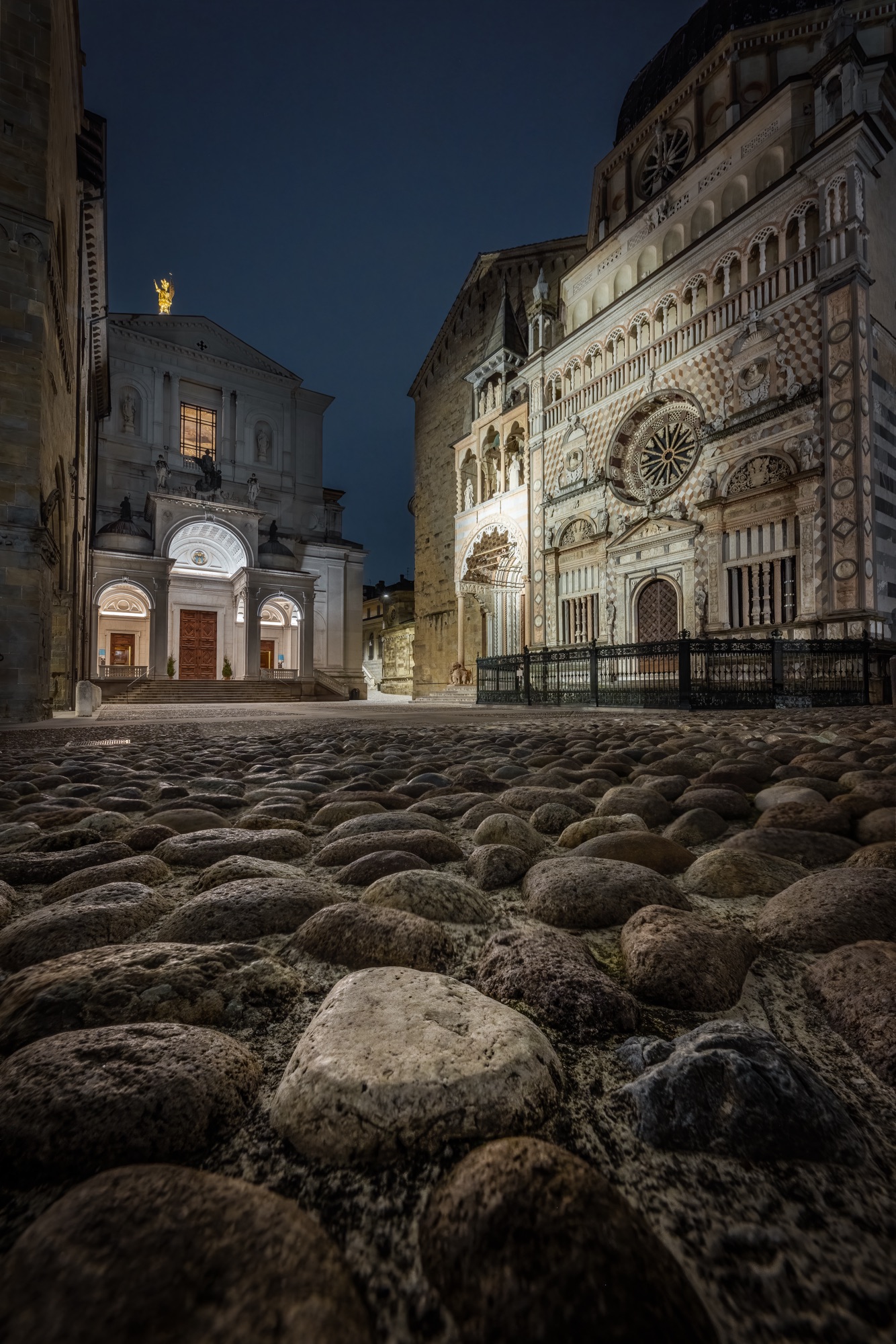
Gli scorci di Bergamo Alta

Il weekend a Bergamo è nato quasi per caso, in seguito alla visita di uno stand Lego, altra mia grande passione, al centro commerciale Orio Center.

Avevo già avuto modo di vedere molte fotografie di Bergamo Alta. Alcune davvero spettacolari, specialmente nei giorni quando la nebbia si posava tutto attorno alla cittadina. Ho, quindi, deciso di trascorrere, con la mia famiglia, un giorno intero nella città alta.

Si tratta del centro storico vero e proprio, un piccolo borgo medioevale circondato dalle mura veneziane risalenti al XVI secolo. La via principale, via Bartolomeo Colleoni, attraversa trasversalmente tutta la cittadina. Qui si alternano boutique di ogni genere, da piccole attività artigianali, ristorantini, negozi di abbigliamento e un sacco di appartamentini e case vacanze che offrono una notevole comodità, per chi decide di visitare la città.

Essendo con la famiglia, ho prenotato il nostro soggiorno in una di queste strutture, un affittacamere in una posizione veramente interessante, proprio in pieno centro. La titolare della struttura “Casa Loro” è stata di una gentilezza e disponibilità unica.  Se capitate da quelle parti, ve lo consiglio senza indugio.

Dopo una breve passeggiata per il paese, per scoprire un po’ gli scorci più interessanti, siamo andati a cena degustando le prelibatezze locali. La polenta è il piatto forte del posto, e devo dire che è incredibilmente succulenta. Da provare, con scaloppine o salsicce al sugo.

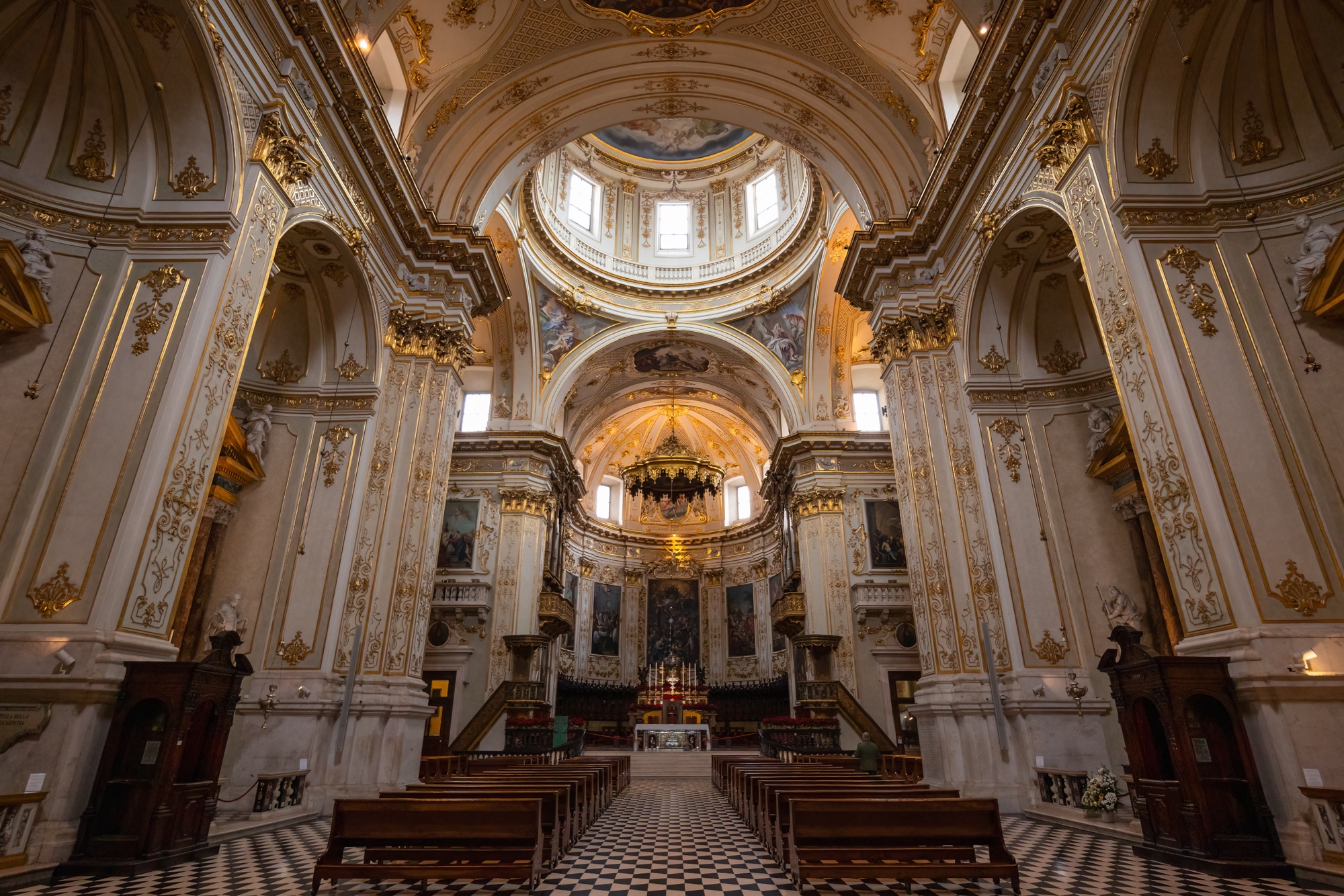
La mattina, come mia abitudine quando sono fuori, mi sono alzato a buio per andare a fotografare le piazze ed i monumenti più belli, che avevo adocchiato precedentemente nel pomeriggio. Ovviamente la location di partenza é stata la piazza centrale, Piazza Vecchia con la fontana Contarini al centro. Tutto intorno si trovano il Palazzo della Ragione, la bellissima Basilica di Santa Maria Maggiore, il Campanone, la Cattedrale di Sant’Alessandro Martire e molti altri scorci secondari e altrettanto spettacolari.

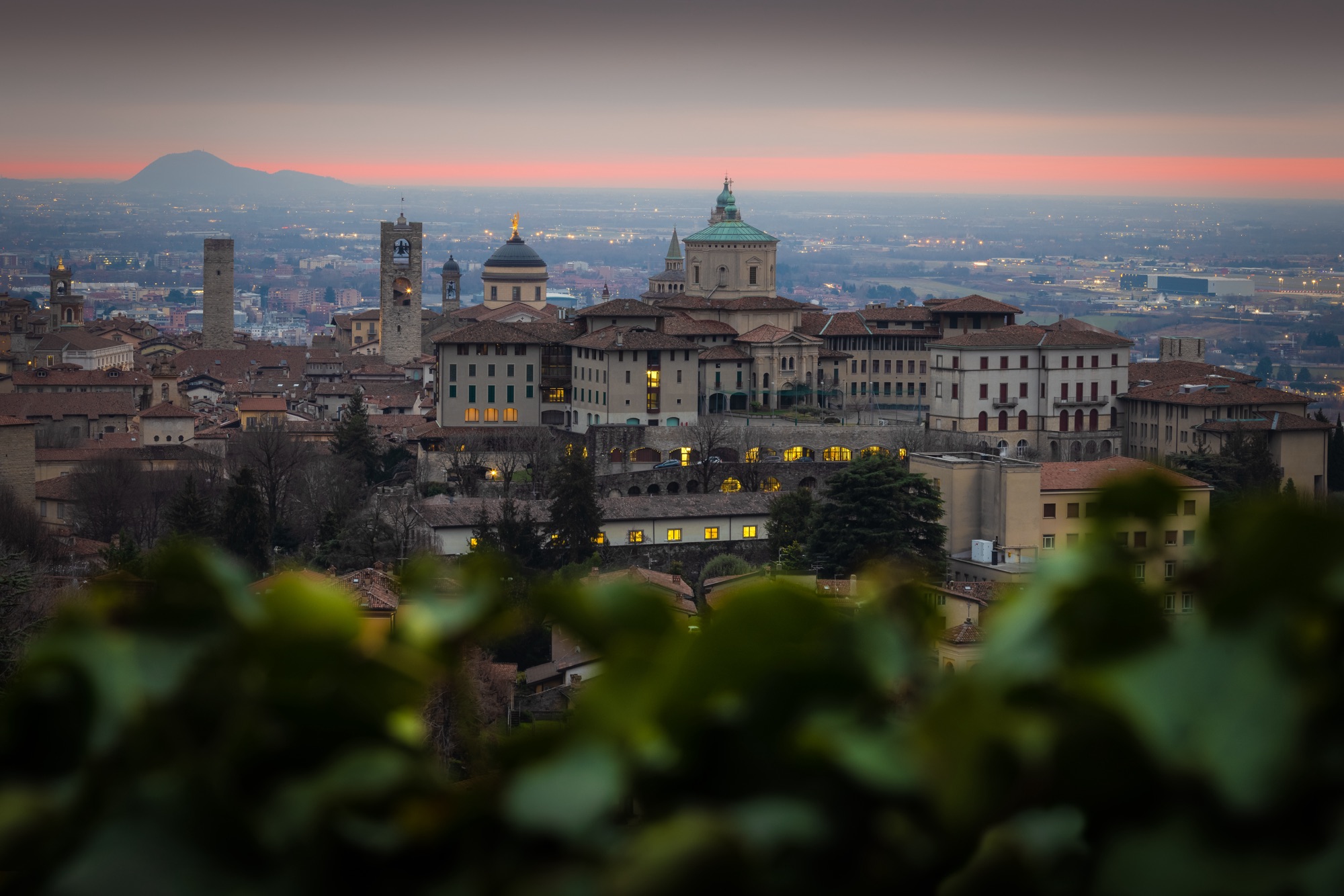
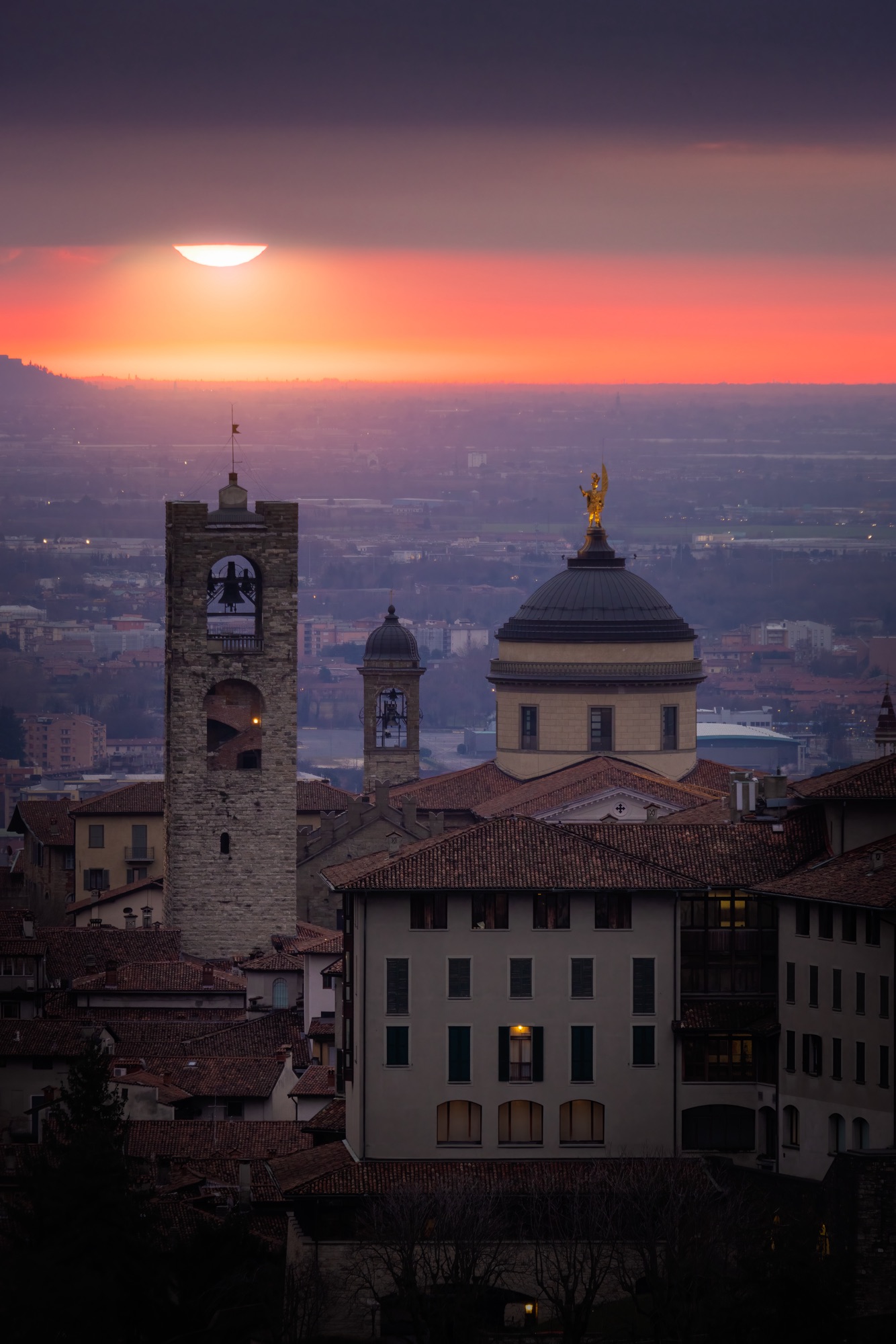
Ma il punto che più mi ha attratto fin da subito, è la visuale della città dall’alto di San Vigilio, risalendo la via lungo il percorso della funicolare. Da qui si gode di una vista incredibile sulla città, un punto ottimale per scattare all’alba, col sole che sorge da dietro i campanili del borgo. Ed è proprio quello che ho fatto. Intorno alle 7:20, mi sono diretto verso la zona di San Vigilio. Il meteo non prometteva niente di buono, e le speranze di fotografare un’alba come si deve, erano piuttosto remote. Ma la pazienza e la perseveranza sono la virtù dei forti, ed ecco che proprio quando il sole stava per sorgere, in lontananza, un piccolo lembo di cielo all’orizzonte è rimasto scoperto e senza nuvole, rivelando un sole incredibilmente rosso, rotondo, potente. Cinque minuti. Non oltre è durato questo momento perfetto. Un lasso di tempo talmente ristretto, quanto spettacolare. Ed io ero lì. Al posto giusto nel momento giusto per immortalarlo. Ringrazio la mia forza di volontà, che ha, ancora una volta, prevalso e mi ha fatto godere appieno di questo istante.

Ecco a voi gli scorci più belli. Ecco a voi Bergamo vista attraverso i miei occhi. Buona visione.


The weekend in Bergamo was born almost by chance, following a visit to a Lego stand, another great passion of mine, at the Orio Center shopping centre.

I had already had the opportunity to see many photographs of Bergamo Alta. Some were truly spectacular, especially on the days when the fog settled all around the town. I therefore decided to spend a whole day in the upper city with my family.

This is the actual historic center, a small medieval village surrounded by Venetian walls dating back to the 16th century. The main street, via Bartolomeo Colleoni, crosses the entire town transversally. Here there are boutiques of all kinds, from small artisan businesses, restaurants, clothing shops and lots of apartments and holiday homes that offer comfort for those who decide to visit the city.

Being with my family, I booked our stay in one of these structures, a guest house in a truly interesting location, right in the center. The owner of the “Casa Loro” facility was uniquely kind and helpful. If you happen to be in those parts, I recommend it without hesitation.

After a short walk around the town, to discover some of the most interesting views, we went to dinner tasting the local delicacies. Polenta is the main dish of the place, and I must say that it is incredibly succulent. To try, with scallops or sausages in sauce.

In the morning, as is my habit when I’m out, I got up in the dark to go and photograph the most beautiful squares and monuments, which I had spotted earlier in the afternoon. Obviously the starting location was the central square, Piazza Vecchia with the Contarini fountain in the centre. All around there are the Palazzo della Ragione, the beautiful Basilica of Santa Maria Maggiore, the Campanone, the Cathedral of Sant’Alessandro Martire and many other secondary and equally spectacular views.

But the point that immediately attracted me the most was the view of the city from the top of San Vigilio, going up the street along the funicular route. From here you can enjoy an incredible view of the city, an optimal point for shooting at dawn, with the sun rising from behind the bell towers of the village. And that’s exactly what I did. Around 7:20, I headed towards the San Vigilio area. The weather didn’t promise anything good, and the hopes of photographing a proper sunrise were rather remote. But patience and perseverance are the virtues of the strong, and just when the sun was about to rise, in the distance, a small patch of sky on the horizon remained uncovered and cloudless, revealing an incredibly red, round, powerful sun. . Five minutes. This perfect moment lasted no longer. Such a short and spectacular period of time. And I was there. In the right place at the right time to immortalize it. I thank my willpower, which, once again, prevailed and made me fully enjoy this moment.

Here are the most beautiful views. Here’s Bergamo seen through my eyes. Good vision.
La prima neve alla doganaccia

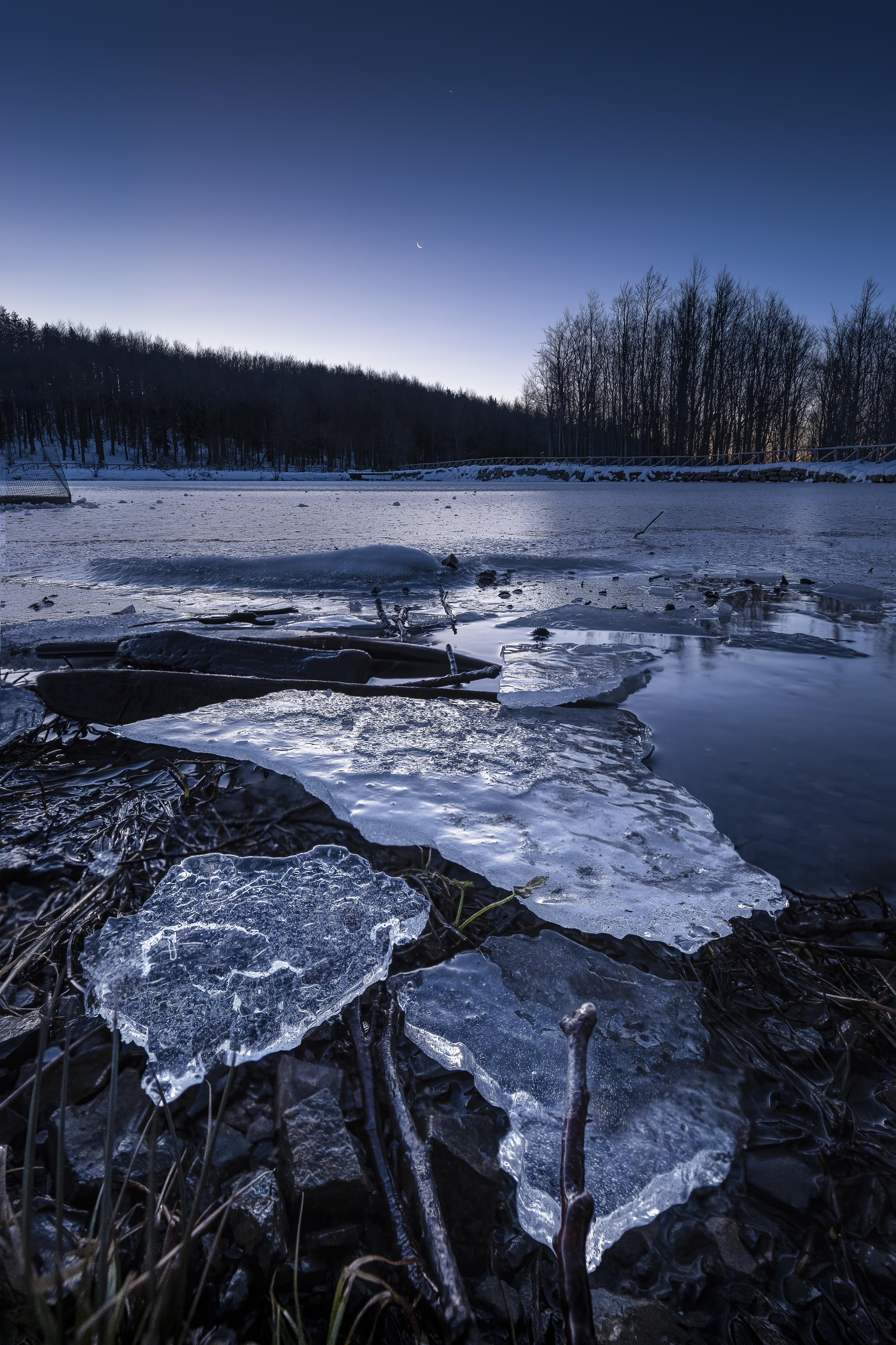
Stamani sono stato a fare le prime foto invernali di questa stagione. Col mio fedele amico Claudio, abbiamo optato per una location dove non eravamo mai stati a scattare foto: la Doganaccia. Si tratta di una stazione sciistica situata sui resti di un’antica dogana, posta in mezzo tra l’appennino pistoiese e modenese, a circa 1600 metri di altitudine.

La nostra intenzione iniziale era quella di raggiungere a piedi la Croce Arcana, una croce in metallo, posta in cima al comprensorio, per ammirare l’alba dall’alto. Posto molto conosciuto, e simbolo di molte escursioni del nostro amato appennino. Purtroppo le condizioni atmosferiche che abbiamo trovato questa mattina erano troppo proibitive per salire a piedi fin lassù, in quanto il vento era fortissimo. Talmente forte che non è stato nemmeno possibile volare col drone per scattare qualche foto dall’alto.

Ci siamo dovuti, quindi, accontentare di un’uscita più sobria. Salendo per la strada di Cutigliano, il paesaggio scorre attraverso bellissime faggete dove i raggi del sole filtrano intensi ed illuminano con una bella luce calda alcuni spot di vegetazione, creando forti contrasti tra i colori caldi delle foglie ed il bianco azzurro della neve.

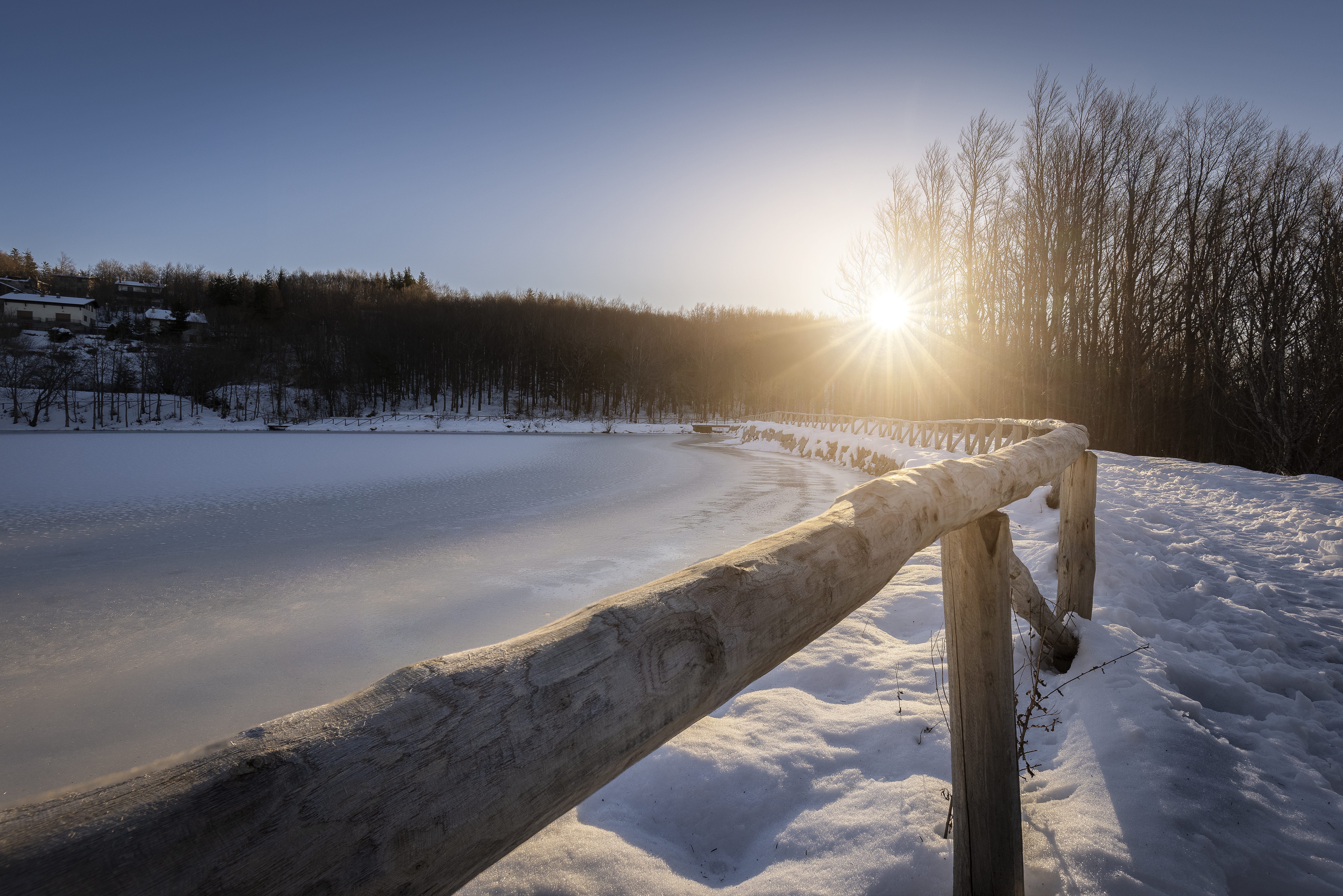
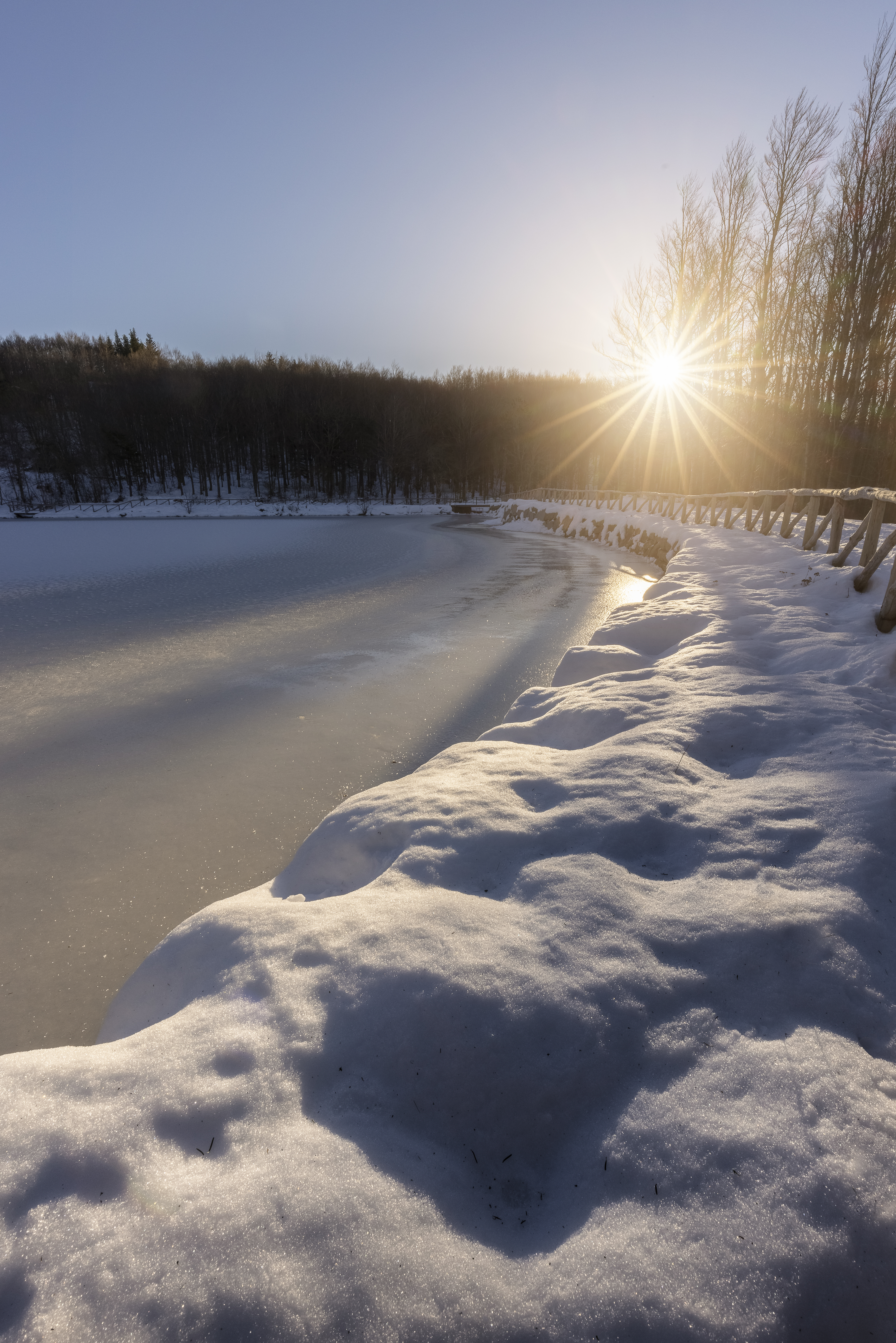
Ci siamo fermati al laghetto di San Gualberto, proprio sotto gli impianti di risalita del comprensorio. Si tratta di un piccolo lago, punto di inizio di molte escursioni, e di svariate attività estive, come la pesca alle trote, gustose pedalate in mountainbike, ed il puro relax montano. D’inverno, invece, si congela, creando uno specchio rigido ed immobile, contornato dalle piante degli alberi innevate, che caratterizzano a pieno questo paesaggio. Abbiamo scattato alle primissime luci dell’alba, ed abbiamo aspettato che il sole sorgesse ed illuminasse tutto attorno con la sua bella luce radente. La neve rifletteva la luce in maniera molto intensa, mettendo a dura prova la gamma dinamica della fotocamera.

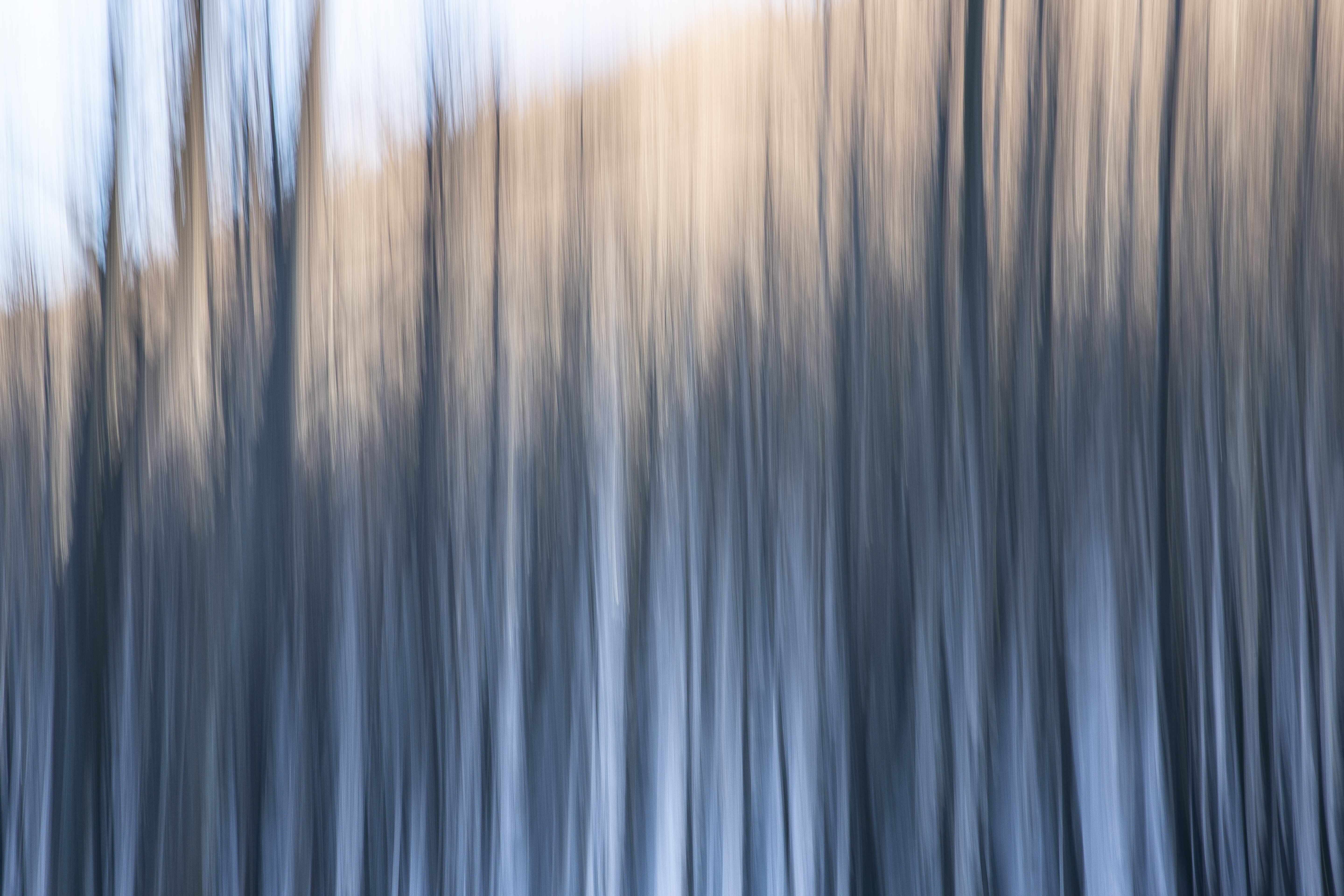
Ho provato anche ad effettuare qualche scatto più creativo, attraverso il panning ed il mosso artistico, creando degli scatti più particolari, sfruttando le geometrie dei tronchi dei faggi e le diagonali convergenti della strada.

Peccato non aver potuto scattare dall’alto, perché anche al laghetto il vento era fortissimo. Il volo col drone era impossibile e troppo rischioso. Sicuramente alla prossima uscita ritenteremo la salita fino alla Croce Arcana e qualche volo in questo paesaggio mozzafiato. Intanto pubblico questi piccoli scatti in attesa di quel giorno.

This morning I went to take the first winter photos of this season. With my faithful friend Claudio, we opted for a location where we had never been to take photos: the Doganaccia. It is a ski resort located on the remains of an ancient customs house, located between the Pistoia and Modena Apennines, at around 1600 meters above sea level.

Our initial intention was to walk to the Arcane Cross, a metal cross, located at the top of the area, to admire the sunrise from above. A very well-known place, and symbol of many excursions in our beloved Apennines. Unfortunately the weather conditions we found this morning were too prohibitive to walk up there, as the wind was very strong. So strong that it wasn’t even possible to fly the drone to take some photos from above.

We therefore had to settle for a more sober exit. Going up the Cutigliano road, the landscape flows through beautiful beech forests where the sun’s rays filter intensely and illuminate some spots of vegetation with a beautiful warm light, creating strong contrasts between the warm colors of the leaves and the blue white of the snow.

We stopped at the San Gualberto lake, right under the ski lifts of the area. It is a small lake, the starting point for many excursions and various summer activities, such as trout fishing, tasty mountain bike rides, and pure mountain relaxation. In winter, however, it freezes, creating a rigid and immobile mirror, surrounded by snow-covered trees, which fully characterize this landscape. We shot at the very first light of dawn, and waited for the sun to rise and illuminate everything around with its beautiful grazing light. The snow reflected the light very intensely, putting a strain on the camera’s dynamic range.

I also tried to take some more creative shots, through panning and artistic blur, creating more particular shots, taking advantage of the geometries of the beech trunks and the converging diagonals of the road.

It’s a shame I couldn’t shoot from above, because the wind was very strong even at the lake. Flying with the drone was impossible and too risky. Surely on the next outing we will try the climb up to the Arcana Cross again and take a few flights in this breathtaking landscape. In the meantime I’m posting these little shots waiting for that day.

Venti di libeccio

Quest’anno il maltempo non ha dato tregua alla Toscana. Il fronte temporalesco della prima settimana di novembre ha portato diversi danni e disagi in tutta nostra regione. Ho avuto modo di visitare Livorno il giorno dopo l’alluvione. Ovviamente non era un disastro come il giorno stesso, ma mi ha impressionato ugualmente.

Avevo seguito le notizie meteorologiche per capire quando fosse un buon momento per fotografare una bella mareggiata. Il momento propizio non si è fatto attendere, quando subito dopo la tempesta annunciata, è seguito un fortissimo vento di Libeccio, che avrebbe preannunciato un’intensa attività marittima sulla zona costiera di tutta la Toscana e della Liguria.

Era quello che stavo proprio aspettando. Qualche anno fa avevo già assistito ad una mareggiata intensa al Castello del Boccale, sulla costiera livornese, e mi aveva talmente affascinato, che mi ero promesso di tornare, in caso di condizioni meteo favorevoli.

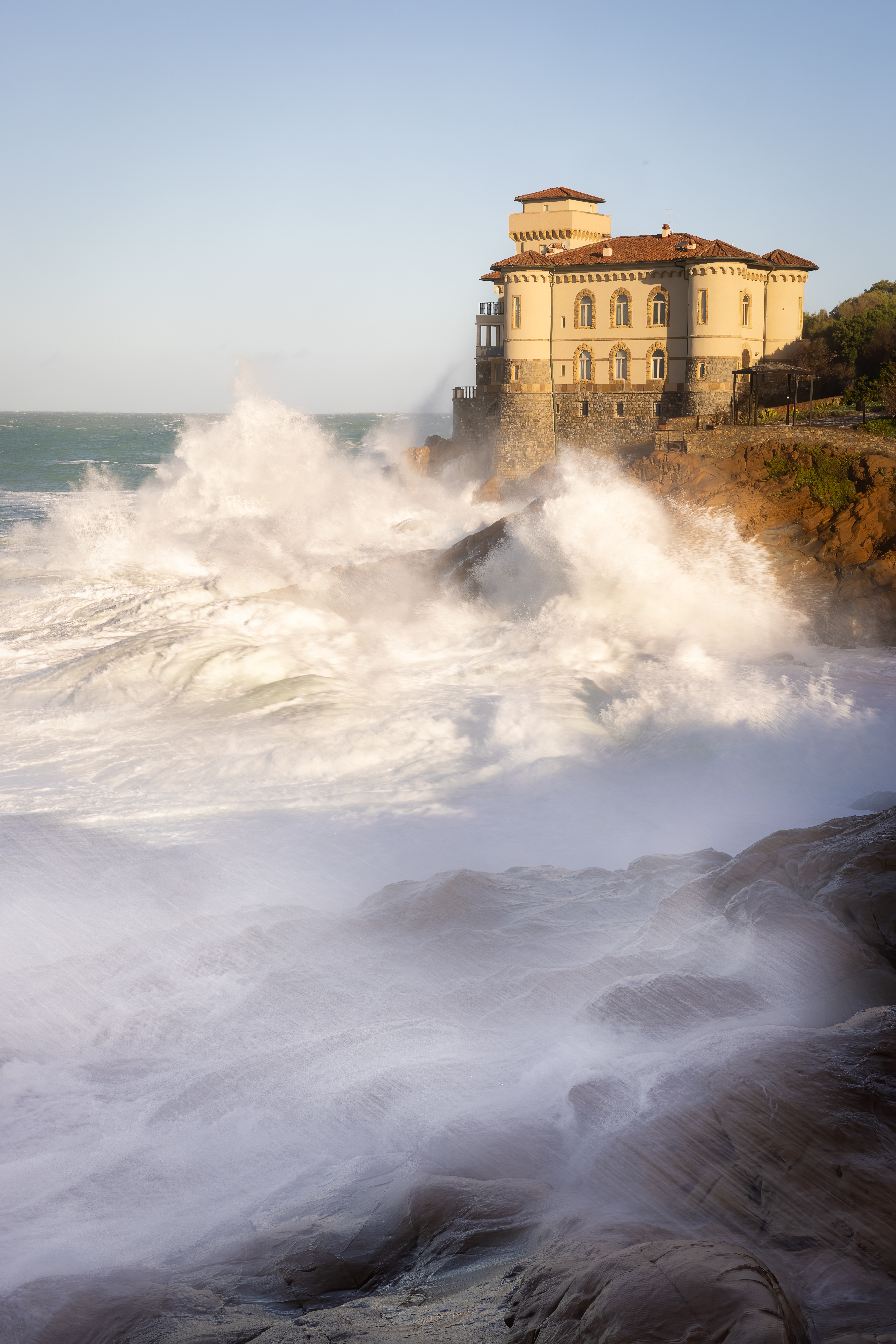
Il castello del Boccale è un luogo classico, super fotografato, dove questi eventi sono abbastanza frequenti Ma andare a scattare in queste condizioni, vi assicuro che è davvero impegnativo.

Il vento di Libeccio soffia con forte raffiche da direzione Sud/Ovest verso la costa, provocando forti onde, che sbattono contro gli scogli con molta violenza. Lo spettacolo è assicurato, specie con lo sfondo del castello che domina il paesaggio.

Mi sono bardato per bene, proteggendo la fotocamera con una custodia impermeabile, una bella mantella parapioggia e abiti di scorta in auto. Scattare con vento così forte, e vicino alle onde, che, sbattendo contro gli scogli, alzano il salmastro nell’aria, è una situazione non facile da gestire. La fotocamera, anche se su cavalletto, si muove a causa del vento fortissimo, la lente frontale deve essere pulita quasi dopo ogni scatto, a causa degli schizzi e del salmastro. Le inquadrature non sono facili da gestire, in quanto la voglia di “osare” sempre di più, avvicinandosi più possibile all’acqua, può facilmente metterti in pericolo. Ci vuole testa, forza di volontà e un pizzico di incoscienza.

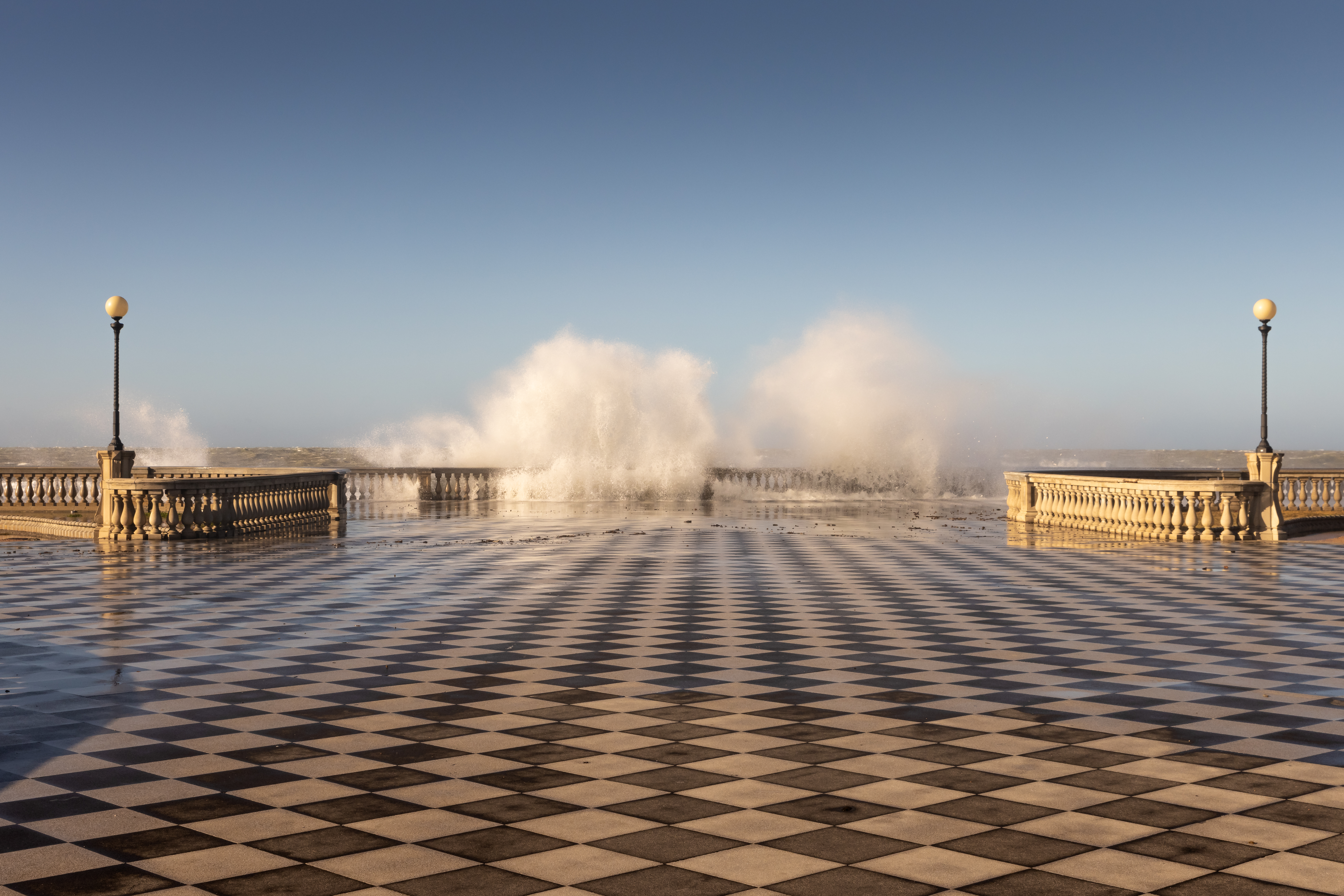
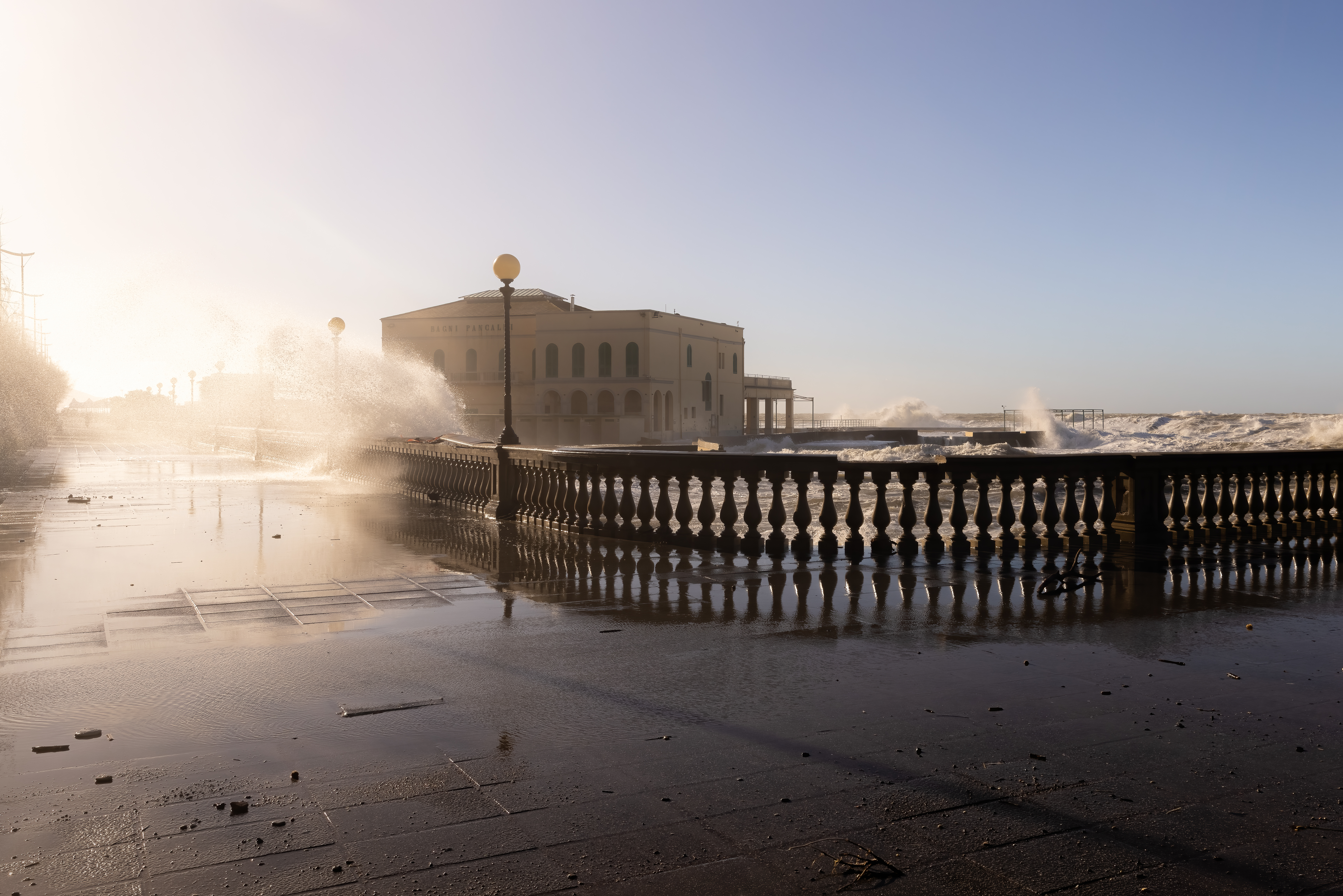
Subito dopo l’alba al Boccale, mi sono diretto invece in Terrazza Mascagni, un must per chi ama scattare in terra livornese. Incredibile quello che mi si è presentato davanti gli occhi. Il mare stava praticamente prendendo possesso della terrazza e della strada. Polizia, Protezione Civile ed Ambulanze erano in continuo stato di allerta, presidiando ed osservando la situazione, per mettere in sicurezza l’area.

Onde altissime passavano prepotentemente oltre le balaustre della terrazza. Gli alberi, quelli non ancora caduti, ondeggiavano fortemente a causa delle intense raffiche di vento. Gli stabilimenti balneari presenti sulla costa erano in balia delle onde. La calda luce mattutina rifletteva attraverso la spuma e i vapori delle onde, riflettendo arcobaleni improvvisati e fuggitivi. Uno spettacolo, nel bene e nel male. Intense nuvole di salmastro mi piombavano addosso come una frustata improvvisa. Fiocchi di spuma biancastra erano trasportati dal vento e volavano qua e là, sulla scacchiera bianco e nera della terrazza.

Ho scattato qualche foto, fino a che hanno cominciato a chiudere la zona, a causa del pericolo imminente. Prima che la situazione degenerasse, mi sono diretto verso l’auto per rientrare. Ho portato a casa tanta emozione, nel vedere come la natura spesso ci ricorda che siamo piccoli, molto piccoli, e che non siamo certo noi a comandare questo pazzo mondo.

This year the bad weather has given Tuscany no respite. The storm front of the first week of November brought various damages and inconveniences throughout our region. I had the opportunity to visit Livorno the day after the flood. Obviously it wasn’t as much of a disaster as the day itself, but it still impressed me.

I had been following the weather news to figure out when was a good time to photograph a nice storm. The propitious moment was not long in coming, when immediately after the announced storm, a very strong Libeccio wind followed, which would have heralded intense maritime activity on the coastal area throughout Tuscany and Liguria.

It was exactly what I was waiting for. A few years ago I had already witnessed an intense storm at Castello del Boccale, on the Livorno coast, and it had fascinated me so much that I promised myself I would return in case of favorable weather conditions.

The Boccale castle is a classic place, super photographed, where these events are quite frequent. But going to shoot in these conditions, I assure you, is really challenging.

Libeccio wind blows with strong gusts from the South/West towards the coast, causing strong waves, which crash against the rocks with great violence. The spectacle is guaranteed, especially with the backdrop of the castle dominating the landscape.

I kitted myself out well, protecting the camera with a waterproof case, a nice rain cape and spare clothes in the car. Shooting with such strong wind, and close to the waves, which, hitting the rocks, raise salt into the air, is a situation that is not easy to manage. The camera, even if on a tripod, moves due to the strong wind, the front lens has to be cleaned almost after every shot, due to splashes and salt. The shots are not easy to manage, as the desire to “dare” more and more, getting as close to the water as possible, can easily put you in danger. It takes head, willpower and a pinch of recklessness.

Immediately after sunrise at Boccale, I headed instead to Terrazza Mascagni, a must for those who love shooting in Livorno. Incredible what appeared before my eyes. The sea was practically taking over the terrace and the street. Police, Civil Protection and Ambulances were in a continuous state of alert, monitoring and observing the situation, to make the area safe.

Very high waves passed forcefully over the balustrades of the terrace. The trees, those not yet fallen, were swaying strongly due to the intense gusts of wind. The beach establishments on the coast were at the mercy of the waves. The warm morning light reflected through the foam and vapor of the waves, reflecting improvised and fleeting rainbows. A show, for better or for worse. Intense clouds of salty water fell on me like a sudden lash. Flakes of whitish foam were carried by the wind and flew here and there on the black and white chessboard of the terrace.

I took some photos, until they started to close the area, due to the imminent danger. Before the situation escalated, I headed towards the car to return. I brought home so much emotion, seeing how nature often reminds us that we are small, very small, and that we are certainly not the ones in charge of this crazy world.

La chiesa di santa maria assunta

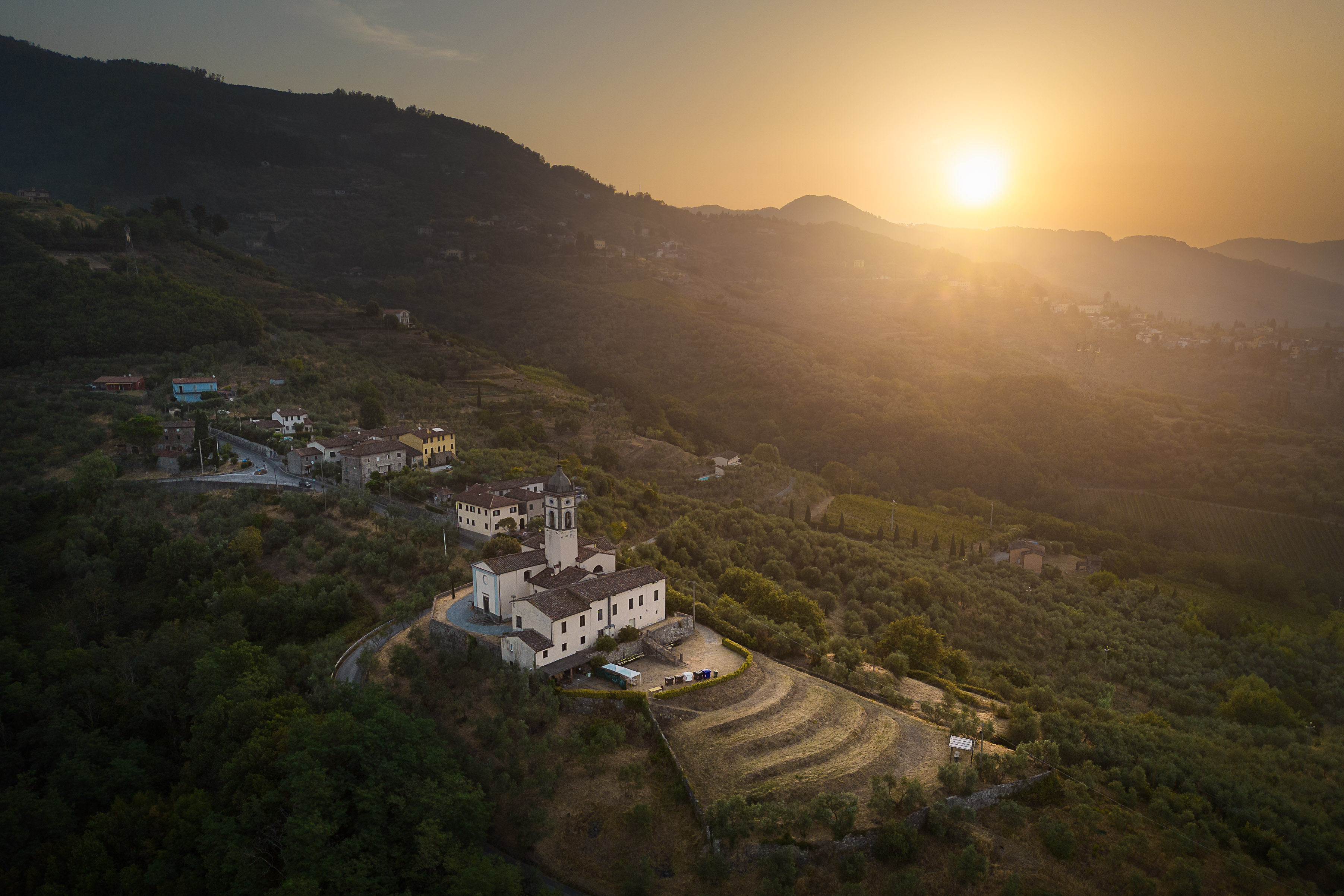
Oggi parliamo di una location a me cara, vicinissima a dove abito, e dove, ogni qualvolta che posso, torno sempre volentieri. Ogni volta mi regala scatti veramente interessanti e suggestivi. Siamo a Tofori, alla Chiesa di Santa Maria Assunta.

La Chiesa sorge sulla sommità di un piccolo colle che domina tutta la piana di Capannori. Sembra che i primi documenti riguardanti questa costruzione siano del 980, anche se informazioni più certe e dettagliate risalgono al XV secolo. Nel 1581 diventa parrocchia, e nel corso del 1800 subisce diverse ristrutturazioni ed opere, come la sostituzione delle nuove campane e di un nuovo organo, realizzato da Evaristo Santarlasci. Dopo il restauro, la chiesa assunse l’attuale pianta a forma di croce latina.

Si tratta di una delle location che, a livello fotografico, riesce ad offrire innumerevoli spunti. All’alba, il mio momento preferito, è meraviglioso, specie in inverno, perché il sole sorge sulla sinistra e, se il cielo è interessante, si possono fare scatti molto colorati e saturi. In primavera, spesso si trovano piante ed arbusti che offrono ottimi spunti per scatti più profondi, con interessanti primissimi piani. Con la tecnica del “focus-stacking” regalano immagini mozzafiato. Anche muoversi col drone per scattare dall’alto, consente di girare attorno alla chiesa e di scattare contro sole, altra tecnica che, a me, piace tantissimo.

Al tramonto, invece, è uno scenario ancora diverso. Il sole tramonta ad ovest, sulla città di Lucca, e quando gli ultimi raggi di sole accarezzano la piana, la chiesa resta ben illuminata dalla luce calda, che successivamente pian piano si allontana.

Di notte, o durante la cosiddetta “ora blu”, il paesaggio cambia nuovamente. La chiesa è illuminata con dei lampioni caldi, che contrastano con il contesto bluastro tutt’attorno. Insomma, in qualsiasi momento della giornata, in qualsiasi stagione dell’anno, anche se il soggetto resta sempre lo stesso, dona emozioni diverse ogni qual volta si scatta una fotografia.

Questa è una piccola raccolta di alcuni degli scatti che mi hanno emozionato di più. Spero che vi piacciano.

Today we’re talking about a location dear to me, very close to where I live, and where, whenever I can, I always gladly return. Every time he gives me truly interesting and evocative shots. We are in Tofori, at the Church of Santa Maria Assunta.

The Church stands on the top of a small hill that dominates the entire Capannori plain. It seems that the first documents regarding this construction date back to 980, although more certain and detailed information dates back to the 15th century. In 1581 it became a parish, and during the 1800s it underwent various renovations and works, such as the replacement of new bells and a new organ, created by Evaristo Santarlasci. After the restoration, the church took on its current Latin cross-shaped plan.

It is one of the locations that, on a photographic level, manages to offer countless ideas. At dawn, my favorite moment, it is wonderful, especially in winter, because the sun rises on the left and, if the sky is interesting, you can take very colorful and saturated shots. In spring, you can often find plants and shrubs that offer excellent ideas for deeper shots, with interesting close-ups. With the “focus-stacking” technique they give breathtaking images. Even moving with the drone to shoot from above allows you to go around the church and shoot against the sun, another technique that I really like.

At sunset, however, it is an even different scenario. The sun sets in the west, over the city of Lucca, and when the last rays of the sun caress the plain, the church remains well lit by the warm light, which then slowly fades away.

At night, or during the so-called “blue hour”, the landscape changes again. The church is illuminated with warm street lamps, which contrast with the bluish context all around. In short, at any time of the day, in any season of the year, even if the subject always remains the same, it gives different emotions every time a photograph is taken.

This is a small collection of some of the shots that moved me the most. I hope you like them.

L’alba di lucchio

Era veramente tanto tempo che avevo in mente di fotografare l’alba in questo piccolissimo gioiello di paese.

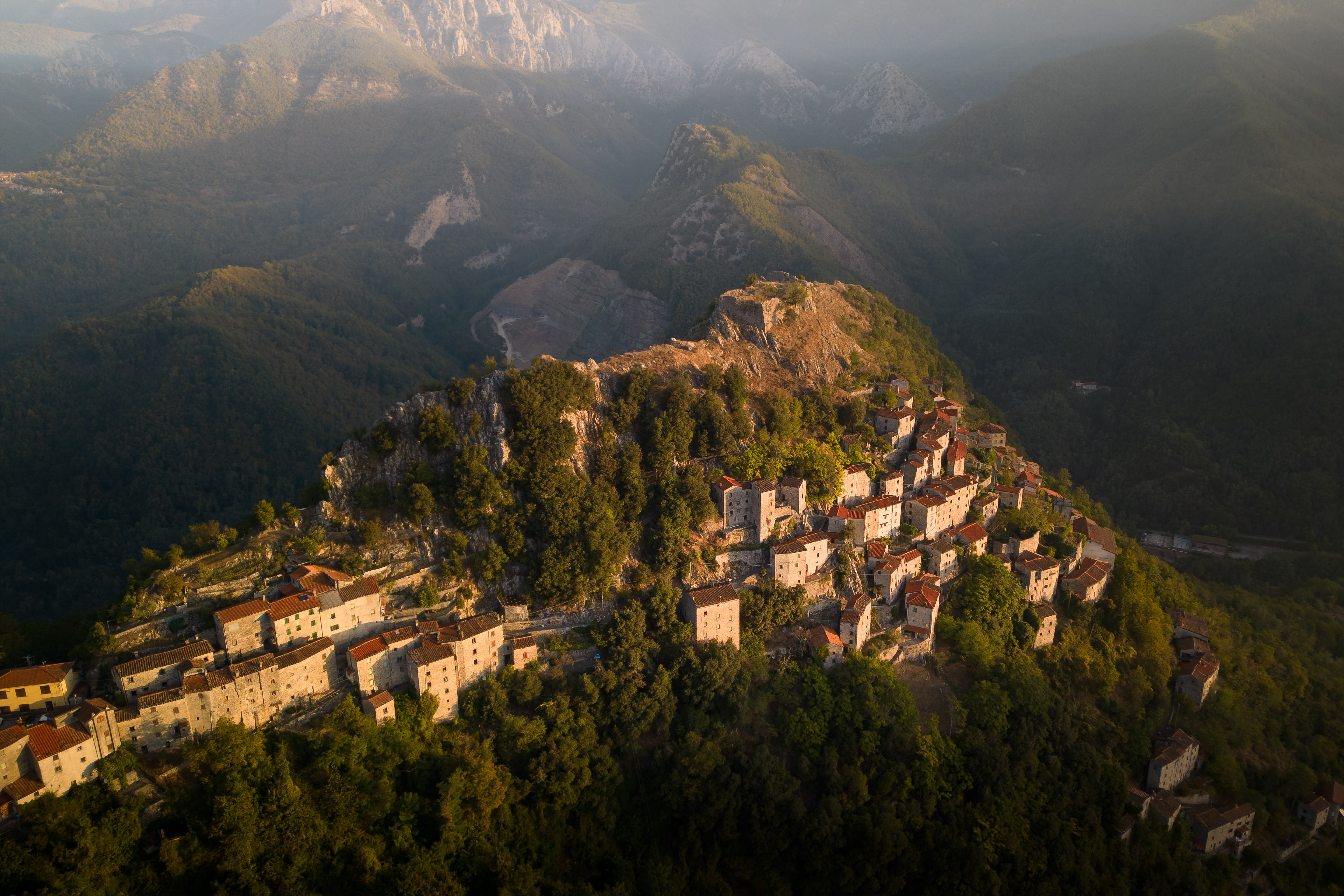
Il piccolo borgo di Lucchio si trova immerso in un contesto boschivo, arroccato, in posizione sopraelevata sulla piana di Lucca, alle pendici del monte noto come Penna di Lucchio. E’ inserito nella Val di Lima, al confine conta provincia di Pistoia. La posizione è quindi perfetta: vicinissimo a chi come me abita a Lucca, e strategicamente perfetto per l’alba, in quanto la posizione sopraelevata permette alla luce di illuminare pian piano le case, facendo capolino dai monti dell’Appennino pistoiese.

Nel mese di ottobre l’alba si manifesta in ora tarda, quindi con il mio fedele amico Claudio decidiamo di partire verso le 6:00 del mattino. La strada è veramente pratica. Andando in direzione dell’Abetone, imbocchiamo un bivio sulla destra, e saliamo su fino ad arrivare a Lucchio Alto.

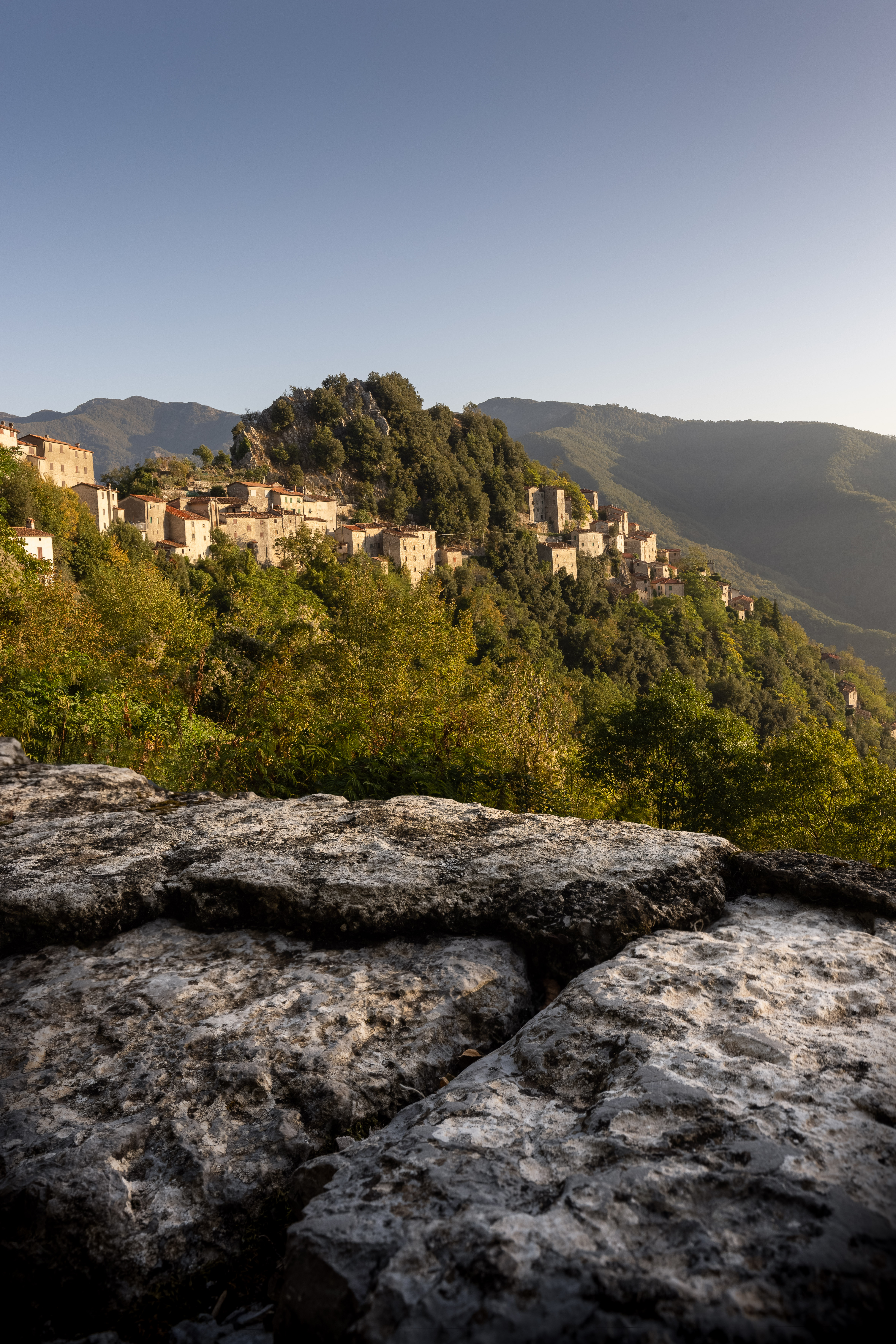
Il paesino si può già fotografare direttamente dalla strada. Ci sono scorci perfetti da poter inquadrare con focali lunghe e focali grandangolari, che permettono di contestualizzare il borgo includendo anche la luce del sole che fa capolino.

Posizioniamo la fotocamera sul cavalletto a bordo strada. La posizione è ottima anche per un buon time-lapse. Appena compaiono i primi raggi di sole, Lucchio prende vita, e si illumina dall’alto verso il basso, scoprendo i suoi fantastici tetti rossi, appoggiati sulla nuda pietra a vista. Mandiamo in alto il drone, e la visuale è semplicemente pazzesca.

Ci incamminiamo dentro il paese, dove passeggiando tra le case il tempo sembra letteralmente essersi fermato. Saliamo il crinale attraverso un piccolo sentiero che porta in cima alla rocca. Da quassù, la visuale si apre su tutta la valle. La calda luce dell’alba ci avvolge in tutta la sua essenza. Si respira vita e spazio a pieni polmoni. Ancora qualche ripresa col drone è necessaria qui. Sembra di stare in cielo. Fantastico.

Dopo esserci rilassati ed aver goduto appieno di questa bellissima esperienza, ci incamminiamo per il rientro. Lucchio ci è piaciuto veramente tanto, e già stiamo discutendo su come potrebbe essere tornare quassù in inverno, con la neve. Ne riparleremo sicuramente tra pochi mesi.

I had been meaning to photograph the sunrise in this tiny jewel of a town for a long time.

The small village of Lucchio is immersed in a wooded context, perched in an elevated position on the plain of Lucca, on the slopes of the mountain known as Penna di Lucchio. It is located in the Val di Lima, on the border with the province of Pistoia. The location is therefore perfect: very close to those like me who live in Lucca, and strategically perfect for the sunrise, as the elevated position allows the light to slowly illuminate the houses, peeking out from the mountains of the Pistoia Apennines.

In the month of October dawn occurs late, so with my faithful friend Claudio we decide to leave around 6:00 in the morning. The road is really practical. Going in the direction of Abetone, we take a crossroads on the right, and we go up until we reach Lucchio Alto.

The village can already be photographed directly from the road. There are perfect views that can be framed with long focal lengths and wide angle focal lengths, which allow you to contextualise the village by also including the sunlight peeking through.

We place the camera on the tripod at the side of the road. The location is also great for a good time-lapse. As soon as the first rays of sun appear, Lucchio comes to life and lights up from top to bottom, revealing its fantastic red roofs, resting on the bare exposed stone. We send the drone up, and the view is just crazy.

We walk into the town, where, walking among the houses, time literally seems to have stopped. We climb the ridge via a small path that leads to the top of the rock. From up here, the view opens up over the entire valley. The warm light of dawn envelops us in all its essence. You can breathe life and space deeply. Some more drone shots are needed here. It feels like being in heaven. Fantastic.

After relaxing and having fully enjoyed this wonderful experience, we set off for the return trip. We really liked Lucchio, and we are already discussing what it might be like to come back up here in winter, with the snow. We will definitely talk about it again in a few months.

Una giornata al parco del sigurtà

Per coloro che visitano le zone del Garda, il Parco del Sigurtà a Valeggio sul Mincio è senza dubbio una delle attrazioni più belle dove trascorrere una giornata. Si tratta di uno spettacolo botanico ormai conosciuto in tutte le parti del mondo. I suoi immensi spazi verdi si alternano in una danza di fioriture e colori, che variano durante ogni periodo dell’anno.

Le molteplici varietà di tulipani coltivati nel parco, colorano, tra marzo e aprile, questa immensa area verdeggiante, regalando uno spettacolo unico nel suo genere. Il castello scaligero sullo sfondo, accompagna la vista attraversando il viale di rose (trentamila per la precisione) che percorre il parco per circa un kilometro. Specchi d’acqua, disseminati diverse zone del parco, ospitano grandi varietà di piante, ninfee, carpe Koi, rane e tartarughe. Lo scroscio delle fontane accompagna le camminate dei visitatori, creando un’atmosfera rilassante e di pura quiete.

Abbiamo visitato questa meraviglia questa estate. Anche se non è il periodo migliore per ammirare le splendide fioriture, è un toccasana per il corpo e la mente. Passeggiare in questo angolo di pura natura rigenera il cuore. Si può visitare questo parco a piedi, in bicicletta, o noleggiando una macchinina elettrica. Ci sono degli itinerari da seguire per rendere agevole la visita, e per non tralasciare nemmeno un piccolo scorcio.

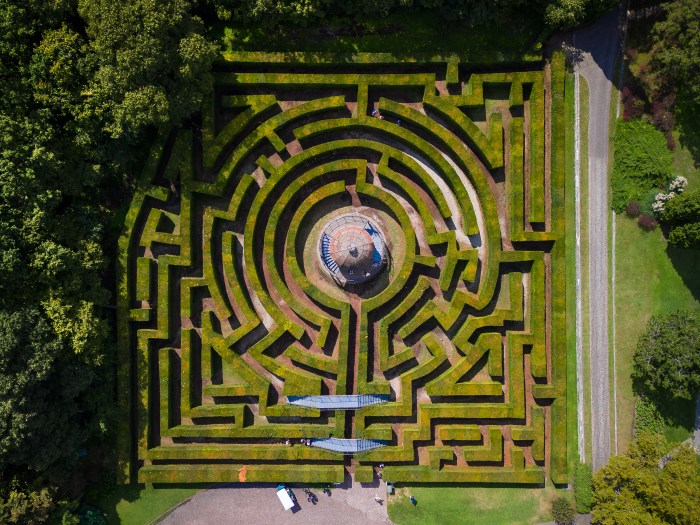
Un plauso per l’area relativa al labirinto, sicuramente il focus di tutto il giardino. Un’incredibile intreccio geometrico di siepi, tagliare e scolpite con maestria unica, permettono di addentrarsi e rincorrersi nel verde, fino al centro, dove, salendo sul soppalco della costruzione in mezzo al labirinto, si può ammirare lo stesso in tutto il suo splendore e in tutte le sue forme.

Ho dedicato poco tempo alla fotografia durante la mia visita, perché avevo proprio voglia di godermi la natura e rilassarmi con la mia famiglia. Vi mostro, però, un piccolo video della giornata, per capire la bellezza unica del posto. Buona visone.

For those who visit the Garda areas, the Sigurtà Park in Valeggio sul Mincio is undoubtedly one of the most beautiful attractions in which to spend a day. It is a botanical spectacle now known in all parts of the world. Its immense green spaces alternate in a dance of blooms and colors, which vary during every period of the year.

The many varieties of tulips grown in the park color this immense green area between March and April, offering a one-of-a-kind spectacle. The Scaliger castle in the background accompanies the view through the avenue of roses (thirty thousand to be precise) which runs through the park for about a kilometre. Pools of water, scattered throughout different areas of the park, are home to large varieties of plants, water lilies, Koi carp, frogs and turtles. The roar of the fountains accompanies the visitors’ walks, creating a relaxing atmosphere of pure tranquility.

We visited this wonder this summer. Even if it is not the best time to admire the splendid blooms, it is a panacea for the body and mind. Walking in this corner of pure nature regenerates the heart. You can visit this park on foot, by bicycle, or by renting an electric toy car. There are itineraries to follow to make the visit easier, and to not miss even a small glimpse.

Applause for the area relating to the labyrinth, certainly the focus of the whole garden. An incredible geometric interweaving of hedges, cut and sculpted with unique skill, allow you to enter and chase each other through the greenery, up to the center, where, climbing onto the mezzanine of the building in the middle of the labyrinth, you can admire it in all its splendor and in all its forms.

I dedicated little time to photography during my visit, because I really wanted to enjoy nature and relax with my family. However, I will show you a small video of the day, to understand the unique beauty of the place. Good vision.

l’alba sul lago di garda

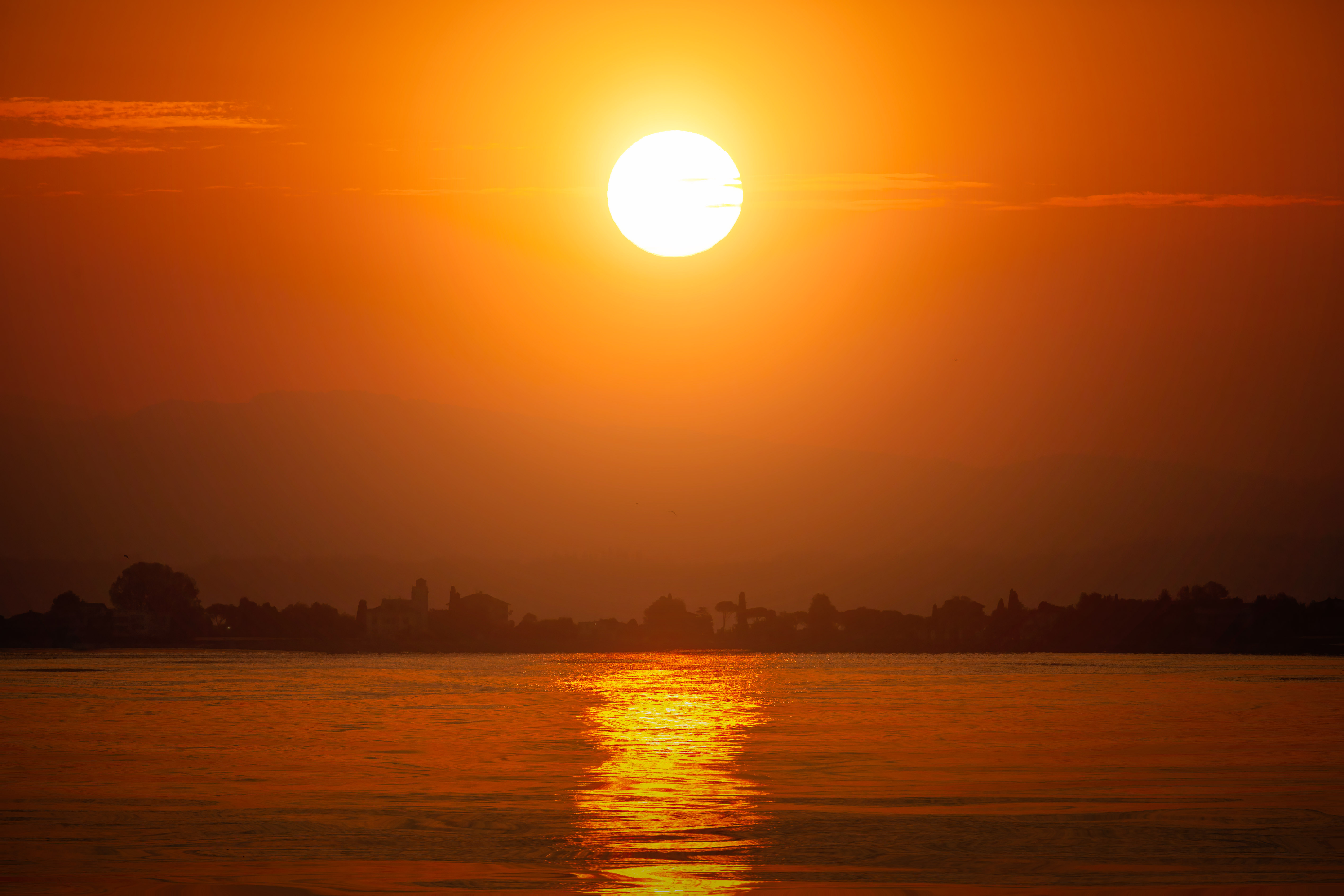
I laghi, a mio avviso, rappresentano uno degli scenari più belli da fotografare e da vivere. In genere, offrono notevoli opportunità, in quanto, grandi o piccoli che siano, è possibile scegliere di visitare la location migliore in base alla posizione del sole. Essendo un grande amante delle albe e degli scatti in controluce, quando mi capita di visitare un lago, scelgo sempre il lato ad ovest, in quanto mi permette di veder sorgere il sole sull’acqua la mattina presto. Lo ammetto, è un mio chiodo fisso. Adoro questo genere di scatti.

Quando la location, poi, è meravigliosa ed offre spunti di notevole interesse, allora il tutto è un mix veramente esplosivo. In questo caso, il Lago di Garda, grazie alla sua enorme estensione, offre una miriade di spunti incredibili, di paesini turistici, di kilometri e kilometri di costa, pontili, scogliere, e tanto altro, dove annoiarsi, o non riuscire a trovare punti di interesse da fotografare, è praticamente impossibile,

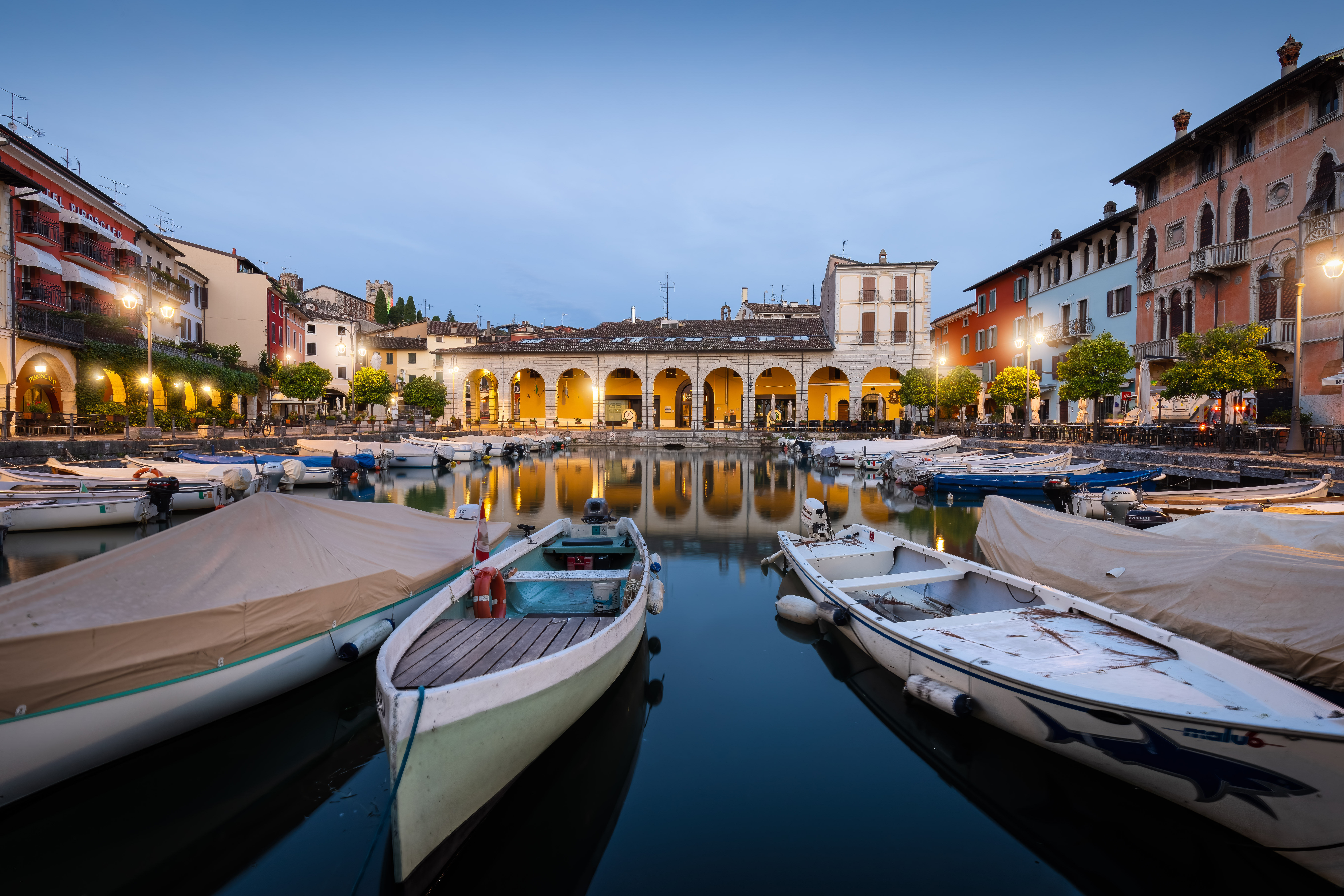
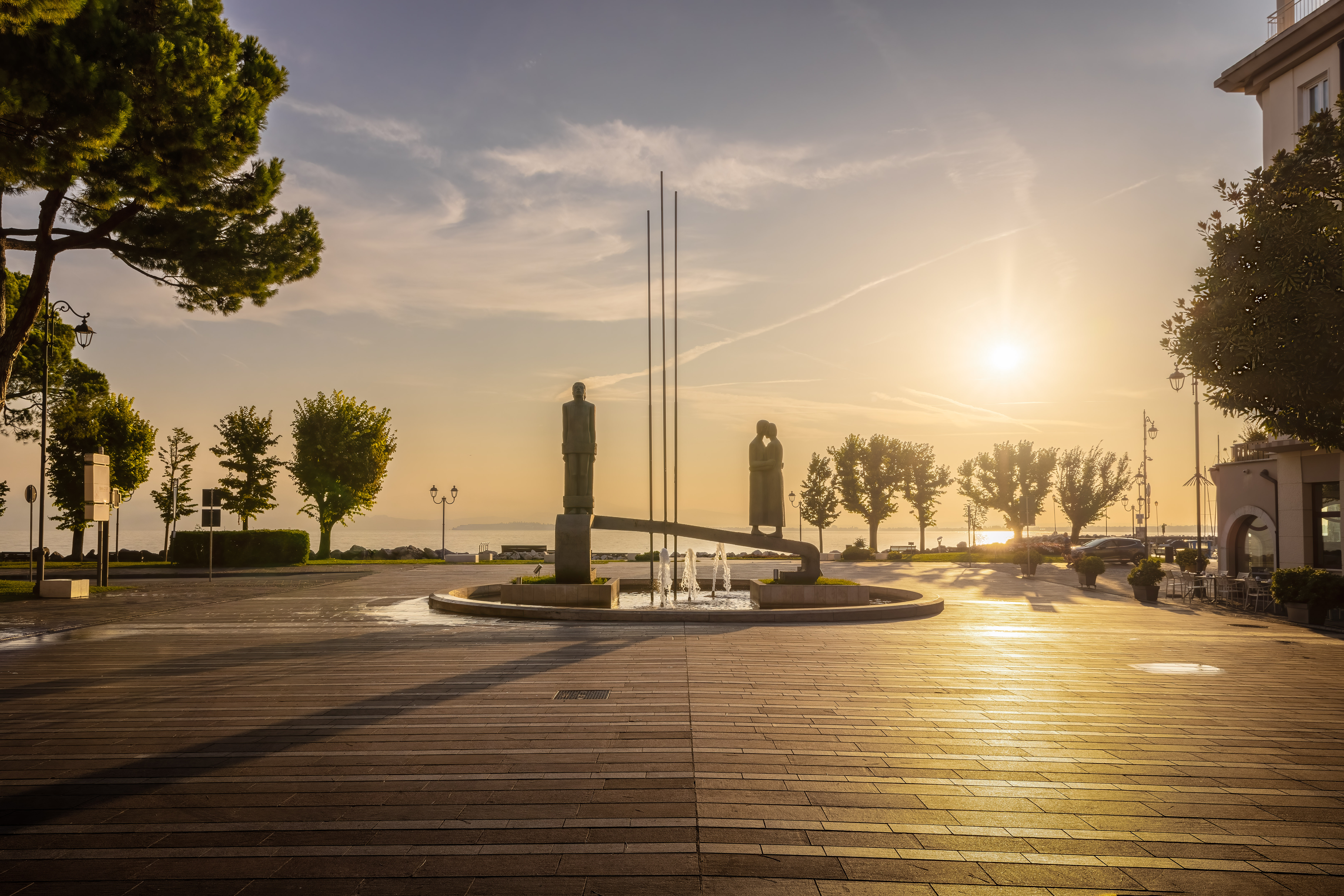
Quest’anno ho deciso di passare tre giorni a Desenzano sul Garda. La location è veramente suggestiva, offre molte prospettive fotografiche ed ottime soluzioni turistiche, per trascorrere al meglio un buon weekend con la propria famiglia, all’insegna del relax e del divertimento. Le vie del centro sono piene di locali, ristoranti, negozi. La sera c’è vita ovunque. L’atmosfera del lago ti accompagna già dalle prime ore dell’alba, con scorci mozzafiato ed una tranquillità incredibile. Si continua la giornata con passeggiate nel centro, tra i negozi, o rilassandoci su un lettino in spiaggia in riva al lago. L’acqua, oltretutto, è limpida e piatta. La sera si riparte con una bella movida nei locali del centro. Tutto accompagnato da luci, musica e ottimi aperitivi.

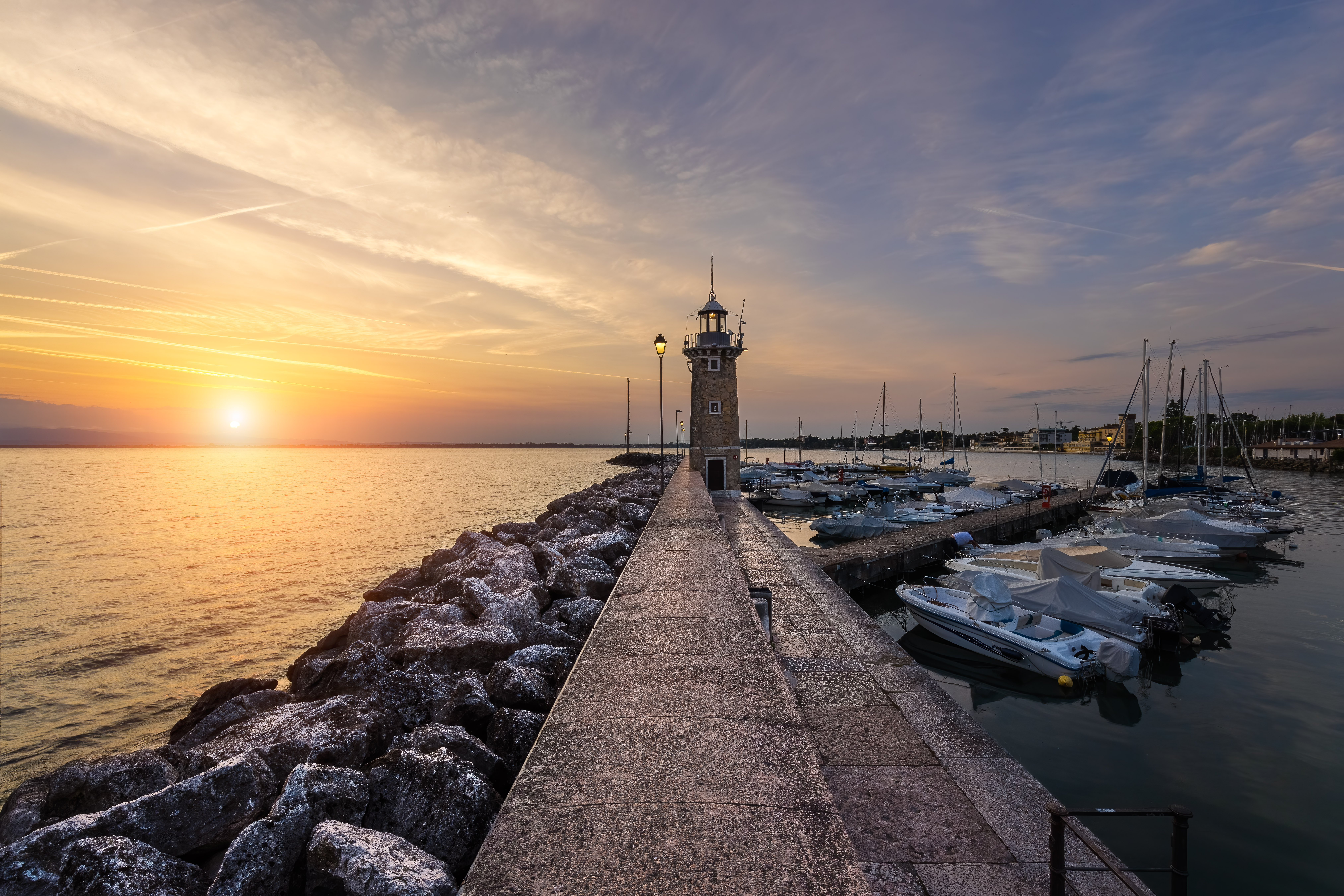
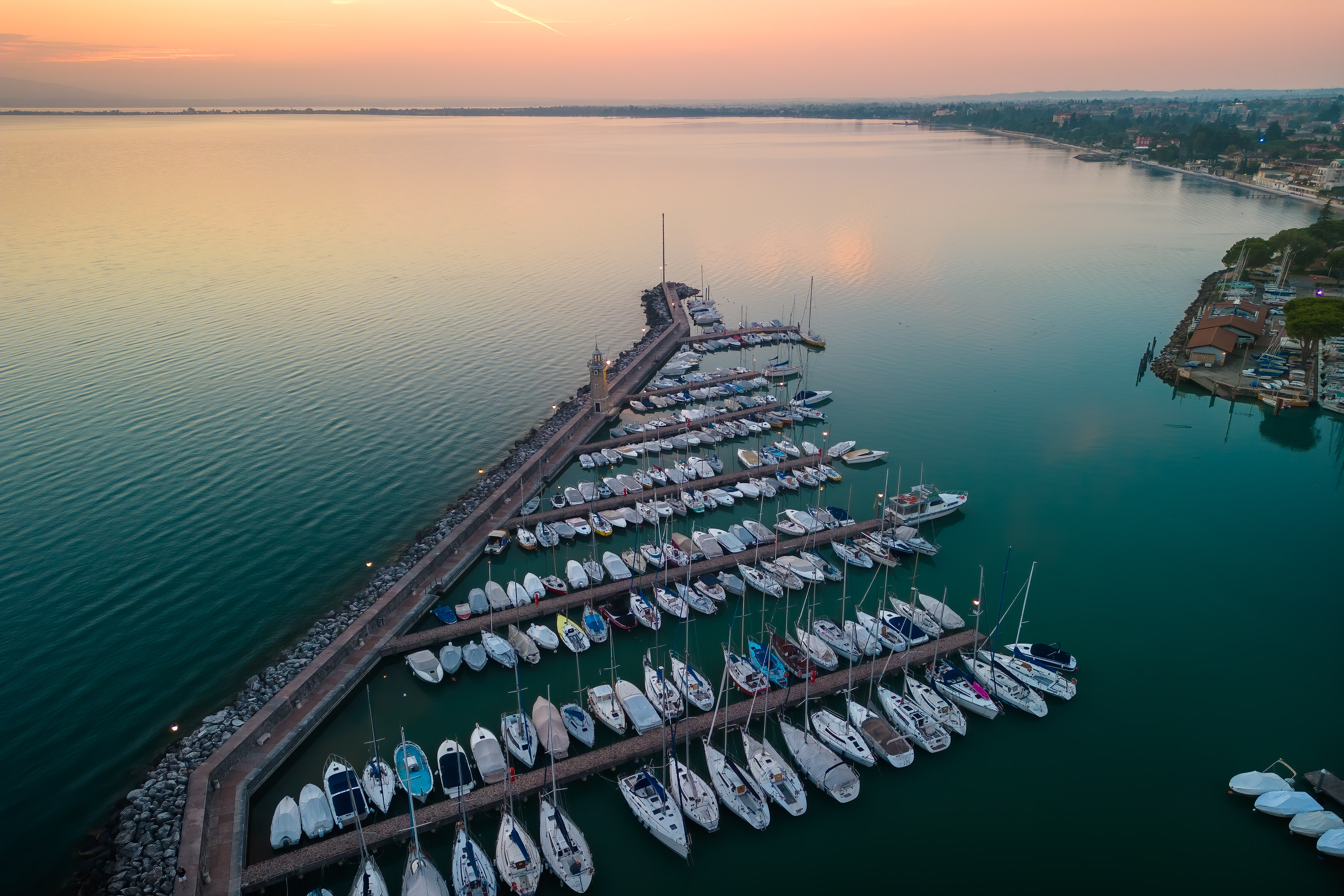
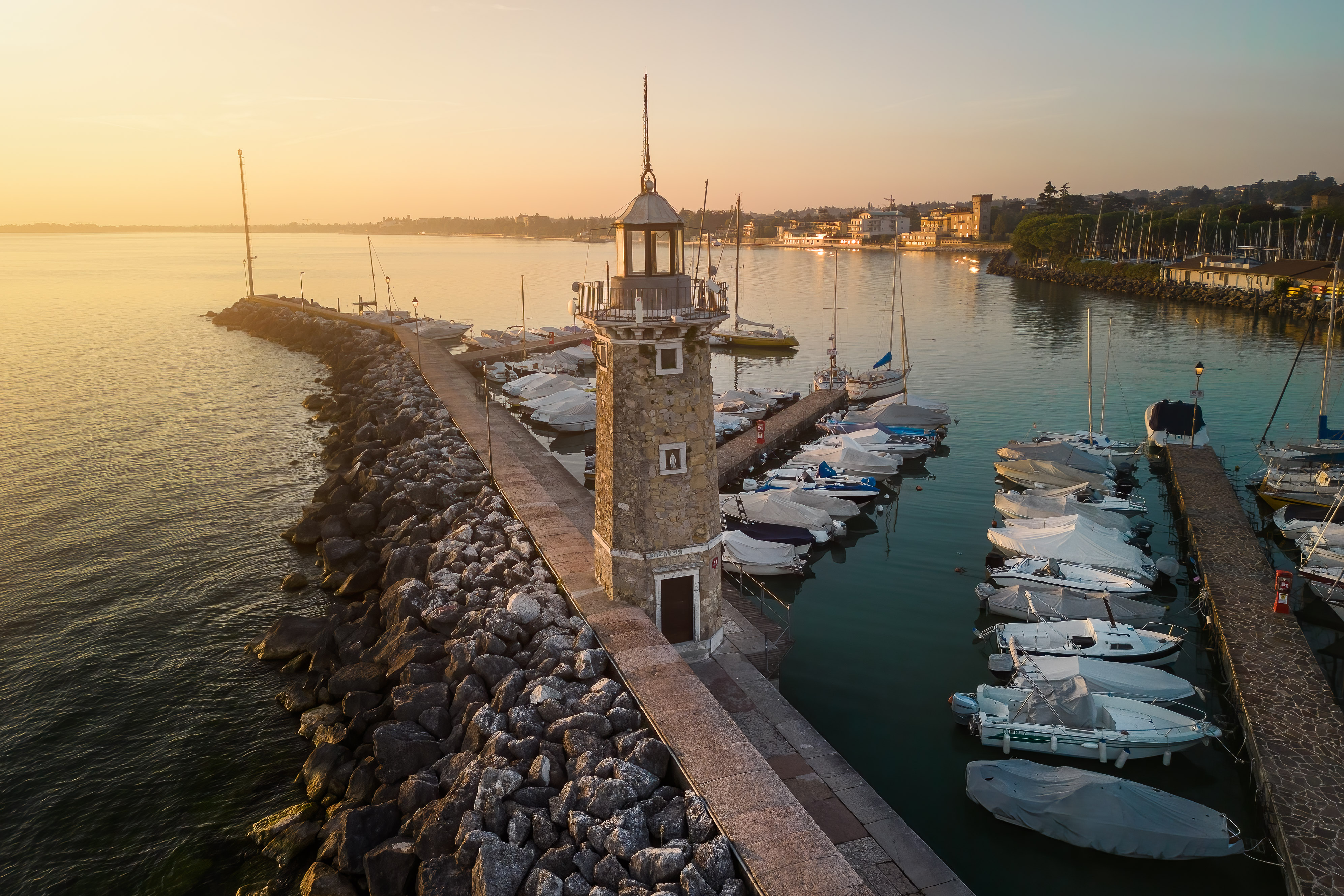
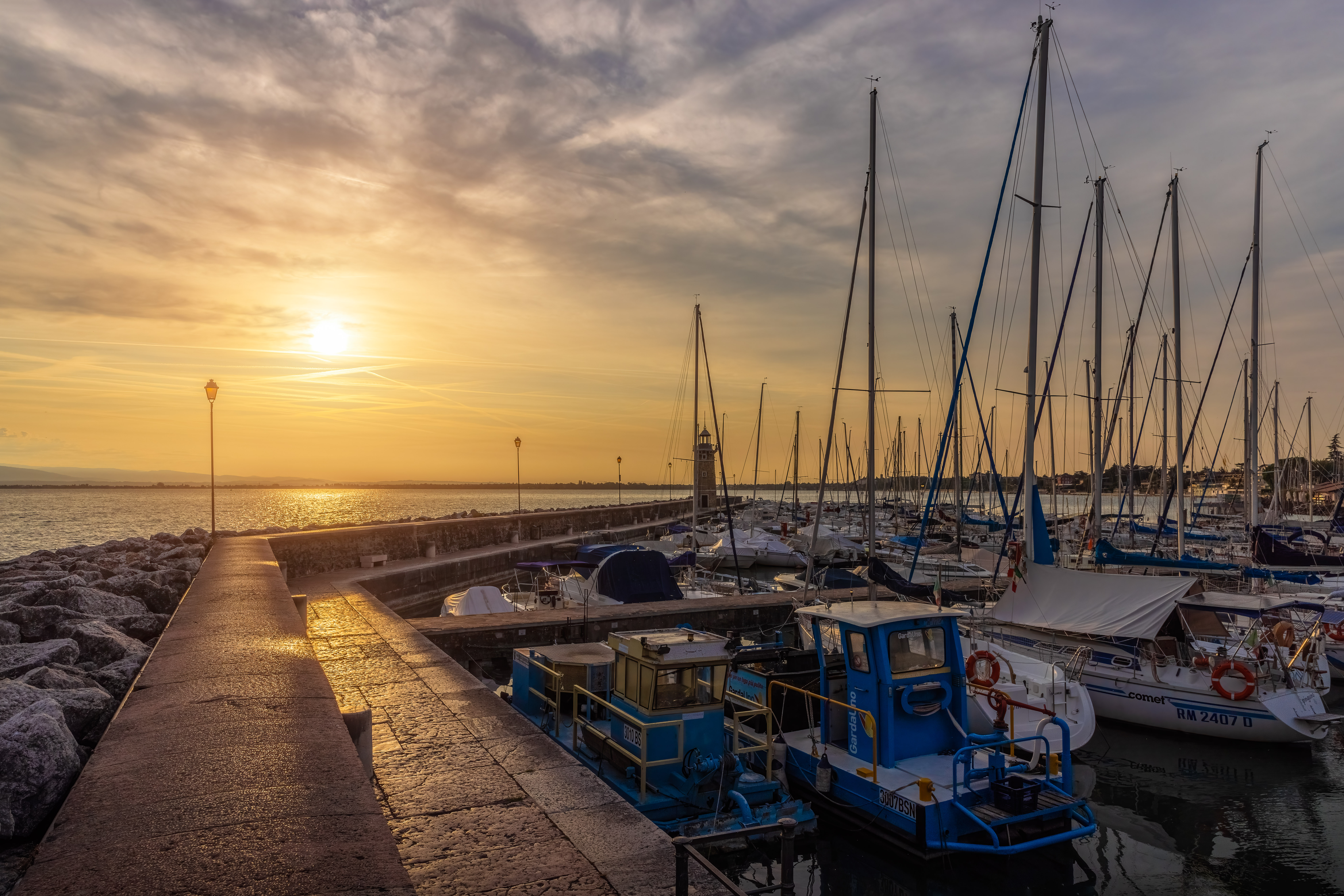
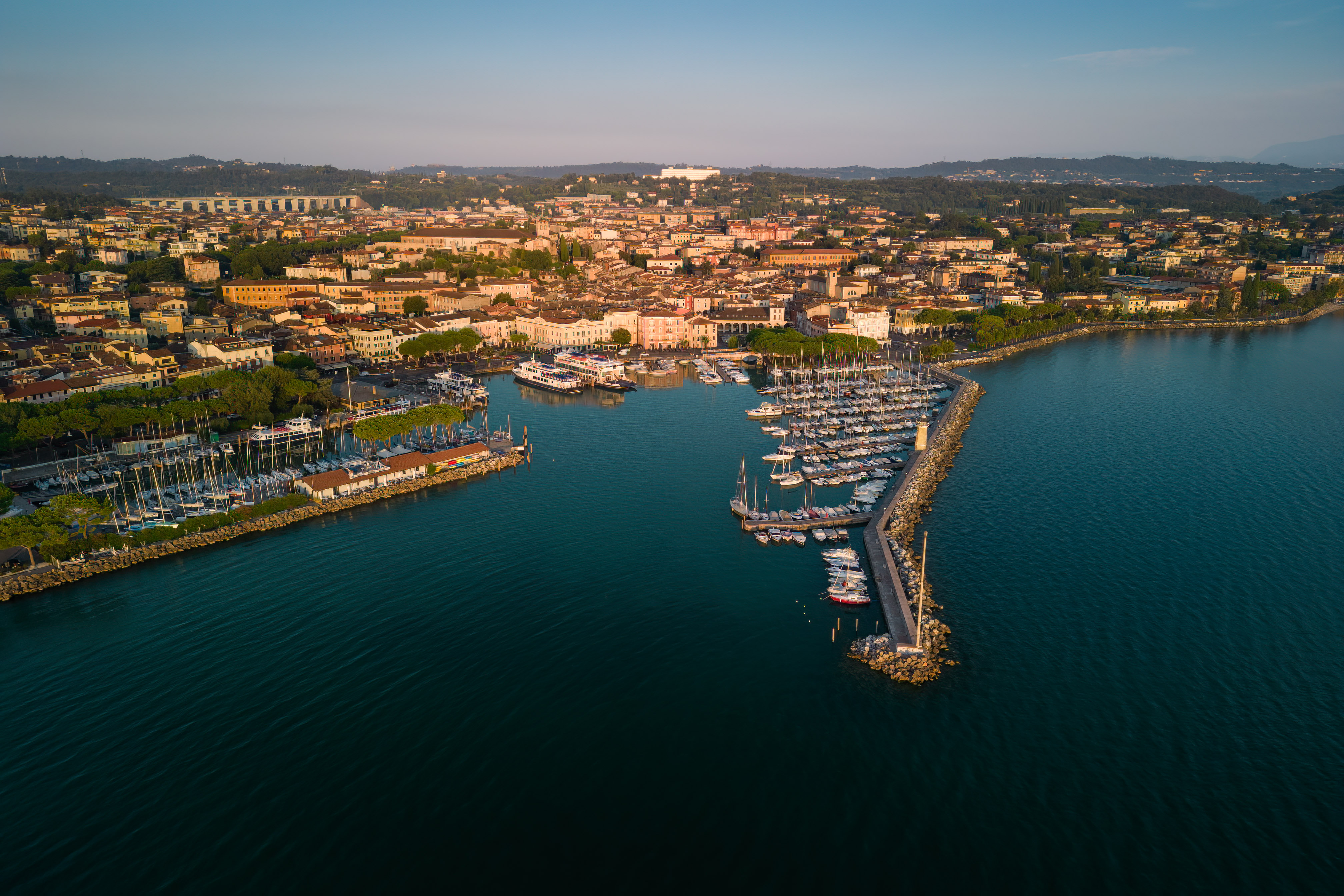
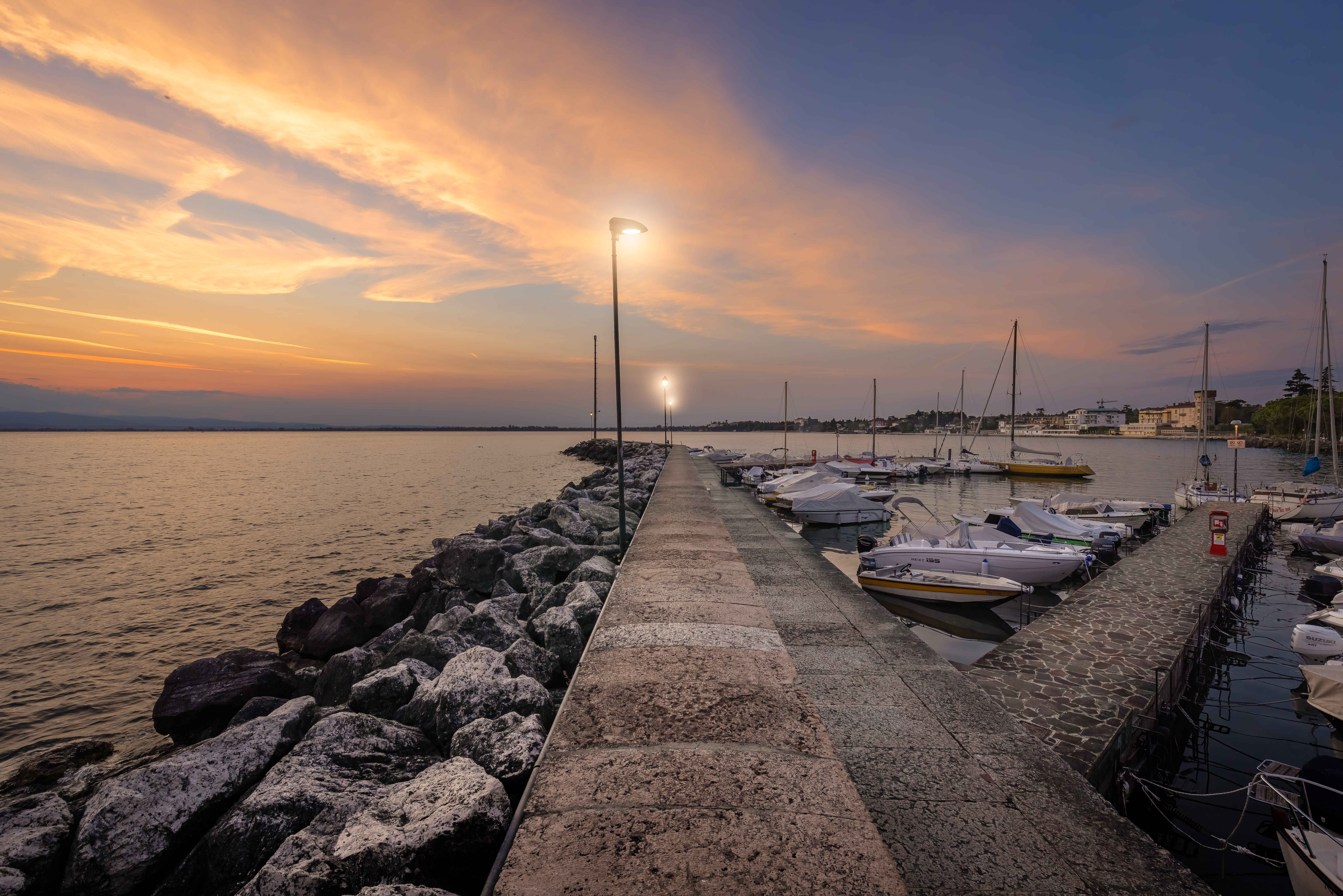
La parola “Lago” per me significa più che altro relax e silenzio. E questo posto, all’alba, regala vere e proprie perle. Momenti in cui sei soltanto tu e la macchina fotografica, soli lì davanti, a salutare il nuovo giorno che nasce. La zona del porto è meravigliosa, col suo bellissimo faro, la scogliera, le luci dei lampioni, l’acqua di un incredibile verde-azzurro, le barche silenziose tutte in fila. Merita veramente tanto. Ho aspettato il sole proprio sotto al faro, e le immagini sono fantastiche. Anche dall’alto col drone regala vere e proprie gioie.

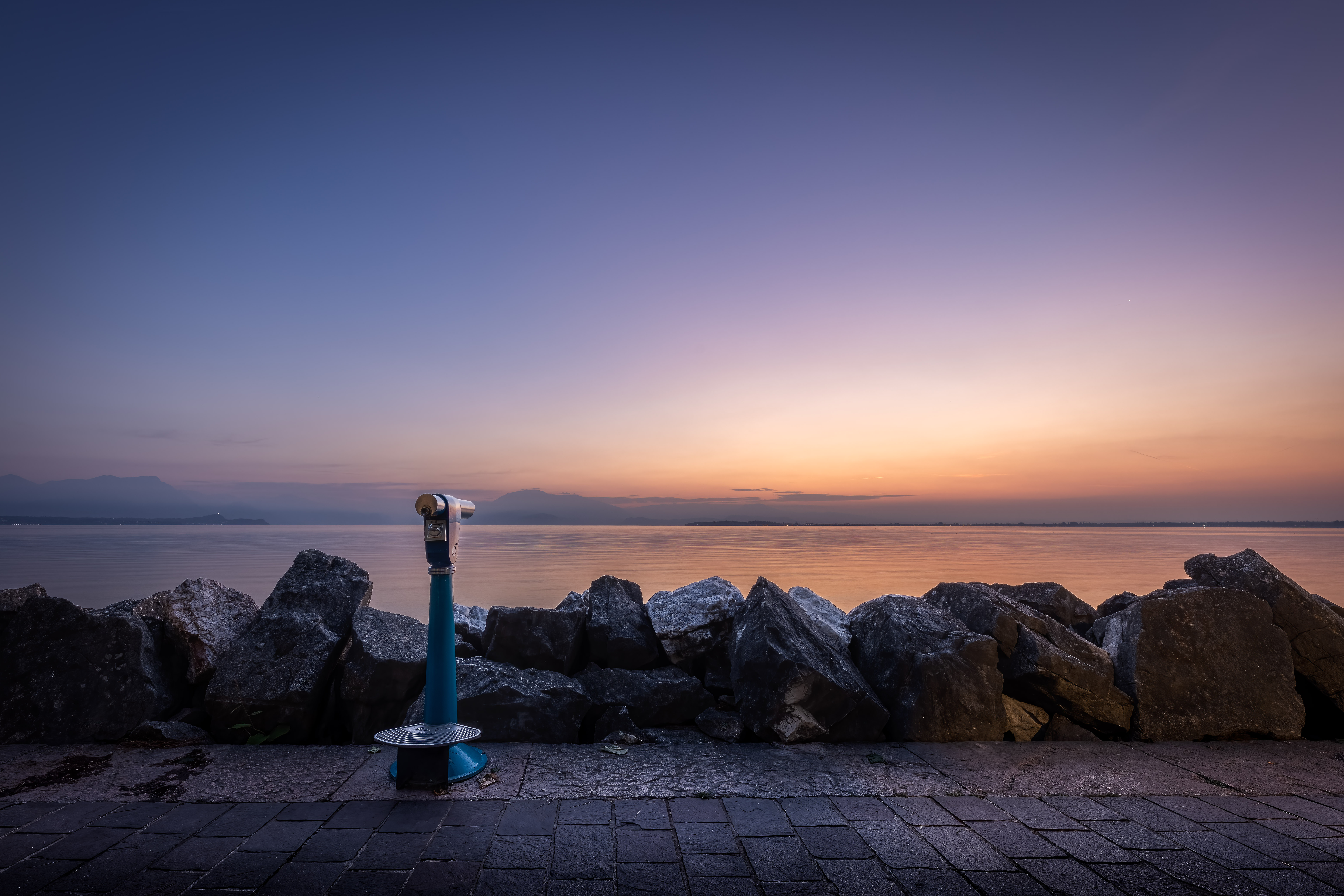
Vi mostro questi scatti, stavolta più del solito, per farvi assaporare un pizzico di questi attimi intimi trascorsi con queste acque. Alcuni sono stati scattati prima che il sole sorgesse, altri dopo. Alcuni dall’alto ed altri ad altezza del terreno. Alcuni con visuale grandangolare, altri con un tele-obbiettivo. Insomma, ce n’è per tutti i gusti. Buona visione.

Lakes, in my opinion, represent one of the most beautiful sceneries to photograph and experience. In general, they offer considerable opportunities, as, large or small, it is possible to choose to visit the best location based on the position of the sun. Being a great lover of sunrises and backlit shots, when I happen to visit a lake, I always choose the west side, as it allows me to see the sun rise over the water early in the morning. I admit it, it’s my obsession. I love this kind of shots.

When the location is wonderful and offers ideas of considerable interest, then the whole is a truly explosive mix. In this case, Lake Garda, thanks to its enormous extension, offers a myriad of incredible ideas, tourist villages, kilometers and kilometers of coastline, piers, cliffs, and much more, where you can get bored or not be able to find of interest to photograph, it is practically impossible,

This year I decided to spend three days in Desenzano sul Garda. The location is truly suggestive, it offers many photographic perspectives and excellent tourist solutions, to better spend a good weekend with your family, in the name of relaxation and fun. The streets in the center are full of bars, restaurants and shops. In the evening there is life everywhere. The atmosphere of the lake accompanies you from the early hours of dawn, with breathtaking views and incredible tranquility. We continue the day with walks in the center, among the shops, or relaxing on a sunbed on the beach by the lake. Furthermore, the water is clear and flat. In the evening we start again with a nice nightlife in the clubs in the center. All accompanied by lights, music and excellent aperitifs.

The word “Lake” for me means more relaxation and silence than anything else. And this place, at dawn, offers real pearls. Moments in which it’s just you and the camera, alone there in front, greeting the new day that is born. The port area is wonderful, with its beautiful lighthouse, the cliff, the lights of the street lamps, the water of an incredible blue-green, the silent boats all in a row. It truly deserves so much. I waited for the sun right under the lighthouse, and the images are fantastic. Even from above with the drone it offers real joys.

I show you these shots, this time more than usual, to let you savor a pinch of these intimate moments spent with these waters. Some were taken before the sun rose, others after. Some from above and others at ground level. Some with a wide angle view, some with a telephoto lens. In short, there is something for all tastes. Good vision.
scorci di pisa

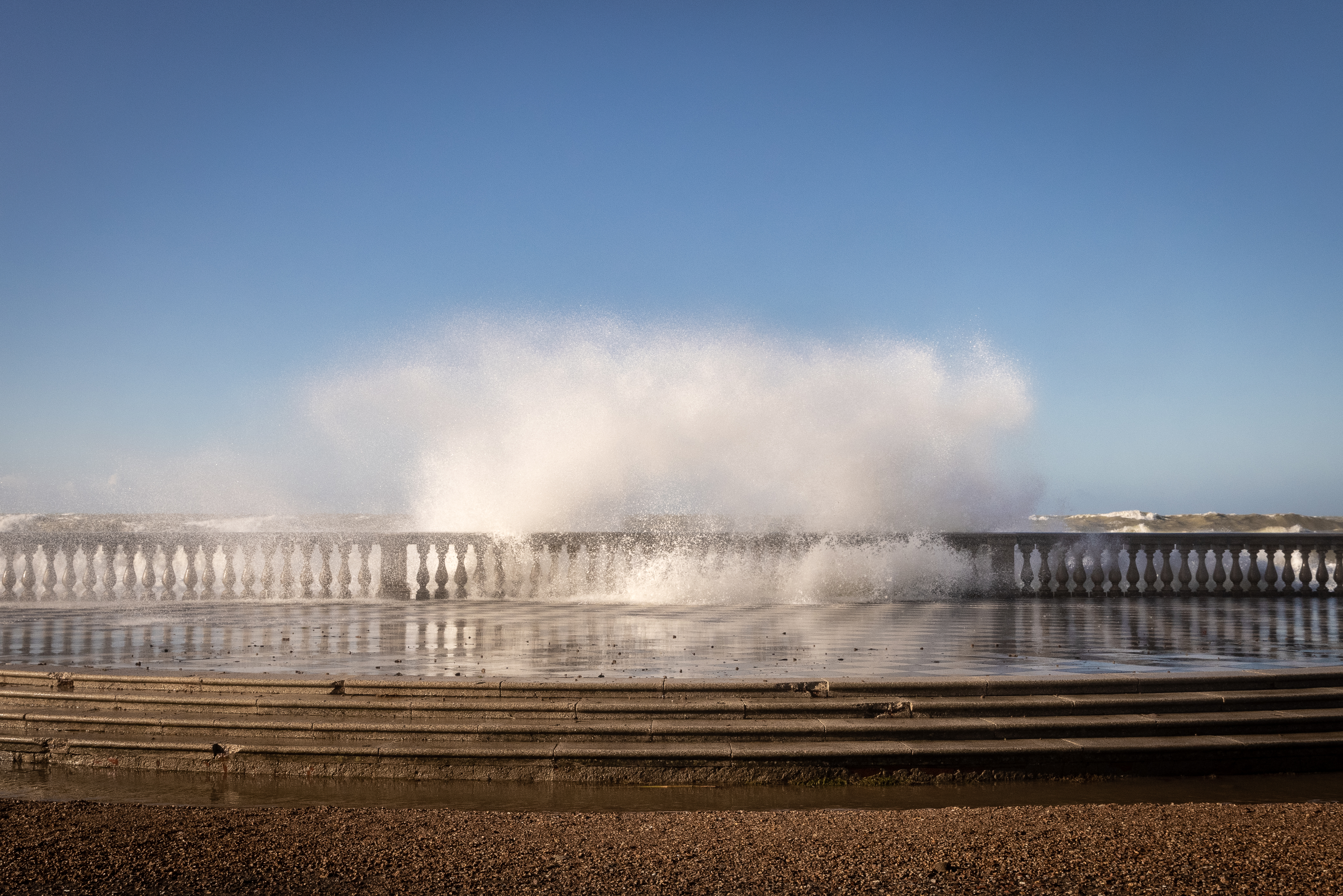
Pisa non ha certo bisogno di presentazioni. A livello turistico, è una delle città più visitate e conosciute della Toscana e di tutta Italia. Ovviamente Piazza dei Miracoli è l’attrazione principale. La Torre pendente è conosciuta in tutto il mondo. Non per nulla è una delle sette meraviglie del mondo. Flotte di turisti si accalcano ai suoi piedi per scattare la classica foto dove fingono, in prospettiva, di tenere in equilibrio la torre. Non me ne vogliate se questo tipo di fotografia la odio profondamente. Non ce la posso proprio fare.

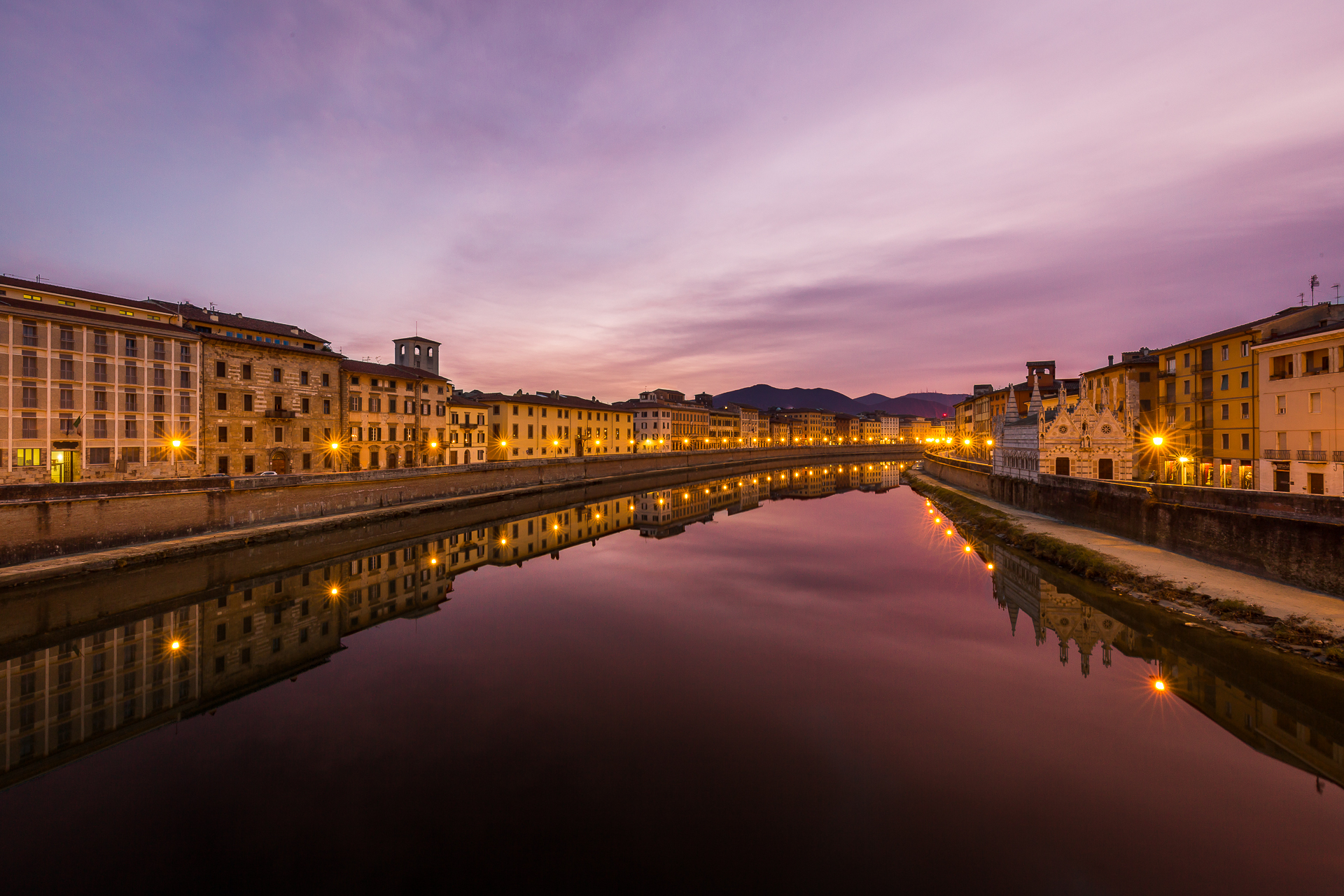
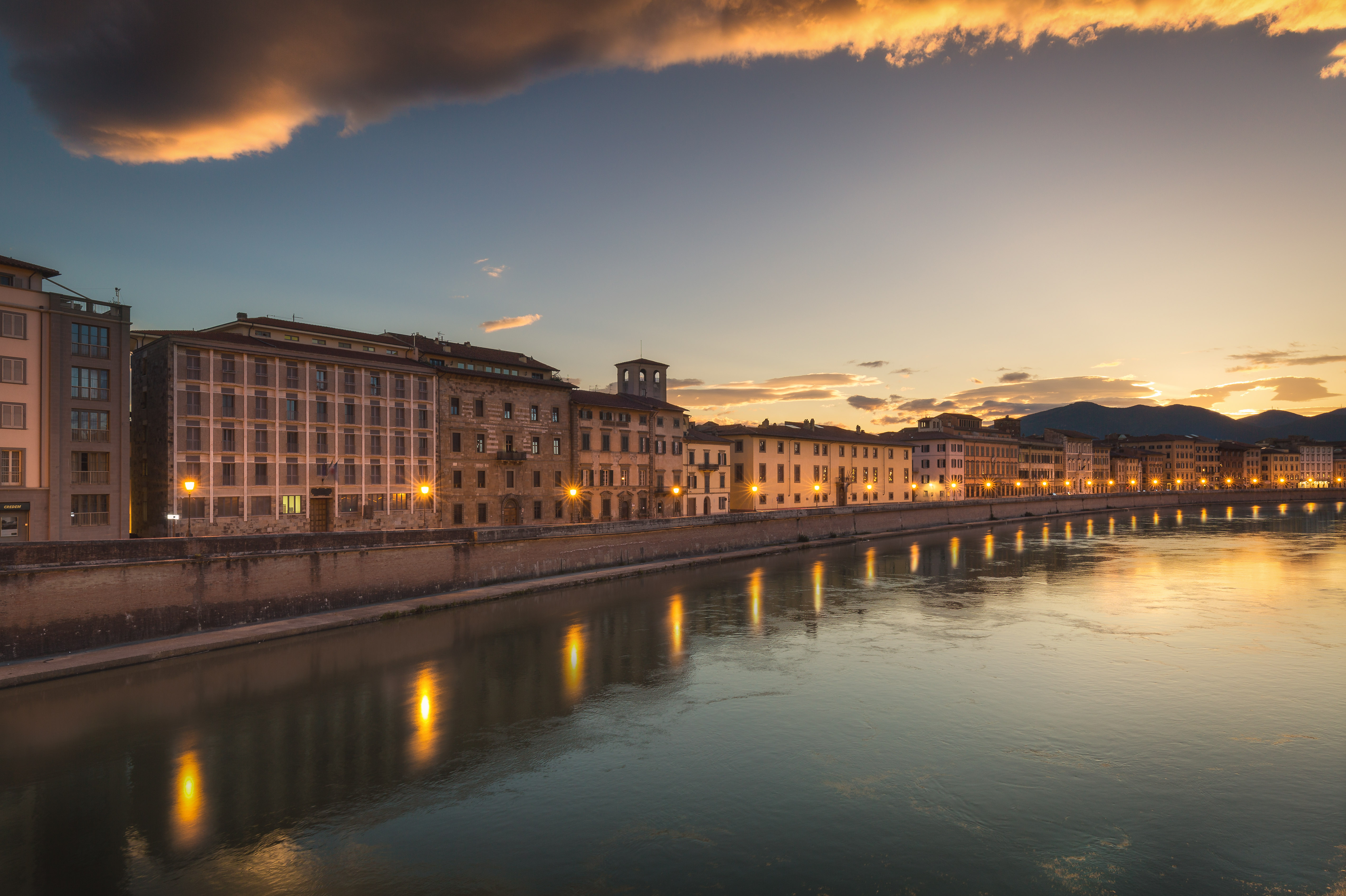
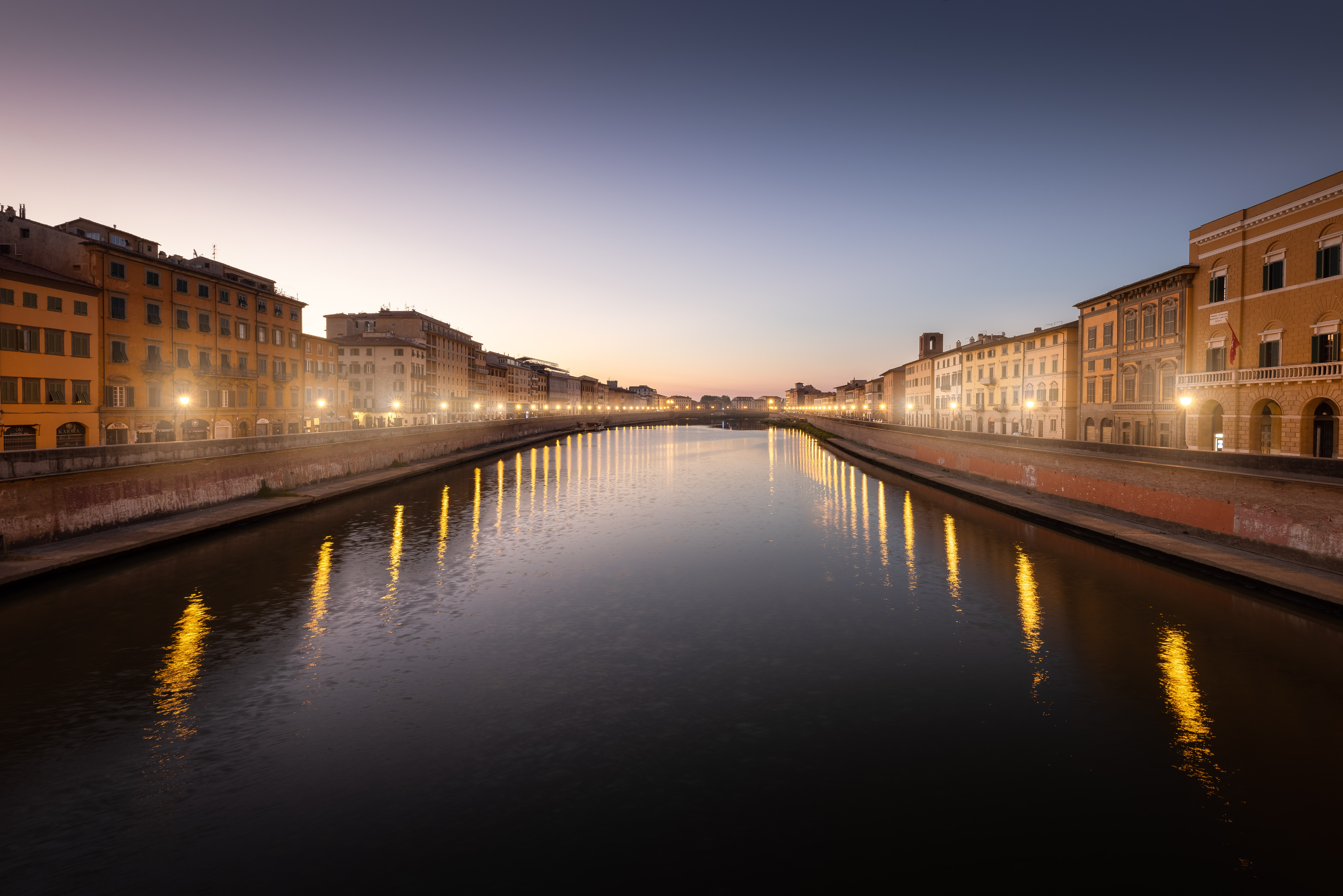
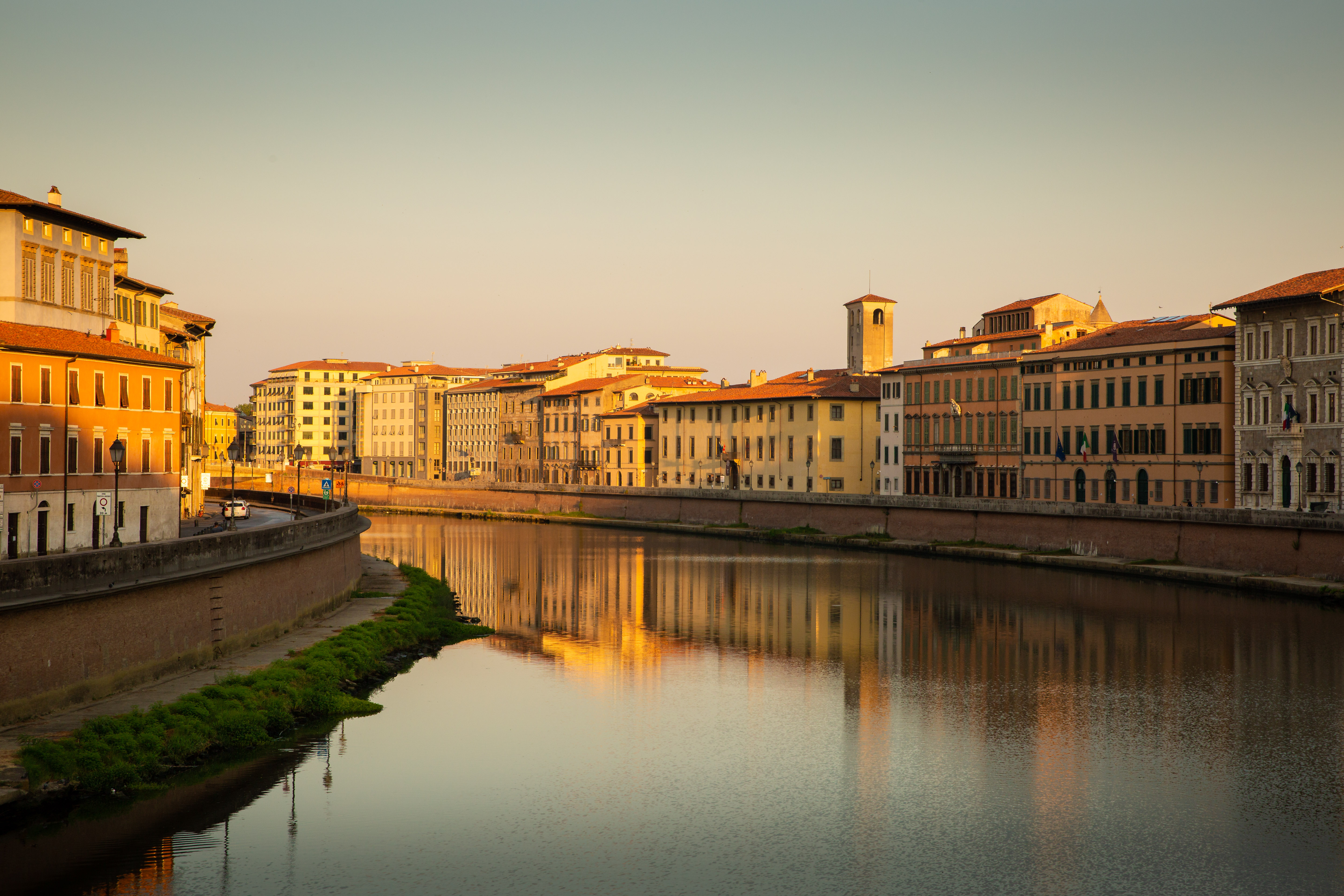
Andare in giro per le vie di Pisa è, senza dubbio, un grande piacere, Gli scorci da fotografare sono molti. Ce n’è uno, in particolar modo, che ogni volta che ci vado mi affascina davvero tanto. Sto parlando del Lungarno. Che tu ci vada all’alba o al tramonto, riesci sempre a portare a casa molte belle fotografie.

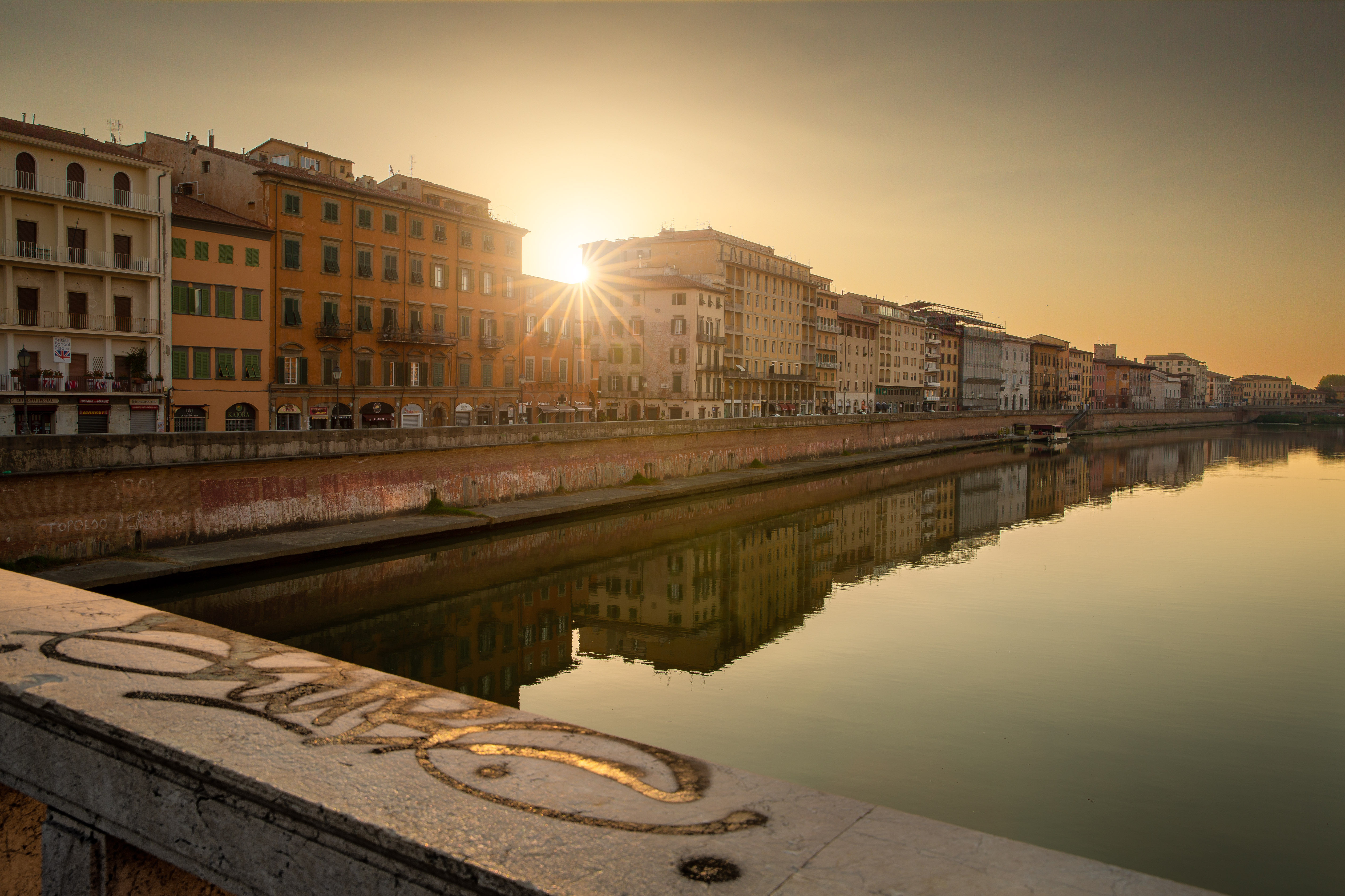
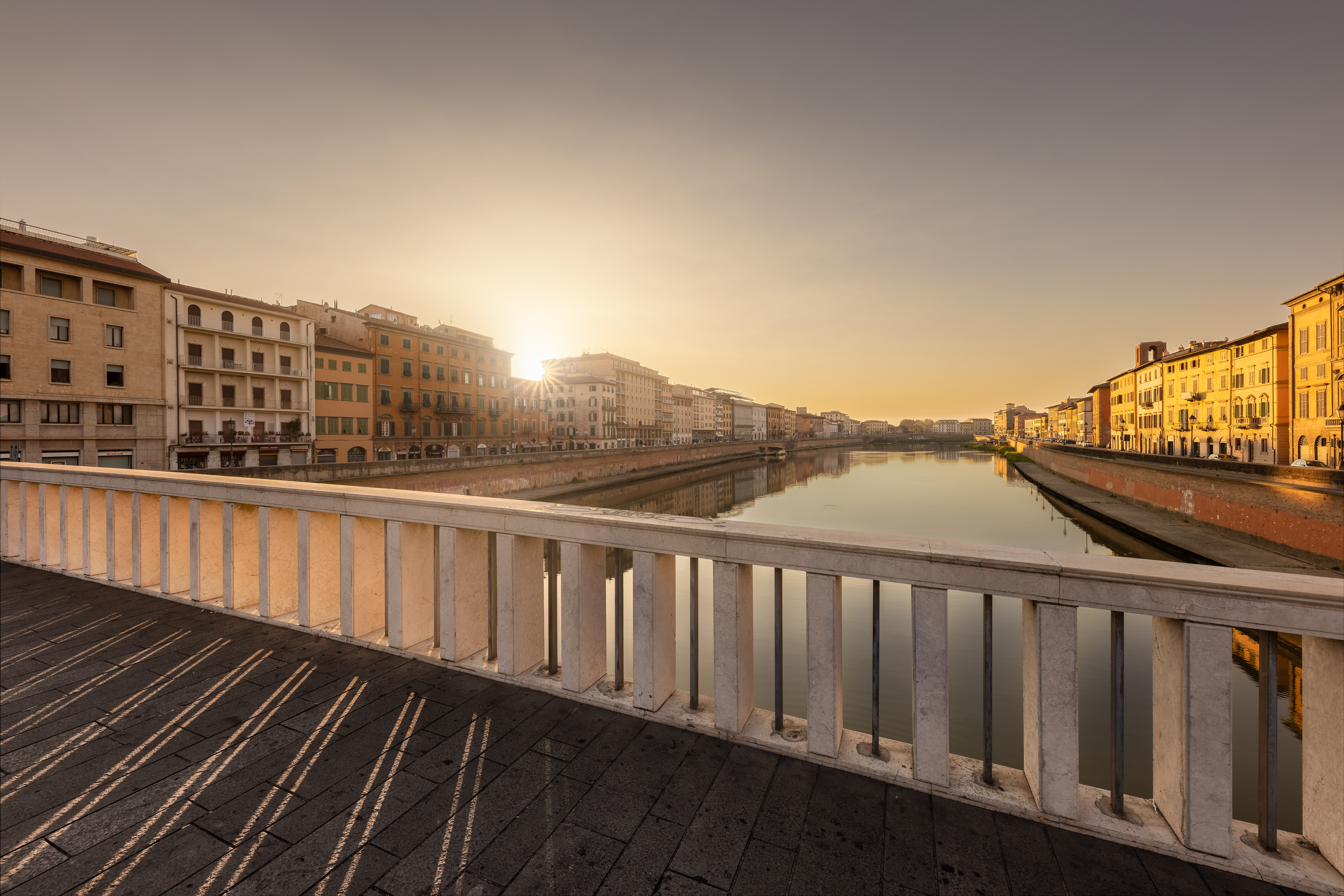
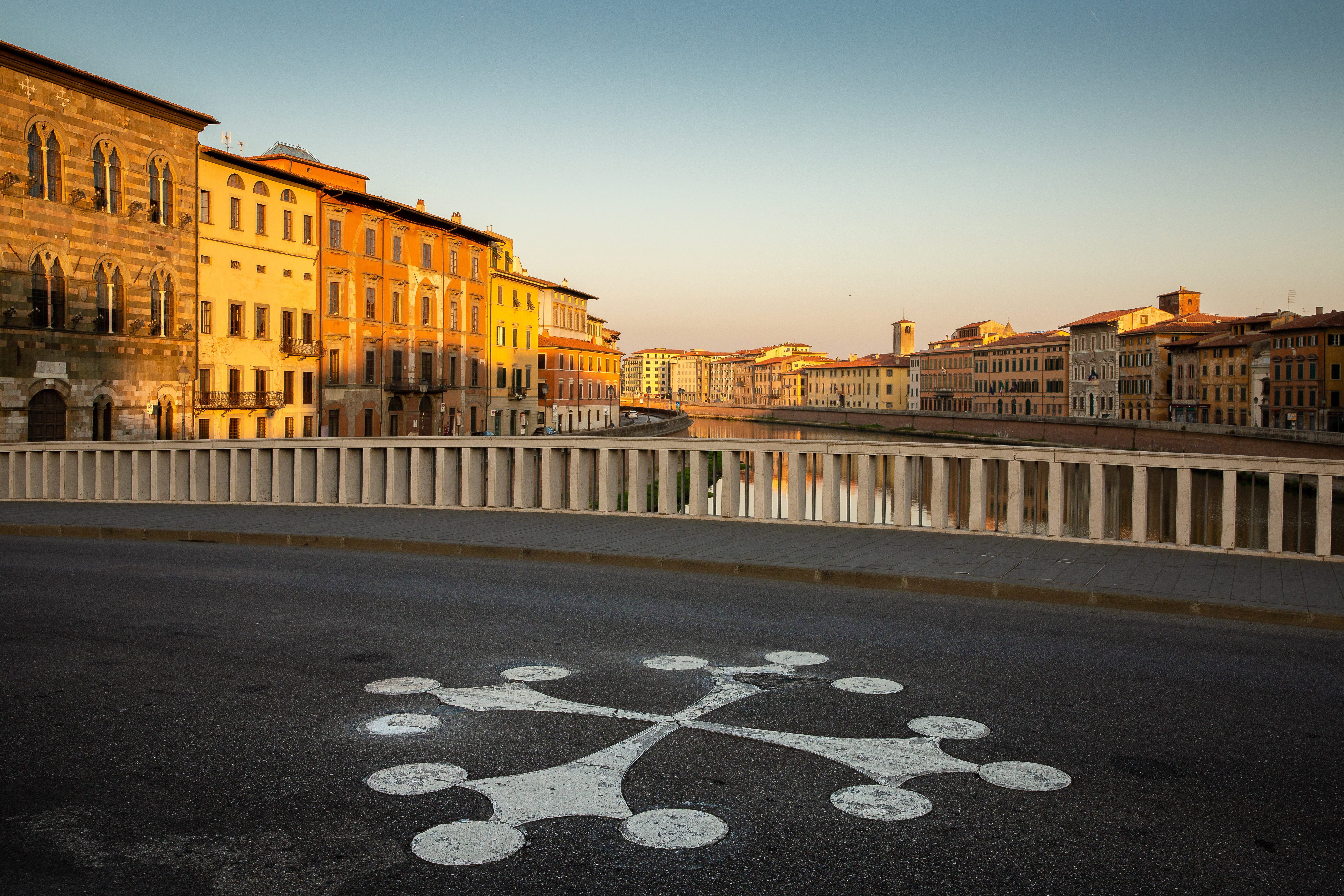
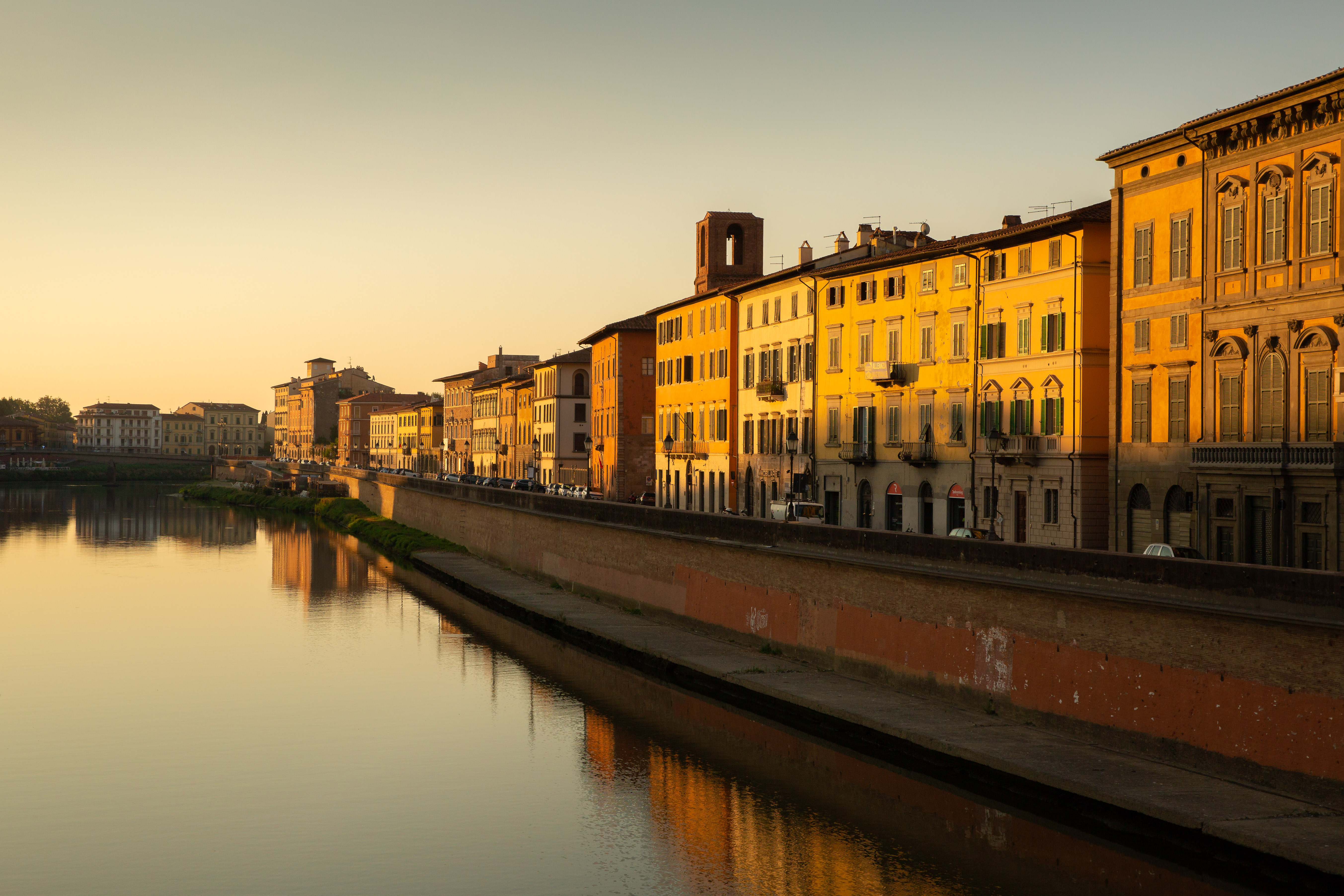
Il fiume Arno attraversa la città e la spacca in due. Con i suoi riflessi, offre scenari veramente suggestivi. Specialmente quando il sole sorge dai monti retrostanti, e la luce radente comincia ad accarezzare i tetti e le facciate delle case, l’atmosfera sul Lungarno diventa veramente magica. Quando il sole fa finalmente capolino dai tetti delle case, chiudendo un po’ il diaframma della fotocamera, si riesce a cogliere i raggi che filtrano attraverso l’obbiettivo. La luce diventa meravigliosamente calda e intensa. Scattando dal Ponte di Mezzo, i raggi, inoltre, filtrano dalle colonnine del ponte, e proiettano strisce luminose sull’asfalto scuro, che creano un magnifico contrasto.

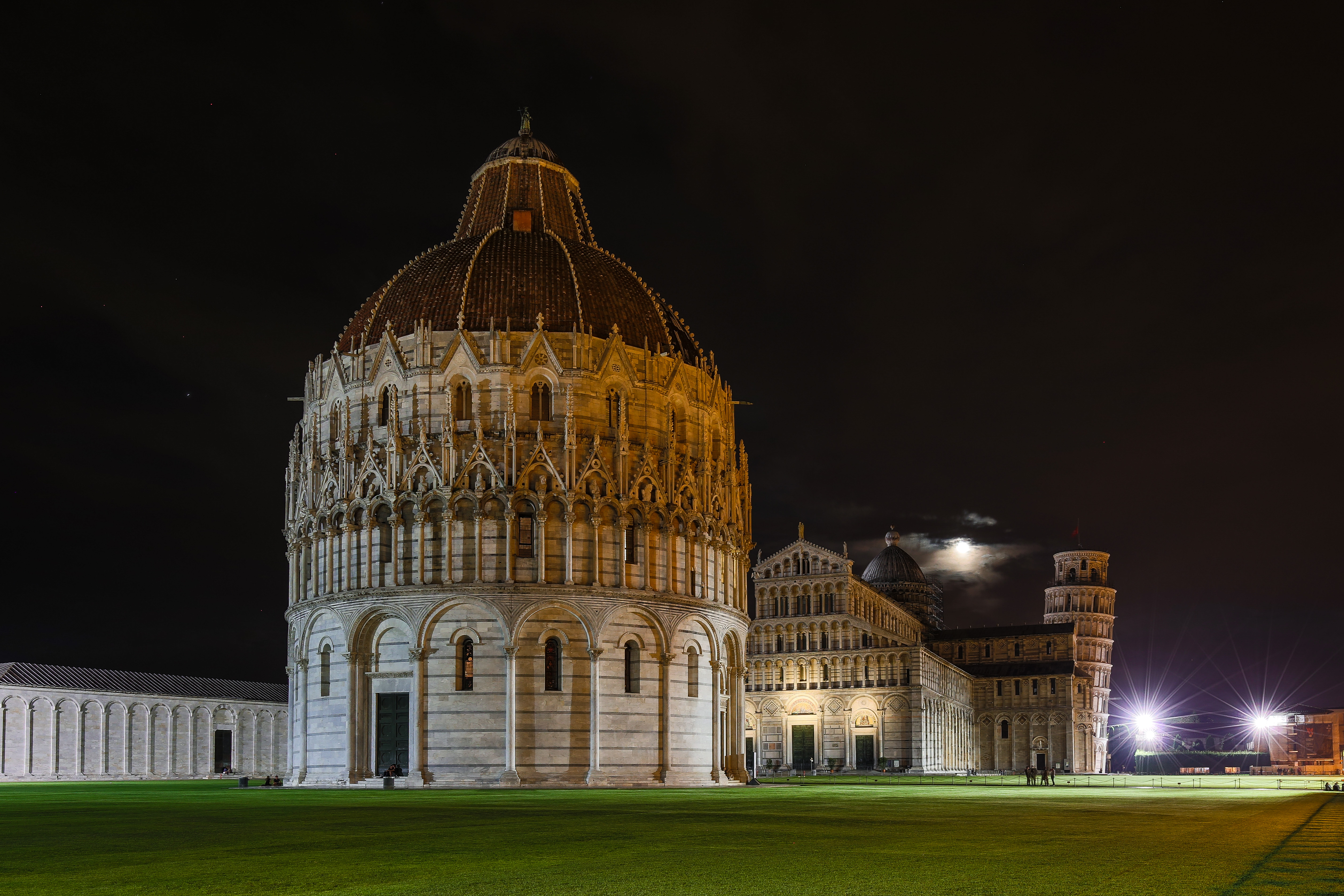
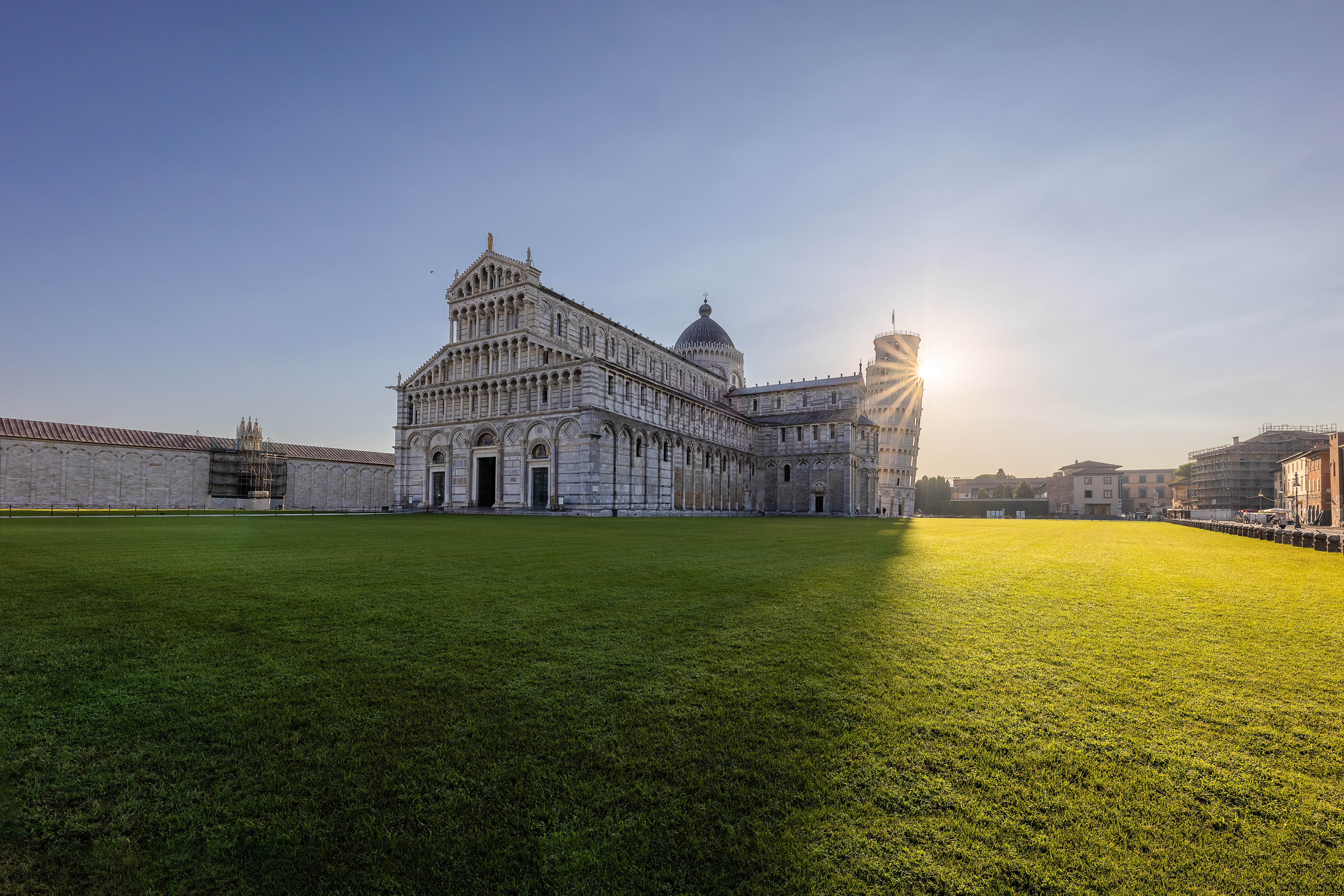
Mi sposto in Piazza dei Miracoli. Qui le foto sono un po’ più scontate. Ho provato a scattare sia di mattina che di notte. Ogni momento offre luci ed atmosfere differenti, ma egualmente belle. L’accuratezza dei dettagli di questo monumento è semplicemente incredibile. Geometrie, disegni, prospettive e contrasti si amalgamano tra loro, rendendo questo capolavoro marmoreo, un’incredibile opera di una ricercata ed ineguagliabile perfezione.

Queste sono alcune immagini che ho avuto il piacere di cogliere a Pisa. piccoli attimi che rimangono impressi nel tempo. Spero vi piacciano.

Pisa certainly needs no introduction. In terms of tourism, it is one of the most visited and well-known cities in Tuscany and throughout Italy. Obviously Piazza dei Miracoli is the main attraction. The Leaning Tower is known all over the world. Not for nothing is it one of the seven wonders of the world. Flocks of tourists crowd at its feet to take the classic photo where they pretend, in perspective, to keep the tower in balance. I do not mind if this type of photography hate it deeply. I just can’t do it.

Going around the streets of Pisa is, without a doubt, a great pleasure. There are many glimpses to photograph. There is one, in particular, that fascinates me so much every time I go. I’m talking about the Lungarno. Whether you go at sunrise or sunset, you always manage to bring home many beautiful photographs.

The Arno River crosses the city and splits it in two. With its reflections, it offers truly suggestive scenarios. Especially when the sun rises from the mountains behind, and the grazing light begins to caress the roofs and facades of the houses, the atmosphere on the Lungarno becomes truly magical. When the sun finally peeks out from the roofs of the houses, by closing the diaphragm of the camera a little, it is possible to catch the rays that filter through the lens. The light becomes wonderfully warm and intense. Shooting from the Ponte di Mezzo, the rays also filter through the columns of the bridge, and project luminous streaks onto the dark asphalt, which create a magnificent contrast.

I move to Piazza dei Miracoli. Here the photos are a little more obvious. I tried to shoot both in the morning and at night. Every moment offers different but equally beautiful lights and atmospheres. The accuracy of the details of this monument is simply amazing. Geometries, designs, perspectives and contrasts blend together, making this marble masterpiece an incredible work of refined and unparalleled perfection.
These are some images that I had the pleasure of capturing in Pisa. small moments that remain imprinted in time. I hope you enjoy them.

Notti d’estate

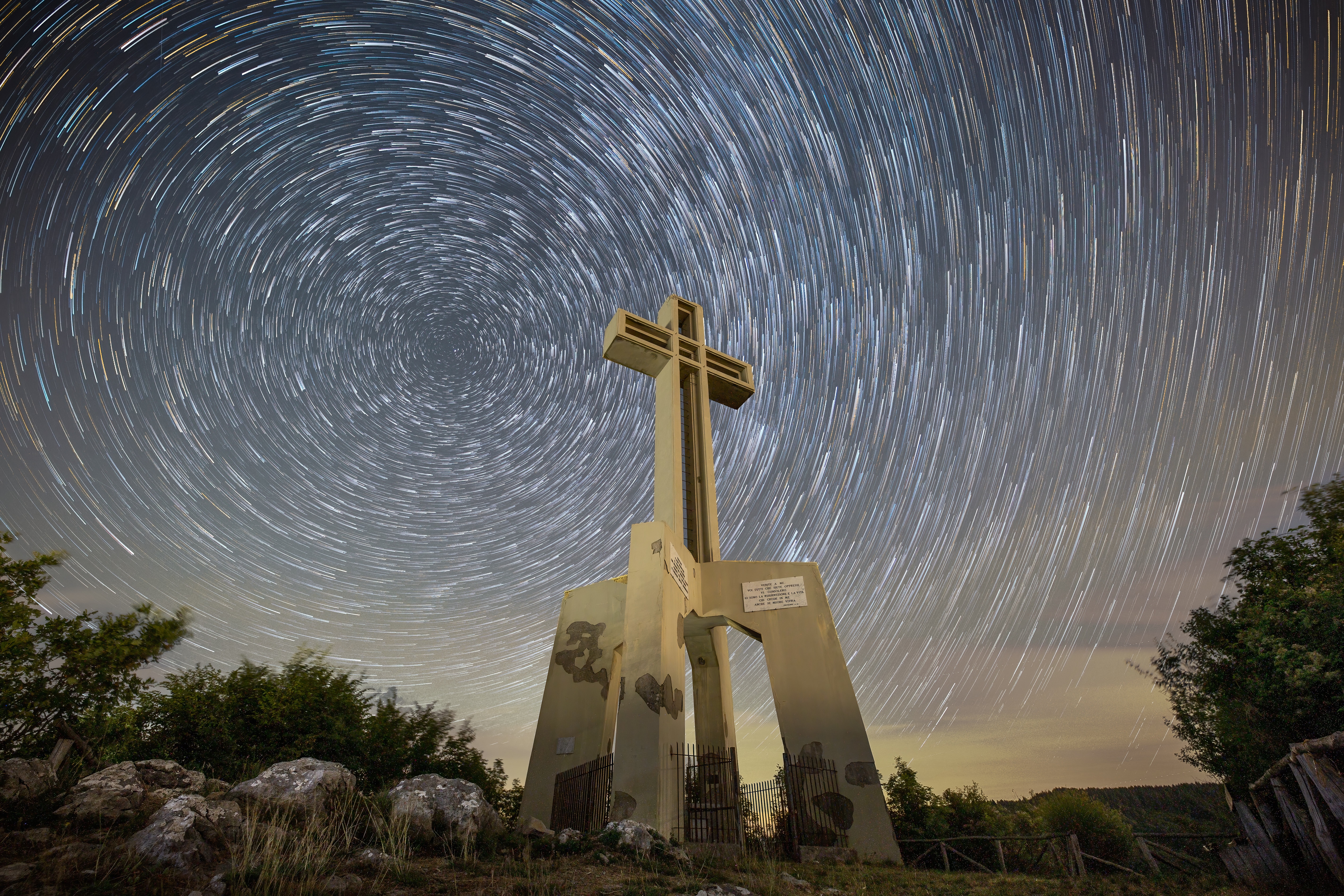
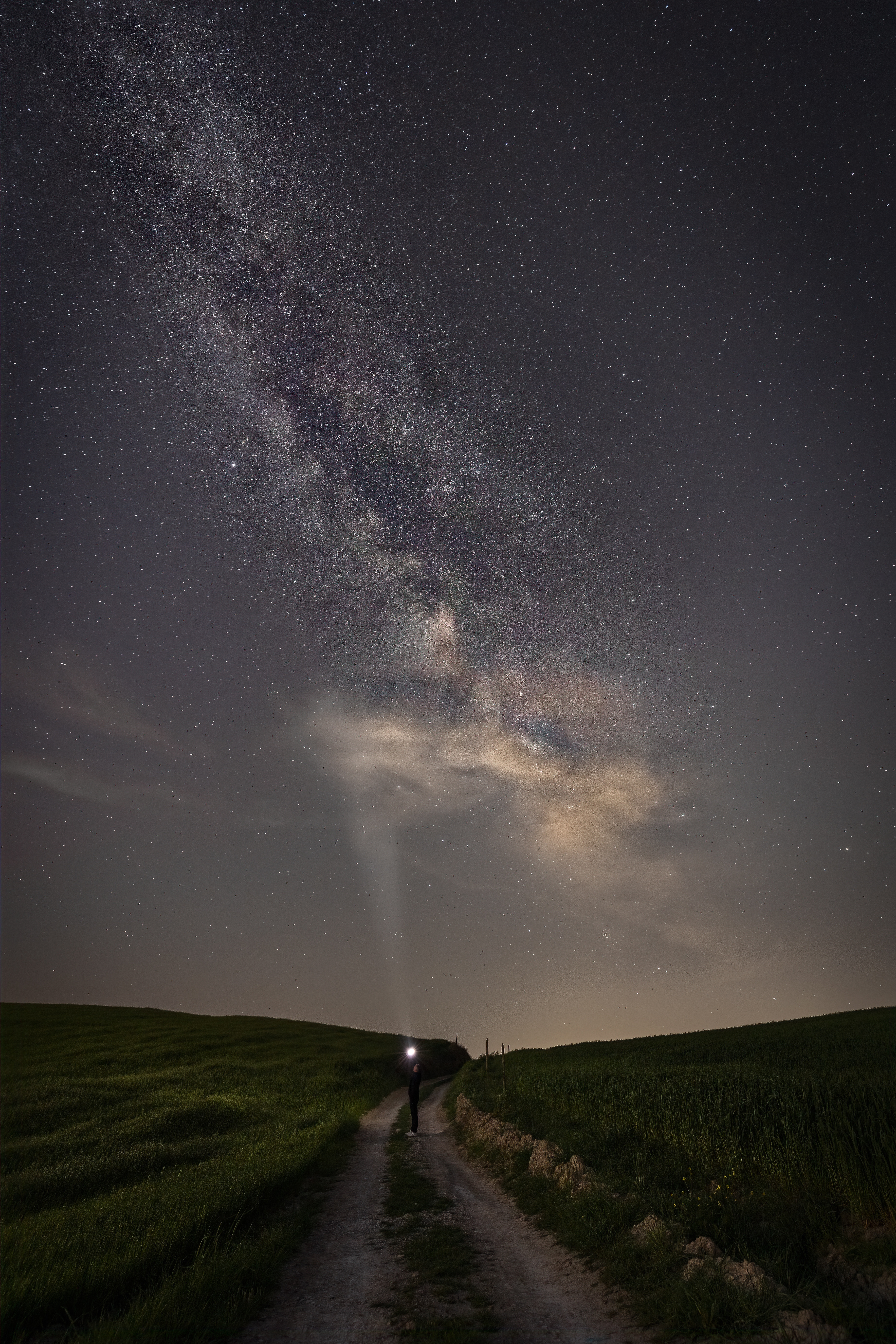
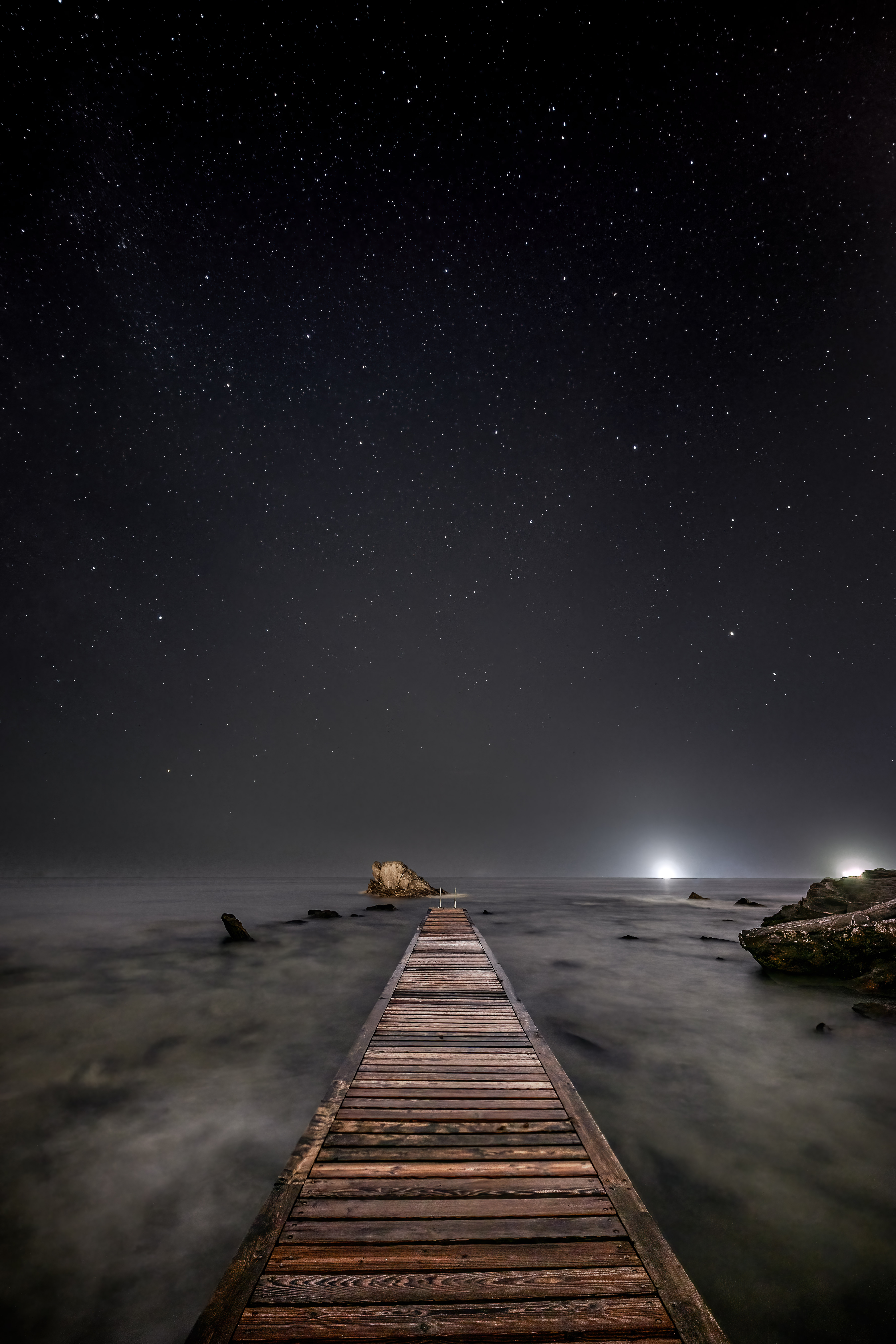
L’estate, ed in particolar modo, il mese di Agosto è la stagione delle stelle. Il cielo terso, l’aria fresca della sera e la quiete notturna sono gli ingredienti principali per una nottata all’aria aperta. Specialmente la notte del 10 agosto, quella di San Lorenzo, ha sempre un certo fascino, e, in quel giorno, un’occhiata al cielo notturno ce la dà chiunque. Chi in cerca di esprimere un desiderio, chi in cerca di un minuto di relax, chi prova a trascorrere una serata romantica, Poi c’è chi, come me prova a scattare al cielo stellato per catturare qualche immagine creativa.

Ho deciso di dedicare questo piccolo articolo ad alcuni scatti fatti nel tempo, alcuni recenti, altri fatti nel corso degli anni, per rendere giustizia alla bellezza della fotografia notturna, della astrofotografia, dove i soggetti principali siano le stelle, la via Lattea, gli star-trail o più semplicemente, il paesaggio visto sotto il cielo stellato.

Che questi scatti, seppur tecnicamente impegnativi, possano trasmettervi la quiete e la tranquillità che hanno trasmesso a me, quel giorno, in fase di scatto.

Summer, and especially the month of August, is the season of the stars. The clear sky, the fresh evening air and the quiet at night are the main ingredients for a night out in the open air. Especially the night of August 10, that of San Lorenzo, always has a certain charm, and, on that day, anyone can give us a look at the night sky. Those looking to make a wish, those looking for a minute of relaxation, those trying to spend a romantic evening, then there are those, like me, who try to shoot at the starry sky to capture some creative images.

I decided to dedicate this little article to some shots taken over time, some recent, others taken over the years, to do justice to the beauty of night photography, of astrophotography, where the main subjects are the stars, the Milky Way, the stars -trail or more simply, the landscape seen under the starry sky.

May these shots, albeit technically demanding, be able to convey the peace and tranquility they conveyed to me that day while shooting.